Research Methodology on Device as a Service Market
Introduction
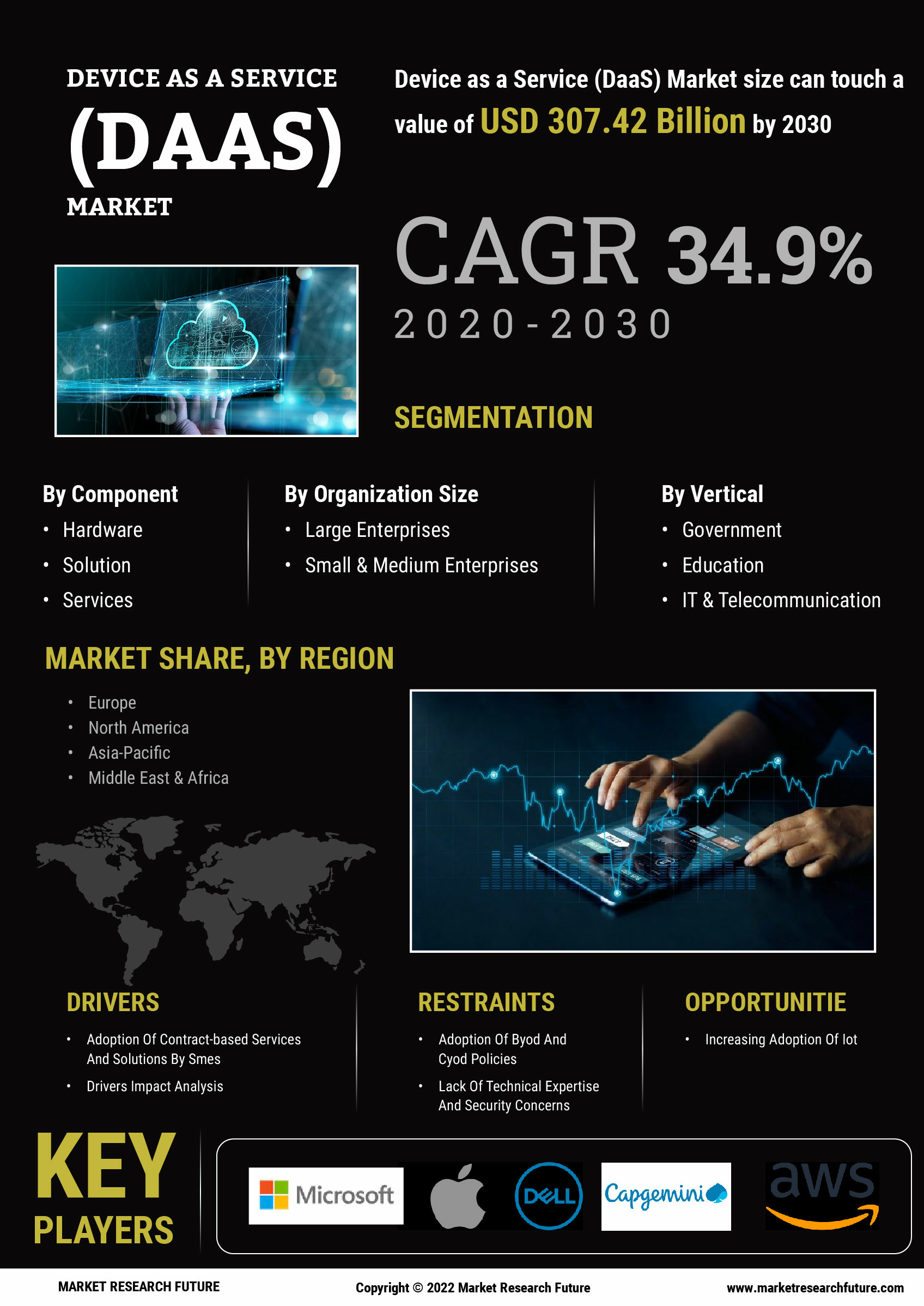
The device as a Service (DaaS) refers to a contracted model for servicing customers by providing enabled devices on a rental or subscription basis, wherein organizations make a single payment for an entire device’s life-cycle management. In this business model, the IT service provider is entitled to deploy, manage and monitor the end-user devices and related applications. Consequently, through this model, organizations can better manage their device estates, which can help improve their efficiency, cost and security. The technology enables businesses to cut down their upfront capital expenses and shift to an expense model that is tailored to match the growing needs of businesses accordingly.
Research Objective
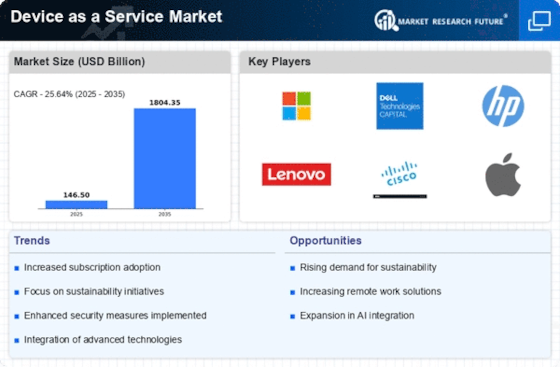
The objective of this research report is to perform a comprehensive analysis of the Device as a Service market in order to acquire new insights into the market size and growth trajectory, the current trend and challenges faced by the market participants, the market’s dominant technologies and solutions, the key market drivers, the competitive landscape and the emerging opportunities. The research methodology analyzes market data from various sources, such as industry reports and documents, databases, whitepapers, analyst reports and industry databases.
Research Methodology
This research report is based on both qualitative and quantitative analyses. The qualitative analysis includes PESTLE analysis, Porter’s Five Forces analysis, industry trends analysis and market structure analysis. Quantitative analysis includes market sizing analysis, market share analysis, forecast analysis and market opportunity analysis.
Literature review:
In order to better understand the Device as a Service market, a comprehensive literature review is conducted which involves reviews and analysis of published material such as industry reports, whitepapers, analyst reports, and other published sources, related to the market and provides an understanding of the present scenario of the market and its future possibilities and potential.
Primary research:
Primary research is also an important part of the research methodology for the device-as-a-service market. Primary research helps to identify new opportunities and unmet needs in the market. Primary research involves interviews, surveys, and questionnaires among key stakeholders (including customers and vendors).
Secondary research:
Secondary research involves the analysis of second-hand data sources, such as market data, reports, industry reports, and surveys. In this report, secondary research includes the analysis of collected data from various resources, such as industry databases, trade associations, magazines, and newspapers. This helps identify current trends and insights in the Device as a Service market.
Data collection tools and techniques:
This research report uses a combination of primary and secondary sources to collect data. Primary sources, such as interviews, surveys and questionnaires, are used to gain in-depth insights into the Device as a Service market. Secondary sources, such as trade journals, government publications, press releases, industry reports, analyst reports, and industry databases, are used for data collection. To ensure the accuracy of the data, both primary and secondary sources will be crosschecked.
Data analysis:
The data collected from both the primary and secondary sources is analyzed using the tools and techniques such as descriptive analysis, standard deviation analysis, regression analysis, and correlation analysis among others. In this report, the data is analyzed with the help of graphs, charts, and tables.
Conclusion
The research methodology discussed in this report aims to provide an in-depth understanding of the Device as a Service market. The research methodology includes a comprehensive analysis of the market with the help of both primary and secondary sources. The data analysis helps in understanding the current trends, problems, opportunities and potential.