Technology-Based Insurance Companies Use Climate Risk Modelling to Set Premiums in 2025
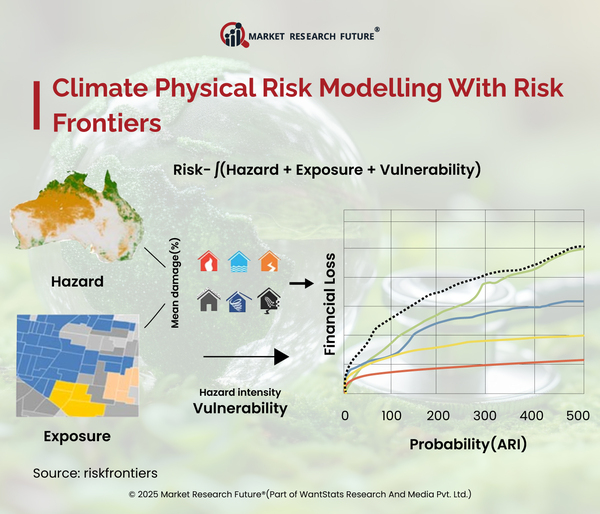
In 2025, the InsurTech market is enduring a substantial transformation as climate risk modelling becomes a central component of premium pricing strategies. Advanced analytics and parametric insurance frameworks are being employed by InsurTech companies to precisely price risk and encourage resilience investments in response to the increasing frequency of climate-related disasters and regulatory pressures.
By mid-2025, an increasing number of InsurTechs will be utilising predictive climate models, AI, and geospatial intelligence to revolutionise the assessment and underwriting of risk. In particular, the Tahoe Donner community in California has served as a testbed for this methodology. A pilot parametric wildfire insurance product, which was released in partnership with The Nature Conservancy and U.S.-based MGA reThought Insurance, now provides householders with the opportunity to reduce their premiums by up to 39 percent and their deductibles by 89 percent by investing in forest-thinning and fuel reduction measures. This development marks a significant milestone in the 2025 initiative to connect insurance pricing to mitigation efforts directly.
Regulatory interest is also witnessing an increase in 2025. In an effort to mitigate the increasing issue of insurability in high-risk regions, the U.S. Department of the Treasury and state-level insurance regulators are assessing climate-forward underwriting models. Parametric products correlated with wildfire, flood, and windstorm triggers are being implemented by more than 15 InsurTech companies as of the second quarter of 2025, including Descartes Underwriting and Kettle. With over 140 million Euros in funding, Descartes is expanding throughout Europe and North America by implementing real-time climate-adjusted policies.
Capital markets are also reflective of the surge in 2025 climate modeling. The inssuance of parametric catastrophe bonds in early 2025 totaled USD 1.4 billion, representing a 2-fold increase from the previous year. This suggests that there is a strong appetite among investors for innovative insurance-linked securities that employ event-based triggers. These developments have established the InsurTech market as a critical enabler of climate adaptation in 2025, particularly in regions where traditional underwriting models have become unstable due to loss volatility.
It is anticipated that the integration of climate data into underwriting frameworks will become industry standard as the InsurTech market continues to mature in 2025. The promise of this change is not only improved pricing accuracy but also increased resilience for policyholders who face climate-driven uncertainties.