Request Free Sample ×

Kindly complete the form below to receive a free sample of this Report

* Please use a valid business email

Leading companies partner with us for data-driven Insights

clients tt-cursor
Hero Background
English
Chinese
French
Japanese
Korean
German
Spanish

Amines Market Share

ID: MRFR/CnM/1459-CR
111 Pages
Chitranshi Jaiswal
February 2026

Amines Market Research Report Information By Type (Primary Amines (R-NH₂) [Methylamine, Ethylamine, Aniline, Fatty Amines, Monoethanolamine (MEA), Others], Secondary Amines (R₂-NH)[ Dimethylamine, Diethylamine, Dipropylamine, N-Ethylaniline, Diethanolamine (DEA), Others], Tertiary Amines (R₃-N)[ Trimethylamine, Triethylamine, Tributylamine, N,N-Dimethylaniline, Triethanolamine (TEA), Others]) By Hydrogenation Catalyst (Nickel (Ni)-Based Catalysts, Cobalt (Co)-Based Catalysts, Chromium-Based Catalysts, Platinum (Pt)-Based Catalysts, Iron (Fe)-Based Catalysts, Others), By Function (Solvent, Surfactant, Corrosion Inhibitor, Dispersant, Chelating Agent, Others), By End Use(Personal Care & Cosmetics, Agrochemicals, Pharmaceuticals, Cleaning Products, Oil & Gas, Textiles, Rubber & Plastics, Paper & Pulp, Others) By Region (North America, Europe, Asia Pacific, Latin America, Middle East & Africa) -Global Forecast to 2035

Share:
Download PDF ×

We do not share your information with anyone. However, we may send you emails based on your report interest from time to time. You may contact us at any time to opt-out.

Amines Market Infographic
Purchase Options

Market Share

Amines Market Share Analysis

The Amines Market employs numerous strategic approaches to carve out its market share and maintain a competitive edge. These tactics encompass a selection of proposals that orbit around market segmentation, product differentiation, and customer-centric tactics.

A prime propelling aspect in the Amines Market is the emphasis on product differentiation. Businesses strive to offer a diverse portfolio of amines with unique features, catering to specific sector requirements. Customizing products to fulfill the requirements of different sectors, such as agriculture, pharmaceuticals, and chemicals, permits market participants to acquire a wider audience and save a distinctive position in each segment.

A steady revolution in the enhancement of new kinds of amines with environmental sustainability, enhanced properties, or cost-effectiveness serves as a potent strategy to attract customers and gain a competitive advantage.

Successful market share positioning often involves a targeted approach through market segmentation. Businesses analyze diverse industries and applications that utilize amines, strategically tailoring their offerings to fulfill the unique demands of each segment. By understanding the specific requirements of sectors like surfactants, crop protection, or gas treatment, businesses can optimize their product offerings to align with the distinct requirements of each market niche.

To augment market share, Businesses in the Amines Market explore opportunities for global expansion. This includes arriving in new geographical areas where demand for amines is on the increase or where there is a gap in supply. Instituting an intense international presence not only increases the customer basis but also helps mitigate risks associated with regional economic fluctuations. Businesses may form strategic connections and associations or set up manufacturing facilities in prime global locations to improve their market position.

Construction and maintaining convincing associations with buyers are focal in acquiring a prominent spot in the Amines Market. This implies directing their pain points, recognizing customer preferences, and consistently presenting high-quality products.

Offering exceptional technical support, customer service, and commissioned solutions, participating in customer loyalty, and advancing long-term partnerships. Fulfilled customers are more likely to continue their business associations and act as advocates, certainly regulating the market presence of amines manufacturers.

As environmental concerns gain prominence, sustainability has become an essential aspect of market share placement in the Amines Market. Businesses are implementing eco-friendly production processes, exploring renewable feedstocks, and developing amines with smaller environmental impacts.

Author
Author Profile
Chitranshi Jaiswal
Team Lead - Research

Chitranshi is a Team Leader in the Chemicals & Materials (CnM) and Energy & Power (EnP) domains, with 6+ years of experience in market research. She leads and mentors teams to deliver cross-domain projects that equip clients with actionable insights and growth strategies. She is skilled in market estimation, forecasting, competitive benchmarking, and both primary & secondary research, enabling her to turn complex data into decision-ready insights. An engineer and MBA professional, she combines technical expertise with strategic acumen to solve dynamic market challenges. Chitranshi has successfully managed projects that support market entry, investment planning, and competitive positioning, while building strong client relationships. Certified in Advanced Excel & Power BI she leverages data-driven approaches to ensure accuracy, clarity, and impactful outcomes.

Leave a Comment

FAQs

What is the projected market valuation of the Amines Market by 2035?

<p>The Amines Market is projected to reach a valuation of 3587.32 USD Million by 2035.</p>

What was the market valuation of the Amines Market in 2024?

<p>In 2024, the Amines Market was valued at 1173.83 USD Million.</p>

What is the expected CAGR for the Amines Market during the forecast period 2025 - 2035?

<p>The expected CAGR for the Amines Market during the forecast period 2025 - 2035 is 10.69%.</p>

Which companies are considered key players in the Amines Market?

<p>Key players in the Amines Market include BASF SE, Huntsman Corporation, Dow Inc., and Eastman Chemical Company.</p>

What are the primary applications of amines in various industries?

<p>Amines are primarily applied in agriculture, pharmaceuticals, personal care, textiles, and food and beverage sectors.</p>

How does the valuation of the Pharmaceuticals segment compare to others in the Amines Market?

The Pharmaceuticals segment is valued between 300.0 and 900.0 USD Million, indicating a substantial share in the Amines Market.

What is the valuation range for the Chemical Manufacturing end-use segment?

The Chemical Manufacturing end-use segment is valued between 300.0 and 900.0 USD Million.

What types of amines are included in the market analysis?

The market analysis includes primary amines, secondary amines, tertiary amines, and quaternary ammonium compounds.

What functionalities do amines serve in various applications?

Amines serve various functionalities, including solvents, surfactants, corrosion inhibitors, and catalysts.

What is the projected valuation for the Food and Beverage application segment by 2035?

The Food and Beverage application segment is projected to reach a valuation between 273.83 and 887.32 USD Million by 2035.

Market Summary

As per MRFR analysis, The Amines Market Size was valued at USD 18,074.472 Million in 2024. The Amines industry is projected to grow from USD 18,958.86 Million in 2025 to USD 30,568.72 Million by 2035, exhibiting a compound annual growth rate (CAGR) of 4.893% during the forecast period (2025–2035).

Key Market Trends & Highlights

The Amines Market dynamic shifts driven by sustainability demands, technological innovations, and expanding end-use applications.

  • Manufacturers are prioritizing bio-based and green amines to meet stringent environmental regulations and consumer preferences for low-toxicity products. Surfactants remain dominant, but specialty amines for pharmaceuticals and crop protection are surging due to high-performance needs. Hydrogenation innovations enable greener fatty amines for surfactants, improving yield and purity for personal care products. Agrochemicals leverage amine-based adjuvants for better pesticide efficacy amid climate-resilient farming needs.

Market Size & Forecast

2024 Market Size 18,074.472 (USD Million)
2035 Market Size 30,568.72 (USD Million)
CAGR (2025 - 2035) 4.893%

Major Players

BASF SE, Dow Inc., Huntsman Corporation, Eastman Chemical Company, Arkema S.A, among others.

Market Trends

The Growth of Pharmaceutical and Agricultural industry

The pharmaceutical industry heavily relies on amines for the synthesis of active pharmaceutical ingredients (APIs), which are essential in the production of a wide array of medications, including pain relievers, antihistamines, antidepressants, and more. Amines like monoethanolamine and diethanolamine are crucial building blocks in drug formulation, enabling the creation of the necessary chemical structures for therapeutic effectiveness. These amines are vital in ensuring the potency, safety, and overall quality of pharmaceutical products, which makes their role indispensable in drug development. With continuous advancements in medical research, the pharmaceutical sector is constantly innovating by introducing new drugs designed to tackle emerging health concerns, such as chronic diseases, infections, mental health disorders, and even personalized medicine. This growth in pharmaceutical innovation directly correlates to an increased demand for amines, as they are essential in synthesizing the complex molecular structures required for these drugs. As drug formulations become more specialized, there is a growing need for high-purity and tailored amines.

Strict regulatory requirements for pharmaceutical-grade chemicals mean that amines used in drug production must meet exacting standards, free of impurities to ensure both safety and effectiveness. As the market sees the introduction of new and more complex medications, including those targeting rare and niche diseases, the demand for amines with unique properties—such as improved solubility, stability, and compatibility—will continue to rise. In addition, the global expansion of pharmaceutical production to meet worldwide health needs will further drive the demand for amines. This includes the development of novel drug delivery systems, biologics, and an increasing focus on managing chronic health conditions like diabetes and cardiovascular diseases.

As pharmaceutical companies diversify their portfolios, amines are also becoming integral to the formulation of biologics and gene therapies, which require precise chemical compositions for their development. The ongoing expansion and innovation within the pharmaceutical industry, coupled with rising global healthcare demands, will significantly boost the need for amines. With these compounds being central to the creation of safe, effective, and high-quality pharmaceutical products, the amines market is poised for considerable growth, driven by their increasing use in drug development and the continuous advancement of new therapeutic options.

The increasing demand in agriculture is a major driving force for the amines market, primarily due to the growing reliance on chemical solutions for crop protection, soil enhancement, and pest management. With the global population rising, there is escalating pressure on the agricultural sector to produce food more efficiently and sustainably. Amines play a pivotal role in addressing these challenges, especially in the development of pesticides, herbicides, fungicides, and fertilizers. These chemicals are essential for safeguarding crops from pests, weeds, and diseases, while also improving soil health and the availability of nutrients. For instance, amine-based compounds like alkylamines and aromatic amines are integral to the formulation of various agrochemicals, including herbicides and insecticides, which are vital for boosting agricultural productivity. These agrochemical products help farmers fight the growing threat of pests, a significant concern for food security.

Amines Market Market Drivers

Growing demand in agriculture

The growing demand in agriculture is a key driver for the amines market due to the increasing reliance on chemical solutions for crop protection, soil fertility, and pest management. As the global population continues to grow, the pressure on agriculture to produce more food efficiently and sustainably intensifies. Amines play a critical role in this, especially in the formulation of pesticides, herbicides, fungicides, and fertilizers. These chemicals help protect crops from pests, weeds, and diseases, while also improving soil quality and nutrient availability. For example, amine-based compounds like alkylamines and aromatic amines are key ingredients in the synthesis of various agrochemicals. They are used to create herbicides and insecticides that are essential for increasing agricultural yields. These products help farmers combat the challenges posed by pests, which are a growing threat to food security.
 
As more sustainable farming practices are adopted worldwide, there is also an increasing demand for biological pesticides and bio-based fertilizers, many of which rely on amines for formulation. This shift toward more eco-friendly and efficient agricultural chemicals further drives the use of amines in the sector. Additionally, amines are crucial in the production of nitrogen-based fertilizers, which are indispensable for modern farming. Fertilizers like urea, ammonium nitrate, and ammonium sulphate are essential for boosting soil fertility and improving crop productivity.

Rise in pharmaceutical application

The pharmaceutical sector depends significantly on amines for the production of active pharmaceutical ingredients (APIs). Key amines like monoethanolamine and diethanolamine play a crucial role in the synthesis of a diverse range of medications, including pain relievers, antihistamines, and antidepressants. These amines serve as essential components in drug formulation, acting as building blocks that facilitate the creation of the chemical structures needed for therapeutic effectiveness. The use of high-purity amines is vital in ensuring the safety, potency, and overall quality of pharmaceutical products, making their role in drug development indispensable. With advancements in medical research, the pharmaceutical industry is continually introducing new drugs to address emerging health challenges, ranging from chronic diseases to infections, mental health issues, and even personalized medicine. This surge in pharmaceutical innovation directly correlates to a higher demand for amines, which are integral to the synthesis of the complex chemical structures of these medications. Moreover, the need for higher purity and more specialized amines is growing as drug formulations become more sophisticated.

Market Segment Insights

By Application: Agriculture (Largest) vs. Pharmaceuticals (Fastest-Growing)

<p>In the Amines Market, the application segment is characterized by a diverse range of industries, with Agriculture holding the largest market share. This segment's dominance is primarily driven by the high demand for agrochemicals, particularly <a href="https://www.marketresearchfuture.com/reports/herbicides-market-4853" target="_blank" title="herbicides">herbicides</a> and fertilizers, which utilize amines for enhanced efficacy. Other applications, such as Pharmaceuticals, Personal Care, Textiles, and Food and Beverage, also contribute but represent smaller proportions of the overall market. Each application plays a crucial role in driving demand for amines, reflecting their wide-reaching utility across sectors. Growth trends within the Amines Market highlight a remarkable increase in the Pharmaceuticals application, making it the fastest-growing segment. Advances in drug formulation and a rising focus on healthcare are propelling this growth, alongside a growing population that necessitates an increase in pharmaceutical production. Additionally, the Personal Care and Food and Beverage applications are expected to witness substantial growth due to shifting consumer preferences towards natural and safe ingredients. This diverse growth across applications underlines the flexibility and adaptability of amines in meeting varied market needs.</p>

<p>Agriculture: Dominant vs. Pharmaceuticals: Emerging</p>

<p>Agriculture stands as the dominant application in the Amines Market, primarily due to its extensive use in agrochemical formulations. The featurization of amines in pesticides and fertilizers significantly enhances crop yield and resilience, making it an integral component in modern farming practices. On the other hand, Pharmaceuticals represents an emerging and rapidly growing segment, driven by increasing investments in the healthcare sector and a focus on innovative drug delivery systems. Amines serve as versatile intermediates in pharmaceutical manufacturing, leading to improved therapeutic outcomes. The rising awareness regarding health and wellness further propels demand within this sector, positioning Pharmaceuticals as a competitive and crucial application amid the vast landscape of the Amines Market.</p>

By End Use: Chemical Manufacturing (Largest) vs. Water Treatment (Fastest-Growing)

<p>The amines market is significantly influenced by various end-use applications, with chemical manufacturing capturing the largest share. This sector benefits from the versatile use of amines in producing solvents, surfactants, and agrochemicals. Water treatment follows closely, as environmental regulations and the necessity for clean water drive significant demand for amines as chelating agents and corrosion inhibitors. The construction, automotive, and electronics sectors also contribute to market dynamics, albeit at a smaller scale compared to these prominent segments. Growth trends in the amines market are buoyed by the increasing demand for specialized chemicals in chemical manufacturing, which remains central to industrial processes. Meanwhile, the water treatment segment is emerging rapidly, driven by a growing focus on sustainable practices and the global rise in water scarcity. The automotive and electronics industries support this growth by requiring advanced materials, thus creating a synergistic effect that propels the amines market forward.</p>

<p>Chemical Manufacturing (Dominant) vs. Automotive (Emerging)</p>

<p>Chemical manufacturing stands as the dominant end-use sector within the amines market, characterized by extensive engagement in formulation and production processes that utilize a variety of amines as building blocks. These compounds serve critical roles in synthesizing chemicals that are pivotal to various applications, enabling interactions that enhance product efficacy. Conversely, the automotive sector is an emerging player, rapidly adopting amines for their roles in producing lightweight materials and advanced coatings that improve vehicle performance and fuel efficiency. This growing adoption highlights a shift in industry dynamics, as automotive suppliers increasingly depend on innovative amine-based products to meet evolving consumer expectations and environmental regulations.</p>

By Type: Primary Amines (Largest) vs. Secondary Amines (Fastest-Growing)

<p>The Amines Market is broadly categorized into four segments: Primary Amines, Secondary Amines, Tertiary Amines, and Quaternary Ammonium Compounds. Among these, Primary Amines hold the largest share, due to their extensive applications in the production of pharmaceuticals, agrochemicals, and surfactants. Secondary Amines, while smaller in market share, are experiencing rapid growth as demand increases across various industries like personal care and cosmetics, where they are valued for their surfactant and emulsifying properties.</p>

<p>Primary Amines (Dominant) vs. Secondary Amines (Emerging)</p>

<p>Primary Amines are the dominant segment in the Amines Market, prized for their versatility and essential role in manufacturing key chemical intermediates and specialty chemicals. The increasing utilization of Primary Amines in industries such as pharmaceuticals, agriculture, and personal care underscores their critical market position. Conversely, Secondary Amines are emerging as preferred choices in applications that require superior performance, particularly in the formulation of surfactants and personal care products. This rise is driven by consumer trends advocating for multifunctional and environmentally friendly products, presenting growth opportunities against a backdrop of competitive offerings.</p>

By Functionality: Solvents (Largest) vs. Surfactants (Fastest-Growing)

<p>In the Amines Market, the functionality segment showcases a diverse distribution of market share among its key components. Solvents currently lead the segment as the largest share holder due to their widespread application in various industries, including pharmaceuticals, agrochemicals, and coatings. Surfactants, on the other hand, hold a significant place, particularly in personal care and household cleaning products, thus demonstrating their relevance in current market dynamics. Growth trends in the Amines Market's functionality segment indicate a robust demand for surfactants, which are positioned as the fastest-growing category. This surge is largely driven by increasing consumer awareness of eco-friendly products and effective cleaners. The corrosion inhibitors and catalysts also show promising growth, aided by advancement in technologies and rising industrial applications where efficient chemical processes are essential.</p>

<p>Solvents (Dominant) vs. Catalysts (Emerging)</p>

<p>Solvents serve as a dominant force in the Amines Market, widely recognized for their versatility and efficacy in various applications such as solvents for chemical reactions and formulations in coatings and inks. Their chemical properties enable smooth operation across a range of temperatures and conditions, solidifying their position in industries like pharmaceuticals and automotive. Conversely, catalysts represent an emerging segment in this market, gaining traction due to their ability to enhance chemical reactions and reduce energy consumption across manufacturing processes. With the growing emphasis on sustainability, the demand for efficient catalysts, particularly in green chemistry applications, is on the rise. As industries evolve, both solvents and catalysts will play crucial roles in shaping market trends.</p>

By Form: Liquid (Largest) vs. Solid (Fastest-Growing)

<p>The amines market is characterized by its diverse forms, with liquid amines holding the largest market share. This segment is primarily driven by the widespread application of liquid amines in agriculture, pharmaceuticals, and chemical manufacturing. Solid amines, while smaller in overall share, are rapidly gaining traction due to their unique benefits in specific applications, including catalysts and polymerization processes. Gas amines, although present, represent a minimal segment in comparison to liquid and solid forms.</p>

<p>Liquid (Dominant) vs. Solid (Emerging)</p>

<p>Liquid amines dominate the amines market thanks to their versatile applications across various industries. Their fluid nature allows for easy handling and integration into numerous processes, particularly in solvents and surfactants. In contrast, solid amines are emerging as critical components in specialized applications such as polymer production and construction materials. Despite their smaller market share, the increasing demand for high-performance materials is driving innovation and growth in the solid amines segment. These evolving formulations are likely to position solid amines as a vital alternative to their liquid counterparts, catering to niche industries seeking enhanced performance.</p>

Get more detailed insights about Amines Market Research Report - Forecast Till 2035

Regional Insights

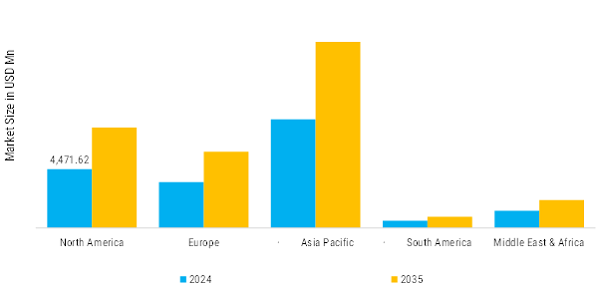
North America: Growth Amines

In North America, the supply of amines is predominantly driven by established chemical manufacturing hubs in the United States and Canada. Major producers in this region include both global chemical companies and regional players, who supply amines for pharmaceuticals, agriculture, and industrial applications. North America’s industrial and chemical markets. The supply chain in this region remains relatively stable, but future supply disruptions could arise due to trade tensions, raw material costs, or environmental regulations.

Amines Market Regional Insights

Europe: Emerging Amines production

Europe’s supply of amines is robust, with several key chemical manufacturing countries, including Germany, France, and the Netherlands, serving as primary production hubs. The European market is heavily integrated with global supply chains, allowing access to amines produced both domestically and through imports, particularly from the Middle East and Asia. The region’s supply is characterized by high standards for product quality and regulatory compliance, especially for applications in pharmaceuticals, textiles, and personal care. The European Union’s REACH (Registration, Evaluation, Authorisation, and Restriction of Chemicals) regulations have prompted stricter controls over chemical production, ensuring that only safe, high-quality amines are used. While Europe is largely self-sufficient in amine production, the increasing demand for specialty amines, particularly in biotech and pharma, may lead to a rise in imports from other regions to meet the specialized requirements.

Asia-Pacific: Rapidly Growing producer and consumer Amines

Asia-Pacific is both the large producer and consumer of amines globally, led by China and India. The region benefits from large-scale petrochemical production, lower labour costs, and established infrastructure, which positions it as the dominant supplier of amines for industrial, agricultural, and pharmaceutical applications. The growing demand for high-performance amines in the automotive, agriculture, and personal care industries has also bolstered regional supply. However, supply in the region faces challenges such as air and water pollution regulations, volatility in raw material prices, and the risk of supply chain disruptions due to geopolitical tensions, such as the U.S.-China trade war.

Middle East and Africa: Emerging Amine Supply

The Middle East, particularly countries like Saudi Arabia and the UAE, has a well-established petrochemical industry that supports a strong amine supply. The region's advantage lies in its access to inexpensive raw materials derived from oil and natural gas, making amines production relatively cost-effective. However, the supply of amines in the Middle East is often oriented toward industrial applications, such as in the production of fertilizers, petrochemicals, and textiles. As demand grows for industrial and agricultural products, and with increasing investments in pharmaceutical infrastructure in Africa, imports of amines are expected to rise.

South America: Growth rapidly Amines

South America’s amine supply is primarily concentrated in Brazil and Argentina, which have the most developed chemical manufacturing sectors in the region. While these countries are capable of producing a range of amines, their domestic production is often insufficient to meet local demand, particularly for high-purity or specialty grades of amines. As a result, South American countries rely on imports from North America, Europe, and Asia to fill the supply gap. The demand for amines in the region is primarily driven by the agricultural and industrial sectors, with increasing applications in pharmaceuticals and personal care. However, the supply chain in South America can be vulnerable to fluctuations in commodity prices, political instability, and logistical challenges, such as transportation inefficiencies and infrastructure limitations.

Key Players and Competitive Insights

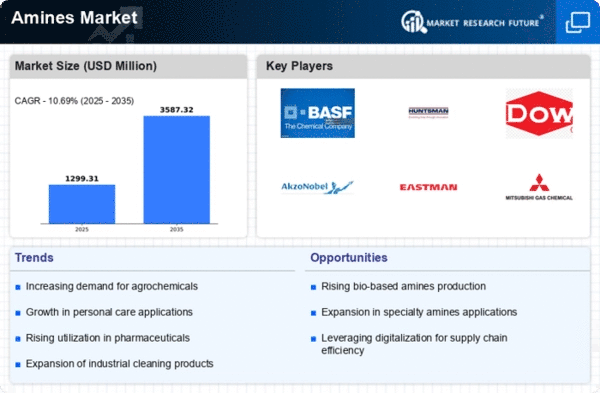
Many global, regional, and local vendors characterize the Amines Market. The market is highly competitive, with all the players competing to gain market share. Intense competition, rapid advances in technology, frequent changes in government policies, and environmental regulations are key factors that confront market growth. The vendors compete based on cost, product quality, reliability, and government regulations. Vendors must provide cost-efficient, high-quality products to survive and succeed in an intensely competitive market.
 
The major players in the market include BASF SE, Dow Inc., Huntsman Corporation, Eastman Chemical Company, Arkema S.A, among others strategic market developments and decisions to improve operational effectiveness.

Key Companies in the Amines Market include

Industry Developments

In 2024, Nouryon announced that it is now certified to the International Sustainability and Carbon Certification standard ISCC PLUS for the production of green ethylene oxide, ethanolamines, ethylene amines, and the surfactants derived from these raw materials at its site in Stenungsund, Sweden.

Future Outlook

Amines Market Future Outlook

Amines Market is projected to grow at a 4.983% CAGR from 2025 to 2035, driven by growing geriatric population and technological advancements.

New opportunities lie in:

  • <p>Growing Demand in Personal Care &amp; Cosmetics</p>
  • <p>Increasing Adoption of Green Chemistry</p>
  • <p>Booming Textile Industry.</p>

By 2035, the Amines Market is expected to achieve robust growth, solidifying its position as a key industry.

Market Segmentation

Amines Market, By Type Outlook

  • Primary Amines (R-NH₂)
  • Secondary Amines (R₂-NH)
  • Tertiary Amines (R₃-N)

Amines Market, By End-Use Outlook

  • Personal Care & Cosmetics
  • Agrochemicals
  • Pharmaceuticals
  • Cleaning Products
  • Oil & Gas
  • Textiles
  • Rubber & Plastics
  • Paper & Pulp
  • Others

Amines Market, By Function Outlook

  • Solvent
  • Surfactant
  • Corrosion Inhibitor
  • Dispersant
  • Chelating Agent
  • Others

Amines Market, Hydrogenation Catalyst Type Outlook

  • Nickel (Ni)-Based Catalysts
  • Cobalt (Co)-Based Catalysts
  • Chromium-Based Catalysts
  • Platinum (Pt)-Based Catalysts
  • Iron (Fe)-Based Catalysts
  • Others

Report Scope

Market Size 2024 18,074.472 (USD Million)
Market Size 2025 18,958.86 (USD Million)
Market Size 2035 30,568.72 (USD Million)
Compound Annual Growth Rate (CAGR) 4.893% (2025 - 2035)
Report Coverage Revenue Forecast, Competitive Landscape, Growth Factors, and Trends
Base Year 2024
Market Forecast Period 2025 - 2035
Historical Data 2019 - 2023
Market Forecast Units USD Million
Key Companies Profiled BASF SE, Dow Inc., Huntsman Corporation, Eastman Chemical Company, Arkema S.A, among other
Segments Covered By Type, By Hydrogenation Catalyst Type, By Function, By End-Use
Key Market Opportunities ·         Growing Demand in Personal Care & Cosmetics ·         Increasing Adoption of Green Chemistry ·         Booming Textile Industry
Key Market Dynamics ·         Growing Demand in Agriculture ·         Rise in Pharmaceutical Application
Region Covered North America, Europe, Asia-Pacific, South America, Middle East & Africa.
 

FAQs

What is the projected market valuation of the Amines Market by 2035?

<p>The Amines Market is projected to reach a valuation of 3587.32 USD Million by 2035.</p>

What was the market valuation of the Amines Market in 2024?

<p>In 2024, the Amines Market was valued at 1173.83 USD Million.</p>

What is the expected CAGR for the Amines Market during the forecast period 2025 - 2035?

<p>The expected CAGR for the Amines Market during the forecast period 2025 - 2035 is 10.69%.</p>

Which companies are considered key players in the Amines Market?

<p>Key players in the Amines Market include BASF SE, Huntsman Corporation, Dow Inc., and Eastman Chemical Company.</p>

What are the primary applications of amines in various industries?

<p>Amines are primarily applied in agriculture, pharmaceuticals, personal care, textiles, and food and beverage sectors.</p>

How does the valuation of the Pharmaceuticals segment compare to others in the Amines Market?

The Pharmaceuticals segment is valued between 300.0 and 900.0 USD Million, indicating a substantial share in the Amines Market.

What is the valuation range for the Chemical Manufacturing end-use segment?

The Chemical Manufacturing end-use segment is valued between 300.0 and 900.0 USD Million.

What types of amines are included in the market analysis?

The market analysis includes primary amines, secondary amines, tertiary amines, and quaternary ammonium compounds.

What functionalities do amines serve in various applications?

Amines serve various functionalities, including solvents, surfactants, corrosion inhibitors, and catalysts.

What is the projected valuation for the Food and Beverage application segment by 2035?

The Food and Beverage application segment is projected to reach a valuation between 273.83 and 887.32 USD Million by 2035.

  1. SECTION I: EXECUTIVE SUMMARY AND KEY HIGHLIGHTS
    1. | 1.1 EXECUTIVE SUMMARY
    2. | | 1.1.1 Market Overview
    3. | | 1.1.2 Key Findings
    4. | | 1.1.3 Market Segmentation
    5. | | 1.1.4 Competitive Landscape
    6. | | 1.1.5 Challenges and Opportunities
    7. | | 1.1.6 Future Outlook
  2. SECTION II: SCOPING, METHODOLOGY AND MARKET STRUCTURE
    1. | 2.1 MARKET INTRODUCTION
    2. | | 2.1.1 Definition
    3. | | 2.1.2 Scope of the study
    4. | | | 2.1.2.1 Research Objective
    5. | | | 2.1.2.2 Assumption
    6. | | | 2.1.2.3 Limitations
    7. | 2.2 RESEARCH METHODOLOGY
    8. | | 2.2.1 Overview
    9. | | 2.2.2 Data Mining
    10. | | 2.2.3 Secondary Research
    11. | | 2.2.4 Primary Research
    12. | | | 2.2.4.1 Primary Interviews and Information Gathering Process
    13. | | | 2.2.4.2 Breakdown of Primary Respondents
    14. | | 2.2.5 Forecasting Model
    15. | | 2.2.6 Market Size Estimation
    16. | | | 2.2.6.1 Bottom-Up Approach
    17. | | | 2.2.6.2 Top-Down Approach
    18. | | 2.2.7 Data Triangulation
    19. | | 2.2.8 Validation
  3. SECTION III: QUALITATIVE ANALYSIS
    1. | 3.1 MARKET DYNAMICS
    2. | | 3.1.1 Overview
    3. | | 3.1.2 Drivers
    4. | | 3.1.3 Restraints
    5. | | 3.1.4 Opportunities
    6. | 3.2 MARKET FACTOR ANALYSIS
    7. | | 3.2.1 Value chain Analysis
    8. | | 3.2.2 Porter's Five Forces Analysis
    9. | | | 3.2.2.1 Bargaining Power of Suppliers
    10. | | | 3.2.2.2 Bargaining Power of Buyers
    11. | | | 3.2.2.3 Threat of New Entrants
    12. | | | 3.2.2.4 Threat of Substitutes
    13. | | | 3.2.2.5 Intensity of Rivalry
    14. | | 3.2.3 COVID-19 Impact Analysis
    15. | | | 3.2.3.1 Market Impact Analysis
    16. | | | 3.2.3.2 Regional Impact
    17. | | | 3.2.3.3 Opportunity and Threat Analysis
  4. SECTION IV: QUANTITATIVE ANALYSIS
    1. | 4.1 Chemicals and Materials, BY Application (USD Million)
    2. | | 4.1.1 Agriculture
    3. | | 4.1.2 Pharmaceuticals
    4. | | 4.1.3 Personal Care
    5. | | 4.1.4 Textiles
    6. | | 4.1.5 Food and Beverage
    7. | 4.2 Chemicals and Materials, BY End Use (USD Million)
    8. | | 4.2.1 Chemical Manufacturing
    9. | | 4.2.2 Water Treatment
    10. | | 4.2.3 Construction
    11. | | 4.2.4 Automotive
    12. | | 4.2.5 Electronics
    13. | 4.3 Chemicals and Materials, BY Type (USD Million)
    14. | | 4.3.1 Primary Amines
    15. | | 4.3.2 Secondary Amines
    16. | | 4.3.3 Tertiary Amines
    17. | | 4.3.4 Quaternary Ammonium Compounds
    18. | 4.4 Chemicals and Materials, BY Functionality (USD Million)
    19. | | 4.4.1 Solvents
    20. | | 4.4.2 Surfactants
    21. | | 4.4.3 Corrosion Inhibitors
    22. | | 4.4.4 Catalysts
    23. | 4.5 Chemicals and Materials, BY Form (USD Million)
    24. | | 4.5.1 Liquid
    25. | | 4.5.2 Solid
    26. | | 4.5.3 Gas
    27. | 4.6 Chemicals and Materials, BY Region (USD Million)
    28. | | 4.6.1 North America
    29. | | | 4.6.1.1 US
    30. | | | 4.6.1.2 Canada
    31. | | 4.6.2 Europe
    32. | | | 4.6.2.1 Germany
    33. | | | 4.6.2.2 UK
    34. | | | 4.6.2.3 France
    35. | | | 4.6.2.4 Russia
    36. | | | 4.6.2.5 Italy
    37. | | | 4.6.2.6 Spain
    38. | | | 4.6.2.7 Rest of Europe
    39. | | 4.6.3 APAC
    40. | | | 4.6.3.1 China
    41. | | | 4.6.3.2 India
    42. | | | 4.6.3.3 Japan
    43. | | | 4.6.3.4 South Korea
    44. | | | 4.6.3.5 Malaysia
    45. | | | 4.6.3.6 Thailand
    46. | | | 4.6.3.7 Indonesia
    47. | | | 4.6.3.8 Rest of APAC
    48. | | 4.6.4 South America
    49. | | | 4.6.4.1 Brazil
    50. | | | 4.6.4.2 Mexico
    51. | | | 4.6.4.3 Argentina
    52. | | | 4.6.4.4 Rest of South America
    53. | | 4.6.5 MEA
    54. | | | 4.6.5.1 GCC Countries
    55. | | | 4.6.5.2 South Africa
    56. | | | 4.6.5.3 Rest of MEA
  5. SECTION V: COMPETITIVE ANALYSIS
    1. | 5.1 Competitive Landscape
    2. | | 5.1.1 Overview
    3. | | 5.1.2 Competitive Analysis
    4. | | 5.1.3 Market share Analysis
    5. | | 5.1.4 Major Growth Strategy in the Chemicals and Materials
    6. | | 5.1.5 Competitive Benchmarking
    7. | | 5.1.6 Leading Players in Terms of Number of Developments in the Chemicals and Materials
    8. | | 5.1.7 Key developments and growth strategies
    9. | | | 5.1.7.1 New Product Launch/Service Deployment
    10. | | | 5.1.7.2 Merger & Acquisitions
    11. | | | 5.1.7.3 Joint Ventures
    12. | | 5.1.8 Major Players Financial Matrix
    13. | | | 5.1.8.1 Sales and Operating Income
    14. | | | 5.1.8.2 Major Players R&D Expenditure. 2023
    15. | 5.2 Company Profiles
    16. | | 5.2.1 BASF SE (DE)
    17. | | | 5.2.1.1 Financial Overview
    18. | | | 5.2.1.2 Products Offered
    19. | | | 5.2.1.3 Key Developments
    20. | | | 5.2.1.4 SWOT Analysis
    21. | | | 5.2.1.5 Key Strategies
    22. | | 5.2.2 Huntsman Corporation (US)
    23. | | | 5.2.2.1 Financial Overview
    24. | | | 5.2.2.2 Products Offered
    25. | | | 5.2.2.3 Key Developments
    26. | | | 5.2.2.4 SWOT Analysis
    27. | | | 5.2.2.5 Key Strategies
    28. | | 5.2.3 Dow Inc. (US)
    29. | | | 5.2.3.1 Financial Overview
    30. | | | 5.2.3.2 Products Offered
    31. | | | 5.2.3.3 Key Developments
    32. | | | 5.2.3.4 SWOT Analysis
    33. | | | 5.2.3.5 Key Strategies
    34. | | 5.2.4 Eastman Chemical Company (US)
    35. | | | 5.2.4.1 Financial Overview
    36. | | | 5.2.4.2 Products Offered
    37. | | | 5.2.4.3 Key Developments
    38. | | | 5.2.4.4 SWOT Analysis
    39. | | | 5.2.4.5 Key Strategies
    40. | | 5.2.5 AkzoNobel N.V. (NL)
    41. | | | 5.2.5.1 Financial Overview
    42. | | | 5.2.5.2 Products Offered
    43. | | | 5.2.5.3 Key Developments
    44. | | | 5.2.5.4 SWOT Analysis
    45. | | | 5.2.5.5 Key Strategies
    46. | | 5.2.6 Mitsubishi Gas Chemical Company, Inc. (JP)
    47. | | | 5.2.6.1 Financial Overview
    48. | | | 5.2.6.2 Products Offered
    49. | | | 5.2.6.3 Key Developments
    50. | | | 5.2.6.4 SWOT Analysis
    51. | | | 5.2.6.5 Key Strategies
    52. | | 5.2.7 Solvay S.A. (BE)
    53. | | | 5.2.7.1 Financial Overview
    54. | | | 5.2.7.2 Products Offered
    55. | | | 5.2.7.3 Key Developments
    56. | | | 5.2.7.4 SWOT Analysis
    57. | | | 5.2.7.5 Key Strategies
    58. | | 5.2.8 Alkyl Amines Chemicals Limited (IN)
    59. | | | 5.2.8.1 Financial Overview
    60. | | | 5.2.8.2 Products Offered
    61. | | | 5.2.8.3 Key Developments
    62. | | | 5.2.8.4 SWOT Analysis
    63. | | | 5.2.8.5 Key Strategies
    64. | | 5.2.9 Taminco (BE)
    65. | | | 5.2.9.1 Financial Overview
    66. | | | 5.2.9.2 Products Offered
    67. | | | 5.2.9.3 Key Developments
    68. | | | 5.2.9.4 SWOT Analysis
    69. | | | 5.2.9.5 Key Strategies
    70. | 5.3 Appendix
    71. | | 5.3.1 References
    72. | | 5.3.2 Related Reports
  6. LIST OF FIGURES
    1. | 6.1 MARKET SYNOPSIS
    2. | 6.2 NORTH AMERICA MARKET ANALYSIS
    3. | 6.3 US MARKET ANALYSIS BY APPLICATION
    4. | 6.4 US MARKET ANALYSIS BY END USE
    5. | 6.5 US MARKET ANALYSIS BY TYPE
    6. | 6.6 US MARKET ANALYSIS BY FUNCTIONALITY
    7. | 6.7 US MARKET ANALYSIS BY FORM
    8. | 6.8 CANADA MARKET ANALYSIS BY APPLICATION
    9. | 6.9 CANADA MARKET ANALYSIS BY END USE
    10. | 6.10 CANADA MARKET ANALYSIS BY TYPE
    11. | 6.11 CANADA MARKET ANALYSIS BY FUNCTIONALITY
    12. | 6.12 CANADA MARKET ANALYSIS BY FORM
    13. | 6.13 EUROPE MARKET ANALYSIS
    14. | 6.14 GERMANY MARKET ANALYSIS BY APPLICATION
    15. | 6.15 GERMANY MARKET ANALYSIS BY END USE
    16. | 6.16 GERMANY MARKET ANALYSIS BY TYPE
    17. | 6.17 GERMANY MARKET ANALYSIS BY FUNCTIONALITY
    18. | 6.18 GERMANY MARKET ANALYSIS BY FORM
    19. | 6.19 UK MARKET ANALYSIS BY APPLICATION
    20. | 6.20 UK MARKET ANALYSIS BY END USE
    21. | 6.21 UK MARKET ANALYSIS BY TYPE
    22. | 6.22 UK MARKET ANALYSIS BY FUNCTIONALITY
    23. | 6.23 UK MARKET ANALYSIS BY FORM
    24. | 6.24 FRANCE MARKET ANALYSIS BY APPLICATION
    25. | 6.25 FRANCE MARKET ANALYSIS BY END USE
    26. | 6.26 FRANCE MARKET ANALYSIS BY TYPE
    27. | 6.27 FRANCE MARKET ANALYSIS BY FUNCTIONALITY
    28. | 6.28 FRANCE MARKET ANALYSIS BY FORM
    29. | 6.29 RUSSIA MARKET ANALYSIS BY APPLICATION
    30. | 6.30 RUSSIA MARKET ANALYSIS BY END USE
    31. | 6.31 RUSSIA MARKET ANALYSIS BY TYPE
    32. | 6.32 RUSSIA MARKET ANALYSIS BY FUNCTIONALITY
    33. | 6.33 RUSSIA MARKET ANALYSIS BY FORM
    34. | 6.34 ITALY MARKET ANALYSIS BY APPLICATION
    35. | 6.35 ITALY MARKET ANALYSIS BY END USE
    36. | 6.36 ITALY MARKET ANALYSIS BY TYPE
    37. | 6.37 ITALY MARKET ANALYSIS BY FUNCTIONALITY
    38. | 6.38 ITALY MARKET ANALYSIS BY FORM
    39. | 6.39 SPAIN MARKET ANALYSIS BY APPLICATION
    40. | 6.40 SPAIN MARKET ANALYSIS BY END USE
    41. | 6.41 SPAIN MARKET ANALYSIS BY TYPE
    42. | 6.42 SPAIN MARKET ANALYSIS BY FUNCTIONALITY
    43. | 6.43 SPAIN MARKET ANALYSIS BY FORM
    44. | 6.44 REST OF EUROPE MARKET ANALYSIS BY APPLICATION
    45. | 6.45 REST OF EUROPE MARKET ANALYSIS BY END USE
    46. | 6.46 REST OF EUROPE MARKET ANALYSIS BY TYPE
    47. | 6.47 REST OF EUROPE MARKET ANALYSIS BY FUNCTIONALITY
    48. | 6.48 REST OF EUROPE MARKET ANALYSIS BY FORM
    49. | 6.49 APAC MARKET ANALYSIS
    50. | 6.50 CHINA MARKET ANALYSIS BY APPLICATION
    51. | 6.51 CHINA MARKET ANALYSIS BY END USE
    52. | 6.52 CHINA MARKET ANALYSIS BY TYPE
    53. | 6.53 CHINA MARKET ANALYSIS BY FUNCTIONALITY
    54. | 6.54 CHINA MARKET ANALYSIS BY FORM
    55. | 6.55 INDIA MARKET ANALYSIS BY APPLICATION
    56. | 6.56 INDIA MARKET ANALYSIS BY END USE
    57. | 6.57 INDIA MARKET ANALYSIS BY TYPE
    58. | 6.58 INDIA MARKET ANALYSIS BY FUNCTIONALITY
    59. | 6.59 INDIA MARKET ANALYSIS BY FORM
    60. | 6.60 JAPAN MARKET ANALYSIS BY APPLICATION
    61. | 6.61 JAPAN MARKET ANALYSIS BY END USE
    62. | 6.62 JAPAN MARKET ANALYSIS BY TYPE
    63. | 6.63 JAPAN MARKET ANALYSIS BY FUNCTIONALITY
    64. | 6.64 JAPAN MARKET ANALYSIS BY FORM
    65. | 6.65 SOUTH KOREA MARKET ANALYSIS BY APPLICATION
    66. | 6.66 SOUTH KOREA MARKET ANALYSIS BY END USE
    67. | 6.67 SOUTH KOREA MARKET ANALYSIS BY TYPE
    68. | 6.68 SOUTH KOREA MARKET ANALYSIS BY FUNCTIONALITY
    69. | 6.69 SOUTH KOREA MARKET ANALYSIS BY FORM
    70. | 6.70 MALAYSIA MARKET ANALYSIS BY APPLICATION
    71. | 6.71 MALAYSIA MARKET ANALYSIS BY END USE
    72. | 6.72 MALAYSIA MARKET ANALYSIS BY TYPE
    73. | 6.73 MALAYSIA MARKET ANALYSIS BY FUNCTIONALITY
    74. | 6.74 MALAYSIA MARKET ANALYSIS BY FORM
    75. | 6.75 THAILAND MARKET ANALYSIS BY APPLICATION
    76. | 6.76 THAILAND MARKET ANALYSIS BY END USE
    77. | 6.77 THAILAND MARKET ANALYSIS BY TYPE
    78. | 6.78 THAILAND MARKET ANALYSIS BY FUNCTIONALITY
    79. | 6.79 THAILAND MARKET ANALYSIS BY FORM
    80. | 6.80 INDONESIA MARKET ANALYSIS BY APPLICATION
    81. | 6.81 INDONESIA MARKET ANALYSIS BY END USE
    82. | 6.82 INDONESIA MARKET ANALYSIS BY TYPE
    83. | 6.83 INDONESIA MARKET ANALYSIS BY FUNCTIONALITY
    84. | 6.84 INDONESIA MARKET ANALYSIS BY FORM
    85. | 6.85 REST OF APAC MARKET ANALYSIS BY APPLICATION
    86. | 6.86 REST OF APAC MARKET ANALYSIS BY END USE
    87. | 6.87 REST OF APAC MARKET ANALYSIS BY TYPE
    88. | 6.88 REST OF APAC MARKET ANALYSIS BY FUNCTIONALITY
    89. | 6.89 REST OF APAC MARKET ANALYSIS BY FORM
    90. | 6.90 SOUTH AMERICA MARKET ANALYSIS
    91. | 6.91 BRAZIL MARKET ANALYSIS BY APPLICATION
    92. | 6.92 BRAZIL MARKET ANALYSIS BY END USE
    93. | 6.93 BRAZIL MARKET ANALYSIS BY TYPE
    94. | 6.94 BRAZIL MARKET ANALYSIS BY FUNCTIONALITY
    95. | 6.95 BRAZIL MARKET ANALYSIS BY FORM
    96. | 6.96 MEXICO MARKET ANALYSIS BY APPLICATION
    97. | 6.97 MEXICO MARKET ANALYSIS BY END USE
    98. | 6.98 MEXICO MARKET ANALYSIS BY TYPE
    99. | 6.99 MEXICO MARKET ANALYSIS BY FUNCTIONALITY
    100. | 6.100 MEXICO MARKET ANALYSIS BY FORM
    101. | 6.101 ARGENTINA MARKET ANALYSIS BY APPLICATION
    102. | 6.102 ARGENTINA MARKET ANALYSIS BY END USE
    103. | 6.103 ARGENTINA MARKET ANALYSIS BY TYPE
    104. | 6.104 ARGENTINA MARKET ANALYSIS BY FUNCTIONALITY
    105. | 6.105 ARGENTINA MARKET ANALYSIS BY FORM
    106. | 6.106 REST OF SOUTH AMERICA MARKET ANALYSIS BY APPLICATION
    107. | 6.107 REST OF SOUTH AMERICA MARKET ANALYSIS BY END USE
    108. | 6.108 REST OF SOUTH AMERICA MARKET ANALYSIS BY TYPE
    109. | 6.109 REST OF SOUTH AMERICA MARKET ANALYSIS BY FUNCTIONALITY
    110. | 6.110 REST OF SOUTH AMERICA MARKET ANALYSIS BY FORM
    111. | 6.111 MEA MARKET ANALYSIS
    112. | 6.112 GCC COUNTRIES MARKET ANALYSIS BY APPLICATION
    113. | 6.113 GCC COUNTRIES MARKET ANALYSIS BY END USE
    114. | 6.114 GCC COUNTRIES MARKET ANALYSIS BY TYPE
    115. | 6.115 GCC COUNTRIES MARKET ANALYSIS BY FUNCTIONALITY
    116. | 6.116 GCC COUNTRIES MARKET ANALYSIS BY FORM
    117. | 6.117 SOUTH AFRICA MARKET ANALYSIS BY APPLICATION
    118. | 6.118 SOUTH AFRICA MARKET ANALYSIS BY END USE
    119. | 6.119 SOUTH AFRICA MARKET ANALYSIS BY TYPE
    120. | 6.120 SOUTH AFRICA MARKET ANALYSIS BY FUNCTIONALITY
    121. | 6.121 SOUTH AFRICA MARKET ANALYSIS BY FORM
    122. | 6.122 REST OF MEA MARKET ANALYSIS BY APPLICATION
    123. | 6.123 REST OF MEA MARKET ANALYSIS BY END USE
    124. | 6.124 REST OF MEA MARKET ANALYSIS BY TYPE
    125. | 6.125 REST OF MEA MARKET ANALYSIS BY FUNCTIONALITY
    126. | 6.126 REST OF MEA MARKET ANALYSIS BY FORM
    127. | 6.127 KEY BUYING CRITERIA OF CHEMICALS AND MATERIALS
    128. | 6.128 RESEARCH PROCESS OF MRFR
    129. | 6.129 DRO ANALYSIS OF CHEMICALS AND MATERIALS
    130. | 6.130 DRIVERS IMPACT ANALYSIS: CHEMICALS AND MATERIALS
    131. | 6.131 RESTRAINTS IMPACT ANALYSIS: CHEMICALS AND MATERIALS
    132. | 6.132 SUPPLY / VALUE CHAIN: CHEMICALS AND MATERIALS
    133. | 6.133 CHEMICALS AND MATERIALS, BY APPLICATION, 2024 (% SHARE)
    134. | 6.134 CHEMICALS AND MATERIALS, BY APPLICATION, 2024 TO 2035 (USD Million)
    135. | 6.135 CHEMICALS AND MATERIALS, BY END USE, 2024 (% SHARE)
    136. | 6.136 CHEMICALS AND MATERIALS, BY END USE, 2024 TO 2035 (USD Million)
    137. | 6.137 CHEMICALS AND MATERIALS, BY TYPE, 2024 (% SHARE)
    138. | 6.138 CHEMICALS AND MATERIALS, BY TYPE, 2024 TO 2035 (USD Million)
    139. | 6.139 CHEMICALS AND MATERIALS, BY FUNCTIONALITY, 2024 (% SHARE)
    140. | 6.140 CHEMICALS AND MATERIALS, BY FUNCTIONALITY, 2024 TO 2035 (USD Million)
    141. | 6.141 CHEMICALS AND MATERIALS, BY FORM, 2024 (% SHARE)
    142. | 6.142 CHEMICALS AND MATERIALS, BY FORM, 2024 TO 2035 (USD Million)
    143. | 6.143 BENCHMARKING OF MAJOR COMPETITORS
  7. LIST OF TABLES
    1. | 7.1 LIST OF ASSUMPTIONS
    2. | | 7.1.1
    3. | 7.2 North America MARKET SIZE ESTIMATES; FORECAST
    4. | | 7.2.1 BY APPLICATION, 2025-2035 (USD Million)
    5. | | 7.2.2 BY END USE, 2025-2035 (USD Million)
    6. | | 7.2.3 BY TYPE, 2025-2035 (USD Million)
    7. | | 7.2.4 BY FUNCTIONALITY, 2025-2035 (USD Million)
    8. | | 7.2.5 BY FORM, 2025-2035 (USD Million)
    9. | 7.3 US MARKET SIZE ESTIMATES; FORECAST
    10. | | 7.3.1 BY APPLICATION, 2025-2035 (USD Million)
    11. | | 7.3.2 BY END USE, 2025-2035 (USD Million)
    12. | | 7.3.3 BY TYPE, 2025-2035 (USD Million)
    13. | | 7.3.4 BY FUNCTIONALITY, 2025-2035 (USD Million)
    14. | | 7.3.5 BY FORM, 2025-2035 (USD Million)
    15. | 7.4 Canada MARKET SIZE ESTIMATES; FORECAST
    16. | | 7.4.1 BY APPLICATION, 2025-2035 (USD Million)
    17. | | 7.4.2 BY END USE, 2025-2035 (USD Million)
    18. | | 7.4.3 BY TYPE, 2025-2035 (USD Million)
    19. | | 7.4.4 BY FUNCTIONALITY, 2025-2035 (USD Million)
    20. | | 7.4.5 BY FORM, 2025-2035 (USD Million)
    21. | 7.5 Europe MARKET SIZE ESTIMATES; FORECAST
    22. | | 7.5.1 BY APPLICATION, 2025-2035 (USD Million)
    23. | | 7.5.2 BY END USE, 2025-2035 (USD Million)
    24. | | 7.5.3 BY TYPE, 2025-2035 (USD Million)
    25. | | 7.5.4 BY FUNCTIONALITY, 2025-2035 (USD Million)
    26. | | 7.5.5 BY FORM, 2025-2035 (USD Million)
    27. | 7.6 Germany MARKET SIZE ESTIMATES; FORECAST
    28. | | 7.6.1 BY APPLICATION, 2025-2035 (USD Million)
    29. | | 7.6.2 BY END USE, 2025-2035 (USD Million)
    30. | | 7.6.3 BY TYPE, 2025-2035 (USD Million)
    31. | | 7.6.4 BY FUNCTIONALITY, 2025-2035 (USD Million)
    32. | | 7.6.5 BY FORM, 2025-2035 (USD Million)
    33. | 7.7 UK MARKET SIZE ESTIMATES; FORECAST
    34. | | 7.7.1 BY APPLICATION, 2025-2035 (USD Million)
    35. | | 7.7.2 BY END USE, 2025-2035 (USD Million)
    36. | | 7.7.3 BY TYPE, 2025-2035 (USD Million)
    37. | | 7.7.4 BY FUNCTIONALITY, 2025-2035 (USD Million)
    38. | | 7.7.5 BY FORM, 2025-2035 (USD Million)
    39. | 7.8 France MARKET SIZE ESTIMATES; FORECAST
    40. | | 7.8.1 BY APPLICATION, 2025-2035 (USD Million)
    41. | | 7.8.2 BY END USE, 2025-2035 (USD Million)
    42. | | 7.8.3 BY TYPE, 2025-2035 (USD Million)
    43. | | 7.8.4 BY FUNCTIONALITY, 2025-2035 (USD Million)
    44. | | 7.8.5 BY FORM, 2025-2035 (USD Million)
    45. | 7.9 Russia MARKET SIZE ESTIMATES; FORECAST
    46. | | 7.9.1 BY APPLICATION, 2025-2035 (USD Million)
    47. | | 7.9.2 BY END USE, 2025-2035 (USD Million)
    48. | | 7.9.3 BY TYPE, 2025-2035 (USD Million)
    49. | | 7.9.4 BY FUNCTIONALITY, 2025-2035 (USD Million)
    50. | | 7.9.5 BY FORM, 2025-2035 (USD Million)
    51. | 7.10 Italy MARKET SIZE ESTIMATES; FORECAST
    52. | | 7.10.1 BY APPLICATION, 2025-2035 (USD Million)
    53. | | 7.10.2 BY END USE, 2025-2035 (USD Million)
    54. | | 7.10.3 BY TYPE, 2025-2035 (USD Million)
    55. | | 7.10.4 BY FUNCTIONALITY, 2025-2035 (USD Million)
    56. | | 7.10.5 BY FORM, 2025-2035 (USD Million)
    57. | 7.11 Spain MARKET SIZE ESTIMATES; FORECAST
    58. | | 7.11.1 BY APPLICATION, 2025-2035 (USD Million)
    59. | | 7.11.2 BY END USE, 2025-2035 (USD Million)
    60. | | 7.11.3 BY TYPE, 2025-2035 (USD Million)
    61. | | 7.11.4 BY FUNCTIONALITY, 2025-2035 (USD Million)
    62. | | 7.11.5 BY FORM, 2025-2035 (USD Million)
    63. | 7.12 Rest of Europe MARKET SIZE ESTIMATES; FORECAST
    64. | | 7.12.1 BY APPLICATION, 2025-2035 (USD Million)
    65. | | 7.12.2 BY END USE, 2025-2035 (USD Million)
    66. | | 7.12.3 BY TYPE, 2025-2035 (USD Million)
    67. | | 7.12.4 BY FUNCTIONALITY, 2025-2035 (USD Million)
    68. | | 7.12.5 BY FORM, 2025-2035 (USD Million)
    69. | 7.13 APAC MARKET SIZE ESTIMATES; FORECAST
    70. | | 7.13.1 BY APPLICATION, 2025-2035 (USD Million)
    71. | | 7.13.2 BY END USE, 2025-2035 (USD Million)
    72. | | 7.13.3 BY TYPE, 2025-2035 (USD Million)
    73. | | 7.13.4 BY FUNCTIONALITY, 2025-2035 (USD Million)
    74. | | 7.13.5 BY FORM, 2025-2035 (USD Million)
    75. | 7.14 China MARKET SIZE ESTIMATES; FORECAST
    76. | | 7.14.1 BY APPLICATION, 2025-2035 (USD Million)
    77. | | 7.14.2 BY END USE, 2025-2035 (USD Million)
    78. | | 7.14.3 BY TYPE, 2025-2035 (USD Million)
    79. | | 7.14.4 BY FUNCTIONALITY, 2025-2035 (USD Million)
    80. | | 7.14.5 BY FORM, 2025-2035 (USD Million)
    81. | 7.15 India MARKET SIZE ESTIMATES; FORECAST
    82. | | 7.15.1 BY APPLICATION, 2025-2035 (USD Million)
    83. | | 7.15.2 BY END USE, 2025-2035 (USD Million)
    84. | | 7.15.3 BY TYPE, 2025-2035 (USD Million)
    85. | | 7.15.4 BY FUNCTIONALITY, 2025-2035 (USD Million)
    86. | | 7.15.5 BY FORM, 2025-2035 (USD Million)
    87. | 7.16 Japan MARKET SIZE ESTIMATES; FORECAST
    88. | | 7.16.1 BY APPLICATION, 2025-2035 (USD Million)
    89. | | 7.16.2 BY END USE, 2025-2035 (USD Million)
    90. | | 7.16.3 BY TYPE, 2025-2035 (USD Million)
    91. | | 7.16.4 BY FUNCTIONALITY, 2025-2035 (USD Million)
    92. | | 7.16.5 BY FORM, 2025-2035 (USD Million)
    93. | 7.17 South Korea MARKET SIZE ESTIMATES; FORECAST
    94. | | 7.17.1 BY APPLICATION, 2025-2035 (USD Million)
    95. | | 7.17.2 BY END USE, 2025-2035 (USD Million)
    96. | | 7.17.3 BY TYPE, 2025-2035 (USD Million)
    97. | | 7.17.4 BY FUNCTIONALITY, 2025-2035 (USD Million)
    98. | | 7.17.5 BY FORM, 2025-2035 (USD Million)
    99. | 7.18 Malaysia MARKET SIZE ESTIMATES; FORECAST
    100. | | 7.18.1 BY APPLICATION, 2025-2035 (USD Million)
    101. | | 7.18.2 BY END USE, 2025-2035 (USD Million)
    102. | | 7.18.3 BY TYPE, 2025-2035 (USD Million)
    103. | | 7.18.4 BY FUNCTIONALITY, 2025-2035 (USD Million)
    104. | | 7.18.5 BY FORM, 2025-2035 (USD Million)
    105. | 7.19 Thailand MARKET SIZE ESTIMATES; FORECAST
    106. | | 7.19.1 BY APPLICATION, 2025-2035 (USD Million)
    107. | | 7.19.2 BY END USE, 2025-2035 (USD Million)
    108. | | 7.19.3 BY TYPE, 2025-2035 (USD Million)
    109. | | 7.19.4 BY FUNCTIONALITY, 2025-2035 (USD Million)
    110. | | 7.19.5 BY FORM, 2025-2035 (USD Million)
    111. | 7.20 Indonesia MARKET SIZE ESTIMATES; FORECAST
    112. | | 7.20.1 BY APPLICATION, 2025-2035 (USD Million)
    113. | | 7.20.2 BY END USE, 2025-2035 (USD Million)
    114. | | 7.20.3 BY TYPE, 2025-2035 (USD Million)
    115. | | 7.20.4 BY FUNCTIONALITY, 2025-2035 (USD Million)
    116. | | 7.20.5 BY FORM, 2025-2035 (USD Million)
    117. | 7.21 Rest of APAC MARKET SIZE ESTIMATES; FORECAST
    118. | | 7.21.1 BY APPLICATION, 2025-2035 (USD Million)
    119. | | 7.21.2 BY END USE, 2025-2035 (USD Million)
    120. | | 7.21.3 BY TYPE, 2025-2035 (USD Million)
    121. | | 7.21.4 BY FUNCTIONALITY, 2025-2035 (USD Million)
    122. | | 7.21.5 BY FORM, 2025-2035 (USD Million)
    123. | 7.22 South America MARKET SIZE ESTIMATES; FORECAST
    124. | | 7.22.1 BY APPLICATION, 2025-2035 (USD Million)
    125. | | 7.22.2 BY END USE, 2025-2035 (USD Million)
    126. | | 7.22.3 BY TYPE, 2025-2035 (USD Million)
    127. | | 7.22.4 BY FUNCTIONALITY, 2025-2035 (USD Million)
    128. | | 7.22.5 BY FORM, 2025-2035 (USD Million)
    129. | 7.23 Brazil MARKET SIZE ESTIMATES; FORECAST
    130. | | 7.23.1 BY APPLICATION, 2025-2035 (USD Million)
    131. | | 7.23.2 BY END USE, 2025-2035 (USD Million)
    132. | | 7.23.3 BY TYPE, 2025-2035 (USD Million)
    133. | | 7.23.4 BY FUNCTIONALITY, 2025-2035 (USD Million)
    134. | | 7.23.5 BY FORM, 2025-2035 (USD Million)
    135. | 7.24 Mexico MARKET SIZE ESTIMATES; FORECAST
    136. | | 7.24.1 BY APPLICATION, 2025-2035 (USD Million)
    137. | | 7.24.2 BY END USE, 2025-2035 (USD Million)
    138. | | 7.24.3 BY TYPE, 2025-2035 (USD Million)
    139. | | 7.24.4 BY FUNCTIONALITY, 2025-2035 (USD Million)
    140. | | 7.24.5 BY FORM, 2025-2035 (USD Million)
    141. | 7.25 Argentina MARKET SIZE ESTIMATES; FORECAST
    142. | | 7.25.1 BY APPLICATION, 2025-2035 (USD Million)
    143. | | 7.25.2 BY END USE, 2025-2035 (USD Million)
    144. | | 7.25.3 BY TYPE, 2025-2035 (USD Million)
    145. | | 7.25.4 BY FUNCTIONALITY, 2025-2035 (USD Million)
    146. | | 7.25.5 BY FORM, 2025-2035 (USD Million)
    147. | 7.26 Rest of South America MARKET SIZE ESTIMATES; FORECAST
    148. | | 7.26.1 BY APPLICATION, 2025-2035 (USD Million)
    149. | | 7.26.2 BY END USE, 2025-2035 (USD Million)
    150. | | 7.26.3 BY TYPE, 2025-2035 (USD Million)
    151. | | 7.26.4 BY FUNCTIONALITY, 2025-2035 (USD Million)
    152. | | 7.26.5 BY FORM, 2025-2035 (USD Million)
    153. | 7.27 MEA MARKET SIZE ESTIMATES; FORECAST
    154. | | 7.27.1 BY APPLICATION, 2025-2035 (USD Million)
    155. | | 7.27.2 BY END USE, 2025-2035 (USD Million)
    156. | | 7.27.3 BY TYPE, 2025-2035 (USD Million)
    157. | | 7.27.4 BY FUNCTIONALITY, 2025-2035 (USD Million)
    158. | | 7.27.5 BY FORM, 2025-2035 (USD Million)
    159. | 7.28 GCC Countries MARKET SIZE ESTIMATES; FORECAST
    160. | | 7.28.1 BY APPLICATION, 2025-2035 (USD Million)
    161. | | 7.28.2 BY END USE, 2025-2035 (USD Million)
    162. | | 7.28.3 BY TYPE, 2025-2035 (USD Million)
    163. | | 7.28.4 BY FUNCTIONALITY, 2025-2035 (USD Million)
    164. | | 7.28.5 BY FORM, 2025-2035 (USD Million)
    165. | 7.29 South Africa MARKET SIZE ESTIMATES; FORECAST
    166. | | 7.29.1 BY APPLICATION, 2025-2035 (USD Million)
    167. | | 7.29.2 BY END USE, 2025-2035 (USD Million)
    168. | | 7.29.3 BY TYPE, 2025-2035 (USD Million)
    169. | | 7.29.4 BY FUNCTIONALITY, 2025-2035 (USD Million)
    170. | | 7.29.5 BY FORM, 2025-2035 (USD Million)
    171. | 7.30 Rest of MEA MARKET SIZE ESTIMATES; FORECAST
    172. | | 7.30.1 BY APPLICATION, 2025-2035 (USD Million)
    173. | | 7.30.2 BY END USE, 2025-2035 (USD Million)
    174. | | 7.30.3 BY TYPE, 2025-2035 (USD Million)
    175. | | 7.30.4 BY FUNCTIONALITY, 2025-2035 (USD Million)
    176. | | 7.30.5 BY FORM, 2025-2035 (USD Million)
    177. | 7.31 PRODUCT LAUNCH/PRODUCT DEVELOPMENT/APPROVAL
    178. | | 7.31.1
    179. | 7.32 ACQUISITION/PARTNERSHIP
    180. | | 7.32.1

Chemicals and Materials Market Segmentation

Chemicals and Materials By Application (USD Million, 2025-2035)

  • Agriculture
  • Pharmaceuticals
  • Personal Care
  • Textiles
  • Food and Beverage

Chemicals and Materials By End Use (USD Million, 2025-2035)

  • Chemical Manufacturing
  • Water Treatment
  • Construction
  • Automotive
  • Electronics

Chemicals and Materials By Type (USD Million, 2025-2035)

  • Primary Amines
  • Secondary Amines
  • Tertiary Amines
  • Quaternary Ammonium Compounds

Chemicals and Materials By Functionality (USD Million, 2025-2035)

  • Solvents
  • Surfactants
  • Corrosion Inhibitors
  • Catalysts

Chemicals and Materials By Form (USD Million, 2025-2035)

  • Liquid
  • Solid
  • Gas
Infographic

Free Sample Request

Kindly complete the form below to receive a free sample of this Report

Get Free Sample

Customer Strories

Compare Licence

×
Features License Type
Single User Multiuser License Enterprise User
Price $4,950 $5,950 $7,250
Maximum User Access Limit 1 User Upto 10 Users Unrestricted Access Throughout the Organization
Free Customization
Direct Access to Analyst
Deliverable Format
Platform Access
Discount on Next Purchase 10% 15% 15%
Printable Versions