India Moves Forward With Hydrogen Fuel Cell Vehicle Plans in 2025
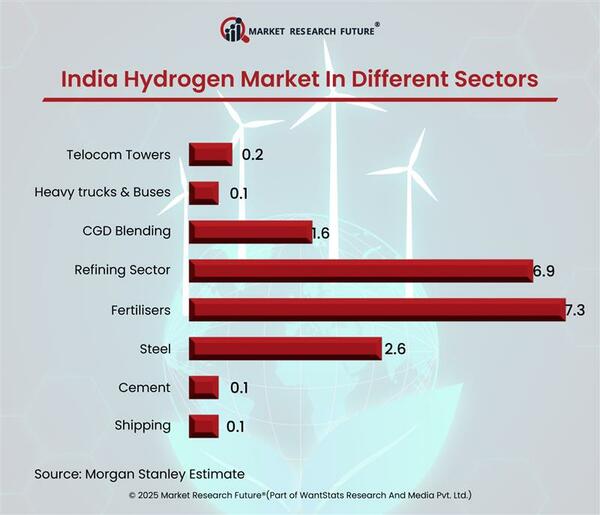
India is observing rapid developments in the pilot projects of hydrogen fuel cell vehicles (HFCV) in June 2025. This marks a significant step forward in achieving sustainable mobility within the country. The projects fall under the National Green Hydrogen Mission (NGHM), which aims to make India the global hub for green hydrogen manufacturing and utilization in the future.
The Ministry of New and Renewable Energy (MNRE) has sanctioned five pilot projects under NGHM involving the procurement of 15 fuel cell vehicles and 22 internal combustion engine vehicles, totaling 37 hydrogen-powered vehicles. The cars will operate on 10 routes across the country, including Greater Noida–Delhi–Agra, Pune–Mumbai, and Bhubaneswar–Konark–Puri. Moreover, 9 hydrogen refueling stations will be built to aid in these processes. The government has allocated around ₹208 crores (~$24 million) in financial assistance for the completion of these projects, which are expected to be completed within the next 18-24 months.
Key industry stakeholders are taking part in these pilot projects. While Reliance Industries and Indian Oil Corporation are constructing refueling facilities, Tata Motors and Ashok Leyland are testing hydrogen fuel cell buses. This partnership of the public and private sectors is vital for the successful adoption and greater deployment of hydrogen mobility solutions in India.
India's first hydrogen-powered fuel cell truck was deployed in Chhattisgarh, making it a frontrunner at the state level. Adani Enterprises, along with several domestic and foreign tech companies, manufactured the truck with a 40-tonne cargo capacity and a range of 200 kilometers. The goal is to transition from diesel trucks in mining logistics to more environmentally friendly options. This will lower carbon emissions and noise pollution.
India's efforts to incorporate hydrogen as a clean fuel option for transportation in June 2025 demonstrate its commitment to adopting clean fuels. The assessment of these pilots will yield critical lessons on the technical practicality, safety, and cost-effectiveness of hydrogen vehicles and their associated refueling systems. As these projects move forward, they are anticipated to lead to the widespread implementation of hydrogen-based transport systems throughout the nation, which will help India achieve its decarbonization targets and energy self-sufficiency.