×
Request Free Sample ×

Kindly complete the form below to receive a free sample of this Report

* Please use a valid business email

Leading companies partner with us for data-driven Insights

clients tt-cursor
Hero Background
English
Chinese
French
Japanese
Korean
German
Spanish

Relapsing Remitting Multiple Sclerosis Market Trends

ID: MRFR/HC/6905-HCR
100 Pages
Kinjoll Dey
October 2025

Relapsing-Remitting Multiple Sclerosis (MS) Market Research Report Information By Treatment (Immunomodulating Drugs, Nrf2 Activators, Interferons, Others), By Route of Administration (Oral, Intravenous) and By End-User (Hospitals, Clinics, Others) – Forecast to 2035

Share:
Download PDF ×

We do not share your information with anyone. However, we may send you emails based on your report interest from time to time. You may contact us at any time to opt-out.

Relapsing Remitting Multiple Sclerosis Market Infographic
×
Relapsing Remitting Multiple Sclerosis Market Infographic Full View
Purchase Options

Market Trends

Key Emerging Trends in the Relapsing Remitting Multiple Sclerosis Market

One major trend is developing and using disease modifying agents (DMTs). Pharmaceutical firms are investing heavily on new DMTs that will help slow down disease progression, reduce relapse rates and alleviate symptoms for patients with RRMS. Moreover, there are oral and infusion-based DMTs that increase options for patients who can now manage their diseases flexibly.

Personalized medicine approach is another area of interest when it comes to innovative treatments offered in RRMS market. Medical practitioners leverage on advances made in genetic research as well as biomarker discovery to individualize therapy for a particular patient based on his or her characteristics. Personalized medicine ensures side effects are minimized hence optimizing treatment efficacy thereby leading to improved outcomes and better quality of life of those treated with such precision medicines.

More so, digital health solutions have experienced increased adoption within the RRMS management sector. Patients can conveniently use mobile applications, telemedicine platforms or wearable devices to monitor symptoms among other things from home even miles away from hospitals or clinics they were previously scheduled to visit physically. With these tools available online through digital channels patients now have an opportunity to engage more deeply into their own care process by keeping the right track about symptom dynamics actively intervening where necessary and making timely shifts within the course of therapeutic interventions related specifically to certain medications.

The importance of early intervention strategies has grown significantly within the context of RRMS treatment market’s topography too. Thus it is crucial that treatments commence at earliest stages possible so as to prevent disability-prone progressions and improve long-term prognosis according to healthcare providers’ recommendations .Thus physicians and patients are encouraged to be proactive in the management of RRMS through awareness programs and educational initiatives meant to check delays in diagnosis and treatment initiation.

Integrated care models are becoming more popular in the context of RRMS. These include collaborations between neurologists, physical therapists, occupational therapists and mental health providers whose main goals have been providing comprehensive care for people with RRMS. By focusing on integrated care rather than just physical symptoms, these types of approaches help achieve holistic well being by addressing cognitive as well as emotional aspects related to chronic neurological conditions.

Furthermore, market trends indicate a shift towards patient-centricity. Supported by improved healthcare communications amongst other factors, patient advocacy groups play a critical role in raising awareness about this disease empowering patients and influencing choices made regarding its management. Through such patient-centered approach healthcare providers become partners with people living with MS ensuring that decisions taken are shared thereby moving healthcare system from disease-oriented perspective towards one reflecting patient’s preferences over value of life and their quality.

Moreover, there has been an effort to address the economic burden associated with long-term disease management within the RRMS treatment market. The affordability of drugs is improved through establishment of biosimilars and generic DMTs for existing versions. In addition, expensive therapies can now be accessible since there are value-based pricing models plus patient assistance programs designed particularly for individuals who suffer from multiple sclerosis (MS).

Author
Kinjoll Dey
Research Analyst Level I

He is an extremely curious individual currently working in Healthcare and Medical Devices Domain. Kinjoll is comfortably versed in data centric research backed by healthcare educational background. He leverages extensive data mining and analytics tools such as Primary and Secondary Research, Statistical Analysis, Machine Learning, Data Modelling. His key role also involves Technical Sales Support, Client Interaction and Project management within the Healthcare team. Lastly, he showcases extensive affinity towards learning new skills and remain fascinated in implementing them.

Leave a Comment

FAQs

What was the valuation of the Relapsing Remitting Multiple Sclerosis Market in 2032?

Relapsing Remitting Multiple Sclerosis Market valuation in 2032 was USD 5.8 Billion

What is the projected CAGR of the Relapsing Remitting Multiple Sclerosis Market during the forecast period (2023-2032)?

The projected CAGR of the Relapsing Remitting Multiple Sclerosis Market would be 3.1% during the forecast period.

Which treatment segment would dominate the Relapsing Remitting Multiple Sclerosis Market?

Immunomodulating drugs would lead Relapsing Remitting Multiple Sclerosis Market.

Which route of administration would dominate the Relapsing Remitting Multiple Sclerosis Market?

The oral segment would dominate Relapsing Remitting Multiple Sclerosis Market.

Which end user would lead the Relapsing Remitting Multiple Sclerosis Market?

The hospitals segment would lead Relapsing Remitting Multiple Sclerosis Market.

Market Summary

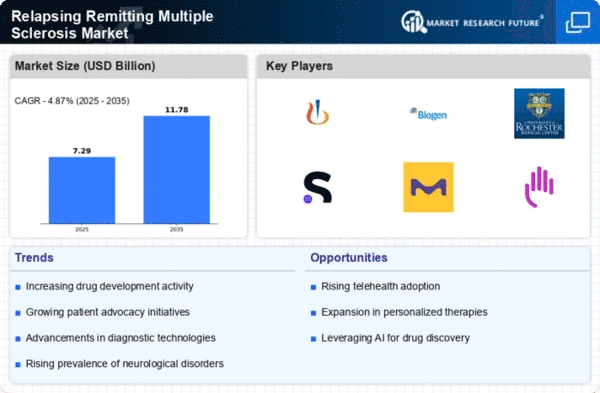
As per MRFR analysis, the Relapsing Remitting Multiple Sclerosis Market Size was estimated at 6.95 USD Billion in 2024. The Relapsing Remitting Multiple Sclerosis industry is projected to grow from 7.37 USD Billion in 2025 to 11.78 USD Billion by 2035, exhibiting a compound annual growth rate (CAGR) of 4.87 during the forecast period 2025 - 2035.

Key Market Trends & Highlights

The Relapsing Remitting Multiple Sclerosis market is experiencing a transformative shift towards personalized and technologically integrated treatment approaches.

  • Personalized treatment approaches are gaining traction, reflecting a broader trend towards individualized patient care.
  • North America remains the largest market, while Asia-Pacific is emerging as the fastest-growing region for Relapsing Remitting Multiple Sclerosis therapies.
  • Disease Modifying Therapy continues to dominate the market, whereas Symptomatic Therapy is witnessing rapid growth.
  • The rising prevalence of Relapsing Remitting Multiple Sclerosis and advancements in therapeutic options are key drivers propelling market expansion.

Market Size & Forecast

2024 Market Size 6.95 (USD Billion)
2035 Market Size 11.78 (USD Billion)
CAGR (2025 - 2035) 4.87%
Largest Regional Market Share in 2024 North America

Major Players

Novartis (CH), Biogen (US), Roche (CH), Sanofi (FR), Merck KGaA (DE), Bristol-Myers Squibb (US), Teva Pharmaceutical Industries (IL), Celgene (US), Eisai (JP)

Market Trends

The Relapsing Remitting Multiple Sclerosis Market is currently experiencing notable developments, driven by advancements in treatment options and a growing understanding of the disease. As healthcare providers and researchers delve deeper into the complexities of multiple sclerosis, innovative therapies are emerging, offering hope to patients. The market appears to be shifting towards personalized medicine, where treatments are tailored to individual patient profiles, potentially enhancing efficacy and minimizing side effects. Furthermore, the increasing prevalence of this condition is prompting greater investment in research and development, which may lead to the introduction of novel therapies in the near future. In addition to therapeutic advancements, the Relapsing Remitting Multiple Sclerosis Market is witnessing a rise in awareness and education initiatives aimed at both healthcare professionals and patients. This heightened awareness could facilitate earlier diagnosis and intervention, ultimately improving patient outcomes. Moreover, the integration of technology in treatment regimens, such as telemedicine and digital health tools, is likely to transform how care is delivered. As the market evolves, stakeholders must remain vigilant to emerging trends and adapt strategies accordingly to meet the changing needs of patients and healthcare systems.

Personalized Treatment Approaches

The trend towards personalized medicine is gaining traction within the Relapsing Remitting Multiple Sclerosis Market. Tailoring therapies to individual patient characteristics may enhance treatment effectiveness and reduce adverse effects, thereby improving overall patient satisfaction.

Increased Research Investment

There is a noticeable uptick in investment directed towards research and development in the Relapsing Remitting Multiple Sclerosis Market. This influx of funding is likely to accelerate the discovery of new therapies and treatment modalities, potentially transforming patient care.

Technological Integration in Care

The incorporation of technology into treatment strategies is becoming increasingly prevalent in the Relapsing Remitting Multiple Sclerosis Market. Innovations such as telehealth and digital monitoring tools may enhance patient engagement and streamline care delivery.

Relapsing Remitting Multiple Sclerosis Market Market Drivers

Market Growth Projections

The Global Relapsing-Remitting Multiple Sclerosis Market Industry is poised for substantial growth in the coming years. Projections indicate that the market will expand from 3.88 USD Billion in 2024 to an estimated 6.36 USD Billion by 2035. This growth trajectory reflects a compound annual growth rate (CAGR) of 4.59% from 2025 to 2035. Such figures underscore the increasing demand for effective treatment options and the ongoing advancements in research and development within the industry. The market's expansion is likely to be driven by a combination of factors, including rising prevalence rates, improved diagnostic capabilities, and enhanced treatment options.

Rising Awareness and Diagnosis

Increased awareness and improved diagnostic techniques are pivotal drivers of the Global Relapsing-Remitting Multiple Sclerosis Market Industry. Enhanced public knowledge about MS symptoms and the importance of early diagnosis has led to more individuals seeking medical attention. Additionally, advancements in magnetic resonance imaging (MRI) technology have facilitated earlier and more accurate diagnoses. This trend is crucial, as timely intervention can significantly alter the disease course and improve patient outcomes. Consequently, the growing number of diagnosed cases is expected to propel market growth, aligning with the projected CAGR of 4.59% from 2025 to 2035.

Advancements in Treatment Options

The Global Relapsing-Remitting Multiple Sclerosis Market Industry is significantly influenced by advancements in treatment options. Recent developments in disease-modifying therapies (DMTs) have enhanced patient outcomes and reduced relapse rates. Innovative medications, including oral therapies and monoclonal antibodies, are now available, providing patients with more choices. These advancements not only improve the quality of life for individuals with relapsing-remitting MS but also contribute to market growth. As the industry evolves, the introduction of new therapies is anticipated to sustain the market's upward trajectory, with projections indicating a market value of 6.36 USD Billion by 2035.

Government Initiatives and Funding

Government initiatives and funding play a crucial role in shaping the Global Relapsing-Remitting Multiple Sclerosis Market Industry. Various health authorities are increasingly recognizing the need for research and development in MS treatment. Funding for clinical trials and research projects is on the rise, aimed at discovering novel therapies and improving existing ones. These initiatives not only enhance the understanding of the disease but also foster innovation within the pharmaceutical sector. As governments allocate more resources towards MS research, the market is likely to benefit from an influx of new treatment options, further driving its growth in the coming years.

Growing Patient Advocacy and Support Groups

The presence of patient advocacy and support groups is a vital driver of the Global Relapsing-Remitting Multiple Sclerosis Market Industry. These organizations play a significant role in raising awareness about MS, providing education, and advocating for better treatment options. They also facilitate connections among patients, healthcare providers, and researchers, fostering a collaborative environment for addressing the challenges associated with MS. As these groups continue to gain traction globally, they are likely to influence policy changes and funding allocations, ultimately contributing to market growth. Their efforts in promoting research and awareness are essential for improving patient outcomes and expanding treatment access.

Increasing Prevalence of Multiple Sclerosis

The Global Relapsing-Remitting Multiple Sclerosis Market Industry is experiencing growth due to the rising prevalence of multiple sclerosis (MS) worldwide. According to credible health statistics, the estimated number of individuals diagnosed with MS is projected to increase, leading to a heightened demand for effective treatment options. This trend is particularly evident in regions such as North America and Europe, where MS rates are notably higher. As the global population ages, the incidence of relapsing-remitting MS is likely to rise, thereby driving market expansion. The market is expected to reach 3.88 USD Billion in 2024, reflecting the urgent need for innovative therapies.

Market Segment Insights

By Treatment Type: Disease Modifying Therapy (Largest) vs. Symptomatic Therapy (Fastest-Growing)

In the Relapsing Remitting Multiple Sclerosis market, the distribution of treatment types highlights a clear dominance of Disease Modifying Therapy (DMT), which accounts for a significant share of the market. This therapeutic approach is pivotal in managing disease progression and mitigating flare-ups, thus catering to a large patient population looking for effective long-term solutions. Symptomatic Therapy follows closely, catering to immediate relief for patients experiencing specific symptoms of the disease, thereby playing a crucial role in overall patient comfort and quality of life. Growth trends within the treatment segment reveal a robust trajectory for both DMT and Symptomatic Therapy. The demand for DMT is primarily driven by advancements in treatment efficacy and extended product offerings that improve patient adherence. At the same time, Symptomatic Therapy is experiencing rapid growth due to increasing patient awareness and a greater emphasis on managing quality of life as part of comprehensive care plans. This dual trajectory is supported by ongoing research and development efforts that enhance treatment protocols and address unmet medical needs.

Disease Modifying Therapy (Dominant) vs. Symptomatic Therapy (Emerging)

Disease Modifying Therapy (DMT) stands as the dominant approach in the Relapsing Remitting Multiple Sclerosis market, showcasing a variety of medications designed to modify the course of the disease. Typically prescribed to reduce the frequency and severity of relapses, DMT benefits from continuous innovation, leading to more efficient treatments that significantly enhance patient outcomes. On the other hand, Symptomatic Therapy emerges as a critical component of care, focusing on alleviating specific symptoms associated with the disease. This segment is gaining traction as healthcare providers strive for a holistic approach to MS treatment. As the market evolves, the emergence of new therapeutic options in Symptomatic Therapy reflects changing patient needs and an increasing emphasis on improving quality of life.

By Route of Administration: Oral (Largest) vs. Injectable (Fastest-Growing)

In the Relapsing Remitting Multiple Sclerosis Market, the route of administration significantly influences treatment acceptance and efficacy. Among the current options, oral medications have emerged as the predominant choice, capturing the largest market share due to their convenience and ease of use. Injectable treatments, although previously more common, are now on the rise, appealing to patients who seek alternatives to traditional therapies. This distribution demonstrates a shift in patient preference towards more user-friendly options, leading to an evolving landscape of MS treatment.

Oral (Dominant) vs. Injectable (Emerging)

Oral administration stands out as the dominant route in the treatment of Relapsing Remitting Multiple Sclerosis. Patients favor oral therapies for their convenience, resulting in ease of adherence to treatment regimens. These drugs provide flexibility and can be administered without the need for clinical supervision. Meanwhile, the injectable segment is emerging strongly, driven by recent advancements in delivery methods and formulations that reduce discomfort and enhance patient compliance. The growing emphasis on personalized medicine further supports the rise of injectables, as they cater to specific patient needs and preferences, bridging the gap between efficacy and user experience.

By Patient Type: Adult (Largest) vs. Pediatric (Fastest-Growing)

In the Relapsing Remitting Multiple Sclerosis Market, the adult patient segment holds the largest share, significantly outpacing the other segments, including pediatric and geriatric populations. This trend is largely due to the greater prevalence of Multiple Sclerosis (MS) diagnoses in adults, driving demand for targeted therapies and treatment options. Meanwhile, the pediatric segment, while smaller, is marked by a rapid increase in awareness and diagnosis, propelling it to be the fastest-growing segment. This reflects a growing recognition of MS in younger populations, prompting healthcare providers to pay closer attention to this age group. In recent years, substantial investments in research and development tailored for pediatric MS have emerged, fostering innovative therapies designed for younger patients. The evolving landscape of telemedicine and digital health tools is also enhancing accessibility and engagement in pediatric care. As healthcare systems strive to improve outcomes for all age groups, the expansion of specialized treatment strategies is anticipated to sustain momentum in both the adult and pediatric segments, highlighting the need for continuous innovation in managing Relapsing Remitting Multiple Sclerosis across different patient demographics.

Adult (Dominant) vs. Pediatric (Emerging)

The adult patient segment in the Relapsing Remitting Multiple Sclerosis Market stands as the dominant player, primarily due to the higher incidence rates of MS among adults compared to younger populations. Adults often exhibit complex disease progression, which necessitates a variety of therapeutic interventions. Conversely, the pediatric segment is considered emerging, gaining traction as diagnostic methods improve and awareness levels rise. Pediatric patients typically require specifically formulated treatments that account for their unique physiological characteristics and developmental considerations. As healthcare providers continue to recognize the importance of tailored therapies for younger patients, the emphasis on both segments presents opportunities for innovative therapeutic solutions and educational initiatives, ensuring comprehensive care pathways for all age groups.

By Diagnosis Method: Magnetic Resonance Imaging (Largest) vs. Lumbar Puncture (Fastest-Growing)

In the Relapsing Remitting Multiple Sclerosis (RRMS) market, the Diagnosis Method segment is primarily led by Magnetic Resonance Imaging (MRI), which dominates the landscape due to its non-invasive nature and high sensitivity in detecting lesions associated with MS. This modality captures a significant market share, highlighting its critical role in the early diagnosis and ongoing monitoring of RRMS patients. In contrast, the Lumbar Puncture, while historically used, is growing rapidly, attributed to advancements in procedural technique and increased awareness among healthcare professionals regarding its importance in confirming a diagnosis, although it still holds a smaller share compared to MRI. The growth trends within the Diagnosis Method segment are being driven by an increasing prevalence of RRMS and a growing patient population seeking timely and accurate diagnoses. Additionally, the advancements in MRI technology, such as enhanced imaging resolution and functional MRI capabilities, are expanding its application in clinical settings. The emerging focus on personalized medicine and the integration of AI in diagnostic processes further propel the growth of Lumbar Puncture, making it a fast-developing option alongside established methods. This combination of demand and innovation is reshaping the landscape of diagnosis for RRMS, positioning these methods in a competitive yet collaborative space.

Magnetic Resonance Imaging (Dominant) vs. Lumbar Puncture (Emerging)

Magnetic Resonance Imaging (MRI) serves as the cornerstone for diagnosing Relapsing Remitting Multiple Sclerosis (RRMS), primarily due to its ability to provide detailed images of the central nervous system, helping clinicians identify active lesions and evaluate disease progression. Its widespread adoption is attributed to its non-invasive nature, making it patient-friendly while delivering high accuracy in results. Conversely, Lumbar Puncture is emerging as a vital diagnostic tool, offering essential cerebrospinal fluid analysis that can confirm RRMS when MRI results are ambiguous. Though traditionally viewed as more invasive, improved techniques and better patient care have made lumbar punctures more accessible and acceptable. As healthcare evolves, both methods will likely complement each other, enhancing diagnostic accuracy for RRMS.

By Severity of Disease: Moderate (Largest) vs. Severe (Fastest-Growing)

In the Relapsing Remitting Multiple Sclerosis market, the severity of the disease plays a critical role in treatment approaches and patient management. The distribution of patients across the severity spectrum reveals that moderate MS cases constitute the largest segment, reflecting the broadest need for therapeutic solutions. Comparatively, cases classified as severe, while fewer, are gaining attention due to their complex treatment requirements and intensive healthcare interventions. Growth trends within the severity segment indicate a rising recognition of the need for targeted therapies, especially for severe MS patients who experience more debilitating symptoms and require comprehensive care strategies. The increasing prevalence of relapsing remitting MS alongside advancements in diagnostic techniques fuels the demand for innovative treatment options tailored to varying severity levels, thus shaping the future of the market.

Moderate (Dominant) vs. Severe (Emerging)

Moderate severity in relapsing remitting multiple sclerosis is characterized by periodic exacerbations of symptoms, often leading to a significant impact on daily living but manageable with current therapies. This segment remains dominant due to the larger patient population and the consistent requirement for treatment interventions. In contrast, severe MS cases represent an emerging market segment, as they require aggressive therapeutic strategies and specialized care. This segment is growing rapidly, driven by an increase in awareness about disease management and the introduction of novel therapies aiming to enhance quality of life. Severely affected patients experience profound disabilities, which intensifies the urgency for advanced and effective treatments.

Get more detailed insights about Relapsing-Remitting Multiple Sclerosis (MS) Market Research Report - Global Forecast till 2035

Regional Insights

North America : Market Leader in Innovation

North America is poised to maintain its leadership in the Relapsing Remitting Multiple Sclerosis market, holding a significant market size of $3.48B. Key growth drivers include advanced healthcare infrastructure, increasing prevalence of MS, and a robust pipeline of innovative therapies. Regulatory support and favorable reimbursement policies further enhance market dynamics, fostering a conducive environment for growth. The competitive landscape is characterized by major players such as Biogen, Novartis, and Roche, who are actively engaged in research and development. The U.S. leads the market, driven by high healthcare expenditure and a strong focus on patient-centric solutions. The presence of established pharmaceutical companies ensures a steady supply of effective treatments, contributing to the region's dominance in the global market.

Europe : Emerging Market with Growth Potential

Europe, with a market size of $2.09B, is witnessing a surge in demand for Relapsing Remitting Multiple Sclerosis treatments. Factors such as increasing awareness, improved diagnostic capabilities, and supportive healthcare policies are driving growth. The region benefits from a diverse patient population and a strong emphasis on research, which is crucial for developing new therapies and enhancing treatment options. Leading countries like Germany, France, and the UK are at the forefront of this market, hosting several key players including Sanofi and Merck KGaA. The competitive landscape is evolving, with a focus on personalized medicine and innovative treatment modalities. Regulatory bodies are actively promoting initiatives to improve patient access to therapies, thereby enhancing the overall market environment.

Asia-Pacific : Rapidly Growing Healthcare Sector

The Asia-Pacific region, with a market size of $1.15B, is emerging as a significant player in the Relapsing Remitting Multiple Sclerosis market. Key growth drivers include rising healthcare expenditure, increasing awareness of MS, and a growing patient population. Governments are investing in healthcare infrastructure, which is crucial for improving access to treatments and enhancing patient outcomes. Countries like Japan, Australia, and China are leading the charge, with a mix of local and international players such as Eisai and Teva Pharmaceutical Industries. The competitive landscape is becoming more dynamic, with a focus on innovative therapies and collaborations. Regulatory frameworks are evolving to support faster approvals, which is essential for meeting the growing demand for effective MS treatments.

Middle East and Africa : Untapped Market Potential

The Middle East and Africa region, with a market size of $0.23B, presents both challenges and opportunities in the Relapsing Remitting Multiple Sclerosis market. Limited healthcare infrastructure and awareness are significant barriers to growth. However, increasing investments in healthcare and rising prevalence of MS are driving demand for effective treatments. Governments are beginning to recognize the importance of addressing neurological disorders, which may lead to improved healthcare policies. Countries like South Africa and the UAE are gradually enhancing their healthcare systems, creating a more favorable environment for pharmaceutical companies. The presence of key players is limited, but there is potential for growth as awareness increases and healthcare access improves. Collaborative efforts between governments and private sectors are essential for unlocking the market's potential.

Key Players and Competitive Insights

The Relapsing Remitting Multiple Sclerosis Market is characterized by a dynamic competitive landscape, driven by innovation, strategic partnerships, and a focus on patient-centric solutions. Key players such as Novartis (CH), Biogen (US), and Roche (CH) are at the forefront, each employing distinct strategies to enhance their market presence. Novartis (CH) emphasizes research and development, particularly in novel therapies, while Biogen (US) focuses on expanding its portfolio through strategic acquisitions. Roche (CH) is leveraging its strong pipeline of biologics to address unmet medical needs, thereby shaping the competitive environment through a blend of innovation and strategic positioning.The market structure appears moderately fragmented, with several players vying for market share. Companies are increasingly localizing manufacturing and optimizing supply chains to enhance efficiency and reduce costs. This collective influence of key players fosters a competitive atmosphere where agility and responsiveness to market demands are paramount. The emphasis on localized production not only mitigates supply chain risks but also aligns with the growing trend of sustainability in pharmaceutical manufacturing.

In November Novartis (CH) announced a collaboration with a leading biotech firm to develop a next-generation therapy for relapsing remitting multiple sclerosis. This strategic partnership is poised to enhance Novartis's research capabilities and accelerate the development of innovative treatments, potentially positioning the company as a leader in the therapeutic landscape. The collaboration underscores the importance of alliances in driving innovation and addressing the evolving needs of patients.

In October Biogen (US) launched a digital health platform aimed at improving patient engagement and adherence to treatment regimens. This initiative reflects Biogen's commitment to integrating technology into its offerings, thereby enhancing the overall patient experience. The platform is expected to provide valuable data insights, which could inform future product development and marketing strategies, reinforcing Biogen's competitive edge in the market.

In September Roche (CH) expanded its clinical trial program for a promising new biologic therapy targeting relapsing remitting multiple sclerosis. This expansion not only demonstrates Roche's dedication to advancing treatment options but also highlights its strategic focus on addressing unmet medical needs. The outcomes of these trials could significantly influence Roche's market positioning and contribute to its long-term growth strategy.

As of December the competitive trends in the Relapsing Remitting Multiple Sclerosis Market are increasingly defined by digitalization, sustainability, and the integration of artificial intelligence. Strategic alliances are becoming more prevalent, facilitating knowledge sharing and resource optimization among companies. Looking ahead, competitive differentiation is likely to evolve from traditional price-based competition to a focus on innovation, technological advancements, and supply chain reliability. This shift may redefine how companies approach market entry and product development, emphasizing the need for agility and responsiveness to changing market dynamics.

Key Companies in the Relapsing Remitting Multiple Sclerosis Market include

Industry Developments

    • Ocrevus was introduced by F. Hoffman-La Roche Ltd. in 2017, and it quickly established itself as one of the most profitable drugs on the market.

Relapsing-Remitting Multiple Sclerosis Market Segmentation

Relapsing-Remitting Multiple Treatment Outlook

    • Immunomodulating Drugs
    • NrF2 Activators
    • Interferons
    • Others

Relapsing-Remitting Multiple Route of Administration Outlook

    • Oral
    • Intravenous

Relapsing-Remitting Multiple Sclerosis End User Outlook

    • Hospitals
    • Clinics
    • Others

Relapsing-Remitting Multiple Sclerosis Region Outlook

    • North America
      • U.S.
      • Canada
      • Mexico
    • Europe
      • Germany
      • France
      • UK
      • Italy
      • Spain
      • Rest of Europe
    • Asia-Pacific
      • China
      • Japan
      • India
      • South Korea
      • Australia
      • Rest of Asia-Pacific
    • LAMEA
      • Brazil
      • Saudi Arabia
      • South Africa
      • Rest of LAMEA

Future Outlook

Relapsing Remitting Multiple Sclerosis Market Future Outlook

The Relapsing Remitting Multiple Sclerosis Market is projected to grow at a 4.87% CAGR from 2025 to 2035, driven by advancements in treatment options and increasing patient awareness.

New opportunities lie in:

  • Development of personalized medicine solutions for targeted therapies.
  • Expansion of telehealth services for remote patient monitoring.
  • Investment in AI-driven drug discovery platforms for faster treatment development.

By 2035, the market is expected to achieve substantial growth, reflecting evolving treatment paradigms and enhanced patient care.

Market Segmentation

Relapsing Remitting Multiple Sclerosis Market Patient Type Outlook

  • Adult
  • Pediatric
  • Geriatric

Relapsing Remitting Multiple Sclerosis Market Treatment Type Outlook

  • Disease Modifying Therapy
  • Symptomatic Therapy
  • Corticosteroids
  • Plasmapheresis

Relapsing Remitting Multiple Sclerosis Market Diagnosis Method Outlook

  • Magnetic Resonance Imaging
  • Lumbar Puncture
  • Neurological Examination

Relapsing Remitting Multiple Sclerosis Market Severity of Disease Outlook

  • Mild
  • Moderate
  • Severe

Relapsing Remitting Multiple Sclerosis Market Route of Administration Outlook

  • Oral
  • Injectable
  • Intravenous
  • Subcutaneous

Report Scope

MARKET SIZE 20246.95(USD Billion)
MARKET SIZE 20257.37(USD Billion)
MARKET SIZE 203511.78(USD Billion)
COMPOUND ANNUAL GROWTH RATE (CAGR)4.87% (2025 - 2035)
REPORT COVERAGERevenue Forecast, Competitive Landscape, Growth Factors, and Trends
BASE YEAR2024
Market Forecast Period2025 - 2035
Historical Data2019 - 2024
Market Forecast UnitsUSD Billion
Key Companies ProfiledNovartis (CH), Biogen (US), Roche (CH), Sanofi (FR), Merck KGaA (DE), Bristol-Myers Squibb (US), Teva Pharmaceutical Industries (IL), Celgene (US), Eisai (JP)
Segments CoveredTreatment Type, Route of Administration, Patient Type, Diagnosis Method, Severity of Disease
Key Market OpportunitiesAdvancements in personalized medicine enhance treatment efficacy in the Relapsing Remitting Multiple Sclerosis Market.
Key Market DynamicsRising demand for innovative therapies drives competitive dynamics in the Relapsing Remitting Multiple Sclerosis market.
Countries CoveredNorth America, Europe, APAC, South America, MEA

FAQs

What was the valuation of the Relapsing Remitting Multiple Sclerosis Market in 2032?

Relapsing Remitting Multiple Sclerosis Market valuation in 2032 was USD 5.8 Billion

What is the projected CAGR of the Relapsing Remitting Multiple Sclerosis Market during the forecast period (2023-2032)?

The projected CAGR of the Relapsing Remitting Multiple Sclerosis Market would be 3.1% during the forecast period.

Which treatment segment would dominate the Relapsing Remitting Multiple Sclerosis Market?

Immunomodulating drugs would lead Relapsing Remitting Multiple Sclerosis Market.

Which route of administration would dominate the Relapsing Remitting Multiple Sclerosis Market?

The oral segment would dominate Relapsing Remitting Multiple Sclerosis Market.

Which end user would lead the Relapsing Remitting Multiple Sclerosis Market?

The hospitals segment would lead Relapsing Remitting Multiple Sclerosis Market.

  1. SECTION I: EXECUTIVE SUMMARY AND KEY HIGHLIGHTS
    1. | 1.1 EXECUTIVE SUMMARY
    2. | 1.1.1 Market Overview
    3. | 1.1.2 Key Findings
    4. | 1.1.3 Market Segmentation
    5. | 1.1.4 Competitive Landscape
    6. | 1.1.5 Challenges and Opportunities
    7. | 1.1.6 Future Outlook
  2. SECTION II: SCOPING, METHODOLOGY AND MARKET STRUCTURE
    1. | 2.1 MARKET INTRODUCTION
    2. | 2.1.1 Definition
    3. | 2.1.2 Scope of the study
    4. |-- 2.1.2.1 Research Objective
    5. |-- 2.1.2.2 Assumption
    6. |-- 2.1.2.3 Limitations
    7. | 2.2 RESEARCH METHODOLOGY
    8. | 2.2.1 Overview
    9. | 2.2.2 Data Mining
    10. | 2.2.3 Secondary Research
    11. | 2.2.4 Primary Research
    12. |-- 2.2.4.1 Primary Interviews and Information Gathering Process
    13. |-- 2.2.4.2 Breakdown of Primary Respondents
    14. | 2.2.5 Forecasting Model
    15. | 2.2.6 Market Size Estimation
    16. |-- 2.2.6.1 Bottom-Up Approach
    17. |-- 2.2.6.2 Top-Down Approach
    18. | 2.2.7 Data Triangulation
    19. | 2.2.8 Validation
  3. SECTION III: QUALITATIVE ANALYSIS
    1. | 3.1 MARKET DYNAMICS
    2. | 3.1.1 Overview
    3. | 3.1.2 Drivers
    4. | 3.1.3 Restraints
    5. | 3.1.4 Opportunities
    6. | 3.2 MARKET FACTOR ANALYSIS
    7. | 3.2.1 Value chain Analysis
    8. | 3.2.2 Porter's Five Forces Analysis
    9. |-- 3.2.2.1 Bargaining Power of Suppliers
    10. |-- 3.2.2.2 Bargaining Power of Buyers
    11. |-- 3.2.2.3 Threat of New Entrants
    12. |-- 3.2.2.4 Threat of Substitutes
    13. |-- 3.2.2.5 Intensity of Rivalry
    14. | 3.2.3 COVID-19 Impact Analysis
    15. |-- 3.2.3.1 Market Impact Analysis
    16. |-- 3.2.3.2 Regional Impact
    17. |-- 3.2.3.3 Opportunity and Threat Analysis
  4. SECTION IV: QUANTITATIVE ANALYSIS
    1. | 4.1 Healthcare, BY Treatment Type (USD Billion)
    2. | 4.1.1 Disease Modifying Therapy
    3. | 4.1.2 Symptomatic Therapy
    4. | 4.1.3 Corticosteroids
    5. | 4.1.4 Plasmapheresis
    6. | 4.2 Healthcare, BY Route of Administration (USD Billion)
    7. | 4.2.1 Oral
    8. | 4.2.2 Injectable
    9. | 4.2.3 Intravenous
    10. | 4.2.4 Subcutaneous
    11. | 4.3 Healthcare, BY Patient Type (USD Billion)
    12. | 4.3.1 Adult
    13. | 4.3.2 Pediatric
    14. | 4.3.3 Geriatric
    15. | 4.4 Healthcare, BY Diagnosis Method (USD Billion)
    16. | 4.4.1 Magnetic Resonance Imaging
    17. | 4.4.2 Lumbar Puncture
    18. | 4.4.3 Neurological Examination
    19. | 4.5 Healthcare, BY Severity of Disease (USD Billion)
    20. | 4.5.1 Mild
    21. | 4.5.2 Moderate
    22. | 4.5.3 Severe
    23. | 4.6 Healthcare, BY Region (USD Billion)
    24. | 4.6.1 North America
    25. |-- 4.6.1.1 US
    26. |-- 4.6.1.2 Canada
    27. | 4.6.2 Europe
    28. |-- 4.6.2.1 Germany
    29. |-- 4.6.2.2 UK
    30. |-- 4.6.2.3 France
    31. |-- 4.6.2.4 Russia
    32. |-- 4.6.2.5 Italy
    33. |-- 4.6.2.6 Spain
    34. |-- 4.6.2.7 Rest of Europe
    35. | 4.6.3 APAC
    36. |-- 4.6.3.1 China
    37. |-- 4.6.3.2 India
    38. |-- 4.6.3.3 Japan
    39. |-- 4.6.3.4 South Korea
    40. |-- 4.6.3.5 Malaysia
    41. |-- 4.6.3.6 Thailand
    42. |-- 4.6.3.7 Indonesia
    43. |-- 4.6.3.8 Rest of APAC
    44. | 4.6.4 South America
    45. |-- 4.6.4.1 Brazil
    46. |-- 4.6.4.2 Mexico
    47. |-- 4.6.4.3 Argentina
    48. |-- 4.6.4.4 Rest of South America
    49. | 4.6.5 MEA
    50. |-- 4.6.5.1 GCC Countries
    51. |-- 4.6.5.2 South Africa
    52. |-- 4.6.5.3 Rest of MEA
  5. SECTION V: COMPETITIVE ANALYSIS
    1. | 5.1 Competitive Landscape
    2. | 5.1.1 Overview
    3. | 5.1.2 Competitive Analysis
    4. | 5.1.3 Market share Analysis
    5. | 5.1.4 Major Growth Strategy in the Healthcare
    6. | 5.1.5 Competitive Benchmarking
    7. | 5.1.6 Leading Players in Terms of Number of Developments in the Healthcare
    8. | 5.1.7 Key developments and growth strategies
    9. |-- 5.1.7.1 New Product Launch/Service Deployment
    10. |-- 5.1.7.2 Merger & Acquisitions
    11. |-- 5.1.7.3 Joint Ventures
    12. | 5.1.8 Major Players Financial Matrix
    13. |-- 5.1.8.1 Sales and Operating Income
    14. |-- 5.1.8.2 Major Players R&D Expenditure. 2023
    15. | 5.2 Company Profiles
    16. | 5.2.1 Novartis (CH)
    17. |-- 5.2.1.1 Financial Overview
    18. |-- 5.2.1.2 Products Offered
    19. |-- 5.2.1.3 Key Developments
    20. |-- 5.2.1.4 SWOT Analysis
    21. |-- 5.2.1.5 Key Strategies
    22. | 5.2.2 Biogen (US)
    23. |-- 5.2.2.1 Financial Overview
    24. |-- 5.2.2.2 Products Offered
    25. |-- 5.2.2.3 Key Developments
    26. |-- 5.2.2.4 SWOT Analysis
    27. |-- 5.2.2.5 Key Strategies
    28. | 5.2.3 Roche (CH)
    29. |-- 5.2.3.1 Financial Overview
    30. |-- 5.2.3.2 Products Offered
    31. |-- 5.2.3.3 Key Developments
    32. |-- 5.2.3.4 SWOT Analysis
    33. |-- 5.2.3.5 Key Strategies
    34. | 5.2.4 Sanofi (FR)
    35. |-- 5.2.4.1 Financial Overview
    36. |-- 5.2.4.2 Products Offered
    37. |-- 5.2.4.3 Key Developments
    38. |-- 5.2.4.4 SWOT Analysis
    39. |-- 5.2.4.5 Key Strategies
    40. | 5.2.5 Merck KGaA (DE)
    41. |-- 5.2.5.1 Financial Overview
    42. |-- 5.2.5.2 Products Offered
    43. |-- 5.2.5.3 Key Developments
    44. |-- 5.2.5.4 SWOT Analysis
    45. |-- 5.2.5.5 Key Strategies
    46. | 5.2.6 Bristol-Myers Squibb (US)
    47. |-- 5.2.6.1 Financial Overview
    48. |-- 5.2.6.2 Products Offered
    49. |-- 5.2.6.3 Key Developments
    50. |-- 5.2.6.4 SWOT Analysis
    51. |-- 5.2.6.5 Key Strategies
    52. | 5.2.7 Teva Pharmaceutical Industries (IL)
    53. |-- 5.2.7.1 Financial Overview
    54. |-- 5.2.7.2 Products Offered
    55. |-- 5.2.7.3 Key Developments
    56. |-- 5.2.7.4 SWOT Analysis
    57. |-- 5.2.7.5 Key Strategies
    58. | 5.2.8 Celgene (US)
    59. |-- 5.2.8.1 Financial Overview
    60. |-- 5.2.8.2 Products Offered
    61. |-- 5.2.8.3 Key Developments
    62. |-- 5.2.8.4 SWOT Analysis
    63. |-- 5.2.8.5 Key Strategies
    64. | 5.2.9 Eisai (JP)
    65. |-- 5.2.9.1 Financial Overview
    66. |-- 5.2.9.2 Products Offered
    67. |-- 5.2.9.3 Key Developments
    68. |-- 5.2.9.4 SWOT Analysis
    69. |-- 5.2.9.5 Key Strategies
    70. | 5.3 Appendix
    71. | 5.3.1 References
    72. | 5.3.2 Related Reports

Healthcare Market Segmentation

Healthcare By Treatment Type (USD Billion, 2025-2035)

  • Disease Modifying Therapy
  • Symptomatic Therapy
  • Corticosteroids
  • Plasmapheresis

Healthcare By Route of Administration (USD Billion, 2025-2035)

  • Oral
  • Injectable
  • Intravenous
  • Subcutaneous

Healthcare By Patient Type (USD Billion, 2025-2035)

  • Adult
  • Pediatric
  • Geriatric

Healthcare By Diagnosis Method (USD Billion, 2025-2035)

  • Magnetic Resonance Imaging
  • Lumbar Puncture
  • Neurological Examination

Healthcare By Severity of Disease (USD Billion, 2025-2035)

  • Mild
  • Moderate
  • Severe
Infographic

Free Sample Request

Kindly complete the form below to receive a free sample of this Report

Get Free Sample

Customer Strories

Compare Licence

×
Features License Type
Single User Multiuser License Enterprise User
Price $4,950 $5,950 $7,250
Maximum User Access Limit 1 User Upto 10 Users Unrestricted Access Throughout the Organization
Free Customization
Direct Access to Analyst
Deliverable Format
Platform Access
Discount on Next Purchase 10% 15% 15%
Printable Versions