Research Methodology on Protein Ingredients Market
Abstract
This report provides an overview of the Protein Ingredients Market and an in-depth understanding of the current market situation, its historical performance and expected trends over the forecast period (2023-2030). The report covers the most recent developments and product/ service launches in Protein Ingredients Market, along with an outlook for the future. The Protein Ingredients Market is made up of several stakeholders, such as manufacturers, suppliers, distributors, distributors, industry associations, and end-users. The report includes general information on market trends, product categories, definitions, and applications.
Introduction
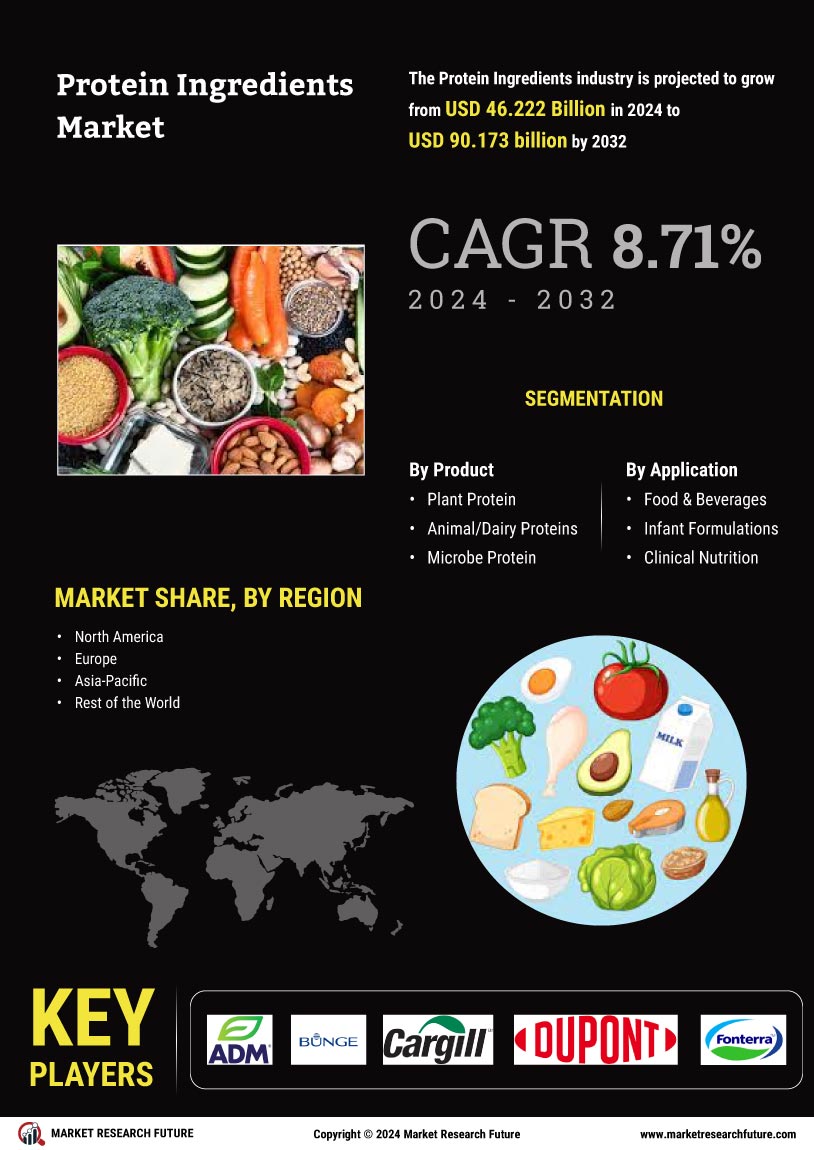
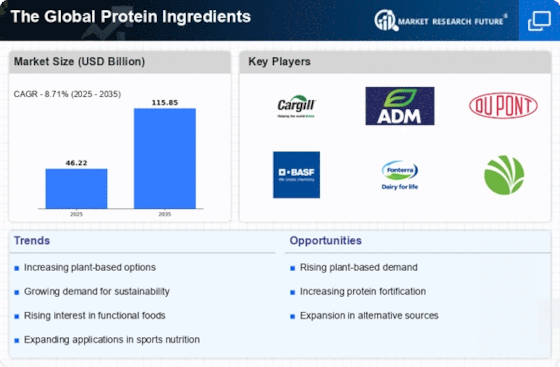
Protein ingredients are functional components, such as proteins, starches, fibres, and concentrates, that are usually used for their nutritive value in different food and beverage products. The global market for protein ingredients is growing at a substantial rate, due to the ever-increasing demand for low-fat, healthy food products and the increasing importance of ensuring adequate nutrition levels throughout life. The global protein ingredients market is expected to register a strong CAGR during the forecast period of 2023-2030. Factors such as the usage of fortifying supplements, the rise in health awareness, the rising demand for protein bars, and the nutritional value of protein have led to increased demand for protein ingredients. Additionally, shifting focus towards clean-label products and functional foods, to meet the heightened consumer expectations, has provided significant traction to the market growth.
Research Methodology
The research methodology employed includes both primary and secondary methodologies to gather, analyze and present the data regarding the Protein Ingredients Market. The primary research method involved direct interviews, detailed surveys, and systematic desk research with key industry experts. The data obtained from the primary research method formed the basis for the secondary research which was conducted to further improve the understanding of the Protein Ingredients Market. The secondary research process utilized data and information sources that are globally accessible, including trade and professional associations, company literature and financial reports, and online databases.
Primary Research
Primary research includes in-depth interviews with industry leaders, vendors, customers, and opinion leaders. The interviews covered a wide spectrum of topics, including trends, competition, investment, technology, policy, industry dynamics, industry outlook, segmentation, and growth opportunities. Furthermore, market dynamics such as drivers and restraints, key opportunities, and vendor landscape were also identified by conducting primary research methods.
Secondary Research
Secondary research focused on resources like company websites, industry whitepapers, annual/quarterly reports and investor presentations, News and Press Releases, analyst reports and industry databases. Through this process, a comprehensive market research study was created to gain a better understanding of the Protein Ingredients Market. Secondary data supplemented the primary research findings to calculate the overall market size and estimate the value of different market segments.
The key insights were derived by analyzing Porter’s five forces model and by studying the market dynamics. The information thus gathered was further cross-checked to ensure authenticity and accuracy. After gathering the pertinent information for the market, the data was analysed and used to compile this report.
In order to gain an in-depth understanding of the Protein Ingredients market, market research teams were in contact with market participants and other key stakeholders as part of the primary research process. The sectoral breakdown and key insights gathered during the research process have been included in the report, along with interviews with C-level executives from key market participants.
Analytical Tools and Model
Several analytical tools and models were employed to analyse the data collected through primary and secondary research. PESTEL (Political, Economic, Social, Technological, Environmental and Legal) analysis was also used to understand the impact of the macro and micro environmental factors on the Protein Ingredients Market. Porter’s five forces analysis was also used to determine the bargaining power of suppliers and buyers, the threat from substitutes and new entrants, and the overall competitive rivalry in the Protein Ingredients Market.
Data Triangulation
Data triangulation is a process of combining and comparing data obtained from different sources to improve the precision of the analysis. The data triangulation process was used for both primary and secondary data. The data gathered from the primary and secondary research was both quantitative and qualitative which was used to supplement the qualitative data triangulation process.
Market Size Estimation
The size of the Protein Ingredients Market was estimated by utilizing both top-down and bottom-up approaches. Top-down and bottom-up approaches were used to estimate the overall market size and its submarkets. Extensive secondary research allowed the report author to understand the industry trends, various applications and regional segments, and project the expected market size.
Conclusion
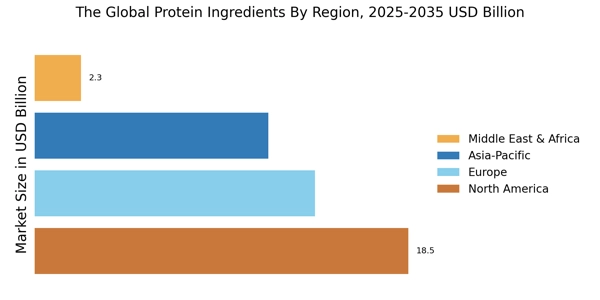
The research report offers an overview of the Protein Ingredients Market, focusing on the key market trends and developments. The report also covers the regional and global segments, as well as the size and dynamics of the market. It provides valuable insights into the different product categories, applications, end-users, and technological advancements. The report also provides an overview of the value chain, and the competitive landscape, in terms of vendors, industry associations, and end-users. The report also highlights the key investment opportunities in the Protein Ingredients market.