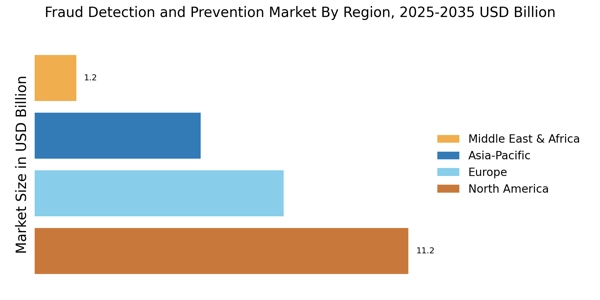
The Fraud Detection and Prevention Market is currently experiencing a transformative phase, driven by the increasing sophistication of fraudulent activities and the growing reliance on digital transactions. Organizations across various sectors are recognizing the necessity of implementing robust fraud detection mechanisms to safeguard their assets and maintain consumer trust. This market is characterized by a diverse array of solutions, including machine learning algorithms, artificial intelligence, and advanced analytics, which collectively enhance the ability to identify and mitigate fraudulent behavior. As technology evolves, the integration of these advanced tools into existing systems appears to be a critical factor in the ongoing battle against fraud. Moreover, regulatory pressures and the demand for compliance are compelling businesses to adopt comprehensive fraud prevention strategies. The rise of e-commerce and digital banking has further intensified the need for effective fraud detection solutions, as these platforms are often targeted by cybercriminals. Consequently, organizations are investing in innovative technologies that not only detect fraud but also predict potential threats. This proactive approach may lead to a more secure environment for consumers and businesses alike, fostering confidence in digital transactions and promoting growth within the Fraud Detection and Prevention Market.
Integration of Artificial Intelligence
The incorporation of artificial intelligence into fraud detection systems is becoming increasingly prevalent. AI technologies enable organizations to analyze vast amounts of data in real-time, identifying patterns and anomalies that may indicate fraudulent activities. This trend suggests a shift towards more automated and efficient fraud detection processes, allowing for quicker responses to potential threats.
Emphasis on Regulatory Compliance
As regulatory frameworks evolve, businesses are placing greater emphasis on compliance with anti-fraud regulations. This trend indicates that organizations are not only focused on detecting fraud but also on adhering to legal requirements. The need for compliance is driving investments in comprehensive fraud prevention strategies that align with regulatory standards.
Growth of Cloud-Based Solutions
The adoption of cloud-based fraud detection solutions is gaining momentum. These platforms offer scalability and flexibility, enabling organizations to enhance their fraud prevention capabilities without significant upfront investments. This trend highlights a shift towards more accessible and cost-effective solutions, making advanced fraud detection technologies available to a broader range of businesses.











 Noah Malgeri
Co-Founder

 Peter Groot koerkamp
Account and Business Manager

 Younghwan Choi
Senior Retail Manager

 Mark Irwin
Management Consultant

 Akif Moroglu
Strategy & Business Development Director

 Guilherme Gomes Martins
Product Management Director

 Joseph Aguayo
Sales Operations & Pricing Manager

 La Terria Dodd
Program Support Specialist

 Rob Kooiker
Group Product Manager HVAC & Fire Protection GMA



