Specialty Infusion Systems – A Smart & Reliable Medical Boon
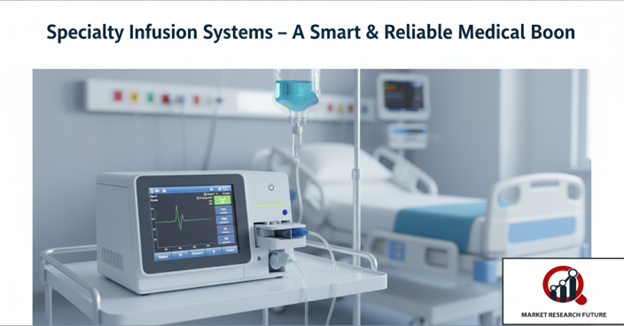
Specialty Infusion Systems Market Overview
In the modern healthcare ecosystem, infusion therapy has emerged as a critical medical advancement—particularly in situations where patients cannot consume oral medications. This method enables the direct administration of fluids, nutrients, and drugs into the bloodstream, ensuring precise and controlled delivery. Over the past decade, specialty infusion systems have revolutionized medical care by offering reliability, automation, and real-time monitoring for patients suffering from chronic illnesses, severe infections, or medication unresponsiveness.
From hospitals to home healthcare setups, the adoption of medical infusion pumps continues to rise, driven by growing demand for personalized treatment delivery, advanced monitoring capabilities, and reduced human error in clinical environments.
What Are Specialty Infusion Systems?
Specialty infusion systems refer to technologically advanced devices designed to infuse medications or fluids into a patient’s body in controlled quantities over a specific duration. These systems are instrumental in managing critical care conditions such as diabetes, cancer, chronic pain, and cardiovascular diseases.
Depending on the therapy type and patient requirement, infusion systems come in multiple variants, including:
- Insulin Pumps: Enable diabetic patients to self-administer precise doses of insulin throughout the day.
- Internal Infusion Pumps: Deliver nutrients or medications directly into body cavities or tissues for long-term management.
- Smart Infusion Pumps: Electronically operated systems integrated with advanced safety features such as dosage error alerts, data logging, and automated calibration.
Smart infusion systems, in particular, are revolutionizing modern healthcare by reducing medication errors, enhancing treatment safety, and ensuring consistent therapeutic outcomes.
Rising Adoption Across Healthcare Facilities
Globally, healthcare institutions are rapidly integrating infusion systems into their infrastructure due to their efficiency, accuracy, and ability to support critical care automation.
During the COVID-19 pandemic, the demand for infusion pumps surged dramatically. These systems allowed clinicians to deliver medication contactlessly, minimizing infection risks and reducing the burden on ICU staff. Their use became essential in managing severe cases requiring continuous sedation, nutrition, or drug infusions—solidifying their role as indispensable clinical tools.
Beyond hospitals, home infusion therapies are gaining popularity, especially among patients with chronic conditions. This transition is propelled by advancements in compact, user-friendly, and remotely monitored infusion devices.
Key Market Growth Drivers
- Growing Burden of Chronic Diseases
Rising incidences of diabetes, cancer, and cardiovascular disorders are fueling the need for long-term infusion therapy, creating consistent demand for infusion systems.
- Technological Advancements
The integration of AI, IoT, and automation is transforming infusion systems into smart medical devices capable of precision dosing, real-time monitoring, and data analytics.
- Increased Healthcare Investments
Hospitals and clinics are investing heavily in mission-critical medical devices to ensure efficient patient management, safety, and treatment consistency.
- Rising Home Care Preference
The growing preference for home-based infusion therapy—supported by remote monitoring and compact pump designs—is expanding the global market reach.
- Supportive Regulatory Initiatives
Agencies like the U.S. FDA have introduced initiatives such as the Infusion Pump Improvement Initiative to enhance device reliability, safety standards, and user training.
Challenges in the Infusion Systems Market
Despite remarkable progress, the infusion systems market faces several operational and technical challenges:
- Device Malfunction Risks: Software glitches, mechanical failures, or incorrect programming may lead to over- or under-infusion.
- Complex User Interface: Inadequate training can cause operational errors in dosage programming or alarm management.
- High Initial Costs: Advanced smart infusion systems demand higher capital investment and maintenance expenditure.
- False or Missed Alarms: Some systems may fail to trigger timely alerts or may activate unnecessary ones, disrupting workflow.
Addressing these challenges requires robust technological innovation, regulatory compliance, and comprehensive training programs for medical personnel.
Regional Insights
- North America: Dominates the global market owing to the high prevalence of chronic diseases, strong healthcare infrastructure, and early adoption of smart medical technologies.
- Europe: Witnessing significant growth due to stringent patient safety regulations, technological innovation, and the presence of leading manufacturers.
- Asia-Pacific: Expected to record the fastest growth, driven by rising healthcare investments, an expanding patient base, and increasing awareness about infusion therapy benefits.
- Latin America, Middle East & Africa: Emerging markets with growing healthcare modernization and improving access to advanced medical devices.
Future Outlook
The future of specialty infusion systems lies in precision medicine, automation, and digital integration. Next-generation pumps will feature AI-driven analytics, cloud connectivity, and real-time monitoring, ensuring higher safety and efficiency in drug delivery. Manufacturers are focusing on miniaturized, wireless, and patient-friendly designs to meet the growing trend of home-based care.
As healthcare systems worldwide shift toward personalized and data-driven treatment, infusion systems will play a pivotal role in redefining medical delivery standards and patient care experiences.
Conclusion
Specialty infusion systems represent a cornerstone of modern medical innovation—combining safety, precision, and intelligence in therapeutic delivery. Their role extends beyond hospitals into home healthcare and chronic disease management, offering life-improving convenience for millions of patients globally.
With continued technological evolution, increased healthcare investments, and strong regulatory support, the infusion systems market is set to experience sustained growth and innovation. These advancements mark a new era in healthcare, where smart and reliable infusion technology ensures better outcomes, safer procedures, and enhanced patient comfort.
Related Report


Leave a Comment