


Market Trends
Introduction
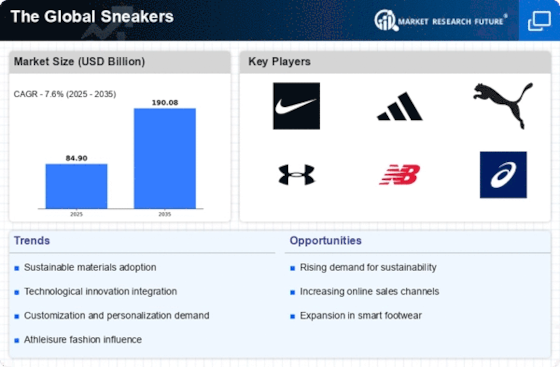
In 2024, the sneaker market is undergoing a major transformation. Technological developments, such as the integration of smart features and sustainable materials, are changing both the offer and the consumers' requirements. Moreover, the growing importance of the environment and the imposition of stricter regulations on the environment are bringing about a change in production methods and supply chains. In addition, the changing behavior of consumers, such as the increased demand for individualized and athleisure shoes, is influencing the design and marketing strategies. It is therefore important for the different actors to understand these trends in order to be able to navigate in this changing environment and seize the opportunities that are arising.
Top Trends
-
Sustainability and Eco-Friendly Materials
Brands such as Adidas are making a splash with their new shoes made from ocean plastic. A recent survey found that 66% of consumers are more likely to buy brands that are concerned about the environment. This trend is driving companies to invest in sustainable practices that build customer loyalty and reduce their carbon footprint. Future developments may include innovations in biodegradable materials and circular economy models. -
Technological Integration in Footwear
Smart shoes equipped with sensors for measuring performance and health are gaining in popularity. The Adapt BB, a self-lacing shoe by Nike, is an example of this trend. According to industry reports, the smart shoe market is expected to grow significantly, which will influence the design of conventional sneakers. The smart shoe market could lead to strategic alliances between sports brands and technology companies, thereby improving the end-user experience and expanding the market. -
Customization and Personalization
In recent years, the need for a personal product has been growing, and brands such as Nike have launched platforms like “Nike By You” to meet this need. According to research, 40% of consumers are willing to pay a higher price for products that are personally designed. Brands can build a deeper relationship with consumers and build customer loyalty. This can lead to higher profits. A further development will be the application of advanced personalization technology such as 3D printing. -
Athleisure Dominance
The athleisure trend continues to dominate, with sneakers becoming an everyday item. The emergence of a post-pandemic lifestyle has increased the popularity of this trend. Brands are responding to this change in demand by offering a wide range of products that combine style and performance. A future trend could be a collaboration with fashion designers to produce limited-edition athleisure lines. -
Health and Wellness Focus
Among the most important new trends in shoes is the growing interest in comfort and support, reflected in the new designs of the Hoka One One brand. According to research, comfort is the most important factor in the choice of a shoe for 70% of consumers. This trend is pushing shoe companies to develop new cushioning and support systems and to experiment with new forms. The next step will be to team up with health professionals to promote the use of shoes as part of a health programme. -
Diversity in Marketing and Representation
Brands are increasingly putting a focus on diversity, using a wider range of models and athletes. Research shows that this diversity can increase brand recognition and loyalty. This trend is leading companies to rethink their advertising strategies and, potentially, their products. In the future, they may also use a wider range of influencers to reach a wider audience. -
Rise of Direct-to-Consumer Sales
The direct-to-consumer model is reshaping the sneaker market, with brands like Puma strengthening their presence on the Internet. DTC sales are growing significantly, and consumers are building stronger relationships with brands. This trend is putting increasing pressure on companies to invest in e-commerce platforms and digital marketing strategies. This will have a positive impact on customer data, which will allow them to offer a more tailored service. -
Collaborations and Limited Editions
The increasing popularity of shoe companies’ collaborations with famous designers and celebrities, as with the Yeezy line of Kanye West and Adidas, has also led to a burgeoning market for these products. The limited editions of these sneakers are often sold out in no time, which shows the demand for them. This trend encourages companies to create a buzz and a sense of exclusivity, which in turn can lead to an increase in the secondary market. In the future, these companies may launch more frequent collaborations to keep consumers interested. -
Focus on Performance and Functionality
Performance-driven sneakers are gaining in popularity, especially among athletes and fitness enthusiasts. Asics and New Balance are focusing on performance-enhancing technology, and studies show that 60% of consumers are now prioritizing functionality over fashion. This trend has prompted the industry to invest in R&D, developing new materials and designs. The future could see the industry forming alliances with sports organizations to verify the performance claims of its products. -
Global Expansion into Emerging Markets
Brands of athletic shoes are now primarily directed toward the emerging markets, where demand for athletic shoes is growing. Such as Skechers, the company is expanding its presence in such regions as Asia and Africa, where the cities are developing. The data show that these markets offer a significant opportunity for growth. Localization of marketing strategies to respond to the needs of local consumers may be a new development in the future.
Conclusion: Navigating the Competitive Sneakers Landscape
In 2024, the shoe market is highly competitive and fragmented, with established brands and new entrants. The local trends favor innovation and a more sustainable approach, which is leading the large companies to improve their offerings, while the new entrants are able to respond more quickly and develop niche strategies. The ability to integrate advanced capabilities, such as AI for a bespoke customer experience, automation for efficient production and sustainable practices, will be key to market leadership. The companies that can adapt to changing preferences and have flexible production will be the ones that will emerge as the winners in this evolving landscape.

























Leave a Comment