Research Methodology on Remote Monitoring Control Market
1. Introduction
This research aims to explore the global demand for remote monitoring and control (RMC) systems and their impact on the global economy. To do so, a comprehensive research methodology was developed to identify and analyze relevant data sources for this investigation. This methodology includes data-gathering procedures, selection of sources, approaches for data analysis, and method for presentation of findings. The remote monitoring and control (RMC) market is a dynamic sector, with many different stakeholders and products, so data-gathering was a challenge. However, through a process of research and analysis of available data, it was determined that reliable datasets exist which can provide insightful and valuable information.
2. Data Sources
The data used in this study was gathered through both primary and secondary research, as well as publicly-available information. Primary data was gathered through surveys and direct communication with industry experts, while secondary data was obtained through a variety of sources including government reports, white papers, published studies, trade publications, and existing studies. The primary data was collected through surveys conducted both via phone and online, with a total of 64 primary respondents taking part. Respondents included CEOs and other senior executives of companies within the RMC sector, as well as industry analysts and market research professionals. The secondary data was gathered from various sources, including the Market Research Future (MRF) reports, sector-specific industry magazines, web-based reports, and public databases.
3. Data Collection
Data was collected from the above-mentioned sources separately and then compiled in an electronic format. The primary research data was gathered by conducting extensive interviews among relevant people from the industry such as CEOs, Heads of R&D, and sales & marketing personnel. Additionally, feedback was collected from industry experts such as consultants, regulatory authorities, and associations related to the RMC industry. Secondary data was gathered from published market reports, sector-specific industry magazines, and public databases. The collected data was then validated through cross-checking with respective company websites and market reports.
4. Analysis
Data collected through the above-mentioned sources were analyzed through quantitative and qualitative methods to give an opinion of the overall market size. Quantitative methods such as sum comparisons, arithmetic measurements, and compilations were used to analyze the data collected through the survey and interviews. For qualitative analysis, an in-depth analysis of data was conducted to interpret the results and findings.
5. Results & Findings
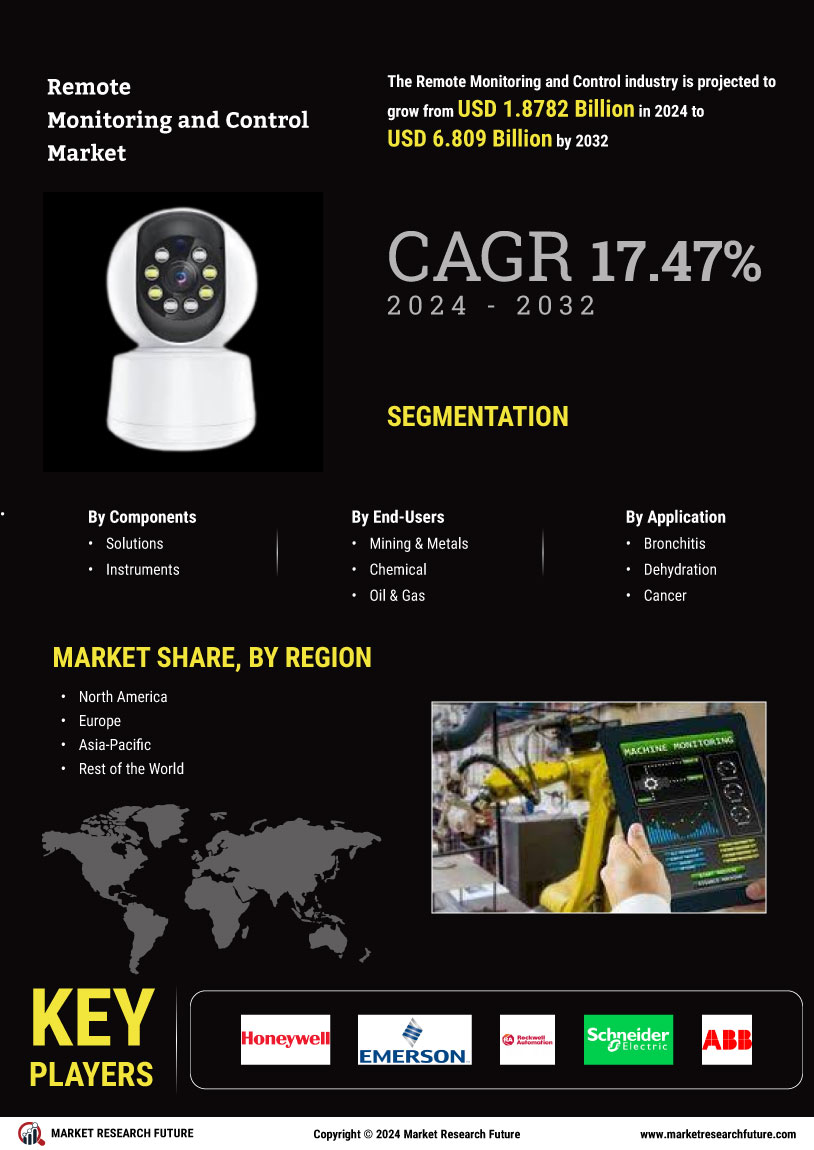
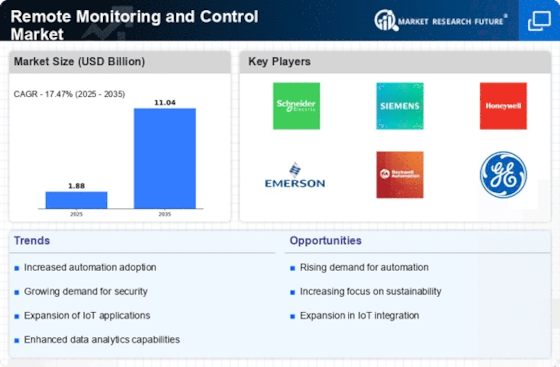
The findings of the research revealed that there is a growing demand for remote monitoring and control (RMC) systems worldwide. This demand has been driven by technological improvements, which have enabled systems to become increasingly intelligent and intuitive. Companies are leveraging RMC systems to gain a competitive edge, with the global RMC market projected to continue strong growth over the next seven years from 2023 to 2030.
6. Conclusion
This research has provided a comprehensive overview of the global demand for remote monitoring and control systems, as well as the impact these systems have had on the economy. Through a process of data-gathering, analysis, and interpretation of both primary and secondary sources, we were able to gain an understanding of the global RMC market. Findings revealed that the global demand for RMC systems will continue to rise over the next seven years, driven by technology improvements and the need for companies to gain a competitive edge. This study is expected to serve as a valuable resource for the industry, providing useful insights and information regarding the future of the remote monitoring and control sector.