Research Methodology on Heating Ventilation Air Conditioning Market
Introduction
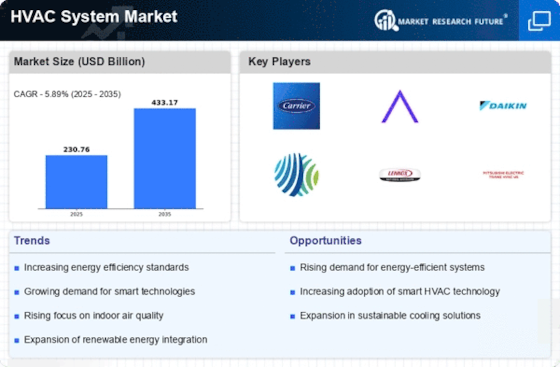
Heating, Ventilation and Air Conditioning (HVAC) systems are used in residential, commercial and industrial settings to provide heating, ventilation, and air conditioning to ensure a comfortable environment. It is a combination of heating and cooling systems that ventilate air, regulate indoor air temperature and humidity, circulate fresh air and purify the air. Along with comfort, HVAC systems are also important in maintaining indoor air quality and general health and safety. The global HVAC market is expected to show positive growth trends due to consistent development in technology and innovation.
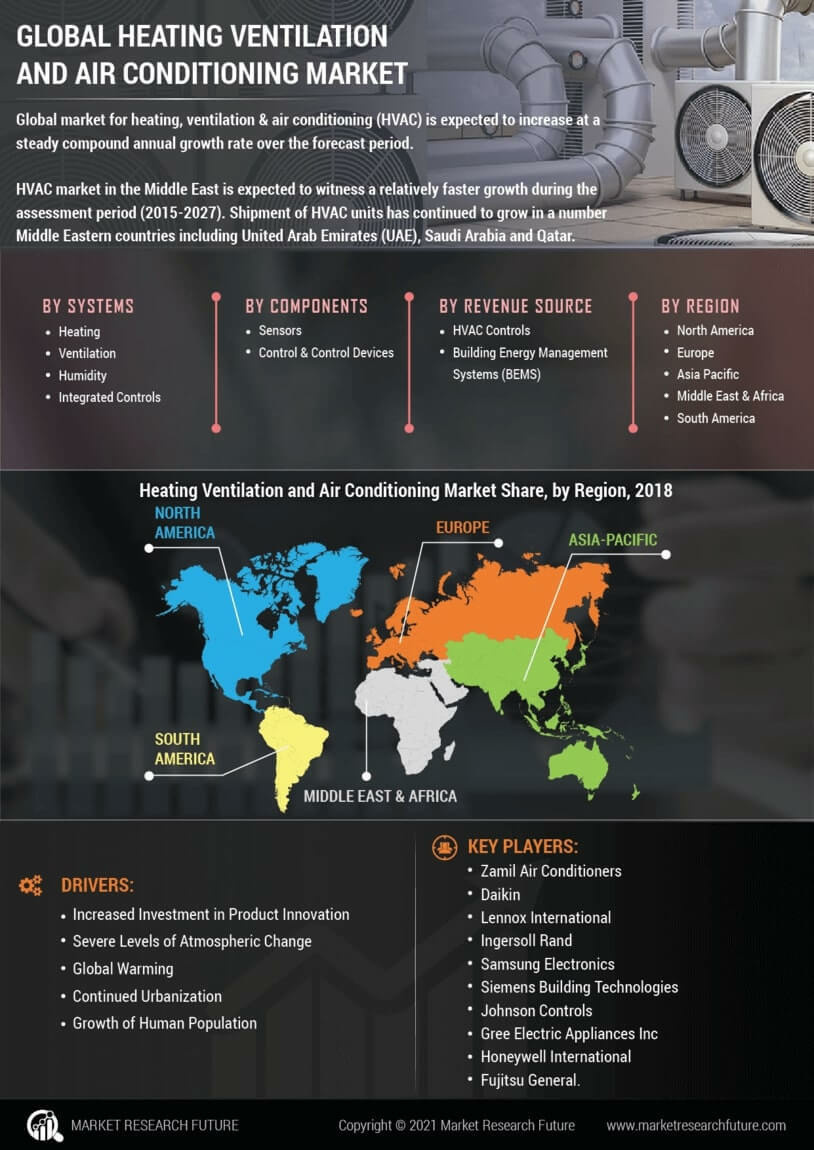
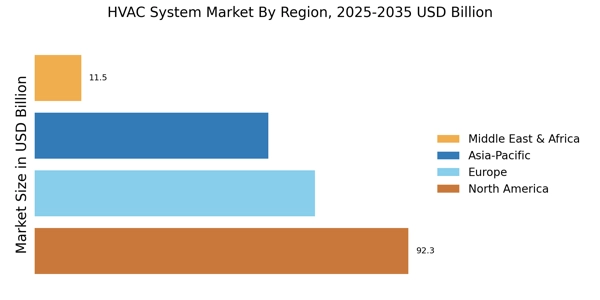
The research report on the Global Heating, Ventilation, and Air Conditioning market provides insight into the current and future prospects of the HVAC market. It focuses on factors driving or restraining the market and segments the market based on its applications, product types and geographies.
Research Methodology
This research report on Heating, Ventilation and Air Conditioning (HVAC) systems is developed using a cross-sectional research model which is designed to capture the level of data quality in the report. The research methodology used for this report comprises a mix of primary and secondary research, which includes interviews with key players in the market and industry stakeholders, literature reviews, and analyses of articles, press releases and market reports.
The research team at MRFR collected secondary data from statistical databases, company information, market research reports and industry interviews. Primary research is conducted by conducting interviews with key players in the HVAC systems market. To validate the secondary data collected, questionnaire-based interviews are conducted with industry stakeholders. In addition to this, informal surveys are conducted to gain further insights into the market. The findings from the surveys and interviews are used to compile the research report.
The research team utilized quantitative data analysis techniques such as descriptive analysis, correlation analysis and factor analysis to study the global HVAC systems market. The research team implemented statistical software to analyze the collected data. The research team also conducted an in-depth analysis of the geographic locations and the impact they might have on the market. Furthermore, the research team has used Porter’s Five Forces Model to analyze the competitive landscape of the market and to study the market across different segments.
The research team also undertook an in-depth study of the key drivers, restraints and trends in the global HVAC systems market. The team studied the current regulatory framework and policies related to the market and studied the impact of these policies on the market's growth. The research team also studied the influence of the macro and micro economic factors on the market. The team also conducted a qualitative and quantitative analysis of the market by region. The research team also examined the technological advancements in the market and studied the impact of these advancements on market growth. The research team conducted an assessment of the competitive landscape of the market and studied the financial strategies of the major players in the market.
The research methodology employed for this report is structured to provide an in-depth and comprehensive understanding of the global HVAC systems market. The research team used both primary and secondary data sources such as databases, newspapers, magazines and journals, government documents, trade association publications, and internal and external proprietary data sources. The research team incorporated data triangulation to ensure the accuracy of collected data and used quantitative and qualitative research methods such as SPSS and Factor Analysis to assess data collected from primary and secondary sources. Furthermore, the research team used qualitative research methodologies such as SWOT analysis and PESTEL analysis to gain a deeper understanding of the market.
Conclusion
The research methodology used for the Global Heating, Ventilation, and Air Conditioning market report is designed to capture the level of data quality in the report. The research team conducted a mix of primary and secondary research to gather accurate data on the market and to understand the current and future prospects of the HVAC market. The data is collected from reliable sources, and the research team employed quantitative and qualitative research methods to ensure that the data collected is representative and accurate, and to gain a deeper understanding of the market. The research team provided an in-depth and comprehensive view of the global HVAC systems market through a deep-dive analysis of the geographic segments and their dynamics.