

Request Free Sample ×

Kindly complete the form below to receive a free sample of this Report

* Please use a valid business email

Leading companies partner with us for data-driven Insights

clients tt-cursor
Hero Background
English
Chinese
French
Japanese
Korean
German
Spanish

Automotive Lubricants Market Share

ID: MRFR/CnM/0717-CR
120 Pages
Priya Nagrale
Last Updated: March 22, 2026

Automotive Lubricants Market Research Report By Base Oil (Mineral Oil, Synthetic Oil, Semi-synthetic Oil, Bio-Based Oil), By Product Type (Engine Oil, Gear Oil, Grease, Coolants / Antifreeze Fluids, Brake Fluids, Others), By Sales Channel (OEMs, Aftermarket), By End User (Passenger Cars, Light Commercial Vehicles, Heavy Commercial Vehicles, Two-Wheelers / Motorcycles, Battery Electric Vehicles, Others), By Region – Forecast to 2035

Share:
Download PDF ×

We do not share your information with anyone. However, we may send you emails based on your report interest from time to time. You may contact us at any time to opt-out.

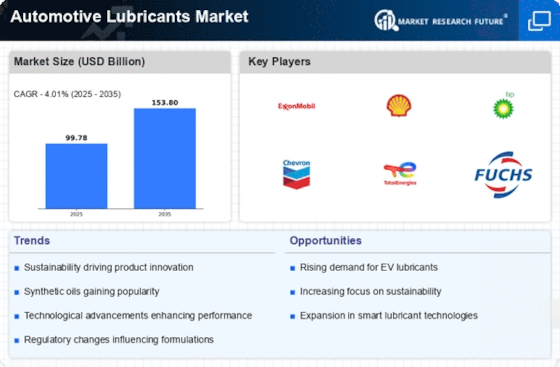
Automotive Lubricants Market Infographic
Purchase Options

Market Share

Automotive Lubricants Market Share Analysis

In the highly competitive Automotive Lubricants Market, companies employ various strategies to position themselves effectively and capture market share. One common approach is differentiation, where companies strive to distinguish their products from competitors through unique features or benefits. For instance, some companies may focus on developing lubricants specifically tailored to certain vehicle types or engine technologies, such as high-performance sports cars or electric vehicles. By catering to niche segments with specialized products, companies can carve out a loyal customer base and command premium pricing, thereby enhancing their market share.

Various factors drive the demand for automotive lubricants market all across the globe. Lubricants used in industrial operations help the company in saving cost as the lubricated machines produce less friction and hence require less fuel, and emit carbon dioxide in less amount.

Another key strategy is cost leadership, wherein companies aim to become the lowest-cost producer in the market. This often involves streamlining manufacturing processes, optimizing supply chain efficiencies, and negotiating favorable deals with suppliers. By offering competitively priced lubricants without compromising on quality, companies can attract price-sensitive customers and gain market share, especially in price-sensitive segments or regions where affordability is a significant factor influencing purchasing decisions.

Furthermore, innovation plays a crucial role in market share positioning within the Automotive Lubricants Market. Companies invest heavily in research and development to create cutting-edge formulations that deliver superior performance, durability, and environmental sustainability. By introducing innovative products that outperform conventional lubricants, companies can capture the attention of discerning customers and gain a competitive edge in the market. Additionally, innovation allows companies to stay ahead of regulatory requirements and address evolving consumer preferences, further solidifying their market share.

Moreover, effective branding and marketing strategies are essential for companies vying for market share in the Automotive Lubricants Market. Building a strong brand image and establishing brand equity can significantly influence consumers' purchasing decisions, especially in a market where trust and reliability are paramount. Companies invest in marketing campaigns that highlight the unique value propositions of their products, such as superior engine protection, fuel efficiency, or extended maintenance intervals. By effectively communicating these benefits to consumers through various channels, including digital media, advertising, and sponsorships, companies can enhance brand visibility and preference, ultimately leading to increased market share.

Furthermore, strategic partnerships and alliances can be instrumental in expanding market share within the Automotive Lubricants Market. Collaborating with automotive manufacturers, dealerships, and aftermarket service providers allows companies to gain access to a broader customer base and distribution network. By aligning with trusted industry players and leveraging their existing relationships, companies can accelerate market penetration and strengthen their competitive position. Strategic partnerships also provide opportunities for co-branding initiatives, joint product development, and cross-promotional activities, which can further enhance brand recognition and customer loyalty.

Lastly, geographical expansion and market diversification are vital components of market share positioning strategies in the Automotive Lubricants Market. Companies seek to capitalize on growth opportunities in emerging markets by expanding their presence and distribution channels. Additionally, diversifying product offerings to cater to different vehicle segments, applications, and industries reduces dependency on specific market segments and enhances resilience against market fluctuations. By adopting a balanced approach to geographical expansion and product diversification, companies can mitigate risks and optimize their market share across various regions and market segments, ensuring long-term sustainability and competitiveness in the Automotive Lubricants Market.

Author
Author Profile
Priya Nagrale
Senior Research Analyst

With an experience of over five years in market research industry (Chemicals & Materials domain), I gather and analyze market data from diverse sources to produce results, which are then presented back to a client. Also, provide recommendations based on the findings. As a Senior Research Analyst, I perform quality checks (QC) for market estimations, QC for reports, and handle queries and work extensively on client customizations. Also, handle the responsibilities of client proposals, report planning, report finalization, and execution

Leave a Comment

FAQs

What is the projected market valuation of the Automotive Lubricants Market by 2035?

<p>The Automotive Lubricants Market is projected to reach a valuation of 153.8 USD Billion by 2035.</p>

What was the market valuation of the Automotive Lubricants Market in 2024?

<p>In 2024, the Automotive Lubricants Market was valued at 99.78 USD Billion.</p>

What is the expected CAGR for the Automotive Lubricants Market during the forecast period 2025 - 2035?

<p>The expected CAGR for the Automotive Lubricants Market during the forecast period 2025 - 2035 is 4.01%.</p>

Which segment of automotive lubricants had the highest valuation in 2024?

<p>In 2024, the Engine Oil segment had the highest valuation, ranging from 45.0 to 70.0 USD Billion.</p>

What are the projected valuations for Fully Synthetic Oil by 2035?

<p>The projected valuation for Fully Synthetic Oil is expected to range from 30.0 to 50.0 USD Billion by 2035.</p>

Which key players dominate the Automotive Lubricants Market?

<p>Key players in the Automotive Lubricants Market include ExxonMobil, Shell, BP, Chevron, and TotalEnergies.</p>

What is the valuation range for Bio-Based Oil in 2024?

In 2024, the valuation range for Bio-Based Oil was between 9.78 and 13.8 USD Billion.

How does the valuation of Heavy-Weight Commercial Vehicles compare to Passenger Cars in 2024?

In 2024, the valuation for Heavy-Weight Commercial Vehicles ranged from 19.78 to 24.8 USD Billion, while Passenger Cars ranged from 40.0 to 60.0 USD Billion.

What is the projected valuation for Grease by 2035?

The projected valuation for Grease is expected to range from 8.0 to 12.0 USD Billion by 2035.

What is the valuation range for the Three Wheelers application segment in 2024?

In 2024, the valuation range for the Three Wheelers application segment was between 5.0 and 8.0 USD Billion.

Market Summary

As per Market Research Future analysis, the Automotive Lubricants Market Size was estimated at 73458.71 USD Million in 2024. The Automotive Lubricants industry is projected to grow from 76377.06 USD Million in 2025 to 132436.05 USD Million by 2035, exhibiting a compound annual growth rate (CAGR) of 5.7 % during the forecast period 2025 - 2035.

Key Market Trends & Highlights

The Automotive Lubricants Market is witnessing steady growth, supported by rising vehicle production, expanding automotive fleets, and increasing awareness of vehicle maintenance across both developed and emerging economies. Key trends shaping the market include:

  • Rising global vehicle parc and aftermarket demand continue to drive market growth, as engine oils, transmission fluids, and greases are essential for vehicle performance, fuel efficiency, and longevity. Growth in passenger vehicles, commercial vehicles, and two-wheelers is significantly boosting lubricant consumption. Shift toward high-performance and synthetic lubricants is accelerating market expansion. Automakers and consumers are increasingly adopting synthetic and semi-synthetic lubricants due to their superior thermal stability, longer drain intervals, and enhanced engine protection, especially in modern, high-efficiency engines. Electric vehicle (EV) adoption is reshaping lubricant demand patterns. While EVs reduce demand for traditional engine oils, they are creating new opportunities for specialized lubricants and fluids used in e-transmissions, thermal management systems, and bearings, supporting long-term market diversification. Volatility in crude oil prices and raw material costs remains a key restraint for the market. Fluctuating base oil prices and supply-chain disruptions can impact production costs, pricing strategies, and profit margins for lubricant manufacturers.

Market Size & Forecast

2024 Market Size 73458.71 (USD Million)
2035 Market Size 132436.05 (USD Million)
CAGR (2025 - 2035) 5.7 %

Major Players

Sinopec Lubricant (Singapore) Pte Ltd, China National Petroleum Corporation (CNPC), ExxonMobil, BP p.l.c., Shell plc, TotalEnergies, Chevron corporation, Valvoline, Gulf Oil International Ltd, Indian Oil Corporation Limited, McLarens Lubricants Limited (MLL), Ceylon Petroleum Corporation

Market Trends

The growing global emphasis on sustainable and environmentally responsible practices presents a strong market opportunity for the automotive lubricants industry by driving demand for bio-based, low-carbon, and non-toxic lubricant formulations that help OEMs and service channels meet tightening sustainability commitments and regulatory expectations. These bio-based lubricants, primarily formulated from renewable sources such as vegetable oils (e.g., rapeseed, sunflower, palm), synthetic esters, and polyglycols, exhibit superior biodegradability while offering low aquatic toxicity and reduced volatility. This shift aligns with global regulatory frameworks like the EU's REACH, OSPAR conventions for marine environments, and the U.S. EPA's Comprehensive Environmental Response, Compensation, and Liability Act (CERCLA), which prioritize low-toxicity fluids in sensitive applications such as hydraulic systems, two-stroke engines, and chainsaws. Bio-based options also comply with emerging "green procurement" policies in fleets and OEM specifications from manufacturers like Volvo and Caterpillar, who mandate biodegradable lubricants for off-road and marine equipment to mitigate spill risks.

Additionally, rising government incentives, corporate ESG mandates and consumer preference for green automotive care products are pushing lubricant blenders toward localized bio-lubricant capacity expansion along with co-development with automakers for OEM approvals and premium pricing opportunities, which ultimately enabling market growth through portfolio differentiation, stronger aftermarket loyalty and demand for environmentally aligned performance-driven automotive lubricant solutions.

Companies investing in sustainable lubricant formulations are achieving strong market differentiation by securing certifications such as USDA BioPreferred, EU Ecolabel, and VGP compliance, which support premium pricing, typically 20–50% higher than conventional lubricant grades while strengthening appeal among environmentally aware consumers, B2B buyers in sectors like construction and agriculture, and ESG-driven investors. For instance, major industry players, including Shell with its Naturelle product line and TotalEnergies are accelerating bio-based scaling by adopting co-processing approaches in refineries, enabling blends containing up to 50% renewable feedstocks without compromising critical performance attributes such as oxidation stability, low pour point or other core formulation benchmarks.

Moreover, performance parity has improved markedly, with advanced bio-based synthetics delivering comparable or better lubricity, thermal stability and extended drain intervals in passenger cars, heavy-duty trucks and industrial applications, supported by enzyme-derived additives and nano-enhancements. This addresses historical pain points like oxidative instability in vegetable bases, positioning them as viable for high-temperature engines and EV thermal management.

Ultimately, this trend not only future-proofs supply chains against carbon taxes and plastic bans but also enhances brand loyalty among environmental conscious consumers, who prioritize sustainability, while opening aftermarket opportunities in quick-lube chains and fleet maintenance programs emphasizing "green" credentials for total cost of ownership advantage.

Automotive Lubricants Market Market Drivers

Regulatory-Led Lubricant Innovation & Advanced Formulations

Stringent emission regulations and rapid advancements in lubricant technology together form a critical growth driver in the global automotive lubricants market, as regulatory pressure is compelling automakers to design fuel-efficient, low-emission engines that depend on next-generation synthetic and semi-synthetic lubricants optimized for friction reduction and thermal endurance.
 
For instance, Governments worldwide have introduced tighter standards such as Euro 6, BS-VI in India, and CAFE fuel-economy mandates in the US, pushing OEMs toward downsized, turbocharged, direct-injection, and electrified powertrains, all of which require specialized low-viscosity oils and advanced additive chemistries to minimize energy losses, manage higher operating temperatures, and protect precision engine components.
Continuous improvements in lubricant formulations, especially fully synthetic and semi-synthetic blends which are allowing OEMs and lubricant marketers to deliver much higher value per fill than conventional mineral oils. These advanced formulations are engineered with high-purity base stocks and sophisticated additive packages (detergents, dispersants, anti-oxidants, anti-wear agents, viscosity modifiers) that collectively deliver longer-lasting protection, better cleanliness, and more stable viscosity across a wider temperature range.
Superior wear protection which is achieved through optimized anti-wear chemistry and friction modifiers where it reduces metal-to-metal contact, lowering component wear and extending engine and drivetrain life. In commercial fleets, this translates into longer overhaul intervals and higher vehicle uptime whereas in passenger cars, it underpins smoother operation and resale value, reinforcing brand trust in both the lubricant and the service channel. As a result, workshops and distributors can command higher revenue per liter by positioning these products as performance and durability solutions rather than simple commodities.
Similarly, Stronger oxidation resistance and improved thermal stability allow lubricants to maintain viscosity and protective film strength under high-load, high-temperature conditions typical of turbocharged and downsized engines. By resisting sludge and varnish formation, these formulations keep engines cleaner, protect sensitive components such as turbochargers and timing systems, and help sustain fuel economy benefits over time. This performance differentiation supports premium pricing tiers and justifies upselling from conventional grades to synthetic or semi-synthetic SKUs.
Additionally, extended drain intervals mean that vehicles can operate for significantly more kilometers or months between oil changes while still meeting OEM warranty and performance specifications. This not only reduces downtime and maintenance costs for fleet operators and passenger car owners, but also strengthens loyalty to premium brands that can clearly demonstrate total cost of ownership savings. As workshops and dealers switch customers into these longer-drain synthetic products, the perceived value of the service increases, helping retain customers within authorized networks for a larger share of the vehicle’s life cycle.
Therefore, this convergence of regulation and formulation science is accelerating product premiumization, expanding high-margin segments, and reinforcing sustained market demand through continuous innovation aligned with the future of cleaner automotive technology.

The Increasing Production And Sales Of Vehicles Worldwide Drive The Demand For Lubricants

The Increasing production and global sales of vehicles is one of the most structural and quantifiable drivers of the automotive lubricants market, as it expands both OEM first-fill volumes at assembly lines and the long-term aftermarket demand from a growing in-use vehicle. Similarly, higher vehicle output raises lubricant consumption across engines, transmissions, axles, gear systems, greases, and specialty fluids, while rising sales increase total vehicle kilometers traveled (VKT), leading to faster mileage accumulation and more frequent oil-change cycles, particularly in passenger cars, commercial fleets, two-wheelers, and heavy-duty equipment used in logistics, mining, and construction. 
 
Furthermore, rise in vehicle ownership in emerging economies along with expanding highway networks, fleet modernization, and longer average vehicle lifespans are strengthening aftermarket demand, sustaining lubricant consumption well beyond OEM first-fill requirements. Additionally, higher vehicle density and better road connectivity drive greater annual mileage accumulation, increasing oil-change frequency and shortening replacement cycles, particularly across passenger vehicles, commercial fleets, and heavy-duty applications. 
Similarly, fleet upgrades and the adoption of newer engine and powertrain technologies are accelerating the shift toward premium synthetics, advanced greases, and application-specific specialty fluids, enriching the product mix and raising value-per-liter. All the above factors reinforce automotive lubricant market growth by driving higher in-use volumes, more frequent replacements, and increased demand for technologically aligned, high-performance, and higher-margin lubricant formulations.
Moreover, market value grows disproportionately as new vehicles accelerate the shift toward premium synthetic and semi-synthetic lubricants that meet stringent global fuel-efficiency and emission standards (API, ACEA, ILSAC, JASO, and OEM-specific approvals), driving premiumization and higher revenue per liter even when sump sizes optimize; electrified powertrain growth (EVs, hybrids) adds new lubricant demand for thermal management fluids, e-axle and reduction-gear oils, battery-cooling liquids, and low-conductivity, high-durability greases, creating incremental and high-margin product segments.

Market Segment Insights

By Material: Mineral Oil (Largest) vs. Fully Synthetic Oil (Fastest-Growing)

<p>In the Automotive Lubricants Market, the material segment showcases a varied distribution, with Mineral Oil leading as the largest segment. Mineral oil retains its dominance due to its widespread use in conventional engines, appealing to a broad audience of consumers and mechanics alike. Meanwhile, Fully Synthetic Oil is rapidly capturing market share, representing an evolution in automotive lubricants driven by advanced formulations and performance characteristics that cater to modern engine requirements. The growth trends in this segment are propelled by several factors. The automotive industry is experiencing a shift towards higher efficiency and performance standards, urging consumers to opt for synthetic and semi-synthetic variants. Additionally, rising environmental concerns have led to increased demand for Bio-Based Oils, promoting sustainability within the market as consumers become more aware of eco-friendly alternatives.</p>

<p>Mineral Oil (Dominant) vs. Bio-Based Oil (Emerging)</p>

<p>Mineral Oil remains the dominant player in the Automotive Lubricants Market due to its established presence and cost-effectiveness. It is favored for traditional internal combustion engines, where its properties facilitate efficient lubrication and engine performance. In contrast, Bio-Based Oil is emerging as a viable alternative, meeting the growing demand for environmentally sustainable products. Bio-Based Oils are derived from renewable sources, offering lower environmental impact and contributing to reducing carbon footprints. They are gaining traction especially among eco-conscious consumers and in markets where regulatory standards are tightening, highlighting the importance of sustainability in lubricant formulations.</p>

By Product Type: Engine Oil (Largest) vs. Grease (Fastest-Growing)

<p>The automotive lubricants market is diverse, with engine oil commanding the largest share among product types. Engine oil is crucial for the operation of vehicles, leading to its significant market presence. Other product types such as brake oil, gear oil, and grease also contribute to the overall market, but engine oil remains the cornerstone of this segment. Grease, while smaller in market share, is gaining traction and is expected to exhibit robust growth due to its increasing applications in various automotive components. The growth trends in the automotive lubricants market indicate a shift in consumer preference towards high-performance lubricants that ensure optimal vehicle efficiency. Factors driving this growth include technological advancements in formulation, increasing vehicle production, and growing awareness about the importance of lubrication for engine longevity. As vehicles become more sophisticated, the demand for specialized lubricants like grease is also on the rise, highlighting an evolution in market preferences that favors efficiency and performance enhancement.</p>

<p>Engine Oil (Dominant) vs. Brake Oil (Emerging)</p>

<p>Engine oil remains the dominant force in the automotive lubricants market, essential for reducing friction, cooling, and cleaning engine components. Its extensive use in various types of vehicles, from conventional cars to high-performance sports vehicles, solidifies its position. On the other hand, brake oil is emerging as an important product type, as advancements in braking technology necessitate high-quality fluids that can withstand varying temperatures. Although brake oil was traditionally viewed as secondary to engine oil, its growing recognition for enhancing vehicle safety and performance is paving the way for increased demand, particularly with the rise of electric and hybrid vehicles that require specialized lubricants.</p>

By Application: Passenger Cars (Largest) vs. Two Wheelers (Fastest-Growing)

<p>In the automotive lubricants market, the application segment showcases a dynamic landscape with Passenger Cars leading in market share. This segment is driven primarily by the increasing number of vehicles on roads and stringent regulations aimed at fuel efficiency and emissions reduction. Two Wheelers, on the other hand, represent an emerging force, fueled by the rising popularity of electric scooters and motorcycles in urban environments. Their growth has outpaced expectations due to changing consumer preferences and technological innovations. As the automotive industry evolves, the trends are evident. The robust demand for Passenger Cars is attributed to the growing urban population and disposable income, while Two Wheelers are quickly becoming the preferred choice for short-distance travel. The shift towards sustainable mobility solutions and improved vehicle performance technologies are significant drivers influencing both segments. Overall, these market dynamics are reshaping how lubricants are formulated and marketed in line with consumer expectations.</p>

<p>Passenger Cars (Dominant) vs. Heavy-Weight Commercial Vehicles (Emerging)</p>

<p>Passenger Cars are positioned as the dominant segment in the automotive lubricants market, catering to a vast consumer base that values performance and efficiency. This segment encompasses a wide range of engine types and lubrication systems, driving innovation in synthetic and semi-synthetic lubricants. The focus on high-performance lubricants that minimize wear and enhance fuel efficiency is critical in this space. Conversely, Heavy-Weight Commercial Vehicles are emerging as a significant segment as industries ramp up logistics and freight activities. The changing regulations around emissions and a push for more efficient operations are leading to innovations in formulations tailored specifically for heavy-duty applications. This segment may not match the volume of Passenger Cars, but it represents an increasing share of market attention with specialized products designed for longer service intervals and extreme operating conditions.</p>

By Base Oil: Mineral Oil (Largest) vs. Synthetic Oil (Fastest-Growing)

In the Automotive Lubricants Market, the base oil segment shows clear differentiation in adoption trends. Mineral oil holds the largest market share due to its cost-effectiveness, wide availability, and extensive use in conventional passenger vehicles and older vehicle fleets, particularly in emerging economies. It remains the preferred choice in price-sensitive markets and for standard engine performance requirements. In contrast, synthetic oil is the fastest-growing segment, driven by increasing demand for high-performance lubricants that offer superior thermal stability, longer drain intervals, better fuel efficiency, and enhanced engine protection. The rising penetration of modern engines, turbocharged vehicles, and electric vehicles (EVs) is accelerating the shift toward synthetic and semi-synthetic lubricants.

Get more detailed insights about Automotive Lubricants Market Research Report – Forecast till 2035

Regional Insights

North America: Mature Market with Stable Automotive Demand

North America is considered an old yet functional market for automotive lubricants which is mainly boosted by the presence of a large fleet consisting of passenger cars, light commercial vehicles, and heavy-duty trucks. The region's demand is solely supported by the strict environmental regulations like the EPA standards which not only restrict but also promote the use of high-quality, low-emission, and fuel-efficient lubricants. Synthetic and semi-synthetic engine oils, high-performance gear oils, greases, and specialty fluids have become very common. The presence of major original equipment manufacturers (OEMs), good disposal income levels, and robust aftermarket infrastructure are other factors that contribute to the unending consumption of lubricants. Moreover, the growing attention to vehicle maintenance, longer oil change intervals, and the acceptance of hybrid/electric vehicles are steadily influencing the market for specialized and eco-friendly lubricants in the area.

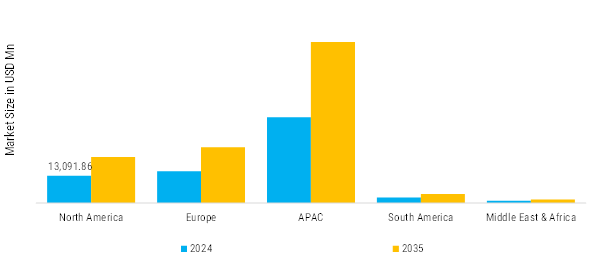
Automotive Lubricants Market Regional Insights

Europe: Balanced Market Driven by Stringent Emission & Performance Regulations

The premium and high-tech automotive lubricants have been setting the trends in Europe mainly due to the high regulatory requirements such as the Euro 6/7 emission controls and policies that are aimed at improving fuel economy. The demand stems from the use of lubricants in passenger cars, light commercial vehicles, heavy commercial vehicles, and the expanding electric vehicle fleet, which all need lubricants with excellent thermal stability, low viscosity, and extended service life. The market is mainly occupied by synthetic and semi-synthetic oils, while the bio-based and eco-friendly lubricants are slowly but steadily winning over the market. The well-established aftermarket channels, high acceptance of OEM-recommended products, and advanced automotive manufacturing in Europe are the factors that together promote continuous innovation and high-quality lubricant formulations.

Asia-Pacific: Largest & Fastest-Growing Region

The Asia-Pacific region has become the largest automotive lubricants market, and it is primarily due to the rapid increase in the vehicle population, urbanization in the area, and the rise in people's income. Demand for passenger cars, two-wheelers, light commercial vehicles, and heavy trucks is very large and it leads to the consumption of lubricants through Original Equipment Manufacturers (OEMs) and the aftermarket. The use of semi-synthetic and synthetic oils is increasing in the region, with India, China, and Southeast Asia being the main contributors. There, engine maintenance and fuel economy awareness are the main factors influencing lubricant selection. The growth of the logistics and e-commerce sectors has also contributed to the demand for commercial vehicle lubricants. Moreover, government programs that support electric mobility and eco-friendliness are facilitating the creation of bio-based and electric vehicle-specific lubricants in the region.

South America: Developing Market Supported by Expanding Vehicle Fleet

South America is an automotive lubricants market on the rise, with the main factors for growth being the increase in vehicle ownership, the modernization of transport fleets and, last but not least, the rising demand for maintenance services. The most significant part of the lubricant consumption goes to passenger cars, LCVs, and HCVs, which consume a variety of mineral, semi-synthetic, and synthetic products. The market is subject to the impact of the economy, government measures, and the regional trade regulations that determine the sales of both OEM and aftermarket. The increasing knowledge of engine performance, fuel efficiency, and vehicle durability is slowly changing the demand from lower-quality products to higher-quality synthetic and semi-synthetic lubricants.

Middle East & Africa: Emerging Market with Gradual Industrial & Automotive Growth

The MEA (Middle East & Africa) market is influenced by a mix of extreme weather, an increase in vehicle numbers, and the building of new infrastructure. There is a huge demand in the area for not only passenger cars but also LCVs (light commercial vehicles), HCVs (heavy commercial vehicles), and off-highway vehicles that all want lubricants to be able to stand the test of extreme heat, dust, and heavy use. In the case of high-performance and luxury vehicles, synthetic and semi-synthetic oils are being more and more used, whereas, in commercial and industrial applications, mineral oils are still very much prevalent. The market growth is bolstered by urbanization, fleet expansions, and the adoption of the latest automotive technologies, but on the other hand, economic instability and dependence on imports can alter the market situation.

Key Players and Competitive Insights

The Global Automotive Lubricants Market is characterized by a broad and competitive landscape driven by increasing vehicle parc, stringent engine performance and emission norms, and rising demand for high‑quality lubricants across passenger cars, commercial vehicles, two‑wheelers, and off‑highway equipment. Automotive lubricants — including engine oils, transmission fluids, gear oils, greases, and specialty fluids — are critical for improving engine efficiency, reducing wear, enhancing fuel economy, and meeting OEM warranty requirements. Growth in global automotive production, fleet electrification transition requiring hybrid/ICE fluid solutions, and increased aftermarket maintenance is sustaining demand. Urbanization, rising disposable incomes in emerging markets, expansion of logistics and freight sectors, and technological advancements in engines (e.g., turbocharging, downsizing) further support product adoption. Shifts toward sustainability and extended drain intervals are influencing lubricant formulations, driving innovation in synthetic and low‑viscosity base stocks. The competitive landscape features major multinational energy and chemical companies such as Sinopec, Shell plc, ExxonMobil, BP plc, Chevron, TotalEnergies, and Valvoline, as well as regionally significant players like PetroChina, Gulf Oil Lubricants, Indian Oil Corporation (IOC), McLarens Lubricants Limited (MLL), and Ceylon Petroleum Corporation (CPC). These organizations combine global distribution networks, OEM approvals, proprietary formulation technologies, and integrated production systems to serve original equipment manufacturers (OEMs), fleet operators, and aftermarket channels. Leading players emphasize product differentiation through advanced synthetic and performance‑grade formulations, tailored viscosity grades, and specialty lubricant solutions for high‑efficiency engines and hybrid powertrains. Strategic initiatives include expansion of regional blending hubs, localized production facilities, and long‑term supply agreements with automotive OEMs to ensure product availability and responsiveness to local market needs. Regional players particularly in Asia‑Pacific, the Middle East, Africa, and Latin America compete on cost, proximity to customers, and flexible pricing structures. Their ability to customize product portfolios to local regulatory requirements and customer preferences enables them to capture significant share in cost‑sensitive segments and emerging economies. A key competitive dynamic is the transition toward sustainable lubricants with lower environmental impact, improved energy efficiency, and compatibility with future mobility technologies. Investments in R&D, waste reduction, and environmentally responsible base stocks are increasingly critical differentiators. Overall, the global automotive lubricants market remains stable but competitive, balancing commoditized demand with innovation in performance and sustainability. Companies that successfully integrate upstream access to base oils, comprehensive global supply chains, consistent quality control, and close collaboration with OEMs and aftermarket channels are best positioned to lead in this evolving sector.

Key Companies in the Automotive Lubricants Market include

Industry Developments

In 2024, TotalEnergies Lubrifiants and Ford Trucks signed a five-year international agreement to strengthen their strategic partnership in Europe, under which TotalEnergies developed the Rubia Optima 4300 XFE 5W-20 engine oil for EURO 6–compliant Ford Trucks Ecotorq engines.

In 2023, Hindustan Petroleum Corporation Limited (HPCL) and Chevron Brands International LLC entered into a long-term agreement for the licensing, production, distribution, and marketing of Chevron’s Caltex-branded lubricant products, including Havoline and Delo, in India.

In 2025, Valvoline Cummins Private Limited (Valvoline Cummins), a manufacturer and marketer of automotive lubricants, has entered into a strategic collaboration with Mahindra & Mahindra Ltd. (Mahindra), a leading Indian automaker known for its SUVs and utility vehicles.

Future Outlook

Automotive Lubricants Market Future Outlook

The Automotive Lubricants Market is projected to grow at a CAGR of around 5.7% from 2025 to 2035, driven by the increasing production and sales of vehicles worldwide drive the demand for lubricants; Regulatory-Led Lubricant Innovation &amp; Advanced Formulations.

New opportunities lie in:

  • <p>Rising demand for high-performance and synthetic automotive lubricants, driven by stricter fuel-efficiency and emission regulations, as well as the growing adoption of advanced engine technologies. Low-viscosity oils, extended-drain lubricants, and fuel-economy-enhancing formulations are gaining strong traction across passenger and commercial vehicle segments. Rapid growth of electric vehicles (EVs) and hybrid vehicles, creating new demand for specialized lubricants and fluids used in e-transmissions, thermal management systems, bearings, and cooling applications. This shift is opening opportunities beyond traditional engine oils into next-generation mobility fluids. Increasing focus on sustainability and bio-based lubricants, supported by environmental regulations and rising consumer awareness. Investment in biodegradable, low-toxicity, and carbon-neutral lubricant formulations is enabling manufacturers to reduce environmental impact while meeting regulatory compliance.</p>

By 2035, the Automotive Lubricants Market is expected to evolve into a critical pillar of the global automotive and mobility ecosystem, supporting fuel-efficient internal combustion engines, electric and hybrid vehicle platforms, advanced powertrain systems, and sustainable transportation infrastructure across major regions worldwide.

Market Segmentation

Automotive Lubricants Base Oil Outlook

  • Mineral Oil
  • Synthetic Oil
  • Semi-synthetic Oil
  • Bio-Based Oil

Automotive Lubricants End User Outlook

  • Passenger Cars
  • Light Commercial Vehicles
  • Heavy Commercial Vehicles
  • Two-Wheelers Motorcycles
  • Battery Electric Vehicles
  • Others

Automotive Lubricants Product Type Outlook

  • Engine Oil
  • Gear Oil
  • Grease
  • Coolants / Antifreeze Fluids
  • Brake Fluids
  • Others

Automotive Lubricants Sales Channel Outlook

  • OEMs
  • Aftermarket

Report Scope

Market Size 2024 73458.71 (USD Million)
Market Size 2025 76377.06 (USD Million)
Market Size 2035 132436.05 (USD Million)
Compound Annual Growth Rate (CAGR) 5.7 % (2025 - 2035)
Report Coverage Revenue Forecast, Competitive Landscape, Growth Factors, and Trends
Base Year 2024
Market Forecast Period 2025 - 2035
Historical Data 2019 - 2023
Market Forecast Units USD Million
Key Companies Profiled Sinopec Lubricant (Singapore) Pte Ltd, China National Petroleum Corporation (CNPC), ExxonMobil, BP p.l.c., Shell plc, TotalEnergies, Chevron corporation, Valvoline, Gulf Oil International Ltd, Indian Oil Corporation Limited, McLarens Lubricants Limited (MLL), Ceylon Petroleum Corporation
Segments Covered By Base Oil, By Product Type, By Sales Channel, By End User
Key Market Opportunities Growing emphasis on sustainable practices creates opportunities for bio-based and environmentally friendly lubricants; Aftermarket Digitalization & Connected Lubricant Services.
Key Market Dynamics The increasing production and sales of vehicles worldwide drive the demand for lubricants; Regulatory-Led Lubricant Innovation & Advanced Formulations.
Countries Covered North America, Europe, APAC, South America, MEA

FAQs

What is the projected market valuation of the Automotive Lubricants Market by 2035?

<p>The Automotive Lubricants Market is projected to reach a valuation of 153.8 USD Billion by 2035.</p>

What was the market valuation of the Automotive Lubricants Market in 2024?

<p>In 2024, the Automotive Lubricants Market was valued at 99.78 USD Billion.</p>

What is the expected CAGR for the Automotive Lubricants Market during the forecast period 2025 - 2035?

<p>The expected CAGR for the Automotive Lubricants Market during the forecast period 2025 - 2035 is 4.01%.</p>

Which segment of automotive lubricants had the highest valuation in 2024?

<p>In 2024, the Engine Oil segment had the highest valuation, ranging from 45.0 to 70.0 USD Billion.</p>

What are the projected valuations for Fully Synthetic Oil by 2035?

<p>The projected valuation for Fully Synthetic Oil is expected to range from 30.0 to 50.0 USD Billion by 2035.</p>

Which key players dominate the Automotive Lubricants Market?

<p>Key players in the Automotive Lubricants Market include ExxonMobil, Shell, BP, Chevron, and TotalEnergies.</p>

What is the valuation range for Bio-Based Oil in 2024?

In 2024, the valuation range for Bio-Based Oil was between 9.78 and 13.8 USD Billion.

How does the valuation of Heavy-Weight Commercial Vehicles compare to Passenger Cars in 2024?

In 2024, the valuation for Heavy-Weight Commercial Vehicles ranged from 19.78 to 24.8 USD Billion, while Passenger Cars ranged from 40.0 to 60.0 USD Billion.

What is the projected valuation for Grease by 2035?

The projected valuation for Grease is expected to range from 8.0 to 12.0 USD Billion by 2035.

What is the valuation range for the Three Wheelers application segment in 2024?

In 2024, the valuation range for the Three Wheelers application segment was between 5.0 and 8.0 USD Billion.

  1. SECTION I: EXECUTIVE SUMMARY AND KEY HIGHLIGHTS
    1. | 1.1 EXECUTIVE SUMMARY
    2. | | 1.1.1 Market Overview
    3. | | 1.1.2 Key Findings
    4. | | 1.1.3 Market Segmentation
    5. | | 1.1.4 Competitive Landscape
    6. | | 1.1.5 Challenges and Opportunities
    7. | | 1.1.6 Future Outlook
  2. SECTION II: SCOPING, METHODOLOGY AND MARKET STRUCTURE
    1. | 2.1 MARKET INTRODUCTION
    2. | | 2.1.1 Definition
    3. | | 2.1.2 Scope of the study
    4. | | | 2.1.2.1 Research Objective
    5. | | | 2.1.2.2 Assumption
    6. | | | 2.1.2.3 Limitations
    7. | 2.2 RESEARCH METHODOLOGY
    8. | | 2.2.1 Overview
    9. | | 2.2.2 Data Mining
    10. | | 2.2.3 Secondary Research
    11. | | 2.2.4 Primary Research
    12. | | | 2.2.4.1 Primary Interviews and Information Gathering Process
    13. | | | 2.2.4.2 Breakdown of Primary Respondents
    14. | | 2.2.5 Forecasting Model
    15. | | 2.2.6 Market Size Estimation
    16. | | | 2.2.6.1 Bottom-Up Approach
    17. | | | 2.2.6.2 Top-Down Approach
    18. | | 2.2.7 Data Triangulation
    19. | | 2.2.8 Validation
  3. SECTION III: QUALITATIVE ANALYSIS
    1. | 3.1 MARKET DYNAMICS
    2. | | 3.1.1 Overview
    3. | | 3.1.2 Drivers
    4. | | 3.1.3 Restraints
    5. | | 3.1.4 Opportunities
    6. | 3.2 MARKET FACTOR ANALYSIS
    7. | | 3.2.1 Value chain Analysis
    8. | | 3.2.2 Porter's Five Forces Analysis
    9. | | | 3.2.2.1 Bargaining Power of Suppliers
    10. | | | 3.2.2.2 Bargaining Power of Buyers
    11. | | | 3.2.2.3 Threat of New Entrants
    12. | | | 3.2.2.4 Threat of Substitutes
    13. | | | 3.2.2.5 Intensity of Rivalry
    14. | | 3.2.3 COVID-19 Impact Analysis
    15. | | | 3.2.3.1 Market Impact Analysis
    16. | | | 3.2.3.2 Regional Impact
    17. | | | 3.2.3.3 Opportunity and Threat Analysis
  4. SECTION IV: QUANTITATIVE ANALYSIS
    1. | 4.1 Chemicals and Materials, BY Material (USD Billion)
    2. | | 4.1.1 Mineral Oil
    3. | | 4.1.2 Fully Synthetic Oil
    4. | | 4.1.3 Semi-Synthetic Oil
    5. | | 4.1.4 Bio-Based Oil
    6. | 4.2 Chemicals and Materials, BY Product Type (USD Billion)
    7. | | 4.2.1 Engine Oil
    8. | | 4.2.2 Brake Oil
    9. | | 4.2.3 Gear Oil
    10. | | 4.2.4 Grease
    11. | | 4.2.5 Other Fluids
    12. | 4.3 Chemicals and Materials, BY Application (USD Billion)
    13. | | 4.3.1 Two Wheelers
    14. | | 4.3.2 Three Wheelers
    15. | | 4.3.3 Passenger Cars
    16. | | 4.3.4 Light-Weight Commercial Vehicles
    17. | | 4.3.5 Heavy-Weight Commercial Vehicles
    18. | 4.4 Chemicals and Materials, BY Region (USD Billion)
    19. | | 4.4.1 North America
    20. | | | 4.4.1.1 US
    21. | | | 4.4.1.2 Canada
    22. | | 4.4.2 Europe
    23. | | | 4.4.2.1 Germany
    24. | | | 4.4.2.2 UK
    25. | | | 4.4.2.3 France
    26. | | | 4.4.2.4 Russia
    27. | | | 4.4.2.5 Italy
    28. | | | 4.4.2.6 Spain
    29. | | | 4.4.2.7 Rest of Europe
    30. | | 4.4.3 APAC
    31. | | | 4.4.3.1 China
    32. | | | 4.4.3.2 India
    33. | | | 4.4.3.3 Japan
    34. | | | 4.4.3.4 South Korea
    35. | | | 4.4.3.5 Malaysia
    36. | | | 4.4.3.6 Thailand
    37. | | | 4.4.3.7 Indonesia
    38. | | | 4.4.3.8 Rest of APAC
    39. | | 4.4.4 South America
    40. | | | 4.4.4.1 Brazil
    41. | | | 4.4.4.2 Mexico
    42. | | | 4.4.4.3 Argentina
    43. | | | 4.4.4.4 Rest of South America
    44. | | 4.4.5 MEA
    45. | | | 4.4.5.1 GCC Countries
    46. | | | 4.4.5.2 South Africa
    47. | | | 4.4.5.3 Rest of MEA
  5. SECTION V: COMPETITIVE ANALYSIS
    1. | 5.1 Competitive Landscape
    2. | | 5.1.1 Overview
    3. | | 5.1.2 Competitive Analysis
    4. | | 5.1.3 Market share Analysis
    5. | | 5.1.4 Major Growth Strategy in the Chemicals and Materials
    6. | | 5.1.5 Competitive Benchmarking
    7. | | 5.1.6 Leading Players in Terms of Number of Developments in the Chemicals and Materials
    8. | | 5.1.7 Key developments and growth strategies
    9. | | | 5.1.7.1 New Product Launch/Service Deployment
    10. | | | 5.1.7.2 Merger & Acquisitions
    11. | | | 5.1.7.3 Joint Ventures
    12. | | 5.1.8 Major Players Financial Matrix
    13. | | | 5.1.8.1 Sales and Operating Income
    14. | | | 5.1.8.2 Major Players R&D Expenditure. 2023
    15. | 5.2 Company Profiles
    16. | | 5.2.1 ExxonMobil (US)
    17. | | | 5.2.1.1 Financial Overview
    18. | | | 5.2.1.2 Products Offered
    19. | | | 5.2.1.3 Key Developments
    20. | | | 5.2.1.4 SWOT Analysis
    21. | | | 5.2.1.5 Key Strategies
    22. | | 5.2.2 Shell (GB)
    23. | | | 5.2.2.1 Financial Overview
    24. | | | 5.2.2.2 Products Offered
    25. | | | 5.2.2.3 Key Developments
    26. | | | 5.2.2.4 SWOT Analysis
    27. | | | 5.2.2.5 Key Strategies
    28. | | 5.2.3 BP (GB)
    29. | | | 5.2.3.1 Financial Overview
    30. | | | 5.2.3.2 Products Offered
    31. | | | 5.2.3.3 Key Developments
    32. | | | 5.2.3.4 SWOT Analysis
    33. | | | 5.2.3.5 Key Strategies
    34. | | 5.2.4 Chevron (US)
    35. | | | 5.2.4.1 Financial Overview
    36. | | | 5.2.4.2 Products Offered
    37. | | | 5.2.4.3 Key Developments
    38. | | | 5.2.4.4 SWOT Analysis
    39. | | | 5.2.4.5 Key Strategies
    40. | | 5.2.5 TotalEnergies (FR)
    41. | | | 5.2.5.1 Financial Overview
    42. | | | 5.2.5.2 Products Offered
    43. | | | 5.2.5.3 Key Developments
    44. | | | 5.2.5.4 SWOT Analysis
    45. | | | 5.2.5.5 Key Strategies
    46. | | 5.2.6 Fuchs Petrolub (DE)
    47. | | | 5.2.6.1 Financial Overview
    48. | | | 5.2.6.2 Products Offered
    49. | | | 5.2.6.3 Key Developments
    50. | | | 5.2.6.4 SWOT Analysis
    51. | | | 5.2.6.5 Key Strategies
    52. | | 5.2.7 Valvoline (US)
    53. | | | 5.2.7.1 Financial Overview
    54. | | | 5.2.7.2 Products Offered
    55. | | | 5.2.7.3 Key Developments
    56. | | | 5.2.7.4 SWOT Analysis
    57. | | | 5.2.7.5 Key Strategies
    58. | | 5.2.8 Castrol (GB)
    59. | | | 5.2.8.1 Financial Overview
    60. | | | 5.2.8.2 Products Offered
    61. | | | 5.2.8.3 Key Developments
    62. | | | 5.2.8.4 SWOT Analysis
    63. | | | 5.2.8.5 Key Strategies
    64. | | 5.2.9 Liqui Moly (DE)
    65. | | | 5.2.9.1 Financial Overview
    66. | | | 5.2.9.2 Products Offered
    67. | | | 5.2.9.3 Key Developments
    68. | | | 5.2.9.4 SWOT Analysis
    69. | | | 5.2.9.5 Key Strategies
    70. | | 5.2.10 Amsoil (US)
    71. | | | 5.2.10.1 Financial Overview
    72. | | | 5.2.10.2 Products Offered
    73. | | | 5.2.10.3 Key Developments
    74. | | | 5.2.10.4 SWOT Analysis
    75. | | | 5.2.10.5 Key Strategies
    76. | 5.3 Appendix
    77. | | 5.3.1 References
    78. | | 5.3.2 Related Reports
  6. LIST OF FIGURES
    1. | 6.1 MARKET SYNOPSIS
    2. | 6.2 NORTH AMERICA MARKET ANALYSIS
    3. | 6.3 US MARKET ANALYSIS BY MATERIAL
    4. | 6.4 US MARKET ANALYSIS BY PRODUCT TYPE
    5. | 6.5 US MARKET ANALYSIS BY APPLICATION
    6. | 6.6 CANADA MARKET ANALYSIS BY MATERIAL
    7. | 6.7 CANADA MARKET ANALYSIS BY PRODUCT TYPE
    8. | 6.8 CANADA MARKET ANALYSIS BY APPLICATION
    9. | 6.9 EUROPE MARKET ANALYSIS
    10. | 6.10 GERMANY MARKET ANALYSIS BY MATERIAL
    11. | 6.11 GERMANY MARKET ANALYSIS BY PRODUCT TYPE
    12. | 6.12 GERMANY MARKET ANALYSIS BY APPLICATION
    13. | 6.13 UK MARKET ANALYSIS BY MATERIAL
    14. | 6.14 UK MARKET ANALYSIS BY PRODUCT TYPE
    15. | 6.15 UK MARKET ANALYSIS BY APPLICATION
    16. | 6.16 FRANCE MARKET ANALYSIS BY MATERIAL
    17. | 6.17 FRANCE MARKET ANALYSIS BY PRODUCT TYPE
    18. | 6.18 FRANCE MARKET ANALYSIS BY APPLICATION
    19. | 6.19 RUSSIA MARKET ANALYSIS BY MATERIAL
    20. | 6.20 RUSSIA MARKET ANALYSIS BY PRODUCT TYPE
    21. | 6.21 RUSSIA MARKET ANALYSIS BY APPLICATION
    22. | 6.22 ITALY MARKET ANALYSIS BY MATERIAL
    23. | 6.23 ITALY MARKET ANALYSIS BY PRODUCT TYPE
    24. | 6.24 ITALY MARKET ANALYSIS BY APPLICATION
    25. | 6.25 SPAIN MARKET ANALYSIS BY MATERIAL
    26. | 6.26 SPAIN MARKET ANALYSIS BY PRODUCT TYPE
    27. | 6.27 SPAIN MARKET ANALYSIS BY APPLICATION
    28. | 6.28 REST OF EUROPE MARKET ANALYSIS BY MATERIAL
    29. | 6.29 REST OF EUROPE MARKET ANALYSIS BY PRODUCT TYPE
    30. | 6.30 REST OF EUROPE MARKET ANALYSIS BY APPLICATION
    31. | 6.31 APAC MARKET ANALYSIS
    32. | 6.32 CHINA MARKET ANALYSIS BY MATERIAL
    33. | 6.33 CHINA MARKET ANALYSIS BY PRODUCT TYPE
    34. | 6.34 CHINA MARKET ANALYSIS BY APPLICATION
    35. | 6.35 INDIA MARKET ANALYSIS BY MATERIAL
    36. | 6.36 INDIA MARKET ANALYSIS BY PRODUCT TYPE
    37. | 6.37 INDIA MARKET ANALYSIS BY APPLICATION
    38. | 6.38 JAPAN MARKET ANALYSIS BY MATERIAL
    39. | 6.39 JAPAN MARKET ANALYSIS BY PRODUCT TYPE
    40. | 6.40 JAPAN MARKET ANALYSIS BY APPLICATION
    41. | 6.41 SOUTH KOREA MARKET ANALYSIS BY MATERIAL
    42. | 6.42 SOUTH KOREA MARKET ANALYSIS BY PRODUCT TYPE
    43. | 6.43 SOUTH KOREA MARKET ANALYSIS BY APPLICATION
    44. | 6.44 MALAYSIA MARKET ANALYSIS BY MATERIAL
    45. | 6.45 MALAYSIA MARKET ANALYSIS BY PRODUCT TYPE
    46. | 6.46 MALAYSIA MARKET ANALYSIS BY APPLICATION
    47. | 6.47 THAILAND MARKET ANALYSIS BY MATERIAL
    48. | 6.48 THAILAND MARKET ANALYSIS BY PRODUCT TYPE
    49. | 6.49 THAILAND MARKET ANALYSIS BY APPLICATION
    50. | 6.50 INDONESIA MARKET ANALYSIS BY MATERIAL
    51. | 6.51 INDONESIA MARKET ANALYSIS BY PRODUCT TYPE
    52. | 6.52 INDONESIA MARKET ANALYSIS BY APPLICATION
    53. | 6.53 REST OF APAC MARKET ANALYSIS BY MATERIAL
    54. | 6.54 REST OF APAC MARKET ANALYSIS BY PRODUCT TYPE
    55. | 6.55 REST OF APAC MARKET ANALYSIS BY APPLICATION
    56. | 6.56 SOUTH AMERICA MARKET ANALYSIS
    57. | 6.57 BRAZIL MARKET ANALYSIS BY MATERIAL
    58. | 6.58 BRAZIL MARKET ANALYSIS BY PRODUCT TYPE
    59. | 6.59 BRAZIL MARKET ANALYSIS BY APPLICATION
    60. | 6.60 MEXICO MARKET ANALYSIS BY MATERIAL
    61. | 6.61 MEXICO MARKET ANALYSIS BY PRODUCT TYPE
    62. | 6.62 MEXICO MARKET ANALYSIS BY APPLICATION
    63. | 6.63 ARGENTINA MARKET ANALYSIS BY MATERIAL
    64. | 6.64 ARGENTINA MARKET ANALYSIS BY PRODUCT TYPE
    65. | 6.65 ARGENTINA MARKET ANALYSIS BY APPLICATION
    66. | 6.66 REST OF SOUTH AMERICA MARKET ANALYSIS BY MATERIAL
    67. | 6.67 REST OF SOUTH AMERICA MARKET ANALYSIS BY PRODUCT TYPE
    68. | 6.68 REST OF SOUTH AMERICA MARKET ANALYSIS BY APPLICATION
    69. | 6.69 MEA MARKET ANALYSIS
    70. | 6.70 GCC COUNTRIES MARKET ANALYSIS BY MATERIAL
    71. | 6.71 GCC COUNTRIES MARKET ANALYSIS BY PRODUCT TYPE
    72. | 6.72 GCC COUNTRIES MARKET ANALYSIS BY APPLICATION
    73. | 6.73 SOUTH AFRICA MARKET ANALYSIS BY MATERIAL
    74. | 6.74 SOUTH AFRICA MARKET ANALYSIS BY PRODUCT TYPE
    75. | 6.75 SOUTH AFRICA MARKET ANALYSIS BY APPLICATION
    76. | 6.76 REST OF MEA MARKET ANALYSIS BY MATERIAL
    77. | 6.77 REST OF MEA MARKET ANALYSIS BY PRODUCT TYPE
    78. | 6.78 REST OF MEA MARKET ANALYSIS BY APPLICATION
    79. | 6.79 KEY BUYING CRITERIA OF CHEMICALS AND MATERIALS
    80. | 6.80 RESEARCH PROCESS OF MRFR
    81. | 6.81 DRO ANALYSIS OF CHEMICALS AND MATERIALS
    82. | 6.82 DRIVERS IMPACT ANALYSIS: CHEMICALS AND MATERIALS
    83. | 6.83 RESTRAINTS IMPACT ANALYSIS: CHEMICALS AND MATERIALS
    84. | 6.84 SUPPLY / VALUE CHAIN: CHEMICALS AND MATERIALS
    85. | 6.85 CHEMICALS AND MATERIALS, BY MATERIAL, 2024 (% SHARE)
    86. | 6.86 CHEMICALS AND MATERIALS, BY MATERIAL, 2024 TO 2035 (USD Billion)
    87. | 6.87 CHEMICALS AND MATERIALS, BY PRODUCT TYPE, 2024 (% SHARE)
    88. | 6.88 CHEMICALS AND MATERIALS, BY PRODUCT TYPE, 2024 TO 2035 (USD Billion)
    89. | 6.89 CHEMICALS AND MATERIALS, BY APPLICATION, 2024 (% SHARE)
    90. | 6.90 CHEMICALS AND MATERIALS, BY APPLICATION, 2024 TO 2035 (USD Billion)
    91. | 6.91 BENCHMARKING OF MAJOR COMPETITORS
  7. LIST OF TABLES
    1. | 7.1 LIST OF ASSUMPTIONS
    2. | | 7.1.1
    3. | 7.2 North America MARKET SIZE ESTIMATES; FORECAST
    4. | | 7.2.1 BY MATERIAL, 2025-2035 (USD Billion)
    5. | | 7.2.2 BY PRODUCT TYPE, 2025-2035 (USD Billion)
    6. | | 7.2.3 BY APPLICATION, 2025-2035 (USD Billion)
    7. | 7.3 US MARKET SIZE ESTIMATES; FORECAST
    8. | | 7.3.1 BY MATERIAL, 2025-2035 (USD Billion)
    9. | | 7.3.2 BY PRODUCT TYPE, 2025-2035 (USD Billion)
    10. | | 7.3.3 BY APPLICATION, 2025-2035 (USD Billion)
    11. | 7.4 Canada MARKET SIZE ESTIMATES; FORECAST
    12. | | 7.4.1 BY MATERIAL, 2025-2035 (USD Billion)
    13. | | 7.4.2 BY PRODUCT TYPE, 2025-2035 (USD Billion)
    14. | | 7.4.3 BY APPLICATION, 2025-2035 (USD Billion)
    15. | 7.5 Europe MARKET SIZE ESTIMATES; FORECAST
    16. | | 7.5.1 BY MATERIAL, 2025-2035 (USD Billion)
    17. | | 7.5.2 BY PRODUCT TYPE, 2025-2035 (USD Billion)
    18. | | 7.5.3 BY APPLICATION, 2025-2035 (USD Billion)
    19. | 7.6 Germany MARKET SIZE ESTIMATES; FORECAST
    20. | | 7.6.1 BY MATERIAL, 2025-2035 (USD Billion)
    21. | | 7.6.2 BY PRODUCT TYPE, 2025-2035 (USD Billion)
    22. | | 7.6.3 BY APPLICATION, 2025-2035 (USD Billion)
    23. | 7.7 UK MARKET SIZE ESTIMATES; FORECAST
    24. | | 7.7.1 BY MATERIAL, 2025-2035 (USD Billion)
    25. | | 7.7.2 BY PRODUCT TYPE, 2025-2035 (USD Billion)
    26. | | 7.7.3 BY APPLICATION, 2025-2035 (USD Billion)
    27. | 7.8 France MARKET SIZE ESTIMATES; FORECAST
    28. | | 7.8.1 BY MATERIAL, 2025-2035 (USD Billion)
    29. | | 7.8.2 BY PRODUCT TYPE, 2025-2035 (USD Billion)
    30. | | 7.8.3 BY APPLICATION, 2025-2035 (USD Billion)
    31. | 7.9 Russia MARKET SIZE ESTIMATES; FORECAST
    32. | | 7.9.1 BY MATERIAL, 2025-2035 (USD Billion)
    33. | | 7.9.2 BY PRODUCT TYPE, 2025-2035 (USD Billion)
    34. | | 7.9.3 BY APPLICATION, 2025-2035 (USD Billion)
    35. | 7.10 Italy MARKET SIZE ESTIMATES; FORECAST
    36. | | 7.10.1 BY MATERIAL, 2025-2035 (USD Billion)
    37. | | 7.10.2 BY PRODUCT TYPE, 2025-2035 (USD Billion)
    38. | | 7.10.3 BY APPLICATION, 2025-2035 (USD Billion)
    39. | 7.11 Spain MARKET SIZE ESTIMATES; FORECAST
    40. | | 7.11.1 BY MATERIAL, 2025-2035 (USD Billion)
    41. | | 7.11.2 BY PRODUCT TYPE, 2025-2035 (USD Billion)
    42. | | 7.11.3 BY APPLICATION, 2025-2035 (USD Billion)
    43. | 7.12 Rest of Europe MARKET SIZE ESTIMATES; FORECAST
    44. | | 7.12.1 BY MATERIAL, 2025-2035 (USD Billion)
    45. | | 7.12.2 BY PRODUCT TYPE, 2025-2035 (USD Billion)
    46. | | 7.12.3 BY APPLICATION, 2025-2035 (USD Billion)
    47. | 7.13 APAC MARKET SIZE ESTIMATES; FORECAST
    48. | | 7.13.1 BY MATERIAL, 2025-2035 (USD Billion)
    49. | | 7.13.2 BY PRODUCT TYPE, 2025-2035 (USD Billion)
    50. | | 7.13.3 BY APPLICATION, 2025-2035 (USD Billion)
    51. | 7.14 China MARKET SIZE ESTIMATES; FORECAST
    52. | | 7.14.1 BY MATERIAL, 2025-2035 (USD Billion)
    53. | | 7.14.2 BY PRODUCT TYPE, 2025-2035 (USD Billion)
    54. | | 7.14.3 BY APPLICATION, 2025-2035 (USD Billion)
    55. | 7.15 India MARKET SIZE ESTIMATES; FORECAST
    56. | | 7.15.1 BY MATERIAL, 2025-2035 (USD Billion)
    57. | | 7.15.2 BY PRODUCT TYPE, 2025-2035 (USD Billion)
    58. | | 7.15.3 BY APPLICATION, 2025-2035 (USD Billion)
    59. | 7.16 Japan MARKET SIZE ESTIMATES; FORECAST
    60. | | 7.16.1 BY MATERIAL, 2025-2035 (USD Billion)
    61. | | 7.16.2 BY PRODUCT TYPE, 2025-2035 (USD Billion)
    62. | | 7.16.3 BY APPLICATION, 2025-2035 (USD Billion)
    63. | 7.17 South Korea MARKET SIZE ESTIMATES; FORECAST
    64. | | 7.17.1 BY MATERIAL, 2025-2035 (USD Billion)
    65. | | 7.17.2 BY PRODUCT TYPE, 2025-2035 (USD Billion)
    66. | | 7.17.3 BY APPLICATION, 2025-2035 (USD Billion)
    67. | 7.18 Malaysia MARKET SIZE ESTIMATES; FORECAST
    68. | | 7.18.1 BY MATERIAL, 2025-2035 (USD Billion)
    69. | | 7.18.2 BY PRODUCT TYPE, 2025-2035 (USD Billion)
    70. | | 7.18.3 BY APPLICATION, 2025-2035 (USD Billion)
    71. | 7.19 Thailand MARKET SIZE ESTIMATES; FORECAST
    72. | | 7.19.1 BY MATERIAL, 2025-2035 (USD Billion)
    73. | | 7.19.2 BY PRODUCT TYPE, 2025-2035 (USD Billion)
    74. | | 7.19.3 BY APPLICATION, 2025-2035 (USD Billion)
    75. | 7.20 Indonesia MARKET SIZE ESTIMATES; FORECAST
    76. | | 7.20.1 BY MATERIAL, 2025-2035 (USD Billion)
    77. | | 7.20.2 BY PRODUCT TYPE, 2025-2035 (USD Billion)
    78. | | 7.20.3 BY APPLICATION, 2025-2035 (USD Billion)
    79. | 7.21 Rest of APAC MARKET SIZE ESTIMATES; FORECAST
    80. | | 7.21.1 BY MATERIAL, 2025-2035 (USD Billion)
    81. | | 7.21.2 BY PRODUCT TYPE, 2025-2035 (USD Billion)
    82. | | 7.21.3 BY APPLICATION, 2025-2035 (USD Billion)
    83. | 7.22 South America MARKET SIZE ESTIMATES; FORECAST
    84. | | 7.22.1 BY MATERIAL, 2025-2035 (USD Billion)
    85. | | 7.22.2 BY PRODUCT TYPE, 2025-2035 (USD Billion)
    86. | | 7.22.3 BY APPLICATION, 2025-2035 (USD Billion)
    87. | 7.23 Brazil MARKET SIZE ESTIMATES; FORECAST
    88. | | 7.23.1 BY MATERIAL, 2025-2035 (USD Billion)
    89. | | 7.23.2 BY PRODUCT TYPE, 2025-2035 (USD Billion)
    90. | | 7.23.3 BY APPLICATION, 2025-2035 (USD Billion)
    91. | 7.24 Mexico MARKET SIZE ESTIMATES; FORECAST
    92. | | 7.24.1 BY MATERIAL, 2025-2035 (USD Billion)
    93. | | 7.24.2 BY PRODUCT TYPE, 2025-2035 (USD Billion)
    94. | | 7.24.3 BY APPLICATION, 2025-2035 (USD Billion)
    95. | 7.25 Argentina MARKET SIZE ESTIMATES; FORECAST
    96. | | 7.25.1 BY MATERIAL, 2025-2035 (USD Billion)
    97. | | 7.25.2 BY PRODUCT TYPE, 2025-2035 (USD Billion)
    98. | | 7.25.3 BY APPLICATION, 2025-2035 (USD Billion)
    99. | 7.26 Rest of South America MARKET SIZE ESTIMATES; FORECAST
    100. | | 7.26.1 BY MATERIAL, 2025-2035 (USD Billion)
    101. | | 7.26.2 BY PRODUCT TYPE, 2025-2035 (USD Billion)
    102. | | 7.26.3 BY APPLICATION, 2025-2035 (USD Billion)
    103. | 7.27 MEA MARKET SIZE ESTIMATES; FORECAST
    104. | | 7.27.1 BY MATERIAL, 2025-2035 (USD Billion)
    105. | | 7.27.2 BY PRODUCT TYPE, 2025-2035 (USD Billion)
    106. | | 7.27.3 BY APPLICATION, 2025-2035 (USD Billion)
    107. | 7.28 GCC Countries MARKET SIZE ESTIMATES; FORECAST
    108. | | 7.28.1 BY MATERIAL, 2025-2035 (USD Billion)
    109. | | 7.28.2 BY PRODUCT TYPE, 2025-2035 (USD Billion)
    110. | | 7.28.3 BY APPLICATION, 2025-2035 (USD Billion)
    111. | 7.29 South Africa MARKET SIZE ESTIMATES; FORECAST
    112. | | 7.29.1 BY MATERIAL, 2025-2035 (USD Billion)
    113. | | 7.29.2 BY PRODUCT TYPE, 2025-2035 (USD Billion)
    114. | | 7.29.3 BY APPLICATION, 2025-2035 (USD Billion)
    115. | 7.30 Rest of MEA MARKET SIZE ESTIMATES; FORECAST
    116. | | 7.30.1 BY MATERIAL, 2025-2035 (USD Billion)
    117. | | 7.30.2 BY PRODUCT TYPE, 2025-2035 (USD Billion)
    118. | | 7.30.3 BY APPLICATION, 2025-2035 (USD Billion)
    119. | 7.31 PRODUCT LAUNCH/PRODUCT DEVELOPMENT/APPROVAL
    120. | | 7.31.1
    121. | 7.32 ACQUISITION/PARTNERSHIP
    122. | | 7.32.1

Chemicals and Materials Market Segmentation

Chemicals and Materials By Material (USD Billion, 2025-2035)

  • Mineral Oil
  • Fully Synthetic Oil
  • Semi-Synthetic Oil
  • Bio-Based Oil

Chemicals and Materials By Product Type (USD Billion, 2025-2035)

  • Engine Oil
  • Brake Oil
  • Gear Oil
  • Grease
  • Other Fluids

Chemicals and Materials By Application (USD Billion, 2025-2035)

  • Two Wheelers
  • Three Wheelers
  • Passenger Cars
  • Light-Weight Commercial Vehicles
  • Heavy-Weight Commercial Vehicles
Infographic

Free Sample Request

Kindly complete the form below to receive a free sample of this Report

Get Free Sample

Customer Strories

Compare Licence

×
Features License Type
Single User Multiuser License Enterprise User
Price $4,950 $5,950 $7,250
Maximum User Access Limit 1 User Upto 10 Users Unrestricted Access Throughout the Organization
Free Customization
Direct Access to Analyst
Deliverable Format
Platform Access
Discount on Next Purchase 10% 15% 15%
Printable Versions















