自動シェーディングシステム市場 概要
主要な市場動向とハイライト
市場規模と予測
| CAGR (2025 - 2035) | 9.2% |
| CAGR (2025 - 2035) | 9.2% |
The Automated Shading System Market is currently experiencing a notable transformation driven by advancements in technology and increasing consumer awareness regarding energy efficiency. As more individuals and businesses seek to optimize their energy consumption, automated shading solutions are becoming increasingly appealing. These systems not only enhance comfort by regulating indoor temperatures but also contribute to significant energy savings. The integration of smart technologies, such as IoT and AI, is further propelling the market forward, allowing for more personalized and efficient shading solutions. Moreover, the growing emphasis on sustainable building practices is influencing the demand for automated shading systems. Architects and builders are increasingly incorporating these solutions into new constructions and renovations, recognizing their potential to improve energy performance and reduce carbon footprints. As the market evolves, it appears that consumer preferences are shifting towards products that offer both functionality and aesthetic appeal. This trend suggests a promising future for the Automated Shading System Market, as it aligns with broader environmental goals and the pursuit of smarter living spaces.
The incorporation of smart technologies into automated shading systems is a prominent trend. This integration allows for enhanced control and customization, enabling users to adjust shading based on real-time data such as sunlight intensity and indoor temperature. As smart home devices gain popularity, the demand for automated shading solutions that seamlessly connect with other systems is likely to increase.
A growing emphasis on energy efficiency is shaping the Automated Shading System Market. Consumers are becoming more aware of the environmental impact of their choices, leading to a preference for products that reduce energy consumption. Automated shading systems can significantly lower heating and cooling costs, making them an attractive option for eco-conscious buyers.
The trend towards aesthetically pleasing and functional designs in automated shading systems is becoming more pronounced. Consumers are seeking products that not only serve a practical purpose but also enhance the overall look of their spaces. This dual focus on design and functionality is likely to drive innovation and variety within the market.
スマートホーム技術の普及は、自動シェーディングシステム市場に大きな影響を与えています。IoTデバイスの増加に伴い、消費者は自動シェーディングシステムをスマートホームエコシステムに統合することが増えています。これらのシステムは、スマートフォンや音声アシスタントを通じてリモートで制御でき、利便性とユーザー体験を向上させます。市場データによると、スマートホーム市場は大幅な成長が見込まれており、自動シェーディングシステムは重要な要素となっています。消費者が自宅での技術のシームレスな統合を求める中で、自動シェーディングソリューションの需要は増加し、業界内での革新と競争を促進するでしょう。
屋内の快適さとその健康への影響に対する意識の高まりは、自動シェーディングシステム市場の重要な推進要因です。研究によると、自然光は気分や生産性を高める上で重要な役割を果たします。自動シェーディングシステムは、自然光の最適な管理を可能にし、より快適な屋内環境を作り出します。この傾向は、従業員の満足度と生産性が最も重要なオフィススペースにおいて特に関連性があります。組織が改善された屋内環境の利点を認識するにつれて、自動シェーディングシステムの採用が増加することが期待されています。この変化は、快適さを高めるだけでなく、職場デザインや従業員の健康促進に関するより広範なトレンドとも一致しています。
自動シェーディングシステム市場の主要な推進要因は、エネルギー効率の重要性の高まりです。エネルギーコストが上昇し続ける中、消費者や企業はエネルギー消費を削減できるソリューションを求めています。自動シェーディングシステムは自然光を制御する能力を提供し、人工照明への依存を最小限に抑え、暖房および冷房コストを削減します。最近のデータによると、自動シェーディングを備えた建物は最大30%のエネルギー節約を達成できます。この傾向は特に商業ビルにおいて顕著であり、エネルギー効率に関する規制が厳しくなっています。その結果、利害関係者が持続可能性とコスト効率を優先する中で、自動シェーディングシステムの需要は増加すると予想されています。
スマートビル技術への投資の急増は、自動シェーディングシステム市場の重要な推進要因です。都市化が加速する中、運用効率と居住者の快適性を向上させるインテリジェントなビルソリューションの需要が高まっています。投資家は、自動シェーディングシステムがより広範なスマートビルエコシステムの一部としての可能性をますます認識しています。市場分析によると、スマートビル技術への投資は大幅に成長する見込みであり、自動シェーディングシステムは重要な要素となっています。この資本の流入は、業界内での革新と開発を促進し、多様な消費者ニーズに応えるより高度で効率的なシェーディングソリューションの提供につながるでしょう。
持続可能な建築慣行を促進する規制枠組みが、自動シェーディングシステム市場をますます形成しています。政府や規制機関は、エネルギー効率の良い建物デザインを奨励する政策を実施しており、これには自動シェーディングソリューションが含まれることが多いです。これらの規制は、カーボンフットプリントを削減し、環境の持続可能性を促進することを目的としています。例えば、さまざまな地域で新しい建設においてエネルギー効率の良い技術を義務付ける建築基準が設けられています。その結果、建設業者や建築家は、これらの規制に準拠しつつ、環境意識の高い消費者にアピールするために、自動シェーディングシステムの需要が増加する可能性があります。この規制の支援は、今後数年間の市場成長を促進すると期待されています。
自動シェーディングシステム市場は、製品タイプの多様な分布を示しており、シェードがその多様性と美的魅力からリードしています。シェードに続いて、ブラインドは特に現代の住宅や商業スペースで重要な traction を示しています。カーテン、ドレープ、オーニング、パーゴラなどの他のセグメントも市場に貢献していますが、比較的シェアは小さいです。各製品タイプは特定の消費者の好みに応じており、市場のダイナミクスをさらに明確にしています。
シェード(支配的)対ブラインド(新興)
シェードは、自動シェーディングシステム市場において支配的な力を確立しており、機能とスタイルの両方を提供する能力が評価されています。さまざまなデザイン、素材、スマート機能を提供し、幅広い層にアピールしています。一方、ブラインドは急速に台頭しており、ミニマリスティックなデザインや家庭やオフィス環境における自動化のトレンドに後押しされています。ブラインドは、調整可能な光のコントロールとプライバシーが求められる環境で特に人気があります。技術が進化する中、両セグメントは革新を続けており、シェードはカスタマイズオプションでしばしばリードし、ブラインドは使いやすさを活かしています。
自動シェーディングシステム市場において、制御システムセグメントは多様性を示しており、モーター式システムが最大のシェアを占めています。このセグメントは、消費者が便利さを好むことから恩恵を受けており、ユーザーがシェードを簡単に操作できることから、市場での優位性を確固たるものにしています。一方、スマート/統合システムは急速に支持を集めており、特に自動化や他のスマートホームシステムとの統合を求める技術に精通した個人にアピールしています。この消費者の嗜好の二面性は、市場の動的な性質を強調しています。
制御システム:モーター駆動型(主流)対 スマート/統合型(新興)
モーター制御システムは現在、自動シェーディングシステム市場の主要なプレーヤーであり、利便性とユーザー体験の向上を提供しています。これらのシステムは通常、ユーザーフレンドリーであり、シンプルなスイッチ機構やリモコンを介して操作できる機能を備えているため、住宅および商業用途の両方に魅力的です。一方、スマート/統合システムは、スマートホームの成長により推進される新興セグメントを表しています。これらのシステムは、リモートアクセス、自動化スケジュール、スマートホームエコシステムとの互換性などの高度な機能を提供し、技術統合を重視する成長する人口層を惹きつけています。消費者のスマートシステムに対する認識と需要が高まるにつれて、統合ソリューションの市場は急速に拡大することが期待されています。
自動シェーディングシステム市場は、住宅用と商業用のアプリケーション間で顕著なセグメンテーションを目撃しています。住宅部門は、エネルギー効率、プライバシー、利便性を向上させるために、住宅所有者が自動シェーディングソリューションをますます採用しているため、最大の市場シェアを保持しています。この傾向は、エネルギー保存に関する意識の高まりと、自動システムが提供する快適さによって推進されています。
アプリケーション:住宅(主流)対商業(新興)
自動シェーディングシステム市場において、住宅部門は、室内気候を調整し、エネルギー効率を向上させる革新的な方法を求める住宅所有者によって強く推進されているため、主導的な力として際立っています。これらのシステムは、モーター式ブラインドからスマートシェードまで多岐にわたり、機能的であるだけでなく、現代的でスタイリッシュな生活空間を求める消費者の欲求にも応えています。それに対して、商業部門は急速に成長しており、オフィススペースや小売環境における持続可能性、エネルギー効率、そして自動化の必要性によって推進されています。企業は、エネルギーコストを削減し、建物の規制を満たし、居住者にとってより快適な環境を作り出すために、自動シェーディングシステムをますます採用しており、市場における重要な成長分野として位置付けられています。
自動シェーディングシステム市場では、市場シェアの分布が主に屋内セグメントに偏っており、これは主に住宅および商業ビルにおけるエネルギー効率の良いソリューションに対する需要の高まりによるものです。屋内自動シェーディングシステムは、快適さと利便性を提供しながらエネルギー節約を向上させる能力から広く採用されています。一方、屋外セグメントは現在は小さいものの、住宅所有者や企業が屋外スペースを向上させる屋外シェーディングシステムの利点を認識するにつれて、急速に成長しています。
用途:屋内(主流)対屋外(新興)
屋内の自動シェーディングシステムは、主に住宅および商業用途に利用される主要なセグメントを表しています。その人気の高まりは、スマートホーム技術やエネルギー節約を支持するトレンドに起因しています。一方、屋外の自動シェーディングシステムは、市場で重要な力として台頭しています。これらは、パティオやテラスなどの屋外環境での機能性に対する消費者の需要の高まりに応え、快適さだけでなく、天候からの保護も提供します。そのため、屋外システムは、耐候性オプションを含むように急速に革新しており、ますます魅力的になっています。
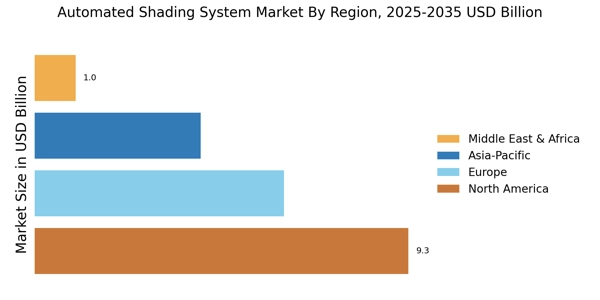
North America is the largest market for automated shading systems, holding approximately 45% of the global market share. The region's growth is driven by increasing demand for energy-efficient solutions and smart home technologies. Regulatory support for energy conservation and sustainability initiatives further catalyzes market expansion. The U.S. leads in adoption rates, followed by Canada, which is also witnessing a rise in smart building projects. The competitive landscape in North America is robust, featuring key players such as Lutron Electronics, Hunter Douglas, and MechoShade Systems. These companies are at the forefront of innovation, offering advanced automated shading solutions that integrate seamlessly with smart home systems. The presence of a well-established supply chain and strong consumer awareness about energy efficiency further enhances market dynamics.
Europe is witnessing significant growth in the automated shading system market, accounting for approximately 30% of the global share. The region's demand is driven by stringent energy efficiency regulations and a growing emphasis on sustainable building practices. Countries like Germany and France are leading the charge, supported by government initiatives aimed at reducing carbon footprints and enhancing energy conservation in residential and commercial buildings. Germany stands out as a key player in the market, with a strong presence of companies like Legrand and Griesser. The competitive landscape is characterized by innovation and collaboration among manufacturers, architects, and builders. The European market is also seeing an increase in smart home integration, further propelling the demand for automated shading solutions. "The European Union aims to reduce greenhouse gas emissions by at least 55% by 2030, which is driving the adoption of energy-efficient technologies across sectors."
Asia-Pacific is rapidly emerging as a significant market for automated shading systems, holding around 20% of the global market share. The region's growth is fueled by rapid urbanization, increasing disposable incomes, and a rising awareness of energy efficiency. Countries like China and India are at the forefront, with government initiatives promoting smart city projects and sustainable building practices, which are expected to further drive demand for automated shading solutions. China is the largest market in the region, with a growing number of local manufacturers entering the automated shading space. The competitive landscape is evolving, with both international and domestic players vying for market share. Companies like Suntuitive and QMotion are gaining traction, focusing on innovative products that cater to the unique needs of urban consumers. The increasing integration of smart technologies in homes is also contributing to the market's expansion.
The Middle East and Africa region is gradually recognizing the potential of automated shading systems, currently holding about 5% of the global market share. The growth is primarily driven by increasing investments in infrastructure and a rising demand for energy-efficient solutions in both residential and commercial sectors. Countries like the UAE and South Africa are leading the way, with government initiatives aimed at promoting sustainability and smart technologies. The competitive landscape is still developing, with a mix of local and international players entering the market. Companies are focusing on educating consumers about the benefits of automated shading systems, which is crucial for market penetration. As urbanization continues and smart city projects gain momentum, the demand for automated shading solutions is expected to rise significantly, paving the way for future growth.
The Automated Shading System Market is currently characterized by a dynamic competitive landscape, driven by technological advancements and a growing emphasis on energy efficiency. Key players such as Lutron Electronics Co Inc (US), Hunter Douglas Inc (US), and Legrand SA (FR) are at the forefront, each adopting distinct strategies to enhance their market positioning. Lutron Electronics Co Inc (US) focuses on innovation, particularly in smart home integration, which aligns with the increasing consumer demand for automated solutions. Meanwhile, Hunter Douglas Inc (US) emphasizes sustainability, leveraging eco-friendly materials in their products, which resonates with environmentally conscious consumers. Legrand SA (FR) is actively pursuing regional expansion, particularly in emerging markets, thereby broadening its customer base and enhancing its competitive edge. Collectively, these strategies contribute to a competitive environment that is increasingly shaped by technological innovation and sustainability initiatives.In terms of business tactics, companies are increasingly localizing manufacturing to reduce lead times and optimize supply chains. This approach not only enhances operational efficiency but also allows for greater responsiveness to local market demands. The market structure appears moderately fragmented, with several key players exerting influence while also facing competition from smaller, niche companies. The collective actions of these major players are likely to shape market dynamics, as they strive to differentiate themselves through unique value propositions.
In August Lutron Electronics Co Inc (US) announced the launch of a new line of energy-efficient automated shades designed for commercial buildings. This strategic move is significant as it not only reinforces Lutron's commitment to sustainability but also positions the company to capture a larger share of the commercial market, which is increasingly prioritizing energy efficiency. The introduction of these products is expected to enhance Lutron's competitive positioning against rivals.
In September Hunter Douglas Inc (US) unveiled a partnership with a leading smart home technology provider to integrate their shading systems with advanced home automation platforms. This collaboration is pivotal, as it allows Hunter Douglas to tap into the growing smart home market, thereby expanding its product offerings and enhancing customer engagement. Such strategic alliances are likely to bolster the company's market presence and drive future growth.
In October Legrand SA (FR) completed the acquisition of a regional player specializing in automated shading solutions. This acquisition is indicative of Legrand's strategy to strengthen its foothold in the automated shading market and diversify its product portfolio. By integrating the acquired company's technologies and expertise, Legrand aims to enhance its competitive advantage and respond more effectively to evolving customer needs.
As of October the competitive trends within the Automated Shading System Market are increasingly defined by digitalization, sustainability, and the integration of artificial intelligence. Companies are forming strategic alliances to leverage complementary strengths, thereby enhancing their market offerings. Looking ahead, it is anticipated that competitive differentiation will evolve, shifting from traditional price-based competition to a focus on innovation, technological advancements, and supply chain reliability. This transition underscores the importance of adaptability and forward-thinking strategies in maintaining a competitive edge in the market.
Q3 2026: Lutron Electronics Co Inc (US): Announced its CEDIA Expo 2026 showcase featuring Palladiom Drapery and expanded automated window treatment capabilities, strengthening its automated shading portfolio with new design-focused motorized solutions
The global Automated Shading System Market size was valued at USD 22.6 billion in 2023 and is projected to reach USD 40.7 billion by 2032, exhibiting a CAGR of 6.75% during the forecast period. The market growth is attributed to the rising demand for energy-efficient and smart home solutions, increasing construction activities, and growing awareness about the benefits of automated shading systems. Moreover, government initiatives and regulations promoting energy efficiency further drive market expansion. Recent news developments include the launch of innovative products with advanced features such as voice control, smartphone integration, and automated scheduling.
Key players are focusing on strategic partnerships and acquisitions to expand their market presence and enhance their product offerings. The Asia-Pacific region is expected to witness significant growth due to rapid urbanization, increasing disposable income, and government support for smart city initiatives.
自動シェーディングシステム市場は、2024年から2035年にかけて年平均成長率9.2%で成長すると予測されており、これはスマート技術の進展、エネルギー効率の要求、都市化の進展によって推進されます。
新しい機会は以下にあります:
2035年までに、市場は消費者の好みの変化や技術の進歩を反映して、 substantialな成長を遂げると予想されています。
| MARKET SIZE 2024 | 20.59(USD Billion) |
| MARKET SIZE 2025 | 22.48(USD Billion) |
| MARKET SIZE 2035 | 54.21(USD Billion) |
| COMPOUND ANNUAL GROWTH RATE (CAGR) | 9.2% (2025 - 2035) |
| REPORT COVERAGE | Revenue Forecast, Competitive Landscape, Growth Factors, and Trends |
| BASE YEAR | 2024 |
| Market Forecast Period | 2025 - 2035 |
| Historical Data | 2019 - 2024 |
| Market Forecast Units | USD Billion |
| Key Companies Profiled | Lutron Electronics Co Inc (US), Hunter Douglas Inc (US), Legrand SA (FR), Griesser AG (CH), Blicker (US), Suntuitive (US), QMotion (US), ShadeCraft (US), MechoShade Systems Inc (US) |
| Segments Covered | Product Type, Control System, Application, End Use, Regional |
| Key Market Opportunities | Integration of smart home technology enhances user experience in the Automated Shading System Market. |
| Key Market Dynamics | Rising demand for energy-efficient solutions drives innovation and competition in the automated shading system market. |
| Countries Covered | North America, Europe, APAC, South America, MEA |
 Aarti Dhapte
 Aarti Dhapte
このレポートの無料サンプルを受け取るには、以下のフォームにご記入ください


“This is really good guys. Excellent work on a tight deadline. I will continue to use you going forward and recommend you to others. Nice job”
 Noah Malgeri
Co-Founder

“Thanks for sending the report it gives us a good global view of the Betaïne market.”
 Peter Groot koerkamp
Account and Business Manager

“We found the report very insightful! we found your research firm very helpful. I'm sending this email to secure our future business.”
 Younghwan Choi
Senior Retail Manager

“I am very pleased with how market segments have been defined in a relevant way for my purposes (such as "Portable Freezers & refrigerators" and "last-mile"). In general the report is well structured. Thanks very much for your efforts.”
 Mark Irwin
Management Consultant

“We got the report in time, we really thank you for your support in this process. I also thank to all of your team as they did a great job.”
 Akif Moroglu
Strategy & Business Development Director

“The Automotive 48V ECU Components Procurement Intelligence Study” was a complex project, but the Market Research Future (MRFR) team handled it with quality, agility, and customer-centricity. They delivered all requested data on time and within the agreed scope. The team, including Shubhendra Anand and Rahul Gotadki, was always readily available to clarify questions and swiftly implement necessary adjustments, driving the project to a successful conclusion within a very demanding timeframe.
I would also like to specifically commend Akshay Agarwal for his responsiveness and support at every stage—from our initial inquiry on May 6th through to final delivery on June 18th. His dedication made the entire process seamless.”
 Guilherme Gomes Martins
Product Management Director

“Thanks. It’s been a pleasure working with you, please use me as reference with any other Intel employees.”
 Joseph Aguayo
Sales Operations & Pricing Manager

“Thank you, this will be very helpful for OQS.”
 La Terria Dodd
Program Support Specialist

“I have been reading the first document or the study, ,the Global HVAC and FP market report 2021 till 2026. Must say, good info! I have not gone in depth at all parts, but got a good indication of the data inside!”
 Rob Kooiker
Group Product Manager HVAC & Fire Protection GMA



