Shaping Spaces: Current Trends and Future Prospects of the Furniture Industry
Introduction to the Furniture Market
The furniture business has always been changing because of new designs, changes in how people live, and what customers want. But in the last few years, it has entered a whole new era. Technology, sustainability, and customer experience are changing how furniture is made, sold, and used.
The industry is changing quickly as we move into 2025. Businesses need to rethink their strategies because digital platforms are growing, eco-friendly design is becoming more popular, and global trends in living and working spaces are having an effect. It's not enough to just make chairs, tables, or beds anymore. The market is about providing a complete experience that balances comfort, function, and style.
As competition grows, both old and new brands are trying out new ways to stand out. Businesses that focus on sustainability, digital engagement, and personalization are finding new ways to get people's attention. So, the furniture industry is at an exciting crossroads, with a lot of opportunities for people who are willing to change.
Thoughts on the Furniture Business
The furniture market is big and varied, with everything from traditional hand-made pieces to modern designs that use technology. It falls into two main groups:
Residential Furniture: Items made for homes, such as sofas, beds, tables, storage solutions, and outdoor furniture. Consumer preferences in this area change a lot with new trends in housing, interior design, and lifestyle.
Commercial furniture is furniture that is made for offices, hotels, restaurants, stores, and other public places. The rise of the hybrid work model and other changes in workplace culture have led to a huge increase in the need for flexible and comfortable office furniture.
There is also a lot of competition in the industry. Big companies like IKEA and Ashley still rule the market with their big stores, but small stores and independent artists are bringing new and unique products to the market. Online platforms and direct-to-consumer models have changed the way businesses compete even more. Now, smaller companies can reach more people without having to rely on traditional brick-and-mortar networks.
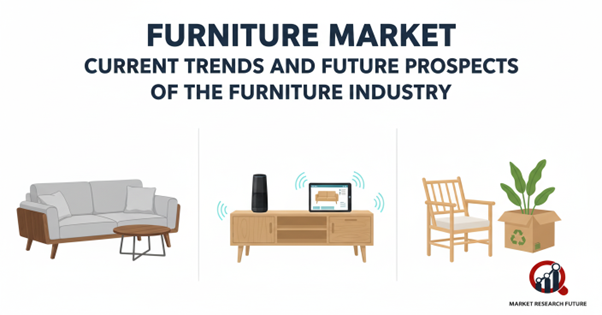
Another defining feature of the industry is new ideas in design and materials. Furniture makers are combining traditional craftsmanship with modern technology. They are trying out modular designs, furniture that can do more than one thing, and smart features that fit with connected lifestyles. This constant change keeps the industry alive and well and able to meet the needs of customers.
Things that are making the furniture market grow
There are many factors that are connected, causing the furniture industry to keep growing and changing.
1. Changes in what people want: The market is driven by one thing more than anything else: consumer demand. As people's lives change, so do their tastes in furniture. People today want things that look good and work well, are flexible, and last a long time. As living spaces in cities get smaller, multi-purpose furniture like foldable desks, sofas with built-in storage, and modular shelving has become more and more popular. At the same time, social media and online design inspiration are making people more interested in how their homes look, which is making them buy furniture that fits their style.
2. The effect of sustainability: Sustainability was once a niche issue, but now it is a mainstream need. People are more aware of the environment and want furniture made from responsibly sourced wood, recycled materials, or new eco-friendly options. In addition to the materials themselves, being open about how things are made and having sustainable supply chains are now important factors in buying decisions. Brands that put eco-friendly practices first are gaining trust and loyalty, while those that don't risk becoming less important.
3. New Technologies: Technology is changing how furniture is made and how people buy it. Companies can make furniture faster and better with the help of advanced manufacturing methods like automation and digital fabrication. Digital platforms have changed the way people buy things. For example, augmented reality (AR) tools now let customers see how a piece will look in their home before they buy it. E-commerce platforms make sure that transactions go smoothly and that items are delivered to the door.
4. Trends in Interior Design: Furniture demand is greatly affected by trends in interior design. Minimalist looks, big statement pieces, and biophilic designs that use natural elements are some of the most popular styles that affect what people buy today. Also, because hybrid work is becoming more common, there is a high demand for ergonomic office chairs, standing desks, and other designs that promote health. This shows that people need healthier and more flexible places to live and work.
5. Globalization and the Sharing of Cultures: The fact that design ideas can now cross borders has made the industry even more lively. Scandinavian minimalism, Japanese simplicity, Mediterranean vibrancy, and African artisanal craftsmanship are just a few of the global styles that have influenced local markets. This exchange between cultures has not only led to a wider range of products, but it has also pushed manufacturers to try out design fusion.
In conclusion
In 2025, the furniture market will be more than just a place to buy and sell things; it will be a system that includes design, innovation, technology, and sustainability. To be successful, businesses need to be able to adapt their plans to meet the changing needs of their customers. The market has a lot to offer consumers, with options for every taste, need, and budget.
Digital transformation and sustainability are the two most important things that will shape the future of the industry. Brands that use digital platforms and eco-friendly practices will not only stay competitive, but they will also set the standard for the market. At the same time, the focus on the customer experience means that functionality and looks will always be important in product development.
The furniture industry is likely to stay lively, flexible, and full of chances as trends change. The future of furniture promises new ideas without losing sight of its main purpose: to make spaces that are comfortable, useful, and very personal. This could be a simple wooden chair made by a local craftsman or a smart, multifunctional sofa made for a modern apartment.