How Sustainable Manufacturing Trends are taking over Global Calculators Industry
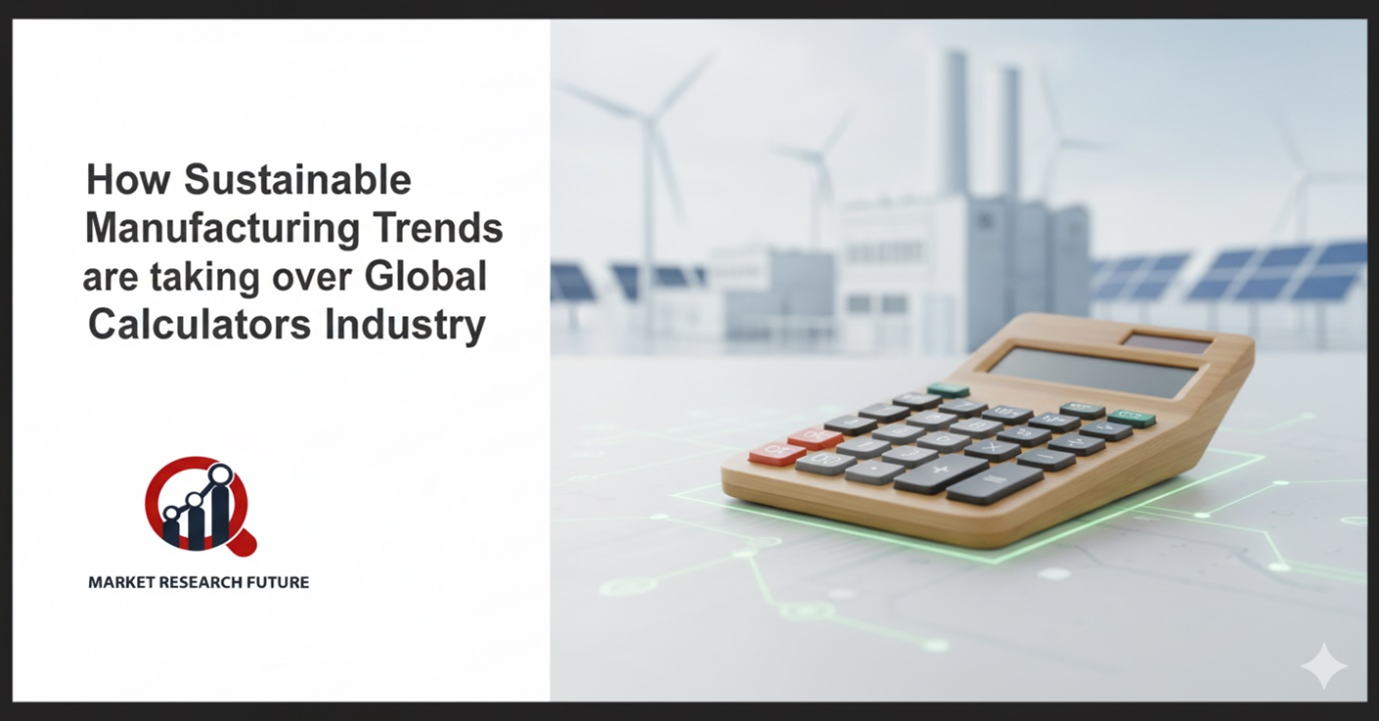
The global calculators industry, long associated with classrooms, offices, and laboratories, is undergoing significant transformation. As environmental sustainability becomes a central focus across manufacturing sectors, calculator producers are rethinking how their products are designed, sourced, and assembled. From the materials used in casings to the energy sources powering production facilities, sustainability is now shaping the next generation of calculators. This evolution reflects a broader shift toward responsible manufacturing practices that balance performance, affordability, and environmental stewardship.
The Growing Push Toward Eco-Friendly Design
One of the most noticeable changes in the calculator industry lies in the move toward eco-friendly product design. Manufacturers are increasingly adopting recyclable and biodegradable materials in calculator casings and components. Instead of relying solely on virgin plastics, many companies are turning to post-consumer recycled materials, thereby reducing waste and carbon emissions.
Solar-powered calculators, once considered a niche innovation, have now become a standard product category. By minimizing the reliance on disposable batteries, these calculators significantly reduce electronic waste and extend product lifespan. For educational institutions and corporate users, this shift not only lowers operating costs but also supports sustainability goals aligned with green procurement policies.
Sustainable Manufacturing Processes
Many production facilities are now powered by solar or wind energy, significantly cutting greenhouse gas emissions. Additionally, water recycling systems and waste management programs are being integrated into manufacturing plants to minimize environmental impact. The adoption of lean manufacturing principles—aimed at reducing material waste and improving operational efficiency—is becoming a standard practice across major production hubs in Asia, Europe, and North America.
Suppliers are also being held to higher sustainability standards. Manufacturers are partnering with environmentally responsible vendors to source raw materials ethically and ensure compliance with international environmental regulations. This growing emphasis on supply chain transparency is reshaping how calculator companies assess and report their sustainability performance.
The Role of Digitalization and Smart Manufacturing
Digital transformation is another key factor driving sustainability in the calculators industry. The integration of smart manufacturing technologies—such as automation, AI-based monitoring, and digital twins—is helping companies streamline production and reduce resource wastage.
Through real-time data analytics, manufacturers can monitor energy consumption, optimize equipment use, and predict maintenance needs, ensuring smoother operations and minimal downtime. Automation also allows for greater precision in production, reducing defective output and material waste. These technologies not only lower manufacturing costs but also contribute to the broader goal of sustainable resource management.
Responding to Consumer and Institutional Demand
Sustainability has become a key purchasing criterion for both consumers and organizations. Educational institutions, in particular, are prioritizing eco-friendly supplies as part of their sustainability initiatives. As a result, calculator manufacturers are highlighting green credentials—such as recyclable materials, solar power, and energy-efficient production methods—in their marketing and branding strategies.
Corporate buyers are also aligning with environmental, social, and governance (ESG) frameworks, making sustainably produced calculators more appealing for large-scale procurement. This shift in consumer awareness is driving competition among brands to differentiate themselves through measurable sustainability achievements.
Future Outlook: Balancing Innovation and Responsibility
Looking ahead, the global calculators industry is expected to deepen its commitment to sustainability through continuous innovation. Manufacturers are exploring advanced materials such as bio-based plastics and integrating digital features that support longevity and upgradeability, reducing the need for frequent replacements.
Furthermore, end-of-life recycling programs are likely to expand, enabling users to return old calculators for responsible disposal or refurbishment. Partnerships between manufacturers, governments, and educational institutions will play a vital role in establishing these circular economy initiatives.
Conclusion
The transition toward sustainable manufacturing is reshaping the global calculators industry in meaningful ways. From eco-friendly materials and solar technologies to clean energy production and smart manufacturing, every step in the supply chain is being optimized for environmental responsibility. As consumers and institutions increasingly prioritize sustainability, manufacturers that embrace green innovation are well-positioned to lead the market. The calculators of the future will not only help solve equations—they will also reflect a deeper equation of balance between technology, performance, and planetary well-being.