Activated Carbon Market Overview
The increasing emphasis on effective wastewater treatment fuels the growth of the global activated carbon market, pushing the valuation of the ecosystem from USD 6.84 billion in 2024 to USD 15.31 billion by 2035. This propagation of the sector is projected to occur at a moderate pace, adhering to a CAGR of 7.6% through the forecast period.
Any product that can generate something useful from waste is a treasure. Activated carbon, also known as activated charcoal, is produced by processing materials such as coal, bamboo, coconut husk, wood, petroleum pitch, coir, and lignite. The resulting carbon is used in various applications that benefit industries and consumers alike.
Depending on its source material and chemical properties, the characteristics of activated carbon differ. The production process involves heating raw materials to temperatures between 600 and 900°C in the presence of carbon dioxide to form char.
The char is then chemically treated and reheated at 600–1200°C with air. Steam is introduced during this stage to create activated carbon, a highly porous substance capable of attracting and adsorbing organic molecules.
Motive Behind Producing Activated Carbon
Activated Carbon effectively removes impurities and unwanted substances, making it valuable across several industries:
- Soil Remediation: Industrial waste, leakage, and improper disposal of chemicals like paints, metals, and pesticides can contaminate soil. Activated carbon helps reverse this damage by minimizing the environmental impact and aiding in soil restoration.
- Gold Mining Industry: Thanks to its porous structure and adsorptive properties, activated carbon is used to separate gold from cyanide solutions with minimal material loss.
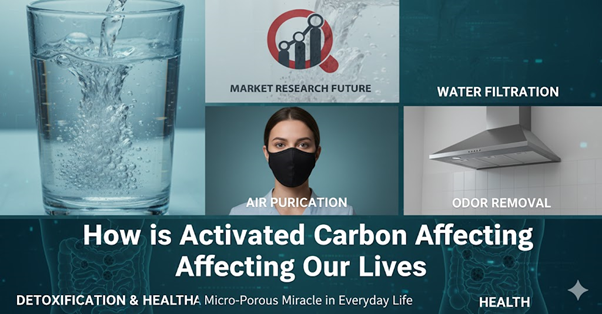
- Water and Air Purification: Industrial processes often release contaminants into water and air. Activated carbon, due to its high carbon content and porosity, filters out impurities efficiently. It is also used in drinking water treatment—often combined with silver—to remove harmful materials and make water safe for consumption.
- Food and Beverage Industry: Activated carbon helps remove odor and color impurities during the processing of products like juices, vegetable oils, honey, sugar, and soft drinks, ensuring better purity and quality.
- Healthcare Sector: It is used to address issues such as gastric problems, skin and dental care, and in cosmetic applications for its detoxifying effects.
What One Needs to Consider Before Using Activated Carbon
Given its multiple benefits, many consumers are exploring activated carbon for household and medicinal purposes. However, it is important to understand its proper use and dosage before application.
Activated carbon is available in several forms- powdered, granulated, extruded, acid-washed, and wood-based. The form chosen depends on the intended use. When using it for health or household purposes, the dosage should always be measured carefully.
For Medicinal Purposes:
- Use Through a Prescribed Source: The American Academy of Clinical Toxicology (AACT) advises against using activated carbon in cases of intestinal bleeding, blockages, or perforations. It should only be used under medical supervision.
- Follow Instructions Carefully: While activated carbon may help in poisoning treatment or hangover prevention, dosage requirements vary by age and condition. Always follow professional advice and discontinue use if discomfort occurs.
- Medication Interactions: Activated carbon can reduce the absorption of certain medicines. Patients should consult their doctors before taking it alongside prescribed medication.
Is It Safe to Use Activated Carbon?
Activated carbon has found its way into everyday products, from toothpaste and facial kits to food and beverages. It is generally safe when used in small quantities, though rare side effects such as vomiting, bowel obstruction, or interference with medication absorption have been reported.
Waste generation is one of today’s biggest environmental challenges. By converting waste materials into valuable, multipurpose carbon, activated carbon demonstrates how innovation and sustainability can work hand in hand.
It remains a powerful, eco-friendly material with broad applications that positively impact both industries and daily life.