Increased Healthcare Expenditure
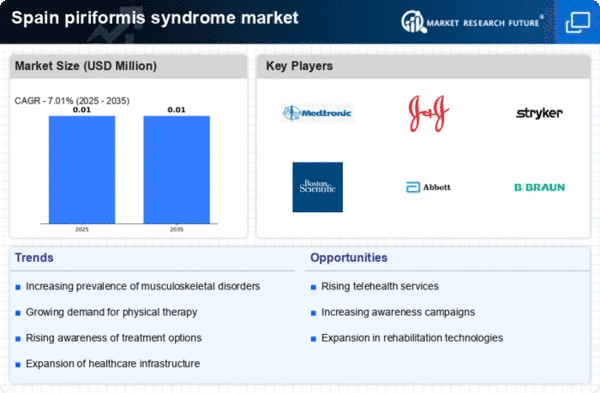
The rise in healthcare expenditure in Spain is expected to positively impact the piriformis syndrome market. With the government and private sectors investing more in healthcare services, there is a greater availability of resources for the diagnosis and treatment of various conditions, including piriformis syndrome. Reports indicate that healthcare spending in Spain has increased by approximately 5% annually, which may facilitate access to advanced treatment options and specialized care. This financial commitment could lead to improved patient outcomes and higher satisfaction rates, thereby encouraging more individuals to seek treatment for piriformis syndrome. As a result, the piriformis syndrome market may experience growth driven by enhanced healthcare infrastructure and service availability.
Advancements in Medical Technology
Technological advancements in medical devices and treatment methodologies are likely to play a crucial role in shaping the piriformis syndrome market. Innovations such as minimally invasive surgical techniques and advanced imaging technologies have enhanced the ability to diagnose and treat this condition effectively. For instance, the introduction of ultrasound-guided injections has improved the accuracy of treatment delivery, which may lead to better patient outcomes. Additionally, the development of new therapeutic modalities, including regenerative medicine approaches, could provide alternative solutions for patients suffering from piriformis syndrome. As these technologies become more accessible in Spain, they may stimulate market growth by attracting more patients seeking effective treatment options.
Growing Demand for Physical Therapy
The increasing recognition of physical therapy as a primary treatment modality for piriformis syndrome is emerging as a key driver in the piriformis syndrome market. In Spain, there is a growing trend towards non-invasive treatment options, with physical therapy being favored for its effectiveness in alleviating symptoms and improving mobility. Reports suggest that physical therapy can reduce pain in up to 80% of patients with this condition. As healthcare providers emphasize conservative management strategies, the demand for physical therapy services is likely to rise. This shift towards rehabilitation-focused care may lead to an expansion of the piriformis syndrome market, as more patients seek these services to manage their symptoms.
Rising Interest in Alternative Therapies
The growing interest in alternative therapies for managing piriformis syndrome is likely to influence the market dynamics significantly. In Spain, patients are increasingly exploring complementary and alternative medicine options, such as acupuncture, chiropractic care, and herbal remedies. This trend may stem from a desire for holistic approaches to health and wellness, as well as dissatisfaction with conventional treatments. Research suggests that approximately 30% of patients with musculoskeletal disorders consider alternative therapies as part of their treatment plan. As more individuals seek these options, the piriformis syndrome market may expand to accommodate a broader range of therapeutic modalities, reflecting the diverse preferences of patients.
Increasing Incidence of Piriformis Syndrome
The rising incidence of piriformis syndrome in Spain appears to be a significant driver for the piriformis syndrome market. Recent studies indicate that approximately 6-8% of the population may experience this condition at some point in their lives. This growing prevalence is likely attributed to factors such as sedentary lifestyles and increased participation in physical activities that strain the piriformis muscle. As more individuals seek medical attention for symptoms associated with this syndrome, the demand for diagnostic and therapeutic options is expected to rise. Consequently, healthcare providers may invest more in treatments, thereby expanding the piriformis syndrome market. Furthermore, the increasing awareness among healthcare professionals regarding this condition may lead to improved diagnosis rates, further fueling market growth.