×
Hero Background
English
Chinese
French
Japanese
Korean
German
Spanish

Soy Derivatives Market Analysis

ID: MRFR/FnB/6121-HCR
90 Pages
Snehal Singh
October 2025

Soy Derivatives Market Research Report Information by Type (Soy Oil, Soy Meal, Soy Protein, Soy Lecithin, Soy Milk), Category, Application (Food Beverage, Animal Feed, Pharmaceuticals & Nutraceuticals, Personal Care), Region - Forecast till 2035

Share:
Download PDF ×

We do not share your information with anyone. However, we may send you emails based on your report interest from time to time. You may contact us at any time to opt-out.

Soy Derivatives Market Infographic
Purchase Options

Market Analysis

In-depth Analysis of Soy Derivatives Market Industry Landscape

Manufacturers have a great opportunity to stand out from the competition, expand their customer base, and increase profits by creating new products with unique functional and nutritional benefits. A significant area of innovation in the milk protein market involves developing specialized protein ingredients that can be used in various food and beverage products. This includes the use of milk protein isolates and concentrates in sports nutrition items, infant formula, meal replacements, and more. A recent example is Lactalis India launching the protein-packed yogurt drink, Lactel Turbo Yoghurt Drink, in August 2021. Manufacturers can also explore novel applications for milk proteins, such as incorporating them into plant-based products or products designed for specific health needs like weight management or muscle building.

Moreover, there's an opportunity to venture into alternative protein sources beyond traditional milk protein. Manufacturers can create products that feature plant-based proteins like soy or pea protein or utilize other animal-based proteins like whey or egg protein. This diversification into new and innovative products is a crucial opportunity for the milk protein market. It not only allows manufacturers to set themselves apart from competitors but also enables them to address the evolving preferences of consumers and potentially achieve higher profit margins. This emphasis on innovation aligns with the changing landscape of consumer demands and provides a pathway for growth and success in the milk protein market.

Manufacturers can strategically explore the development of unique and beneficial products as a means to differentiate themselves in a competitive market. The creation of specialized protein ingredients is a key focus area in the milk protein market, offering versatile applications in various food and beverage products. Milk protein isolates and concentrates, for example, find utility in sports nutrition, infant formula, meal replacements, and similar applications. A notable instance is Lactalis India's introduction of Lactel Turbo Yoghurt Drink, a protein-rich yogurt beverage, in August 2021. The scope for innovation extends to exploring additional applications for milk proteins, including their integration into plant-based products or formulations designed for specific health goals such as weight management or muscle building.

Furthermore, the exploration of alternative protein sources stands as a noteworthy opportunity. Manufacturers can diversify their product offerings by incorporating plant-based proteins like soy or pea protein. Additionally, consideration can be given to the integration of other animal-based proteins, including whey or egg protein. This strategic approach to developing new and inventive products emerges as a pivotal opportunity for the milk protein market. Beyond differentiation from competitors, it allows manufacturers to address the evolving preferences of consumers, meeting the demand for diverse and health-conscious choices. The purs


Author
Snehal Singh
Assistant Manager - Research

High acumen in analyzing complex macro & micro markets with more than 6 years of work experience in the field of market research. By implementing her analytical skills in forecasting and estimation into market research reports, she has expertise in Packaging, Construction, and Equipment domains. She handles a team size of 20-25 resources and ensures smooth running of the projects, associated marketing activities, and client servicing.

Leave a Comment

Market Summary

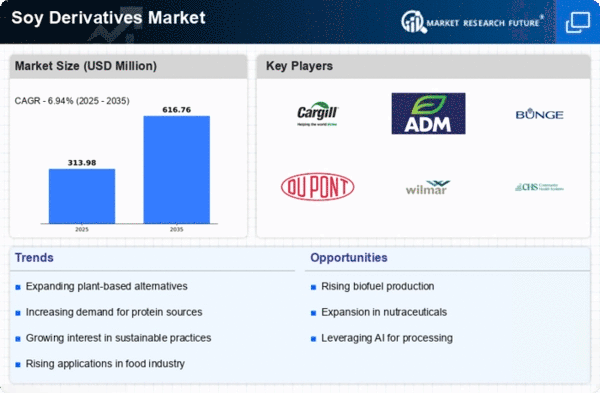
As per MRFR analysis, the Soy Derivatives Market Size was estimated at 293.6 USD Million in 2024. The Soy Derivatives industry is projected to grow from 317.33 USD Million in 2025 to 616.76 USD Million by 2035, exhibiting a compound annual growth rate (CAGR) of 6.94 during the forecast period 2025 - 2035.

Key Market Trends & Highlights

The Soy Derivatives Market is experiencing robust growth driven by evolving consumer preferences and technological advancements.

  • The demand for plant-based proteins continues to rise, particularly in North America, which remains the largest market for soy derivatives.
  • Technological advancements in processing are enhancing the efficiency and quality of soy products, contributing to market expansion.
  • Sustainability and environmental awareness are increasingly influencing consumer choices, especially in the Asia-Pacific region, the fastest-growing market.
  • Key drivers such as increasing health consciousness and the expanding applications of soy derivatives in the food industry are propelling growth in both the Food and Beverage and Animal Feed segments.

Market Size & Forecast

2024 Market Size 293.6 (USD Million)
2035 Market Size 616.76 (USD Million)
CAGR (2025 - 2035) 6.94%
Largest Regional Market Share in 2024 North America

Major Players

<p>Cargill (US), Archer Daniels Midland (US), Bunge (US), Louis Dreyfus Company (NL), Wilmar International (SG), CHS Inc. (US), Olam International (SG), Sime Darby Plantation (MY), Nidera (NL)</p>

Market Trends

The Soy Derivatives Market is currently experiencing a dynamic evolution, driven by a confluence of factors that shape its landscape. The increasing demand for plant-based proteins and sustainable food sources appears to be a primary catalyst for growth. As consumers become more health-conscious, the inclination towards soy derivatives, such as soy protein isolate and soy lecithin, seems to gain momentum. This shift is further supported by the rising awareness of the environmental benefits associated with soy cultivation, which may lead to a broader acceptance of these products in various sectors, including food, cosmetics, and pharmaceuticals. Moreover, the Soy Derivatives Market is likely to witness innovations in processing technologies, enhancing the quality and functionality of soy-based products. Companies are investing in research and development to create novel applications that cater to diverse consumer preferences. This trend indicates a potential for increased market penetration, particularly in regions where plant-based diets are becoming more prevalent. As the market continues to evolve, stakeholders must remain vigilant to emerging trends and consumer demands, ensuring that they adapt their strategies accordingly to maintain competitiveness in this vibrant sector.

Rising Demand for Plant-Based Proteins

The growing consumer preference for plant-based diets is driving the demand for soy derivatives. As individuals seek healthier alternatives to animal proteins, soy products are increasingly recognized for their nutritional benefits, leading to greater incorporation in various food applications.

Technological Advancements in Processing

Innovations in processing techniques are enhancing the quality and versatility of soy derivatives. These advancements allow for the development of new products that meet specific consumer needs, thereby expanding the market's potential and attracting a wider audience.

Sustainability and Environmental Awareness

The emphasis on sustainability is influencing consumer choices, with soy derivatives being viewed as eco-friendly options. This trend reflects a broader societal shift towards environmentally responsible consumption, positioning soy products favorably in the market.

Soy Derivatives Market Market Drivers

Market Growth Projections

The Global Soy Derivatives Market Industry is poised for substantial growth, with projections indicating a market value of 521.1 USD Billion by 2035. This anticipated growth reflects a compound annual growth rate of 6.95% from 2025 to 2035, driven by various factors including rising demand for plant-based proteins, expanding applications in the food industry, and growth in the animal feed sector. The increasing awareness of health benefits associated with soy consumption further supports this upward trajectory. As the market evolves, it is essential to monitor these trends and their implications for stakeholders.

Growth in Animal Feed Sector

The Global Soy Derivatives Market Industry is significantly influenced by the growth in the animal feed sector, where soy meal is a primary protein source. The increasing global demand for livestock products drives the need for high-quality feed ingredients. Soybean meal, rich in protein and amino acids, is favored by livestock producers for its nutritional benefits. As the livestock industry expands, particularly in developing regions, the demand for soy derivatives is anticipated to rise. This trend is likely to contribute to the overall market growth, with projections indicating a substantial increase in market value over the coming years.

Rising Demand for Plant-Based Proteins

The Global Soy Derivatives Market Industry experiences a notable surge in demand for plant-based proteins, driven by increasing health consciousness among consumers. As more individuals adopt vegetarian and vegan diets, the preference for soy derivatives, such as soy protein isolate and textured vegetable protein, rises. In 2024, the market is valued at 248.9 USD Billion, reflecting a growing inclination towards sustainable and nutritious food sources. This trend is likely to continue, with projections indicating that by 2035, the market could reach 521.1 USD Billion, suggesting a robust compound annual growth rate of 6.95% from 2025 to 2035.

Expanding Applications in Food Industry

The Global Soy Derivatives Market Industry benefits from expanding applications in the food sector, where soy derivatives are increasingly utilized as functional ingredients. They serve as emulsifiers, stabilizers, and texturizers in various food products, enhancing their nutritional profile and sensory attributes. For instance, soy lecithin is widely used in baked goods and confectionery, contributing to improved shelf life and texture. This diversification in application not only bolsters market growth but also aligns with consumer preferences for healthier and cleaner label products. As the food industry continues to innovate, the demand for soy derivatives is expected to rise significantly.

Increasing Awareness of Health Benefits

The Global Soy Derivatives Market Industry is positively impacted by increasing awareness of the health benefits associated with soy consumption. Research indicates that soy products can contribute to heart health, reduce cholesterol levels, and provide essential nutrients. As consumers become more informed about the nutritional advantages of soy derivatives, such as isoflavones and omega-3 fatty acids, the demand for these products is expected to rise. This heightened awareness aligns with the broader trend towards healthier eating habits, suggesting that the market for soy derivatives will continue to expand in the coming years.

Technological Advancements in Soy Processing

Technological advancements in soy processing play a crucial role in enhancing the efficiency and quality of soy derivatives. Innovations in extraction and processing techniques allow for higher yields and better nutrient retention, which is vital for meeting the growing global demand. The Global Soy Derivatives Market Industry benefits from these advancements, as they enable producers to offer a wider range of high-quality products. Enhanced processing methods also contribute to sustainability by reducing waste and energy consumption. As technology continues to evolve, it is likely to further propel the growth of the soy derivatives market.

Market Segment Insights

By Application: Food and Beverage (Largest) vs. Animal Feed (Fastest-Growing)

<p>The Soy Derivatives Market exhibits significant differentiation in its application segments, with the Food and Beverage sector commanding a considerable share. This segment leverages soy's nutrient profile, driving its prominent usage in plant-based foods and protein alternatives. Alongside it, Animal Feed emerges as the fastest-growing segment, spurred by the rising demand for sustainable and nutritious feed options in livestock management.</p>

<p>Food and Beverage (Dominant) vs. Animal Feed (Emerging)</p>

<p>The Food and Beverage segment is characterized by its comprehensive integration of soy derivatives in various products, ranging from meat alternatives to snacks and beverages, emphasizing health and sustainability. On the other hand, the Animal Feed segment is rapidly evolving, driven by a growing awareness of the benefits of plant-based feed sources in improving animal health and productivity. This shift towards soy-based animal nutrition reflects broader trends in sustainability and animal welfare, positioning animal feed as an emerging powerhouse within the soy derivatives landscape.</p>

By Type: Soy Protein (Largest) vs. Soy Lecithin (Fastest-Growing)

<p>In the Soy Derivatives Market, the market share distribution reflects a diverse portfolio, where Soy Protein leads as the largest segment. This dominance stems from its widespread application in health foods, functional foods, and meat alternatives. Soy Lecithin, on the other hand, has emerged as a notable player due to its multifunctional role in food processing and emulsification, establishing a strong foothold among health-conscious consumers. Growth trends indicate that while Soy Protein remains a staple in the market, the rise of Soy Lecithin is driven by the increasing demand for clean label products. As consumers prioritize nutritional benefits, the preference for soy-based alternatives continues to elevate, prompting manufacturers to focus on innovation and sustainable practices in production to cater to shifting market dynamics.</p>

<p>Soy Protein: Dominant vs. Soy Lecithin: Emerging</p>

<p>Soy Protein is recognized for its high nutritional profile, making it the dominant choice in health and fitness sectors. It offers a complete amino acid profile, making it ideal for muscle recovery and vegetarian diets. As the largest segment in the Soy Derivatives Market, it finds extensive use in protein powders, energy bars, and meat substitutes. Conversely, Soy Lecithin, as an emerging player, is celebrated for its properties as an emulsifier in food, cosmetics, and pharmaceutical products. Its ability to improve texture and shelf life in food products establishes it as a vital ingredient in many applications. The growing focus on health benefits and clean-label ingredients propels the demand for Soy Lecithin, marking it as a significant growth area in the market.</p>

By End Use: Food Industry (Largest) vs. Nutraceuticals (Fastest-Growing)

<p>The Soy Derivatives Market exhibits a diversified end-use landscape, with the Food Industry taking the lead as the largest segment. It captures significant market share due to the increasing incorporation of soy derivatives in food products, driven by consumer demand for plant-based alternatives and health-conscious offerings. Meanwhile, the Nutraceuticals segment is swiftly gaining ground, appealing to health enthusiasts who prioritize functional foods and supplements crafted from soy, which are perceived as beneficial for overall wellness. As sustainability and health trends dominate the marketplace, the growth trajectory of soy derivatives in the Nutraceuticals sector is particularly noteworthy. This segment is fueled by rising awareness regarding health benefits associated with soy, including its role in lowering cholesterol and improving heart health. Innovations in product formulations and an expanding range of health-focused applications are propelling the Nutraceuticals segment to new heights, underscoring its role as the fastest-growing segment in the Soy Derivatives Market.</p>

<p>Food Industry: (Dominant) vs. Personal Care (Emerging)</p>

<p>The Food Industry stands out as the dominant segment within the Soy Derivatives Market, characterized by its wide utilization of soy products, including oils, flours, and isolates. This segment thrives on the increasing shift towards vegetarian and vegan diets, as consumers seek healthier food options. On the other hand, the Personal Care segment is emerging, capitalizing on the benefits of soy-derived ingredients in cosmetics and skincare products. These ingredients are celebrated for their moisturizing properties and natural origins, appealing to eco-conscious consumers who favor sustainable formulations. The Personal Care segment is gradually capturing attention, supported by innovations that integrate soy compounds into new product offerings, thereby enhancing market interest.</p>

Get more detailed insights about Soy Derivatives Market Research Report – Forecast till 2028

Regional Insights

North America : Market Leader in Soy Derivatives

North America is poised to maintain its leadership in the soy derivatives market, holding a significant share of 150.0 million. The region's growth is driven by increasing consumer demand for plant-based proteins and sustainable food sources. Regulatory support for agricultural innovation and sustainability initiatives further catalyzes market expansion. The focus on health and wellness among consumers is also propelling the demand for soy derivatives, making it a key player in the food industry. The competitive landscape in North America is characterized by major players such as Cargill, Archer Daniels Midland, and Bunge, which dominate the market. These companies are investing heavily in R&D to enhance product offerings and meet evolving consumer preferences. The presence of advanced agricultural practices and technology adoption in the U.S. and Canada further strengthens the region's market position, ensuring a robust supply chain for soy derivatives.

Europe : Emerging Market with Growth Potential

Europe's soy derivatives market is gaining traction, with a market size of 80.0 million. The region is witnessing a shift towards plant-based diets, driven by health consciousness and environmental concerns. Regulatory frameworks promoting sustainable agriculture and food safety are also pivotal in shaping market dynamics. The European Union's Green Deal aims to enhance sustainability in food production, which is expected to boost the demand for soy derivatives in the coming years. Leading countries in this market include Germany, France, and the Netherlands, where key players like Louis Dreyfus Company and Nidera are actively involved. The competitive landscape is evolving, with an increasing number of local and international companies entering the market. This influx is fostering innovation and enhancing product diversity, catering to the growing consumer demand for sustainable and healthy food options.

Asia-Pacific : Growing Demand in Emerging Economies

The Asia-Pacific region, with a market size of 50.0 million, is experiencing rapid growth in the soy derivatives sector. This growth is primarily driven by rising populations and increasing disposable incomes, leading to higher demand for protein-rich foods. Additionally, government initiatives promoting agricultural efficiency and sustainability are contributing to market expansion. The region's diverse culinary preferences are also fostering a growing interest in soy-based products, enhancing market dynamics. Countries like China, India, and Japan are at the forefront of this growth, with significant investments from key players such as Wilmar International and Olam International. The competitive landscape is marked by a mix of local and multinational companies, all vying for market share. The increasing focus on health and nutrition is prompting these companies to innovate and diversify their product offerings, catering to the evolving consumer preferences in the region.

Middle East and Africa : Emerging Market with Unique Challenges

The Middle East and Africa region, with a market size of 13.6 million, presents unique opportunities and challenges in the soy derivatives market. The growing awareness of health benefits associated with soy products is driving demand, particularly in urban areas. Additionally, government initiatives aimed at improving food security and agricultural productivity are expected to bolster market growth. However, challenges such as limited agricultural infrastructure and varying consumer preferences may hinder rapid expansion. Leading countries in this region include South Africa and Nigeria, where companies like Sime Darby Plantation are making strides in the market. The competitive landscape is characterized by a mix of local producers and international players, all striving to establish a foothold. The increasing focus on sustainable practices and health-oriented products is likely to shape the future of the soy derivatives market in this region, paving the way for growth and innovation.

Key Players and Competitive Insights

The Soy Derivatives Market is characterized by a competitive landscape that is increasingly shaped by innovation, sustainability, and strategic partnerships. Key players such as Cargill (US), Archer Daniels Midland (US), and Bunge (US) are at the forefront, each adopting distinct strategies to enhance their market positioning. Cargill (US) focuses on digital transformation and sustainability initiatives, aiming to reduce its carbon footprint while enhancing operational efficiency. Meanwhile, Archer Daniels Midland (US) emphasizes mergers and acquisitions to expand its product portfolio and market reach, indicating a strategy of growth through consolidation. Bunge (US) appears to be concentrating on regional expansion, particularly in emerging markets, which could potentially enhance its competitive edge in the global arena.

The business tactics employed by these companies reflect a moderately fragmented market structure, where localizing manufacturing and optimizing supply chains are pivotal. This fragmentation allows for a diverse range of products and services, catering to varying consumer demands. The collective influence of these key players suggests a dynamic interplay of competition, where innovation and operational efficiency are paramount for maintaining market share.

In November 2025, Cargill (US) announced a partnership with a leading technology firm to develop AI-driven solutions for optimizing soybean processing. This strategic move is likely to enhance Cargill's operational efficiency and product quality, positioning the company as a leader in technological integration within the market. Such advancements may also contribute to sustainability goals by reducing waste and energy consumption during processing.

In October 2025, Archer Daniels Midland (US) completed the acquisition of a regional soy processing facility, which is expected to bolster its production capacity and streamline supply chains. This acquisition not only signifies a commitment to growth but also reflects a strategic maneuver to enhance its competitive positioning in key markets. The integration of this facility could lead to improved product availability and responsiveness to market demands.

In September 2025, Bunge (US) launched a new line of organic soy products aimed at health-conscious consumers. This initiative underscores Bunge's focus on innovation and market responsiveness, catering to the growing demand for organic and sustainable food options. By diversifying its product offerings, Bunge is likely to attract a broader customer base, thereby enhancing its market presence.

As of December 2025, the competitive trends within the Soy Derivatives Market are increasingly defined by digitalization, sustainability, and the integration of advanced technologies such as AI. Strategic alliances are becoming more prevalent, facilitating knowledge sharing and resource optimization among key players. Looking ahead, the competitive differentiation is expected to evolve from traditional price-based competition to a focus on innovation, technology, and supply chain reliability. This shift may redefine market dynamics, compelling companies to invest in sustainable practices and technological advancements to maintain a competitive edge.

Key Companies in the Soy Derivatives Market market include

Industry Developments

for instence ADM has been Growing its production facilities to meet the Increasing demand for soy products. In 2021, the company announced the expansion of its soy processing plant in Rondonopolis, Brazil, which will increase the plant's crushing capacity by 25%. The expansion will enable ADM to meet the growing demand for soy products in the South American Region.

ADM and Benson Hill Partner to Scale Innovative Ultra-High Protein Soy for North American Food Ingredient Industry, In August 2022

Regional Market Summary

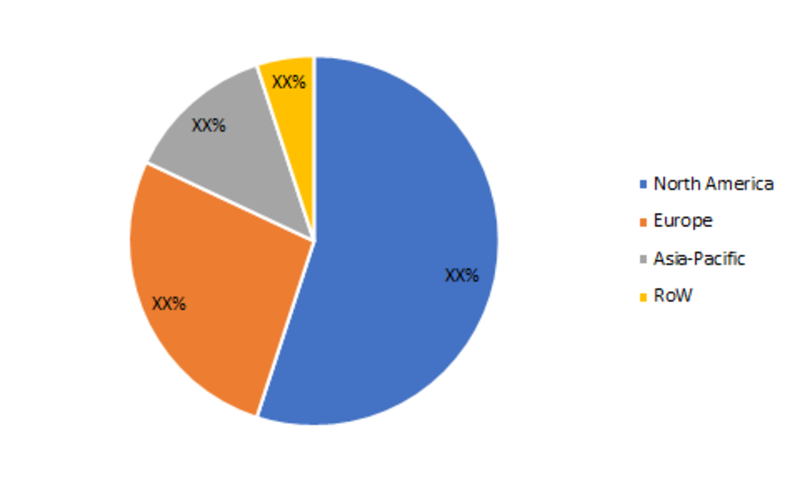
Global Soy Derivatives Market Share (%), by Region, 2018

Soy Derivatives Market

Source: Secondary Sources and MRFR Analysis

Increasing health-consciousness in the developing countries in Asia-Pacific, Africa, and the Middle East is expected to drive the growth of the soy derivatives market in these regions. North America and Europe are the major markets for soy derivatives owing to the rising trend of veganism and shifting preference for plant-based products.

Global Market, by Type

    • Soy Oil

    • Soy Meal

    • Soy Protein

      • Soy Flour

      • Soy Protein Isolates

      • Soy Protein Concentrates

    • Soy Lecithin

    • Soy Milk

    • Others

Global Market, by Category

    • Conventional

    • Organic

Global Market, by Application

    • Food & Beverage

    • Animal Feed

    • Pharmaceuticals and Nutraceuticals

    • Personal Care

    • Others

Global Market, by Region

    • North America

      • US

      • Canada

      • Mexico

    • Europe

      • Germany

      • France

      • UK

      • Spain

      • Italy

      • Rest of Europe

    • Asia-Pacific

      • China

      • India

      • Japan

      • Australia and New Zealand

      • Rest of Asia-Pacific

    • Rest of the World (RoW)

      • South America

      • Middle East

      • Africa

Key Players in the Global Market

    • CHS Inc.

    • Ruchi Soya Industries Ltd

    • Dupont Nutrition and Health

    • Noble Group Ltd

    • Wilmar International Ltd

    • Archer Daniels Midland Company

    • Bunge Ltd

    • Louis Dreyfus Company BV

    • AG Processing Inc.

Intended Audience

  • Food and Beverage Processors

  • Soy Processing Industries

  • Nutraceuticals Manufacturers

  • Personal Care Product Manufacturers

  • Retailers and Wholesalers

    • Traders, Exporters, and Importers

Future Outlook

Soy Derivatives Market Future Outlook

<p>The Soy Derivatives Market is projected to grow at a 6.94% CAGR from 2024 to 2035, driven by increasing demand for plant-based proteins and sustainable products.</p>

New opportunities lie in:

  • <p>Expansion into emerging markets with tailored product lines</p>
  • <p>Development of innovative soy-based food alternatives</p>
  • <p>Investment in sustainable production technologies to enhance efficiency</p>

<p>By 2035, the market is expected to solidify its position as a leader in sustainable food solutions.</p>

Market Segmentation

Soy Derivatives Market Type Outlook

  • Soy Protein
  • Soy Oil
  • Soy Lecithin
  • Soy Isoflavones
  • Soy Flour

Soy Derivatives Market End Use Outlook

  • Food Industry
  • Nutraceuticals
  • Personal Care
  • Biofuels
  • Textiles

Soy Derivatives Market Application Outlook

  • Food and Beverage
  • Animal Feed
  • Cosmetics
  • Pharmaceuticals
  • Industrial

Report Scope

MARKET SIZE 2024293.6(USD Million)
MARKET SIZE 2025317.33(USD Million)
MARKET SIZE 2035616.76(USD Million)
COMPOUND ANNUAL GROWTH RATE (CAGR)6.94% (2024 - 2035)
REPORT COVERAGERevenue Forecast, Competitive Landscape, Growth Factors, and Trends
BASE YEAR2024
Market Forecast Period2025 - 2035
Historical Data2019 - 2024
Market Forecast UnitsUSD Million
Key Companies ProfiledCargill (US), Archer Daniels Midland (US), Bunge (US), Louis Dreyfus Company (NL), Wilmar International (SG), CHS Inc. (US), Olam International (SG), Sime Darby Plantation (MY), Nidera (NL)
Segments CoveredApplication, Type, End Use
Key Market OpportunitiesGrowing demand for plant-based proteins drives innovation in the Soy Derivatives Market.
Key Market DynamicsRising demand for plant-based proteins drives innovation and competition in the soy derivatives market.
Countries CoveredNorth America, Europe, APAC, South America, MEA

FAQs

  1. Executive Summary
  2. Scope of the Report
    1. Market Definition
    2. Scope of the Study
      1. Research Objectives
      2. Assumptions & Limitations
    3. Market Structure
  3. Market Research Methodology
    1. Research Process
    2. Secondary Research
    3. Primary Research
    4. Forecast Model
  4. Market Landscape
    1. Supply Chain Analysis
      1. Raw Material Suppliers
      2. Manufacturers/Producers
      3. Distributors/Retailers/Wholesalers/E-Commerce
      4. End Users
    2. Porter’s Five
      1. Bargaining Power of Suppliers
      2. Threat of Substitutes
      3. Competitive Rivalry
    3. Forces Analysis
    4. Threat of New Entrants
    5. Bargaining Power of Buyers
  5. Market Dynamics of Global Soy Derivatives Market
    1. Introduction
    2. Drivers
    3. Restraints
    4. Opportunities
    5. Challenges
  6. Global Soy Derivatives
  7. Market, by Type
    1. Introduction
    2. Soy Oil
    3. Market Estimates & Forecast, 2021–2028
    4. Soy Meal
    5. Market Estimates & Forecast, 2021–2028
    6. Soy Protein
    7. Soy Flour
    8. Market Estimates & Forecast, 2021–2028
    9. Soy Protein Isolates
    10. Market Estimates & Forecast, 2021–2028
    11. Soy Protein Concentrates
    12. & Forecast, by Region, 2021–2028
    13. & Forecast, by Region, 2021–2028
    14. & Forecast, by Region, 2021–2028
    15. & Forecast, by Region, 2021–2028
  8. Market Estimates & Forecast, by Region,
  9. Market Estimates & Forecast, by Region,
  10. Market Estimates & Forecast, by Region,
  11. Market Estimates & Forecast, by Region,
  12. Market Estimates & Forecast, 2021–2028
  13. Market Estimates
    1. Soy Milk
      1. Market Estimates & Forecast, 2021–2028
      2. Market Estimates
    2. Soy Lecithin
      1. Market Estimates & Forecast, 2021–2028
      2. Market Estimates
    3. Others
      1. Market Estimates & Forecast, 2021–2028
      2. Market Estimates
  14. Global Soy Derivatives Market, by Category
    1. Introduction
    2. Conventional
      1. Market Estimates
      2. Market Estimates & Forecast, by Region, 2021–2028
    3. & Forecast, 2021–2028
    4. Organic
      1. Market Estimates
      2. Market Estimates & Forecast, by Region, 2021–2028
    5. & Forecast, 2021–2028
  15. Global Soy Derivatives
  16. Market, by Application
    1. Introduction
    2. Food & Beverage
    3. Bakery and Confectionery
    4. & Forecast, by Region, 2021–2028
    5. & Forecast, by Region, 2021–2028
    6. & Forecast, by Region, 2021–2028
    7. & Forecast, by Region, 2021–2028
    8. & Forecast, by Region, 2021–2028
    9. & Forecast, 2021–2028
    10. & Forecast, 2021–2028
    11. & Forecast, 2021–2028
  17. Market Estimates & Forecast, 2021–2028
  18. Market Estimates
  19. RTE & RTC Foods
  20. Market Estimates & Forecast, 2021–2028
  21. Market Estimates
  22. Beverages
  23. Market Estimates & Forecast, 2021–2028
  24. Market Estimates
  25. Others
  26. Market Estimates & Forecast, 2021–2028
  27. Market Estimates
    1. Animal Feed
      1. Market Estimates & Forecast, 2021–2028
      2. Market Estimates
    2. Pharmaceuticals & Nutraceuticals
      1. Market Estimates
      2. Market Estimates & Forecast, by Region, 2021–2028
    3. Personal Care
      1. Market Estimates
      2. Market Estimates & Forecast, by Region, 2021–2028
    4. Others
      1. Market Estimates
      2. Market Estimates & Forecast, by Region, 2021–2028
  28. Global Soy Derivatives
  29. Market, by Region
    1. Introduction
    2. North America
    3. Market Estimates & Forecast, 2021–2028
    4. & Forecast, by Category, 2021–2028
    5. US
    6. Market Estimates & Forecast, 2021–2028
  30. Market Estimates & Forecast, by Type, 2021–2028
  31. Market Estimates
  32. Market Estimates & Forecast, by Application,
  33. Market Estimates & Forecast, by Type,
  34. Market Estimates & Forecast, by Category, 2021–2028
    1. Forecast, by Application, 2021–2028
    2. & Forecast, by Type, 2021–2028
    3. & Forecast, by Application, 2021–2028
    4. & Forecast, by Type, 2021–2028
    5. & Forecast, by Application, 2021–2028
    6. & Forecast, by Type, 2021–2028
    7. & Forecast, by Application, 2021–2028
    8. & Forecast, by Type, 2021–2028
    9. & Forecast, by Application, 2021–2028
    10. & Forecast, by Type, 2021–2028
    11. & Forecast, by Application, 2021–2028
    12. & Forecast, by Type, 2021–2028
    13. & Forecast, by Application, 2021–2028
    14. & Forecast, by Type, 2021–2028
    15. & Forecast, by Application, 2021–2028
    16. & Forecast, by Type, 2021–2028
    17. & Forecast, by Application, 2021–2028
    18. & Forecast, by Type, 2021–2028
    19. & Forecast, by Application, 2021–2028
    20. & Forecast, by Type, 2021–2028
    21. & Forecast, by Application, 2021–2028
    22. & Forecast, by Type, 2021–2028
    23. & Forecast, by Application, 2021–2028
    24. & Forecast, by Type, 2021–2028
    25. & Forecast, by Application, 2021–2028
    26. & Forecast, by Type, 2021–2028
    27. & Forecast, by Application, 2021–2028
    28. & Forecast, by Type, 2021–2028
    29. & Forecast, by Application, 2021–2028
    30. & Forecast, by Type, 2021–2028
    31. & Forecast, by Application, 2021–2028
    32. & Forecast, by Type, 2021–2028
    33. & Forecast, by Application, 2021–2028
    34. & Forecast, by Type, 2021–2028
    35. & Forecast, by Application, 2021–2028
    36. & Forecast, by Type, 2021–2028
    37. & Forecast, by Application, 2021–2028
  35. Market Estimates &
  36. Canada
  37. Market Estimates & Forecast, 2021–2028
  38. Market Estimates
  39. Market Estimates & Forecast, by Category, 2021–2028
  40. Market Estimates
  41. Mexico
  42. Market Estimates & Forecast, 2021–2028
  43. Market Estimates
  44. Market Estimates & Forecast, by Category, 2021–2028
  45. Market Estimates
    1. Europe
      1. Market Estimates & Forecast, 2021–2028
      2. Market Estimates
      3. Market Estimates & Forecast, by Category, 2021–2028
      4. Market Estimates
      5. Germany
      6. France
      7. Italy
      8. UK
      9. Spain
      10. Rest of Europe
    2. Asia-Pacific
      1. Market Estimates & Forecast, 2021–2028
      2. Market Estimates
      3. Market Estimates & Forecast, by Category, 2021–2028
      4. Market Estimates
      5. China
      6. India
      7. Japan
      8. Rest of Asia-Pacific
    3. Rest of the World (RoW)
      1. Market Estimates & Forecast, 2021–2028
      2. Market Estimates
      3. Market Estimates & Forecast, by Category, 2021–2028
      4. Market Estimates
      5. South America
      6. Middle East
      7. Africa
  46. Company Landscape
    1. Introduction
    2. Market Strategy
    3. Key Development Analysis
    4. (Expansions/Mergers & Acquisitions/Joint Ventures/New
    5. Product Developments/Agreements/Investments)
  47. Company Profiles
    1. Cargill Inc.
      1. Company Overview
      2. Financial Updates
      3. Product/Business Segment Overview
      4. Strategy
      5. Key Developments
      6. SWOT Analysis
    2. CHS Inc.
      1. Company Overview
      2. Financial Updates
      3. Product/Business
      4. Company Overview
      5. Financial Updates
      6. Product/Business Segment Overview
      7. Strategy
      8. Key Developments
      9. SWOT Analysis
    3. Segment Overview
    4. Strategy
    5. Key Developments
    6. SWOT Analysis
    7. Ruchi Soya Industries Ltd
    8. Dupont Nutrition
      1. Strategy
      2. Key Developments
      3. SWOT Analysis
    9. and Health
    10. Company Overview
    11. Financial Updates
    12. Product/Business Segment Overview
    13. Noble Group Ltd
      1. Company Overview
      2. Financial Updates
      3. Product/Business Segment Overview
      4. Strategy
      5. Key Developments
      6. SWOT Analysis
    14. Wilmar International
      1. Strategy
      2. Key Developments
      3. SWOT Analysis
    15. Ltd
    16. Company Overview
    17. Financial Updates
    18. Product/Business Segment Overview
    19. Archer Daniels Midland Company
      1. Company Overview
      2. Financial Updates
      3. Product/Business
      4. Strategy
      5. Key Developments
      6. SWOT Analysis
    20. Segment Overview
    21. Strategy
    22. Key Developments
    23. SWOT Analysis
    24. Bunge Ltd
    25. Company Overview
    26. Financial Updates
    27. Product/Business Segment Overview
    28. Louis Dreyfus Company BV
      1. Company Overview
      2. Financial Updates
      3. Product/Business Segment Overview
      4. Strategy
      5. Key Developments
      6. SWOT Analysis
    29. AG Processing Inc.
      1. Company Overview
      2. Financial Updates
      3. Product/Business
    30. Segment Overview
    31. Strategy
    32. Key Developments
    33. SWOT Analysis
    34. Conclusion
    35. LIST
  48. OF TABLES
    1. Table
  49. Global Soy Derivatives Market, by Region, 2021–2028 (USD Million)
  50. Global Soy Derivatives
  51. Market, by Type, 2021–2028 (USD Million)
  52. Global Soy Derivatives Market, by Type, 2021–2028
    1. (USD Million)
    2. Table
  53. Global Soy Derivatives Market, by Application, 2021–2028 (USD Million)
  54. North America:
  55. Soy Derivatives Market, by Country, 2021–2028 (USD Million)
  56. North America: Soy Derivatives
  57. Market, by Type, 2021–2028 (USD Million)
  58. North America: Soy Derivatives Market, by
    1. Type, 2021–2028 (USD Million)
  59. North America: Soy Derivatives Market, by Application,
  60. US: Soy Derivatives Market, by Type, 2021–2028 (USD Million)
  61. US: Soy Derivatives
  62. Market, by Type, 2021–2028 (USD Million)
  63. US: Soy Derivatives Market, by Application,
  64. Canada: Soy Derivatives Market, by Type, 2021–2028 (USD
    1. Million)
    2. Table
  65. Canada: Soy Derivatives Market, by Type, 2021–2028 (USD Million)
  66. Canada: Soy
  67. Derivatives Market, by Application, 2021–2028 (USD Million)
  68. Mexico: Soy Derivatives
  69. Market, by Type, 2021–2028 (USD Million)
  70. Mexico: Soy Derivatives Market, by Type,
  71. Mexico: Soy Derivatives Market, by Application, 2021–2028
    1. (USD Million)
    2. Table
  72. Europe: Soy Derivatives Market, by Country, 2021–2028 (USD Million)
  73. Europe: Soy
  74. Derivatives Market, by Type, 2021–2028 (USD Million)
  75. Europe: Soy Derivatives Market, by Type,
  76. Europe: Soy Derivatives Market, by Application, 2021–2028
    1. (USD Million)
    2. Table
  77. Germany: Soy Derivatives Market, by Type, 2021–2028 (USD Million)
  78. Germany: Soy
  79. Derivatives Market, by Type, 2021–2028 (USD Million)
  80. Germany: Soy Derivatives Market, by Application,
  81. France: Soy Derivatives Market, by Type, 2021–2028 (USD
    1. Million)
    2. Table
  82. France: Soy Derivatives Market, by Type, 2021–2028 (USD Million)
  83. France: Soy
  84. Derivatives Market, by Application, 2021–2028 (USD Million)
  85. Italy: Soy Derivatives
  86. Market, by Type, 2021–2028 (USD Million)
  87. Italy: Soy Derivatives Market, by Type,
  88. Italy: Soy Derivatives Market, by Application, 2021–2028
    1. (USD Million)
    2. Table
  89. UK: Soy Derivatives Market, by Type, 2021–2028 (USD Million)
  90. UK: Soy Derivatives
  91. Market, by Type, 2021–2028 (USD Million)
  92. UK: Soy Derivatives Market, by Application,
  93. Rest of Europe: Soy Derivatives Market, by Type, 2021–2028
    1. (USD Million)
    2. Table
  94. Rest of Europe: Soy Derivatives Market, by Type, 2021–2028 (USD Million)
  95. Rest of Europe:
  96. Soy Derivatives Market, by Application, 2021–2028 (USD Million)
  97. Asia-Pacific:
  98. Soy Derivatives Market, by Country, 2021–2028 (USD Million)
  99. Asia-Pacific: Soy Derivatives
  100. Market, by Type, 2021–2028 (USD Million)
  101. Asia-Pacific: Soy Derivatives Market, by
    1. Type, 2021–2028 (USD Million)
  102. Asia-Pacific: Soy Derivatives Market, by Application,
  103. China: Soy Derivatives Market, by Type, 2021–2028 (USD
    1. Million)
    2. Table
  104. China: Soy Derivatives Market, by Type, 2021–2028 (USD Million)
  105. China: Soy Derivatives
  106. Market, by Application, 2021–2028 (USD Million)
  107. India: Soy Derivatives Market, by Type,
  108. India: Soy Derivatives Market, by Type, 2021–2028 (USD
    1. Million)
    2. Table
  109. India: Soy Derivatives Market, by Application, 2021–2028 (USD Million)
  110. Japan: Soy Derivatives
  111. Market, by Type, 2021–2028 (USD Million)
  112. Japan: Soy Derivatives Market, by Type,
  113. Japan: Soy Derivatives Market, by Application, 2021–2028
    1. (USD Million)
    2. Table
  114. Rest of Asia-Pacific: Soy Derivatives Market, by Type, 2021–2028 (USD Million)
  115. Rest of Asia-Pacific:
  116. Soy Derivatives Market, by Type, 2021–2028 (USD Million)
  117. Rest of Asia-Pacific:
  118. Soy Derivatives Market, by Application, 2021–2028 (USD Million)
  119. Rest of the
  120. World (RoW): Soy Derivatives Market, by Country, 2021–2028 (USD Million)
  121. Rest of the
  122. World (RoW): Soy Derivatives Market, by Type, 2021–2028 (USD Million)
  123. Rest of the
  124. World (RoW): Soy Derivatives Market, by Type, 2021–2028 (USD Million)
  125. Rest of the
  126. World (RoW): Soy Derivatives Market, by Application, 2021–2028 (USD Million)
  127. South America:
  128. Soy Derivatives Market, by Type, 2021–2028 (USD Million)
  129. South America: Soy Derivatives
  130. Market, by Type, 2021–2028 (USD Million)
  131. South America: Soy Derivatives Market, by
    1. Application, 2021–2028 (USD Million)
  132. Middle East: Soy Derivatives Market, by
    1. Type, 2021–2028 (USD Million)
  133. Middle East: Soy Derivatives Market, by Type, 2021–2028
    1. (USD Million)
    2. Table
  134. Middle East: Soy Derivatives Market, by Application, 2021–2028 (USD Million)
  135. Africa: Soy
  136. Derivatives Market, by Type, 2021–2028 (USD Million)
  137. Africa: Soy Derivatives Market, by Type,
  138. Africa: Soy Derivatives Market, by Application, 2021–2028
    1. (USD Million)
    2. LIST
  139. OF FIGURES
    1. FIGURE
  140. Global Soy Derivatives Market Segmentation
  141. Forecast Research Methodology
  142. Five Forces
    1. Analysis of the Global Soy Derivatives Market
  143. Value Chain of the Global Soy Derivatives
    1. Market
    2. FIGURE
  144. Share of the Global Soy Derivatives Market in 2021, by Country (%)
  145. Global Soy Derivatives
    1. Market, 2021–2028
  146. Global Soy Derivatives Market Size, by Type, 2021
  147. Share of the
  148. Global Soy Derivatives Market, by Type, 2021–2028
  149. Global Soy Derivatives Market Size, by Type,
    1. FIGURE
  150. Share of the Global Soy Derivatives Market, by Type, 2021–2028
  151. Global Soy
  152. Derivatives Market Size, by Application, 2021
    1. FIGURE12 Share of the Global Soy Derivatives Market,
    2. by Application, 2021–2028

Soy Derivatives Market Segmentation

Market Segmentation Overview

  • Detailed segmentation data will be available in the full report
  • Comprehensive analysis by multiple parameters
  • Regional and country-level breakdowns
  • Market size forecasts by segment
Infographic

Free Sample Request

Kindly complete the form below to receive a free sample of this Report

Get Free Sample

Customer Strories

Compare Licence

×
Features License Type
Single User Multiuser License Enterprise User
Price $4,950 $5,950 $7,250
Maximum User Access Limit 1 User Upto 10 Users Unrestricted Access Throughout the Organization
Free Customization
Direct Access to Analyst
Deliverable Format
Platform Access
Discount on Next Purchase 10% 15% 15%
Printable Versions