Everything You Should Know about Ulcerative Colitis
Ulcerative Colitis Market Overview
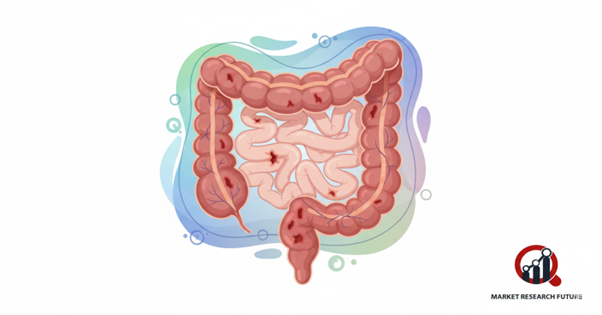
Ulcerative colitis (UC) is a type of inflammatory bowel disease (IBD) that is a chronic condition affecting the large intestine (colon) and the rectum. It will cause the colon to become inflamed, irritated and develop ulcers along the colon. While it cannot be cured, it can be managed with the right combination of medication, diet, and lifestyle alterations.
Ulcerative colitis can develop when the immune system goes haywire. Instead of the white blood cells protecting the colon lining, they begin to attack it, causing inflammation and the development of ulcers. In the long run, it can cause pain in the abdomen, bleeding, and issues with digestion.
Who Is at Risk?
Below are just a few possible risk factors:
- Stress and diet: These are not causes, but they can trigger a flare.
- Genetic background: Those of Ashkenazi Jewish descent have a higher chance of developing the disease.
- Age: Usually, the disease appears in the range of 15-30, but it can also occur later in life, after 60.
- Family history: Having a close relative with ulcerative colitis increases the chances of getting it by 30%.
Types of Ulcerative Colitis
Ulcerative colitis can depend on which part of the colon is inflamed. These forms include:
- Ulcerative Proctitis: Only the rectum is affected, which causes bleeding of the rectum.
- Proctosigmoiditis: The rectum and lower colon are affected, which causes cramping, diarrhea, and pain in the abdomen.
Ulcerative Colitis Variants
- Left-Sided Colitis: This variant extends from the rectum to the left side of the colon, resulting in weight loss and bloody diarrhea.
- Pancolitis: This type affects the entire colon and may bring extreme pain, fatigue, and relentless diarrhea.
- Acute Severe Ulcerative Colitis: This is an infrequent type of ulcerative colitis, but it is very serious. It affects most of the colon and causes heavy bleeding, fever, and severe pain.
Common Symptoms
All types of ulcerative colitis have bleeding diarrhea as the most prominent symptom, but the following symptoms may also occur:
- Abdominal cramps and pain
- Fatigue and weakness
- Weight loss
- Dehydration
- Joint pain and skin irritation
- Eye pain when exposed to bright light
- Canker sores in the mouth
- Inability to control bowel movements
Final Thoughts
Along with flare-ups of ulcerative colitis, remission can occur and may last weeks to years. Remission means the symptoms are inactive. To improve the quality of life, trigger symptoms can be managed with the help of healthcare professionals, nutrition, and stress control. Although the condition cannot be cured, the symptoms can improve significantly.
Related Report


Leave a Comment