What’s next for the Toys Industry?
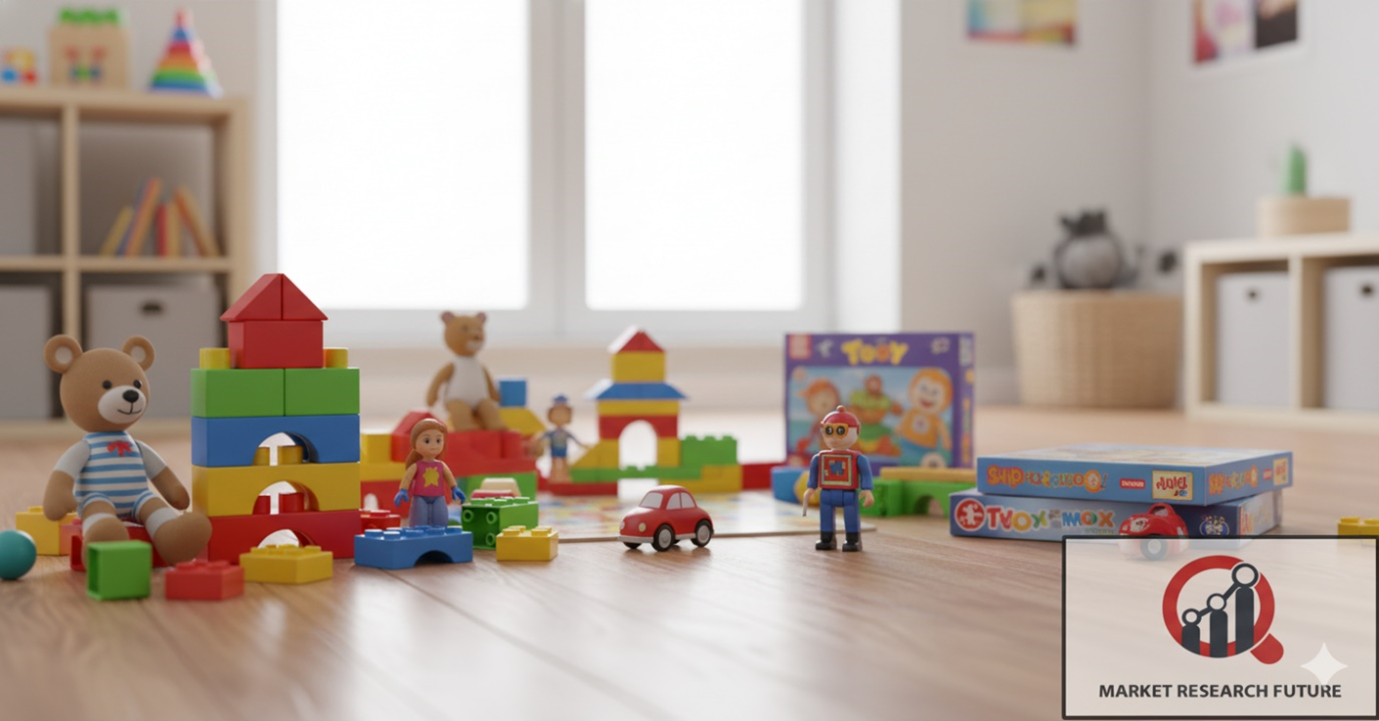
The toy industry grew from using simple wooden blocks and tin soldiers to using wooden blocks and tin soldiers. The market became focused on durability and functionality as it changed to creativity and technology. These days, toys are meant to inspire and educate and dissolve into a more entertaining form that matches the quickly changing environment children are learning to grow.
A Change in Use of Materials and Manufacturing
In the past, the manufacturers of toys best utilized sturdy plastics and metals. That was before the strategy changed to become more cost-efficient, and design became more of a focus because of the expansion of markets and competition globalization of competition. The industry embraced rubber because it was lightweight, colorful and flexible. More importantly, it became cost-efficient. Companies shifted from using traditional plastics because rubber was able to take diverse shapes, textures, and colors without sacrificing durability.
The versatility and resilience of rubber toys, from bouncy balls, toy cars, and figurines, became a staple for play. It is interesting how families around the world can afford rubber toys made from synthetic rubber because it is more flexible and durable while maintaining that soft and rubbery feel.
The Rise of Tech-Enhanced Play
Children today are digital natives, growing up surrounded by smart devices and screens. Toy manufacturers have responded with tech-integrated toys—from interactive robots and app-connected games to toys with lights, motion sensors, and sound effects. These innovations bridge the gap between physical play and digital engagement, creating a new hybrid experience that keeps children entertained and curious.
STEM Toys: Learning Meets Fun
The growing demand for educational play has fueled a boom in STEM (Science, Technology, Engineering, and Math) toys. Parents are increasingly looking for products that nurture problem-solving, logic, and creativity while still being enjoyable. These toys encourage hands-on learning—building robots, coding games, and assembling circuits—and foster critical thinking from an early age.
This trend reflects a larger shift in consumer mindset. Playtime is no longer just about fun. It’s about future readiness. Toy companies that can blend entertainment with education are leading the next phase of industry growth.
Sustainability and Conscious Consumption
Sustainability is another important factor shaping the toy market. People are becoming more mindful of the environmental impact of the toys they buy for their little ones, prompting several companies to adopt environmentally friendly materials, recyclable packaging, and ethical manufacturing. Businesses adopting these practices are not only gaining trust from their customers but also establishing leadership in green play.
What’s Next for the Toys Industry?
The upcoming toys will combine technology, creativity, and eco-friendliness. More toys will have:
- Artificial intelligence that tailors the toy’s complexity to the individual child’s learning stage.
- Modular and customizable playsets that adapt to a child’s changing developmental needs.
- Eco-friendly resources that will make environmentally responsible play the standard.
Despite all the new trends in play, one element endures—toys will always be a child’s first instrument of imagination and learning. Companies that prioritize a blend of safety, innovation, and intention will not only determine the future of play but will also redefine how our children learn and aspire.
Related Report


Leave a Comment