Spirulina: A Plant Based Suppliments
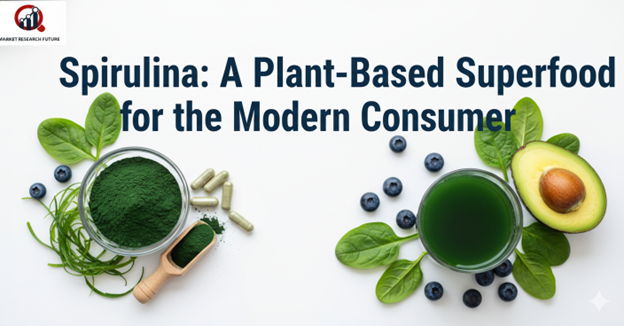
Spirulina Market Overview
Spirulina, a blue-green alga scientifically classified as cyanobacteria, has emerged as one of the world’s most powerful plant-based supplements. Once a staple food of ancient civilizations, it has gained modern-day prominence for its exceptional nutritional profile, high protein content, and potent antioxidant properties. As global consumers increasingly shift toward plant-based nutrition, spirulina represents a natural, sustainable, and nutrient-dense solution that supports both human health and planetary well-being.
Widely recognized as a “superfood,” spirulina offers essential vitamins, minerals, and phytonutrients that contribute to immune health, detoxification, and disease prevention. Its versatility and bioavailability make it an ideal dietary supplement for children, adults, athletes, and vegetarians alike.
What Is Spirulina?
Spirulina is a microscopic algae that thrives in both freshwater and saltwater environments. It is often harvested, dried, and consumed in powdered or tablet form. The supplement’s signature green-blue hue is attributed to phycocyanin, a powerful plant pigment that provides antioxidant and anti-inflammatory benefits.
A single 7-gram serving of dried spirulina typically contains:
- 4 grams of protein
- 11% of the RDA of Vitamin B1 (Thiamine)
- 15% of the RDA of Vitamin B2 (Riboflavin)
- 4% of the RDA of Vitamin B3 (Niacin)
- 21% of the RDA of Copper
- 11% of the RDA of Iron
- Trace amounts of potassium, magnesium, manganese, and nearly all other micronutrients required by the human body
This dense nutritional profile positions spirulina as a complete plant-based supplement, offering a natural source of protein, vitamins, and minerals with minimal calories and zero cholesterol.
Health Benefits and Functional Advantages
1. A Superior Source of Plant-Based Protein
Often referred to as the “lean green protein machine,” spirulina provides a complete amino acid profile essential for muscle development, tissue repair, and metabolic health. For vegetarians and vegans who may struggle to obtain sufficient protein from diet alone, spirulina offers an efficient, natural, and sustainable alternative to animal-derived sources like meat and eggs.
2. Nutritional Support for Growing Children
Spirulina is highly beneficial for growing children, supporting healthy eyesight, tissue development, cognitive focus, and overall immunity. Its nutrient density helps bridge dietary gaps in early growth stages, ensuring children receive essential vitamins and proteins necessary for physical and mental development.
3. Digestive Health and Immunity
Rich in amino acids and digestive enzymes, spirulina aids in better digestion and nutrient absorption. It promotes gut health by enhancing the population of beneficial intestinal flora and helps strengthen immune cells to resist infections and intestinal viruses.
4. Antioxidant and Anti-Inflammatory Properties
Phycocyanin, spirulina’s key bioactive compound, helps neutralize free radicals, reducing oxidative stress and cellular damage. These properties make spirulina an effective natural defense against chronic diseases such as cancer, diabetes, and neurodegenerative disorders.
5. Blood Pressure and Lipid Regulation
Preliminary studies suggest that consuming around 4.5 grams of spirulina daily may help regulate blood pressure and improve lipid profiles, potentially reducing the risk of cardiovascular disease. Although further research is required, spirulina shows promising potential in maintaining long-term cardiovascular health.
Market Growth Drivers
The spirulina supplements market is expanding rapidly, driven by several key factors:
- Growing Preference for Natural and Plant-Based Nutrition – Rising global demand for vegan and clean-label supplements supports spirulina’s market appeal.
- Increasing Health and Wellness Awareness – Consumers are prioritizing functional foods that provide immune support and chronic disease prevention.
- Nutrient Density and Sustainability – Spirulina offers high yield and minimal environmental footprint, aligning with sustainable agriculture and eco-conscious lifestyles.
- R&D and Product Innovation – Advances in cultivation, extraction, and formulation are improving spirulina’s palatability and expanding its use in functional foods and beverages.
Regional Insights
- North America leads the global spirulina market due to heightened consumer awareness, strong supplement demand, and the presence of leading nutraceutical brands.
- Europe exhibits strong growth driven by stringent sustainability standards, increasing adoption of vegan diets, and rising preference for organic supplements.
- Asia-Pacific is the fastest-growing region, with countries like India, China, and Japan showing high consumption due to expanding middle-class populations and growing health consciousness.
- Latin America, Middle East & Africa are emerging markets, witnessing gradual adoption of spirulina-based supplements through growing retail availability and rising awareness of plant-based nutrition.
Challenges
Despite its growing popularity, the spirulina market faces certain limitations:
- Taste and Texture Concerns: Spirulina’s earthy flavor can limit its use in mainstream food applications.
- Price Sensitivity: Premium cultivation and drying processes make it relatively costlier than synthetic supplements.
- Lack of Consumer Awareness: Many consumers remain unaware of spirulina’s full health potential and safe dosage levels.
Overcoming these challenges requires ongoing education, innovation in flavor masking, and cost-effective production technologies.
Future Outlook
The future of the spirulina market lies in innovation, accessibility, and integration. Companies are increasingly incorporating spirulina into everyday food products like smoothies, snack bars, and bakery items to enhance nutritional value. With technological advancements in algae farming and protein extraction, spirulina is poised to become a mainstream ingredient in functional nutrition and sustainable diets.
As consumers seek natural, eco-friendly, and high-protein alternatives, spirulina’s role will expand beyond dietary supplements into cosmetics, pharmaceuticals, and fortified foods, driving robust global market growth through 2030 and beyond.
Conclusion
Spirulina stands as a cornerstone of the plant-based nutrition revolution, offering unmatched health benefits, environmental sustainability, and functional versatility. As awareness of preventive healthcare and ethical consumption continues to rise, spirulina is set to become an integral part of global dietary habits. Backed by innovation, accessibility, and scientific validation, spirulina is not just a supplement — it is the future of natural nutrition.
Related Report


Leave a Comment