Smart Parking And Smart Cities The Future
Smart Parking Market Overview
Urbanization is rapidly reshaping the global landscape, bringing both opportunities and challenges. Among the most pressing concerns in metropolitan areas are traffic congestion, vehicle overloading, and the resulting air and noise pollution, all of which significantly impact productivity, quality of life, and environmental sustainability. Traditional traffic management systems have struggled to cope with the increasing number of vehicles on the road, highlighting the urgent need for intelligent, data-driven solutions.
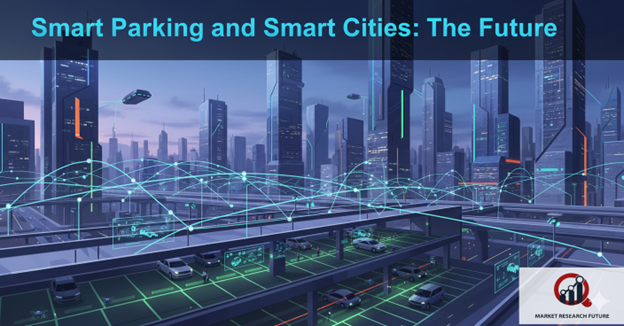
This is where smart parking systems—a crucial component of emerging smart cities—come into play. By leveraging real-time data, IoT sensors, machine-to-machine (M2M) communication, and automated payment solutions, smart parking systems are transforming how cities manage vehicle flow, reduce congestion, and optimize land use.
According to market insights, the global smart parking market is poised for robust growth through 2030, driven by rising urbanization, supportive government initiatives, technological advancements, and the expanding vision of smart city development across the world.
What is Smart Parking?
Smart parking refers to an intelligent parking management system that uses advanced technologies such as sensors, data analytics, wireless communication, and mobile applications to identify available parking spots, monitor occupancy in real-time, and assist drivers in efficiently finding parking.
Through IoT integration and M2M connectivity, these systems communicate data between vehicles, sensors, and centralized control units, allowing seamless navigation, digital payments, and real-time updates. The result is a more efficient, sustainable, and user-friendly urban mobility ecosystem.
Key Benefits of Smart Parking Systems
- Reduced Traffic Congestion: Real-time parking availability minimizes time spent circling for open spaces, easing city traffic flow.
- Environmental Sustainability: Decreases carbon emissions and fuel consumption by optimizing parking efficiency.
- Enhanced User Convenience: Mobile apps enable seamless parking reservations, payments, and navigation.
- Optimized Urban Space: Helps city planners utilize limited parking infrastructure more effectively.
- Data-Driven Management: Provides valuable insights for traffic authorities to improve city mobility strategies.
Implementation and Working Mechanism
Smart parking systems integrate sensor technology, data analytics, and mobile connectivity to provide accurate, real-time information about available parking spaces. The process typically involves:
- Detection: Smart sensors installed in parking spaces detect whether a spot is occupied or vacant.
- Data Transmission: Information is transmitted via M2M communication to centralized management systems.
- User Notification: Drivers can access this data through mobile apps or digital signage, helping them quickly locate parking.
- Digital Transactions: Integration with cashless payment systems enables seamless fee collection and booking confirmations.
- Analysis and Optimization: City administrators use aggregated data for traffic forecasting, pricing optimization, and infrastructure planning.
These systems are deployed across various public and private facilities—shopping malls, airports, office buildings, sports arenas, and transport hubs—making urban parking more efficient and accessible.
Market Growth Drivers
The global smart parking industry is expanding rapidly, driven by a combination of technological, economic, and environmental factors:
- Government Smart City Initiatives: Many governments are investing heavily in smart infrastructure. For instance, in April 2021, the Australian government announced 50 USD Million in funding to accelerate nationwide adoption of smart parking systems.
- Rising Vehicle Ownership: The growing number of automobiles globally has amplified the need for efficient parking management.
- Environmental Concerns: Increasing awareness of air pollution and carbon emissions has encouraged the adoption of sustainable traffic solutions.
- Advancements in IoT and M2M Connectivity: Integration of smart sensors, cloud computing, and digital payments is enhancing system performance and scalability.
- Consumer Convenience: Mobile-enabled parking services with real-time updates and e-payments are improving user experience and driving adoption.
Challenges
Despite its strong potential, the smart parking market faces certain hurdles that need to be addressed for widespread implementation:
- High Initial Investment: Installation and integration of sensors, networks, and software platforms require significant capital.
- Infrastructure Limitations: Developing regions may lack the necessary connectivity and digital frameworks.
- Data Security Concerns: Increasing reliance on IoT systems raises issues of privacy and cybersecurity.
- Interoperability Issues: Integrating multiple technologies and vendors can lead to compatibility challenges.
- Collaborative partnerships between governments, technology providers, and mobility stakeholders are key to overcoming these barriers and achieving long-term scalability.
Regional Insights
North America leads the global smart parking market, accounting for over 35% of total revenue in 2021. The U.S. and Canada are pioneering smart city projects to reduce congestion and enhance mobility efficiency. Local governments and service providers are actively promoting smart parking technologies for both public and private vehicles.
Europe is expected to witness substantial growth, driven by regulatory measures focused on combating pollution and improving urban sustainability. For instance, an EU-funded study conducted by the International Road Transport Union (IRU) revealed a significant shortage of safe and secure parking spaces, prompting initiatives to deploy intelligent parking solutions across the continent.
Asia-Pacific (APAC) is emerging as a high-growth region, supported by rapid urbanization, government-backed smart city programs, and increasing vehicle ownership in countries such as India, China, Japan, and South Korea.
Meanwhile, the Middle East & Africa (MEA) region is gradually adopting smart parking systems as part of broader infrastructure modernization efforts, particularly in Gulf Cooperation Council (GCC) countries where smart city visions are central to national development plans.
Future Outlook
As cities evolve into interconnected ecosystems, smart parking will play a critical role in shaping the future of urban mobility. With growing government support, advances in IoT and data analytics, and increasing consumer reliance on digital solutions, the smart parking market is poised for sustained growth.
The integration of AI-driven analytics, 5G networks, and connected vehicle systems will further enhance predictive capabilities, enabling real-time decision-making and resource optimization. In the coming decade, smart parking will move beyond convenience—becoming a cornerstone of sustainable, efficient, and intelligent city infrastructure.
Conclusion
The rise of smart parking systems represents a significant leap toward smarter, cleaner, and more efficient urban living. By addressing long-standing challenges of congestion and pollution through real-time data and digital innovation, these systems align perfectly with the global movement toward smart cities.
As the world’s urban population continues to expand, the integration of smart parking technologies will not only improve convenience and safety but also contribute to the environmental and economic sustainability of cities worldwide.
Related Report


Leave a Comment