Myasthenia Gravis: A Rare Disorder
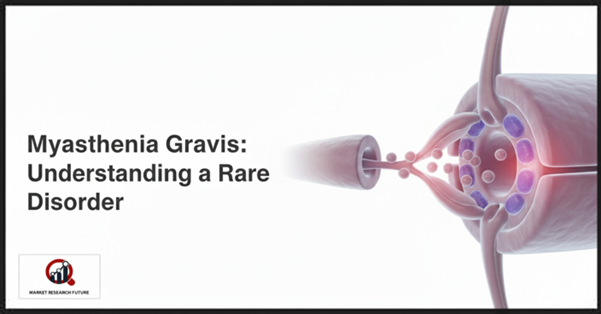
Myasthenia gravis is a long-term, rare disorder that weakens some muscles by blocking communication between neurons and muscles. It can make things like walking, lifting, talking, or even breathing harder. Some people feel tired, and others have really weak muscles.
There is no perfect cure, but early diagnosis, medication, lifestyle changes, and medical procedures can help control the condition, make life better, and stop complications from happening.
What Is Myasthenia Gravis?
Myasthenia gravis is a rare chronic condition that weakens certain muscles in the body. It occurs when communication between nerves and muscles is impaired, causing unusual muscle fatigue and weakness. The disease can affect everyday tasks like walking, lifting objects, speaking, and even breathing, making early recognition vital.
Common Symptoms of Myasthenia Gravis
The symptoms of myasthenia gravis vary from person to person, but some of the most common signs include:
- Trouble speaking clearly or stammering
- Weakness while walking or lifting objects
- Facial paralysis or drooping eyelids
- Difficulty breathing or swallowing
- Uneven or hoarse voice
- Double vision or blurred vision
- Persistent fatigue and sleepiness
Treatment Options for Myasthenia Gravis
While there is no complete cure, myasthenia gravis can be managed effectively with the right approach.
- Medication: Medicines such as immunosuppressants and corticosteroids help reduce the immune system’s abnormal response. Pyridostigmine (Mestinon) can improve communication between nerves and muscles in severe cases.
- Surgery: The thymus gland, which plays a role in immune function, may be removed in some patients. Thymus removal often improves symptoms, especially in those with tumors or thymic abnormalities.
- Lifestyle Adjustments: Healthy habits can make a significant difference. Getting adequate rest, avoiding stress and extreme heat, and using supportive aids like eye patches for double vision can help manage symptoms.
- Plasmapheresis: This procedure removes harmful antibodies from the blood, strengthening muscles and providing noticeable relief. It’s often effective and works quickly.
Managing the Condition
Myasthenia gravis affects everyone differently. Some experience mild fatigue, while others may face severe paralysis. Early consultation with a healthcare professional is crucial to managing symptoms and preventing complications. Combining medical treatments with a healthy lifestyle helps patients maintain strength, energy, and overall well-being.
Conclusion
Though myasthenia gravis has no definitive cure, timely intervention, proper medication, and lifestyle modifications can greatly improve quality of life. Early diagnosis and consistent care not only help manage symptoms but also reduce the risk of related health issues, empowering patients to lead active, fulfilling lives.
Related Report


Leave a Comment