Insomnia - Trouble sleeping?
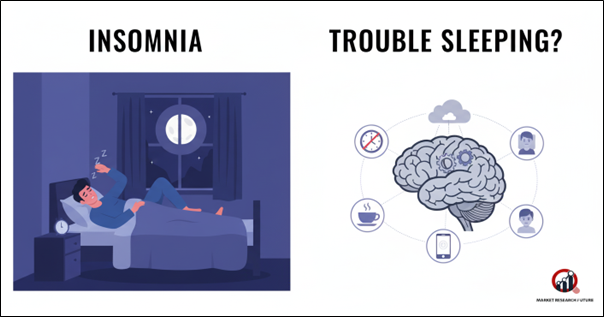
So, what is basically insomnia?
Insomnia is a common sleep disorder that makes it hard for people to fall asleep, stay asleep, or wake up feeling tired. It can show up as both a symptom and a condition, and it is often linked to stress, mental health issues, or other medical problems. Sleep studies or actigraphy that keep track of sleep patterns and problems are usually used to make a diagnosis.
People of all ages can get insomnia, but it happens more often in older people. It can last for a few nights or weeks, and it can influence both your physical and mental health. People who can't sleep often feel tired, cranky, or anxious during the day. It can also cause memory problems, mood swings, and less alertness, which can affect daily life and health in general.
Different kinds of insomnia and what causes it
There are two main types of insomnia: primary and secondary.
Primary insomnia happens on its own and has no medical or psychological cause. It means having trouble falling asleep, waking up often, or not feeling rested when you wake up.
Secondary insomnia happens because of other things, like chronic pain, depression, anxiety, or lifestyle choices like using drugs or having irregular sleep patterns.
There are three main types of insomnia:
Transient Insomnia: This type of insomnia lasts for a few days and is usually caused by short-term stress or changes in lifestyle.
Acute insomnia lasts for a few weeks but goes away when the cause is fixed.
Chronic insomnia lasts longer than a month and usually needs medical help or therapy.
Subjective insomnia is a unique type of insomnia in which people feel tired even after getting enough sleep.
Conclusion
Insomnia is more than just "not getting enough sleep." It affects both the body and the mind, and it often means that there are bigger health problems going on. The first step to finding relief and getting back to restful, restorative sleep is to learn about its types, causes, and effects.
Related Report


Leave a Comment