Everything you should know about Epilepsy
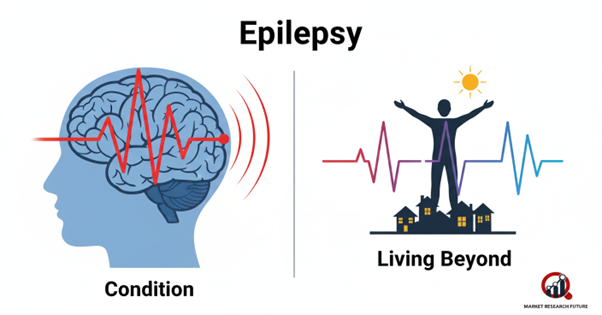
Epilepsy: Understanding the Condition and Living Beyond the Seizures
Epilepsy is a brain disorder causing recurring, unpredictable seizures triggered by unusual electrical discharges in the brain. Seizures can last a few seconds, lead to a person blanking out, or cause a person to lose consciousness and convulse. It can make everyday life difficult, but people with epilepsy can thrive with appropriate treatment. Depending on the type and severity, treatments can involve the use of anti-epilepsy drugs, surgery, or a therapeutic ketogenic diet.
In the US, the CDC reported that in 2015, approximately 3.4 million people, including 470,000 children, were living with active epilepsy. That is larger than the population of several states, which demonstrates how prevalent the condition is and the need for awareness and early intervention.
Important Things to Remember About Epilepsy
- Becoming Familiar with the Symptoms of Seizures
Confusion, unresponsiveness, unusual body movements, and repetitive motions can occur during a seizure. In some instances, a person may lose the ability to speak, understand, or focus, and they may lose consciousness or even distractible repeat some actions. These behaviors may indicate other problems besides epilepsy, which is why learning seizure types is important for proper identification.
- First Aid During a Seizure
You might be surprised to learn how common seizures are. In fact, 1 in 10 people will have a seizure in their life. First, don't panic. Stay with the person until the seizure ends. Move any potentially harmful objects nearby, gently roll the person onto their side, and keep track of the time. If the seizure lasts longer than 5 minutes or the person does not wake up afterwards, call 911.
- Living a Normal Life with Epilepsy
Epilepsy does not limit a person's potential or restrict them to a specific life. With the right treatment and some changes to how they live, many people with epilepsy succeed in school, work, and even sports. Some people will have epilepsy that does not get better with medication, but there are new advances in research focused on neurostimulation devices and precision medications that will continue to improve the positive outcomes of epilepsy.
- Preventable Causes of Epilepsy
Epilepsy can occur for reasons that are not known, but there are some causes that can be prevented. Infections, strokes, head injuries, and complications at birth and during pregnancy can all be harmful. Risk can be decreased by wearing a helmet, controlling cardiovascular diseases, and getting treatment for infections.
When to Seek Immediate Help
You need to contact a medical professional in these situations:
• A seizure lasts for more than five minutes
• Afterward, the individual has difficulty breathing or regains consciousness
• Seizures happen in a series with no recovery period
• The individual has a high fever or is experiencing heat exhaustion
• The individual is pregnant or has diabetes and is having a seizure
• A seizure episode causes a serious bodily injury
Conclusion
In the first instance, a seizure must be urgently evaluated to understand why and to implement a management strategy. The perceptions and realities surrounding epilepsy have changed in recent decades. With early treatment and appropriate ongoing therapy and support, most people with epilepsy can cope and function effectively. With appropriate ongoing therapy and support, most people with epilepsy can cope and function effectively.
Related Report


Leave a Comment