Costochondritis: A Rare Health Condition
Introduction to the Global Costochondritis Market
The adoption of novel treatments and innovative therapeutics has helped the global costochondritis market to reach USD 1.45 billion in 2024. Owing to an impressive CAGR of 11.64% through the forecast period, the realm of costochondritis is projected to reach USD 4.87 billion by 2035.
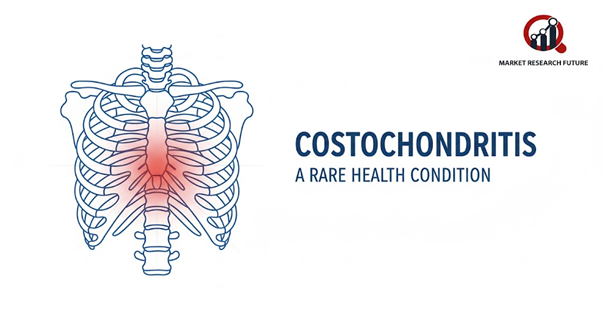
Costochondritis refers to soreness or inflammation in the cartilage of the rib cage, particularly where the upper ribs attach to the breastbone. This inflammation can cause noticeable chest pain, which may vary from mild discomfort to severe, sharp pain that restricts daily activities.
Chest pain due to costochondritis can last for several weeks. If the condition persists, medical consultation is crucial for proper treatment and recovery.
Causes of Costochondritis
- Physical trauma, such as falls or car accidents, affecting the chest area
- Strain from heavy weightlifting or excessive physical activity
- Inflammatory diseases like arthritis
- Infections such as tuberculosis or syphilis that can trigger joint inflammation
Who Is at Higher Risk?
Costochondritis is more common among women over 40 years old. Individuals frequently involved in manual labor or high-intensity workouts are at greater risk.
The likelihood increases for people already suffering from rheumatoid arthritis, reactive arthritis, or ankylosing spondylitis. Proper posture and lifting techniques are essential to avoid chest muscle strain.
Ways to Treat Costochondritis
Medication: Treatment depends on pain severity. Doctors usually prescribe non-steroidal anti-inflammatory drugs (NSAIDs) for mild pain. In severe cases, options include:
- Painkillers such as narcotics
- Amitriptyline
- Anti-anxiety medications
- Steroid injections or oral steroids
Healthy Habits: Lifestyle changes play a vital role. Avoid heavy lifting or tasks requiring excessive force, like carrying grocery bags or gas cylinders. Recommended practices include:
- Adequate rest
- Physical therapy
- Use of heating pads for pain relief
When to See a Doctor
Ignoring costochondritis for long can lead to serious complications. Seek immediate medical attention if you experience breathing difficulty or intense chest pain. Although the condition is generally not life-threatening, it can sometimes mimic or lead to heart-related issues if left untreated.
Regional Analysis
Recent healthcare advancements across major regions have improved awareness and management of costochondritis. In North America, increased emphasis on musculoskeletal health and ergonomic awareness has led to better prevention programs.
Europe has focused on non-invasive therapies and early diagnosis through advanced imaging tools. The Asia-Pacific region has witnessed a rise in physiotherapy-based recovery approaches, especially in Japan and India.
South America is enhancing accessibility to affordable anti-inflammatory medications, while the Middle East and Africa (MEA) are investing in public health initiatives to reduce self-medication and promote timely diagnosis. These developments collectively support better management and faster recovery for patients worldwide.
Conclusion
Costochondritis often results from injury, strain, or arthritis. While it’s not typically severe, prompt diagnosis and management are essential to prevent worsening. Understanding the symptoms helps in seeking timely care and avoiding further complications.
Related Report


Leave a Comment