Blepharitis-causes, treatment and everything you need to know about it
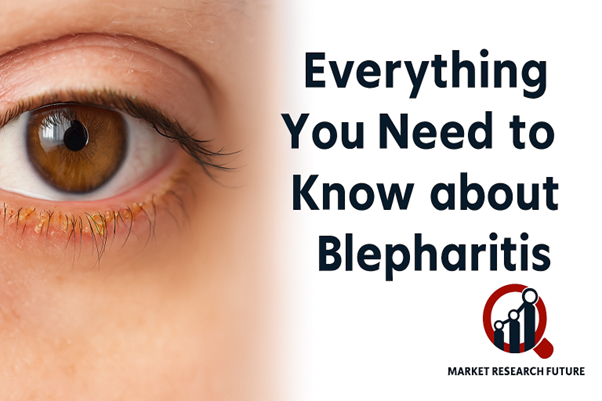
Blepharitis is a common yet often misunderstood eye condition that affects the eyelids, causing irritation, redness, and inflammation. Though it is not usually sight-threatening, blepharitis can be difficult to get rid of and significantly undermines your quality of life. Understanding the causes and symptoms will help you prevent it at the very beginning.
What is Blepharitis?
Blepharitis refers to the inflammation of the eyelid margins where the eyelashes grow. It can affect people of all ages and often occurs in both eyes. Depending on its underlying causes, blepharitis is typically classified into two main types: anterior blepharitis, which affects the outside front edge of the eyelid, and posterior blepharitis, which involves the inner edge of the eyelid where it meets the eye.
What causes Blepharitis?
The condition arises from multiple factors that often act together. One of the most common is bacterial overgrowth, particularly of Staphylococcus species, which can infect and inflame the eyelid margins. Meibomian gland dysfunction (MGD) is another key contributor, as blocked or poorly functioning oil glands disrupt the tear film and lead to irritation.
Skin disorders such as seborrheic dermatitis, rosacea, and eczema frequently aggravate the condition, while allergies or sensitivities to eye makeup, contact lenses, or medications may worsen symptoms. In addition, parasitic infestations like Demodex mites can overpopulate the eyelash follicles, causing persistent eyelid inflammation.
Common Symptoms of Blepharitis
If you think you might have developed blepharitis, these are some of the warning signs to look for.
- Red, swollen eyelids
- Itching or burning sensations
- Crusting at the base of eyelashes
- Flaking skin on the eyelids
- Dry, watery, or gritty eyes
- Sensitivity to light
- Blurred vision that improves with blinking
Since these symptoms overlap with other eye conditions, proper diagnosis by an eye care specialist is essential.
How do you treat Blepharitis?
Although blepharitis is usually a chronic condition, it can be effectively managed with consistent care. The primary approach starts with treating the eyelids. An easy and common method to clean the sensitive lids is warm compresses. This soothes inflammation and the uneasy feeling. Some
In severe cases Doctors often prescribe topical antibiotics, oral antibiotics for meibomian gland dysfunction, or anti-inflammatory eye drops to provide faster relief to patients. Simple lifestyle adjustments, such as avoiding eye makeup during flare-ups, practicing good facial hygiene, and limiting exposure to allergens, can further reduce recurrences.
What Happens if Blepharitis? Is left untreated?
If blepharitis (inflammation of the eyelids) is left untreated, it can lead to a range of complications—some mild, others more serious. Untreated blepharitis often leads to ongoing redness, burning, itching, and a gritty or sandy sensation in the eyes. Over time, the eyelids may become crusty or sticky, and the eyes may water excessively, making daily activities uncomfortable.
Additionally, persistent blepharitis can lead to eyelid changes, including thickening, scarring, misaligned eyelashes (trichiasis), and drooping (ptosis). It often affects the meibomian glands, causing dry eyes with discomfort, blurred vision, and light sensitivity. Chronic inflammation also raises the risk of styes, chalazia, and, in rare cases, corneal ulcers or scarring, potentially reducing vision if untreated
Conclusion
Blepharitis, even though not initially fatal, can create serious sight issues. Awareness of its symptoms and causes, along with proper eyelid hygiene and timely treatment, is essential. Managing blepharitis early helps prevent complications and keeps eyes healthy and comfortable.


Leave a Comment