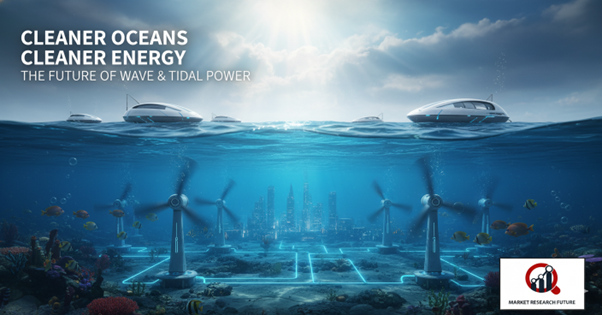
A Quick Look at the Wave and Tidal Energy Market
Oceans cover more than 70% of the Earth's surface, which means they could be a huge source of clean, renewable energy. We can now capture two main types of ocean energy: thermal energy from the sun's heat and mechanical energy from the movement of waves and tides. Wave energy gets power directly from changes in pressure or movement on the surface of the water, while tidal energy turns the movement of large bodies of water into electricity that can be used.
Wave and tidal energy are two of the most promising areas of renewable energy. Ocean energy is very predictable, with regular cycles and a lot of potential because the oceans are so big. This is not the case with solar or wind energy. Wave and tidal energy are still new, but they have some unique benefits when it comes to reliability and long-term sustainability.
Taking Care of Environmental and Economic Issues
People are interested in marine energy because they are worried about the environmental, economic, and strategic costs of fossil fuels around the world. Both governments and businesses are looking for other ways to cut carbon emissions, make energy more secure, and help the economy grow. The success of wind and solar energy has made people even more interested in investing in ocean-based solutions.
The investment climate for wave and tidal energy has gotten better thanks to good policies, incentives, and support systems. National and regional programs now help with research, development, and demonstration projects. These projects help close the gap between experimental designs and deployments that work in the real world. These projects are getting both public and private money to flow, which is good for the wave and tidal energy sector.
The Promising Future of Ocean-Based Energy
Most governments are taking steps to speed up the use of renewable energy. These are direct grants, low tariffs, and rules that make marine energy projects more appealing to investors. Wind and solar are still the most popular types of renewable energy, but wave and tidal energy are getting more attention because they are predictable and have a lot of untapped potential.
Wave energy, in particular, looks like it could be a good source of renewable electricity. Tidal power is still in its early stages, but it has the potential to meet a large part of the world's energy needs by turning tidal forces into electricity. Ongoing research and development are aimed at enhancing the durability, efficiency, and environmental compatibility of equipment, thereby minimizing disruption to marine ecosystems. New ideas in turbine technology, energy storage, and system design are helping to get around old problems with technology, making wave and tidal projects more feasible and scalable.
Europe Paving the Way in Ocean Energy
Europe is now a major center for the development of wave and tidal energy. Many countries are moving to low-carbon energy systems, and a big part of their energy mixes is renewable electricity. The UK is especially interested in its coastal resources. For example, tidal arrays and offshore wave installations are moving from the planning stage to the implementation stage.
More and more people are realizing that oceans are one of the biggest and most reliable sources of energy. Wave and tidal technologies are still new, but they are quickly becoming more efficient and gaining market share. There is growth in both small and large projects in the area, thanks to forward-thinking policies, new technologies, and money spent on research. The growth of regulatory frameworks and the discovery of the best places to capture energy are giving developers the chance to build bigger installations and add more types of energy to their portfolios.
The Main Trends that are helping the Market grow
The wave and tidal energy market will be shaped by a number of trends in 2025:
- Technological Innovation: Ocean energy is becoming more efficient and cost-effective as turbine designs, energy capture methods, and system durability are constantly getting better.
- Shift to Private Investment: More and more projects are being funded by private equity and debt instead of just grants, which shows that the sector is becoming more mature.
- Policy Support: Investors are more likely to put money into projects when there are incentives, good rules, and long-term energy plans in place.
These things all make wave and tidal energy more commercially viable and give governments and businesses reliable and long-lasting options for generating power that don't rely on fossil fuels.
Looking Ahead: A Future with Low Carbon Around the World
Wave and tidal energy will be very important to the world's move to renewable energy by 2025. The oceans are an endless source of energy, so there is a lot of potential for making clean electricity. Investing more in research, technology, and policy frameworks will help marine energy become more popular in Europe, Asia, and other places.
Wind and solar power are not the only types of renewable energy that will be available in the future. Wave and tidal energy provide a reliable, complementary, and long-lasting source of power for cities, communities, and businesses. By using the oceans' huge energy, people can move toward a cleaner, low-carbon future that doesn't rely on fossil fuels as much and creates value for the economy and the environment for years to come.