Understanding Smart Meters
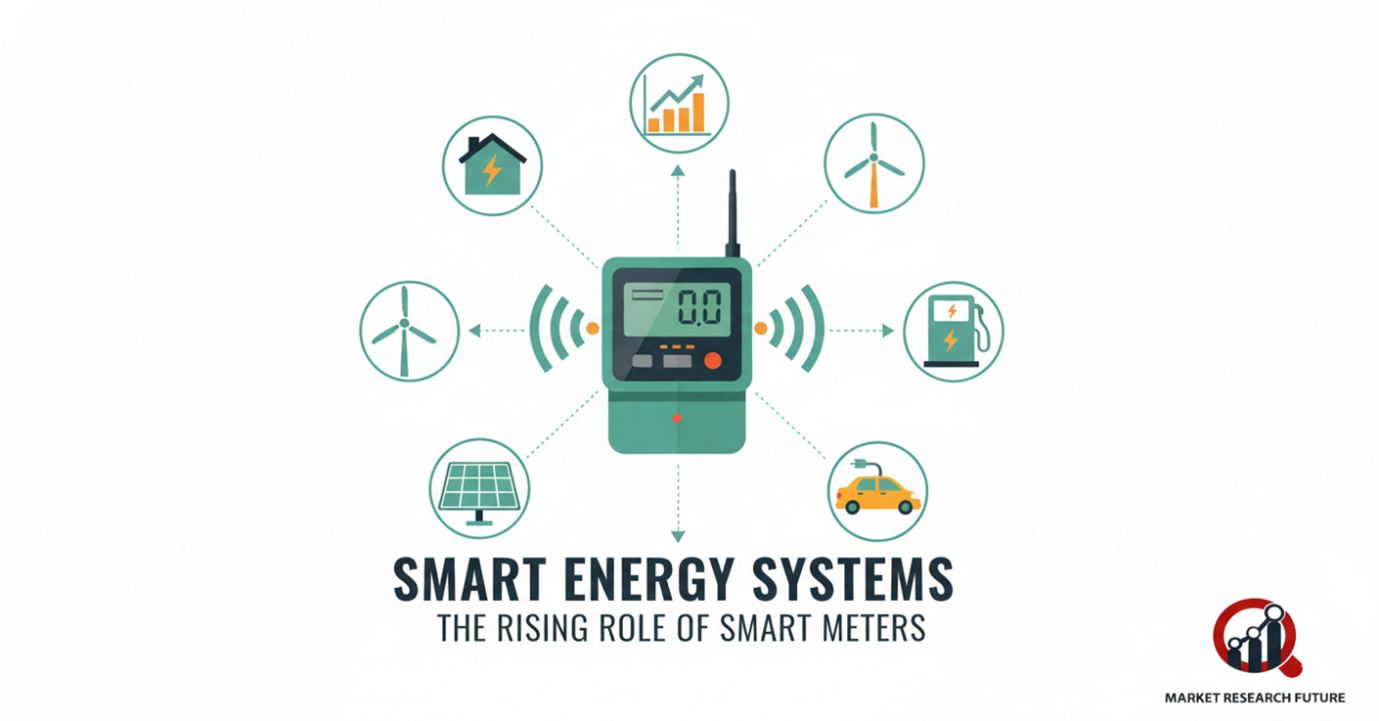
Smart electricity meters are changing the way we use and manage energy. These high-tech tools not only help balance peak power demand, but they also give end users real-time information about how much energy they are using. Utilities can respond more quickly, monitor things from afar, and run their businesses more efficiently. Consumers can track, control, and optimize their consumption. Smart meters are changing the energy industry by making it easier for customers and suppliers to talk to each other. They are also setting new standards for reliability, sustainability, and customer engagement.
Smart meters for electricity, gas, or water let suppliers start, read, or stop services from a distance while giving consumers a clear picture of how much they are using. Smart metering is now a basic part of modern energy systems all over the world because of the smart exchange of data.
Smart Meter Expansion: Helping Countries Move Toward Digital Grids
Countries are modernizing their energy infrastructure because cities are growing, lifestyles are changing, and the need for electricity is rising. The rise in demand for power around the world has led both developing and developed countries to use smart metering on a large scale. To make things clearer, more efficient, and more stable, governments are including smart meter installation goals in their national energy policies.
The economies of Asia-Pacific, Latin America, and parts of Africa are changing the most quickly in this transformation. Their quickly growing populations and industries make it necessary to have efficient energy distribution systems. Smart meters are a key part of digital grid ecosystems as national rollouts and city-level pilot projects turn into long-term modernization programs.
Manufacturers and service providers are coming up with new ideas, like modular designs, flexible connectivity options, and systems that work with renewable and hybrid energy sources. Utilities are using smart data analytics from meters to make load forecasting better, billing easier, and maintenance needs easier to predict. This helps keep the supply-demand balance more stable.
Opening up New Doors through New Ideas
Smart meters are changing a lot more than just keeping track of how much energy you use. They now serve as multi-functional hubs in intelligent energy ecosystems. Fraud detection, demand response optimization, self-diagnosis, and prepayment are just some of the new features that are changing the way customers interact with the service. Users can automate and customize their energy use by connecting their devices to smart homes and the Internet of Things (IoT). Advanced data analytics can also help users understand how they use energy.
These new technologies give utilities and energy companies the chance to be more efficient, get more customers involved, and be more environmentally friendly. The combination of artificial intelligence, edge computing, and cloud connectivity is making it possible for meters to give predictive insights, find problems, and help with proactive maintenance. This change marks the beginning of energy systems that can learn on their own and automatically balance supply and demand.
Even so, not all markets are moving at the same speed. High costs for installation and upkeep continue to make it hard to spread the technology widely, especially in areas with lower incomes. To close this gap, the government needs to help by offering incentives, forming partnerships, and creating standard rules to make sure everyone has equal access to smart energy solutions.
The Problems That Lie Ahead: Security, Affordability, and Inclusivity
Smart meters are becoming more and more important in modern energy systems, but there are still some problems. As billions of connected meters collect sensitive consumption data, data privacy and cybersecurity are still big worries. Uncertainty about rules and different communication standards can make it hard for different suppliers and regions to work together.
It is just as important for people to know about it and be able to afford it. Many people still think that smart meters are too expensive or too intrusive, especially in places where money is tight. Policymakers and utilities need to work together to find a way to make sure that low-income households can get access to services while still keeping high security standards.
The global energy community is moving toward open-access systems, secure data management protocols, and transparent frameworks to deal with these problems. More and more, governments are requiring standards for interoperability and putting more emphasis on consumer rights in efforts to digitalize energy.
Making Energy Intelligence Better in the Future
Smart metering is at the heart of the energy transition as of 2025. It's not just a technological upgrade anymore; it's a way to make power systems cleaner, smarter, and fairer. Smart meters are expected to be very important for bringing together different renewable sources, balancing grids, and encouraging energy efficiency at all levels of society.
To move forward, everyone needs to work together. Governments need to make clear rules, manufacturers need to come up with new ideas that make things more flexible and safe, and consumers need to be informed and have access to information. When these things come together, smart metering will change how we use energy by making it clear, efficient, and long-lasting.
Not only is the future of energy digital, but it's also smart, connected, and powered by smart meters