Sleep Apnea Device Market: Breathing Innovation into Better Sleep Health
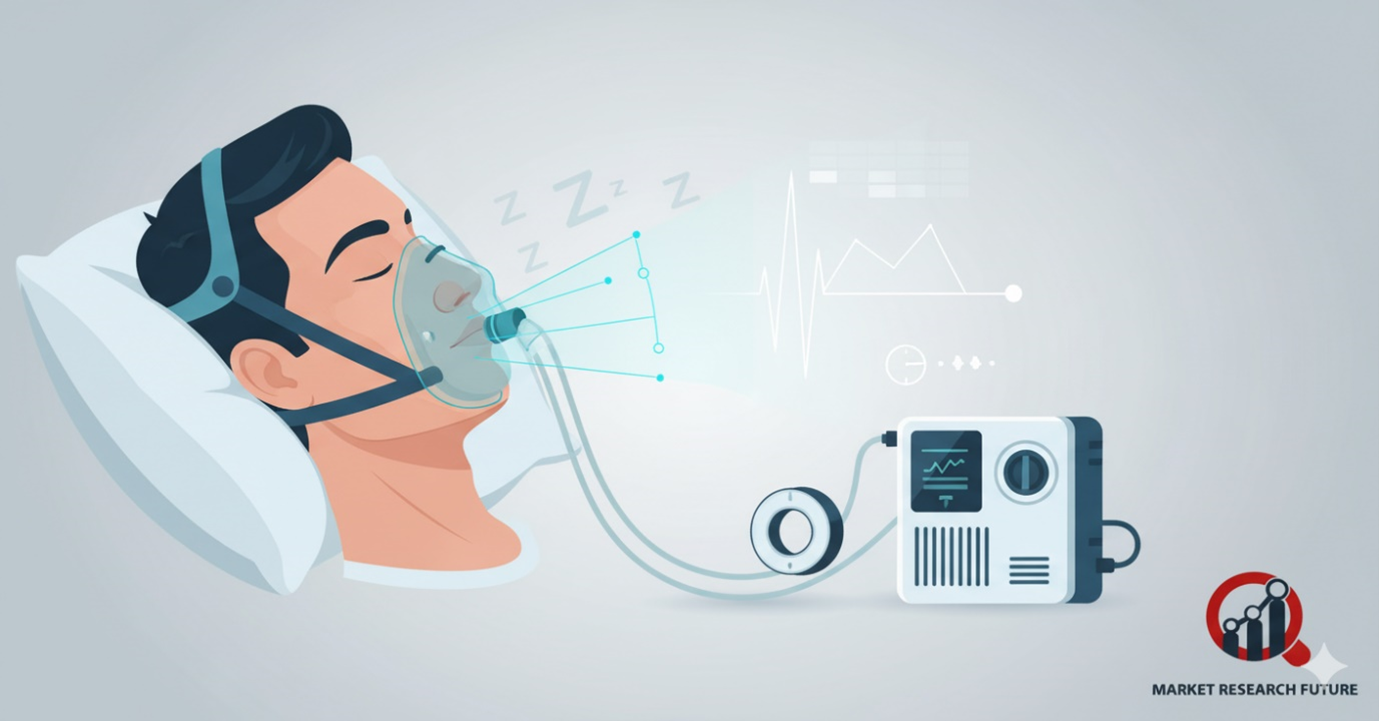
Sleep apnea is described as a chronic disorder that entails the repeated disrupting of an individual’s breath during sleep and impacts millions of people. Sleep apnea is more than just a fatigue disorder. It impacts the individual’s overall health and can result in hypertensive, heart, diabetic, and depressive disorders. The rapid growth of the sleep apnea device market is propelled by technological advancements coupled with innovative patient lifestyle changes.
Market Growth and Expectations
The increase in awareness of sleep apnea symptoms and health impacts, coupled with the aging population, has resulted in increases in sleep apnea treatment and sleep apnea device market, which includes the growth in adoption of CPAP machines, BiPAP, and MAD. Also, the capability of predictive analysis has increased the focus on more personalized healthcare and the treatment of sleep apnea.
Innovation Through Technology
The comfort of the patients and the expected treatment outcomes drive innovation to conform to the patient’s individual disorder, sleep apnea. The aim of innovative technology introduce flexible solutions with the hoped outcome of increased treatment compliance.
- Smart & Connected Devices: New CPAP machines and wearables have Bluetooth capabilities and mobile app functionality, allowing patients to track sleep data and share it with their physicians in real time.
- Artificial Intelligence & Machine Learning: Predict patient adherence, adjust therapy settings, and identify complications with the help of AI-powered analytics.
- Compact & Portable Solutions: The outdated, bulky, and loud sleep apnea machines have noise and operational weight issues addressed in the new line of devices designed for patient comfort and portability, allowing for active sleep apnea patients with lifestyles on the go to be unhindered during trackable sleep & apnea therapy.
The new tech and devices made the experience of therapy with sleep apnea and carry devices so much better; the therapy abandonment rates have made so much progress, they now have sleep therapy abandonment with confidence, challenging them to sleep with apnea and progress.
Market Drivers: What’s Fueling Growth
Public Health Campaigns: Campaigning for sleep health alongside digital wellness resources is encouraging people to diagnose and treat sleep apnea.
Growing Geriatric Population: The elderly cross-section of the population is more likely to have sleep apnea, increasing the demand for devices.
Technological Innovation: The use of AI, HST & Wireless tech, alongside the expansion of data cloud technology, is shaping the future of sleep apnea therapy.
Market Challenges
Like any other rapidly growing market, the sleep apnea device market is not without its challenges:
- Regulatory and compliance delays: Regulatory and legal barriers from the medical device industry, unwilling to screen devices and allocate resources for development, are a driving factor in the delays and increase development costs.
- Expensive devices: Premium-priced devices and technologies will alienate a chunk of customers, especially in low-income areas.
- COVID-19 Challenges: The effects of the pandemic caused partial disruptions of supply chains and triggered elective medical testing to pause; however, the market's focus on post-COVID respiratory health has ignited growth.
Expected Future Growth: A Market Poised for Growth
Expect the growth of the sleep apnea device market to revolve around innovation and ease-of-use technologies. There is a significant increase in spending by corporations on the development of AI-powered diagnostics and wearable technologies to monitor sleep for the purpose of non-invasive treatment and personalized therapy. The integration of telehealth technologies also reframes the approaches to diagnosis and ongoing management of sleep apnea.
As the world wakes up to the value of sleep, the market is likely to grow and will likely offer smarter, more comfortable, and quieter devices that will empower users to actively control their health.
In Summary
The evolution of passive mechanical systems to Sleep Apnea treatment devices to smart, integrated healthcare systems highlights the advancements in the treatment of sleep apnea to intelligent systems. This industry has the potential to enhance sleep health across the globe in the upcoming years.