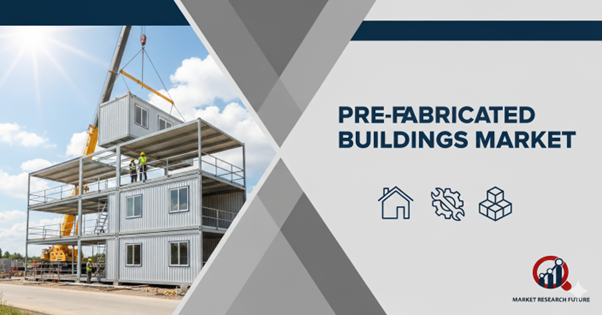
Introduction to the Prefabricated Buildings Market
Prefabricated buildings, also called modular construction, are a big change for the construction industry. The parts or modules that make up these buildings are made in a regulated factory environment away from the site. Then, these parts are taken to the final location so they can be put together quickly. This method cuts down on-site construction time by a lot, causes the least amount of disruption, and guarantees consistent product quality. This is why it is becoming more popular in areas like industrial, commercial, and residential construction.
There is still a lot of demand for this type of construction around the world. The markets in Europe are still strong, but the Asia-Pacific region is growing the fastest. Businesses are deliberately focusing on expanding into new areas to take advantage of this growing demand. They often do this with the help of a network of small and medium-sized local manufacturers that help supply chains in their areas. Key players in the industry are known for offering a wide range of prefabricated solutions, including those that focus on providing building systems that are flexible, scalable, and of high quality.
Setting up Advanced Economic Zones (SEZs)
Governments all over the world are setting up Strategic Economic Zones (SEZs) to promote industrialization and economic growth through planned, long-term development. These areas are very important for bringing in foreign direct investment, generating jobs, and allowing the economy to change in a structural way.
In large developing economies, SEZs are still a big draw for investors. These zones encourage trade and manufacturing by offering incentivized regulatory environments, easier business processes, and sometimes even tax breaks. The main goal is to create an infrastructure ecosystem that is world-class.
The establishment of these defined regions for growth directly fuels the requirement for prefabricated buildings. Companies that are building new factories, logistics centers, or administrative offices in SEZs need construction solutions that are fast, foreseeable, and scalable. Because prefabricated methods fit precisely with the requirement for quick deployment along with standardized, superior structures, they are the best way to build to meet the tight deadlines that come with SEZ development plans. This government's focus on building infrastructure is a big boost for the construction of the modular buildings industry.
What Will Happen Next with Prefabricated Buildings?
More and more, the direction of modern business and industry is leaning toward the unique benefits of prefabricated construction.
The e-commerce industry—the buying and selling of goods and services over the internet—has grown quickly and steadily around the world, especially in the Asia-Pacific region, thanks to more people using the internet and mobile devices. This strong growth has made it necessary to quickly and constantly build up the logistics infrastructure. To stay ahead of the competition and reach more customers, retailers need to always enhance their transportation, storage, and delivery networks. This demand leads directly to a rise in the need for large-scale warehouses, storage shelters, and efficient pickup and drop-off centers. These types of applications are perfect for prefabricated solutions because they can be quickly designed, made, and put together to meet the changing and immediate logistical needs of e-commerce giants.
In the same way, the global manufacturing sector is changing, with efforts to turn countries into world-class production centers. Governments are actively encouraging the growth of factories to help trade and the economy at home. This push for more industry growth means that there is a big and ongoing need for industrial buildings that are flexible, durable, and can be built quickly, like assembly plants, specialized workshops, and big factory units. The manufacturing industry is putting more and more emphasis on flexible production and getting to market faster. This means that construction methods that can keep up, like prefabrication, are in high demand. Prefabrication is the best choice for a dynamic manufacturing environment because it lets you change and adapt spaces as production needs change.
Mergers and Acquisitions are a Key way to grow your Business
The rapid growth of the prefabricated buildings market has made mergers and acquisitions (M&A) a key strategy for major players in the industry. This method is used by many companies to quickly expand their product lines, enter new markets, and keep their market share in a market that is becoming more and more competitive.
The market is mostly driven by the ongoing need for better infrastructure and faster construction timelines. The main benefit of prefabrication is that it saves time and materials, which makes it an essential part of modern development. To stay competitive, businesses have to keep coming up with new products and improving their technology.
To get a stronger presence around the world, manufacturers are putting a lot of money into M&A deals. Companies can quickly learn new skills by buying specialized companies. For example, they can learn how to use advanced digital tools like Building Information Modeling (BIM) or unique mass-timber construction methods. This planned growth is very important for meeting the growing needs of private construction and infrastructure projects. It will help big companies grow their brand recognition and overall market share. This proactive M&A strategy is meant to make sure that growth stays steady and flexible, and that the company can take advantage of new trends and opportunities as they come up in the global construction market.