Introduction to the Pharmaceutical Glass Packaging Market
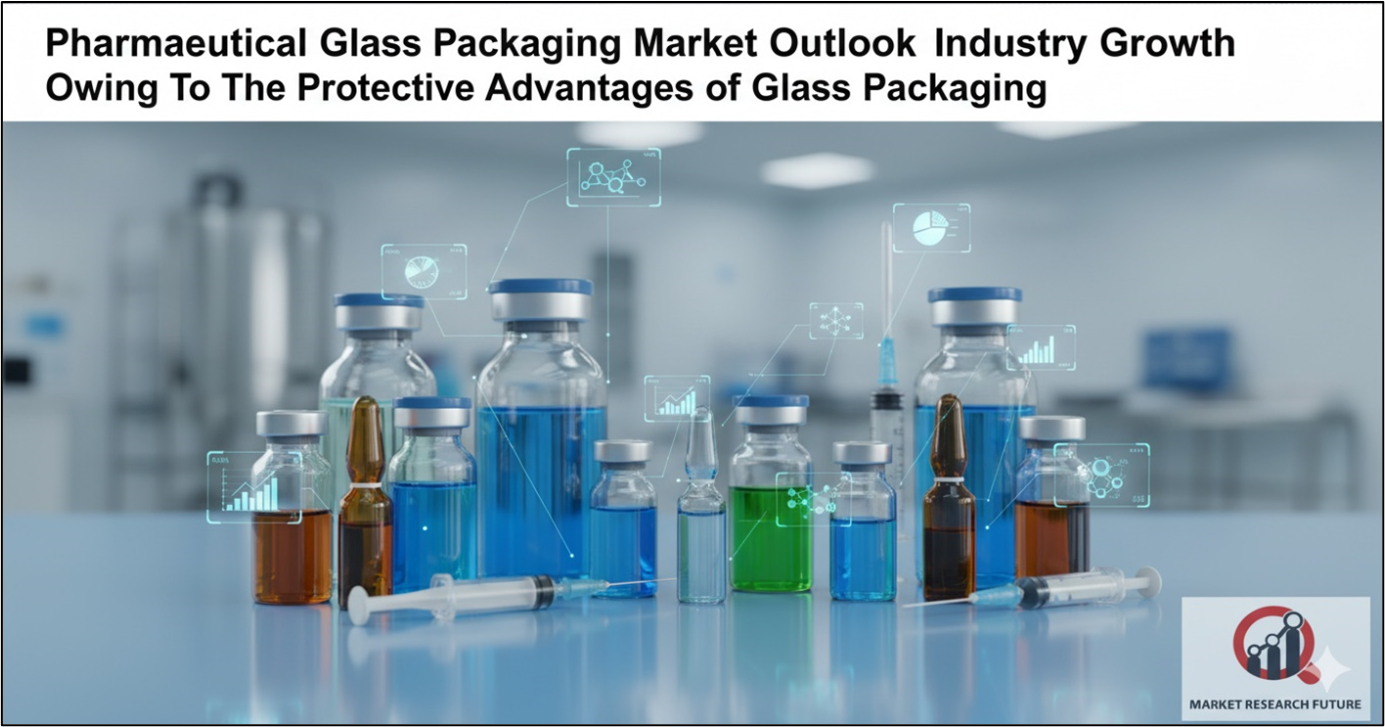
The market for pharmaceutical glass packaging is always changing as new ideas in healthcare come out and the need for safer, more environmentally friendly packaging grows. Glass is still one of the safest materials for storing and protecting medicines, especially liquids, because it is a good barrier and is chemically stable. Glass doesn't react with the substance inside, so the medication stays pure and works well for as long as it's on the shelf.
More and more, drug companies are choosing glass containers because they are strong, hard to break into, and keep sensitive drugs safe. Child-resistant closures, tamper-proof caps, and amber-tinted bottles are now standard. They keep kids safe and protect the contents from harmful UV light. As the industry moves toward more environmentally friendly manufacturing, glass packaging stands out as a recyclable, reusable, and long-lasting choice. This makes it even more important in the modern pharmaceutical supply chain.
Different kinds of glass packaging
There are different types of glass packaging used in the pharmaceutical industry, each designed for a specific need or use:
Borosilicate glass
Borosilicate glass is very strong and doesn't break down when exposed to heat, chemicals, or leaching. It is often used in laboratory instruments and packaging for injectable drugs. It stays stable even when sterilized, which makes it perfect for sensitive formulations and high-purity medications.
Soda-Lime Glass that has been treated
This kind of glass goes through a surface treatment that makes it more resistant to chemicals, so it can be used to store alkali-sensitive substances, infusion fluids, and biological solutions. The sulfur treatment lowers the risk of contamination, which keeps patients safe.
Soda-Lime Glass Regular
People often use regular soda-lime glass to make solid dosage forms like tablets, capsules, and powders. It protects non-reactive drugs well, but it is more likely to break when the temperature changes.
Soda-Lime Glass for General Use
This type is mostly used for topical and oral use. It goes through a lot of quality testing, such as tests for hydrolytic resistance and surface durability, to make sure it works with non-parenteral drugs.
Tests That Are Important for Medical Packaging Glass
Before they can be sold, glass containers go through a lot of quality checks to make sure they are safe and work well. Some of the most important tests are:
Tests for hydrolytic resistance and surface etching to see how well the glass holds up when it comes into contact with water.
Research on how colored glass lets light through to find out how well it protects against UV rays.
Examinations of the glass grain and surface to find any structural flaws.
Analysis of arsenic release to make sure that pharmaceutical safety standards are met.
These tests make sure that glass containers meet the strict rules of the pharmaceutical industry and keep the quality of the product high throughout its life.
Advantages of Glass Packaging
There are many reasons why glass is a good choice for pharmaceutical packaging. It is strong, doesn't react with other things, can handle high temperatures, and is clear, so the product is easy to see and is safe from outside contamination. Colored glass protects light-sensitive medicines even more.
One of its best features is that it is chemically stable. Unlike some plastics, glass does not release harmful chemicals or change the makeup of the medicine. It is also easy to sterilize because it keeps its shape even in very hot water and lets you get rid of all the bacteria and other substances. Also, as sustainability becomes more important around the world, glass packaging fits with the industry's move toward circular economy practices like recycling and reusing.
The Future of Medical Packaging
Glass is still the most popular material for pharmaceutical packaging, and its importance will only grow as manufacturers look for ways to make their products safer and more environmentally friendly. Recycled glass is at the forefront of innovation because people are moving toward eco-friendly solutions.
Research into other types of packaging materials is still going on, but glass will always be important in healthcare because it is the purest, safest, and most recyclable material. For the time being, glass will continue to be an important part of keeping life-saving medicines safe and keeping the global pharmaceutical industry honest.
For online publishing, would you like me to add keywords and meta details (like "pharmaceutical glass packaging trends," "sustainable drug packaging," etc.) to this version to make it more search engine friendly? If this is for a web article, it can help people see it more.