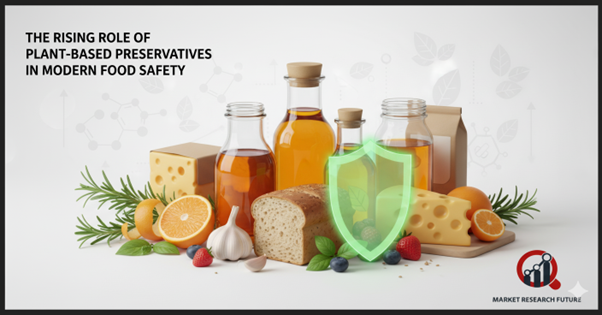
The market for natural antimicrobials worldwide: trends and projections through 2025
In the contemporary food industry, natural antimicrobials are becoming indispensable components. Animals, microbes, and plants are their main sources. The food product and its components determine the kind of natural antimicrobial that is chosen. Antimicrobials derived from microorganisms are frequently found in meat and dairy products because they are effective against specific bacteria and have little effect on molds and yeasts. Certain antimicrobial formulations, like undefined fermentates, are less effective but, in some areas, can be marketed under more straightforward names, giving food producers more options.
Natural Antimicrobials' Development in the World Market
The market expansion for natural antimicrobials is directly related to advancements in food preservation methods. Food producers are always looking for safer methods to increase shelf life as microorganisms, parasites, and other small-scale pathogens change. Demand for natural preservatives is increasing, especially in developed nations, as consumers' health consciousness and preference for chemical-free food grow.
The sources that are receiving the most attention are plants and microbes. Plant extracts, herbs, and spices are being used as potent antimicrobials, and manufacturers can now mass-produce pure compounds thanks to sophisticated extraction technologies. Research and development expenditures are essential for improving these extraction techniques, increasing productivity, and diversifying product lines. Developing this sector puts producers in a position to benefit from the substantial expansion of the worldwide antimicrobials market.
Clean-Label and Vegan Trends Drive Market Growth
The demand for plant-based natural antimicrobials is rapidly increasing as clean-label and vegan products gain popularity. These preservatives are ideal for consumers who prefer sustainable food solutions and natural, identifiable ingredients. In food and beverage applications, essential oils and plant extracts are becoming more widely used, which is further opening the market to new competitors and fostering innovation.
Essential oils are one of the most widely used plant-based antimicrobials. Because of their inherent preservative properties and suitability for clean-label requirements, citrus oils in particular are being used more and more in drinks, snacks, and processed foods.
Plant-Based Substances: A More Detailed Examination
Antimicrobials derived from plants are generally classified into phenolics, phytoalexins, essential oils, and other bioactive substances. Pressing, solvent extraction, steam or supercritical distillation, and other techniques are frequently used to extract these compounds. The variety and potency of the antimicrobial compounds produced are strongly influenced by the extraction process.
Certain substances, like the terpenes in essential oils, have several ways of preventing the growth of microorganisms. For example, some terpenes are very effective at naturally preserving a variety of food products by interfering with yeast enzymes, which depletes energy and disrupts structural synthesis.
Market Dynamics: Regional Perspectives
The market for natural antimicrobials is still dominated by North America. The landscape of food preservation is changing as a result of large-scale cheese production and growing consumer demand for preservatives free of chemicals. In this area, vegan and health-conscious consumers are especially taking an interest in plant-based antimicrobials.
Stricter rules on acceptable preservatives and their amounts in food products are part of Europe's more stringent regulatory environment. These rules guarantee safety and effectiveness while promoting innovation in natural antimicrobials.
Asia-Pacific is becoming a major growth region, especially in China and India. Adoption of natural antimicrobials is being fueled by government support, rising health consciousness, and a move toward food products free of chemicals. The market in this area is anticipated to grow significantly as consumers place a higher value on sustainable, safe, and natural food options.
The Viewpoint of a Market Analyst
Due to the growing demand from clean-label and vegan consumers, leading manufacturers are concentrating on antimicrobials derived from plants and microorganisms. Innovation, extraction technique optimization, and antimicrobial efficacy are all greatly aided by research and development.
The market for natural antimicrobials is directly benefiting from the rising demand for organic, gluten-free, and functional foods. But there are still issues with extraction and purification, which can be expensive and resource-intensive. Manufacturers are looking for creative ways to cut expenses, simplify production procedures, and preserve the effectiveness of natural substances.
The Path Ahead
Natural antimicrobials appear to have a bright future. Plant-based and microbial preservatives will be essential as the global food industry continues to place a high priority on sustainability, safety, and health. They will become an essential component of the contemporary food supply chain as extraction and formulation techniques continue to advance in effectiveness and affordability.
Natural antimicrobials are no longer merely a fad; they are now the norm for food preservation globally due to rising consumer awareness, regulatory support, and technological developments. Manufacturers who make investments in clean-label products, sustainability, and research are well-positioned to take the lead in this vibrant and quickly growing market.