Mountain Bike Footwear Socks Market
The market for mountain bike shoes and socks in 2025 is a dynamic mix of technology, performance, and lifestyle appeal. Manufacturers are making products that not only make riding more efficient, but also more comfortable and safe on rough terrain. Today's shoes have high-tech features like reinforced toe protection, lightweight sole engineering, adaptive fit systems, and fabrics that let air in but keep water out. Premium designs now come with speed lacing systems, shock absorption technology, and quick-drying materials. This makes sure that riders have a smooth ride no matter what the weather is like.
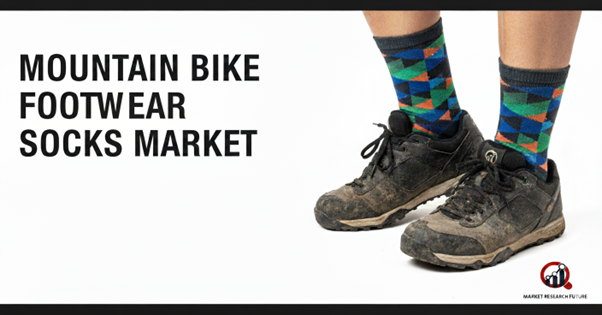
Mountain bike socks have also changed from being just accessories to being important parts of improving performance. Some of the most important features are antimicrobial fibers, compression support, fabrics that wick away moisture, and fabrics that keep you cool. These features give riders an edge over regular shoes and socks, which is why both recreational and professional cyclists want them.
Women Riders on the Rise: A New Force in Mountain Biking
The rapid rise in the number of women who mountain bike is one of the biggest changes that is changing the market. The sport used to be mostly for men, but now there are a lot of women riders all over the world. This has made companies rethink how they design things and put more emphasis on making them accessible to everyone.
Now, top companies make lines of products just for women that are lighter, fit better, and make things more comfortable. Socks are being made with better cushioning and flexibility, and shoes are being made with 3D-fit technologies, customizable insoles, and more ankle support. These changes not only increase participation but also give manufacturers a lot of chances to expand their product lines and build brand loyalty.
The Digital and Social Media Revolution in Product Marketing
In the past few years, the way that mountain bike shoes and socks are marketed has changed a lot. Digital and social media platforms are the most important ways for brands to connect with customers because they let companies target specific groups of people with great accuracy. Short videos, partnerships with influencers, and interactive content like augmented reality try-ons are changing the way people interact with brands.
More and more, brands are using stories to connect with their customers. Modern consumers really connect with campaigns that focus on adventure, sustainability, and rider experiences. Brands can also get feedback in real time on online platforms, which helps them make custom products and limited-edition launches. This direct-to-consumer method makes things more personal, open, and community-oriented, which boosts brand recognition and consumer trust.
North America and Europe: Still Leading the Pack
Mountain biking has become a global sport, but North America and Europe are still the biggest markets. There is a steady demand for specialized shoes and socks because there are well-established biking trails, organized competitions, and strong cycling communities. Investment in infrastructure for outdoor recreation and government support for adventure tourism have made it even easier for people to use the products.
Mountain biking has become a cultural movement and a sport in Europe, especially. Cycling groups are actively promoting events and encouraging everyone to join in, which helps the region grow its presence in the global market. Collaborative projects between biking groups and communities have gotten people of all ages and genders involved, which has created a steady demand for high-performance gear.
North America is also a great place for advanced product launches because of its strong biking culture and cutting-edge technology. Riders here care most about style, durability, and being environmentally friendly. This has led brands to use eco-friendly materials and make their products in ways that are good for the environment.
Emerging Economies: The Next Wave of Growth
Mountain biking is quickly becoming popular in new economies in Asia, Latin America, and Africa, in addition to its traditional strongholds. Interest in mountain biking as a sport and a way of life has grown because of the rise of adventure tourism, health awareness, and disposable income.
Local governments and private investors are putting money into building biking parks and trail networks, which is driving up demand for specialized products. Brands are taking advantage of this chance to grow their distribution networks, create products for specific regions, and work with local communities. Because of this, these areas are becoming important places for the mountain bike footwear and socks market to grow.
Competitive Situation: A Race to Come Up with New Ideas
As brands try to make their products stand out, competition in the mountain bike shoes and socks industry has gotten tougher. Companies are using both organic strategies, like coming up with new ideas in-house and customizing products, and inorganic strategies, like forming partnerships, working together, and buying other companies.
Technology is still the most important thing that sets things apart. High-end models now come with advanced sole materials that make it easier to transfer power, adaptive ventilation systems, and membranes that keep out the weather. Brands also stand out because they offer customization options, such as custom fits and designs that look good.
Working with professional riders and influencers has been especially helpful. Brands can build aspirational value and trust in the community by linking their products to well-known biking personalities. Celebrity endorsements and experiential marketing campaigns make sure that the products not only work well but also fit with current lifestyle trends.
Sustainability has also become a way to get ahead of the competition. Consumers who care about the environment are more likely to buy from companies that use recycled fabrics, biodegradable packaging, and ethical sourcing. This move toward responsible innovation is not only making people think better of brands, but it is also bringing the industry in line with global environmental goals.
Do Specialized Shoes and Socks Really Matter? The Answer is Yes
Casual riders often ask if they really need shoes and socks made just for mountain biking. But by 2025, their role will be clear. Mountain bike shoes are made to give you the best grip, durability, and protection on trails that are hard to predict. The special soles make sure that the power is used efficiently, and the reinforcements protect riders from getting hurt on rough terrain and when they hit something unexpectedly.
Socks, too, are not ordinary at all. They make long rides more comfortable by having antimicrobial fabrics, compression features, moisture management, and thermal protection. These socks make riding better by lowering the risk of blisters, improving blood flow, and keeping the temperature stable.
These products are essential for professional riders because they give them control, comfort, and confidence. They change the experience for recreational riders, making mountain biking safer, more fun, and focused on performance.
Final Thoughts
The market for mountain bike shoes and socks in 2025 is at the crossroads of new ideas, openness, and long-term viability. The industry has grown into a forward-thinking ecosystem that includes everything from cutting-edge technology to designs made just for men and women, from immersive digital marketing to eco-friendly production. Established regions will continue to lead the way, while emerging economies will drive the next wave of growth. The future of the market looks bright for both manufacturers and riders.