Home Healthcare Revolution: Redefining Patient Care Beyond Hospital Walls
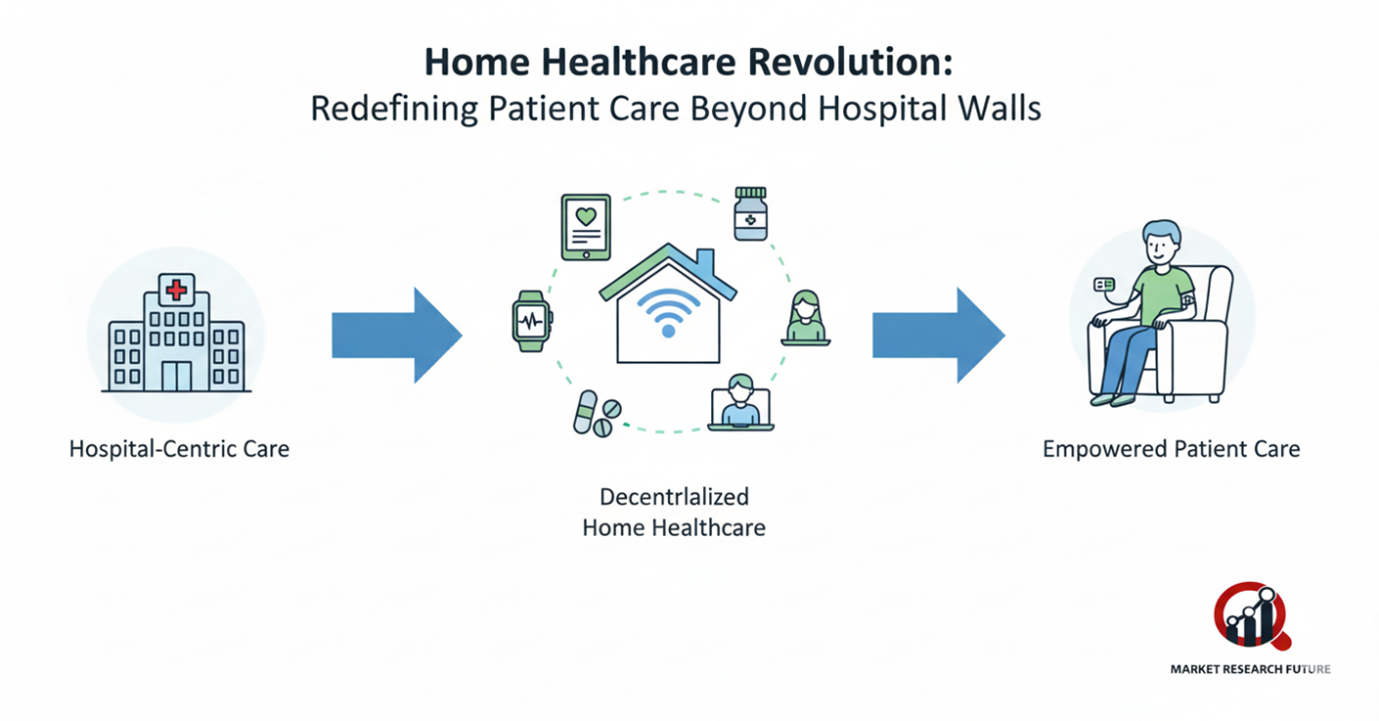
Home healthcare is one of the newest forms of services for medicine, offering care to those with chronic illnesses or recovering from surgery in the comfort of their own home. By focusing on care at home instead of a hospital, patients receive easier, cheaper, and customizable services. This makes home healthcare a viable and strong option for patients.
Home Healthcare and Advancements of Technology
While a patient's healthcare needs are met at home, healthcare services use technology to facilitate the needs of home healthcare. New and improved healthcare technology, such as blood pressure cuffs, glucose monitors, pulse oximeters, fitness trackers, and sleep apnea monitors are game-changer. Blood pressure cuffs, or blood pressure cuffs, have become very common and portable, making them easier to use and take care of patients and are often used for those who have anxiety and other cardiovascular problems.
Leading the market in connected and portable blood pressure cuffs and other devices is Omron Healthcare. Other devices and services are also offered by Withings, iHealth, and many other companies.
Diabetes and Growing Demand for At-Home Monitoring
The growing number of people with diabetes is a major reason why more and more people want home monitoring and diagnostic devices. The World Health Organization reported that over 422 million adults were living with diabetes in 2016, a number which is expected to double by 2025. Rapid urbanization, sedentary lifestyles, and poor eating habits are some of the worst culprits.
The increase in diabetes patients has positively impacted the growth of POCT (Point-of-Care Testing) technology, which gives users fast and reliable results. With the increased awareness of at-home health, the portable and connected glucose monitors that provide real-time sugar levels are expected to increase tremendously in demand.
Pulse Oximeters: New Devices in Connected Health Care
Pulse oximeters are important monitoring devices under connected health care, and are now gaining popularity in home healthcare. These devices provide real-time monitoring of a patient’s oxygen saturation levels and pulse rate, which is important for people with circulatory issues, asthma, anemia, and even patients with heart failure. The latest connected healthcare technology has made smartphones and wireless pulse oximeters more affordable and accessible.
Tech behemoths such as Samsung have integrated oximetry functionality into the Galaxy S5 series, allowing customers to track their oxygen levels using the Samsung wearables. Emergency services, sports medicine, and even the aviation industry have come to rely on the portability and cost-effectiveness of these devices, as well as the fact that they are non-intrusive.
The growth of the home healthcare industry in the Asia Pacific.
The Asia Pacific region, due to its urbanizing middle class and population, is resulting in unparalleled healthcare growth. China, India, Japan and South Korea have low costs of production and government assistance, resulting in the region becoming a manufacturing center for home healthcare products. These markets are driven by the local imagination and creativity, as they see the development of home fitness and health tracking devices manufactured to meet customers' changing needs.
Transformational Leaders of The Market
Remote patient monitoring, as well as home diagnostics, are the primary pioneering focuses of the international corporate entities Philips and Roche. Philips is continuing its legacy of development for connected medical devices, while Roche collaborates with Qualcomm to promote digital platforms aimed at easing the management of chronic illnesses.
Regulations and Quality Driving Consumer Trust
High-quality standards, safety, and performance of medical devices are being reinforced in both advanced and emerging economies. These frameworks do not just build patient trust, but also fuel innovation and compliance from manufacturers. Cost-effective and accessible, home healthcare is being promoted by government policies.
Conclusion
With patients desiring convenient and connected monitoring devices, healthcare is increasingly being shifted from hospitals to homes, which spells considerable growth for the home healthcare market. A more personalized, efficient, and sustainable healthcare ecosystem is being created using the convergence of IoT, AI, and remote monitoring technologies to truly put the patient at the center of care.