The Science Behind Gas to Liquid (GTL)
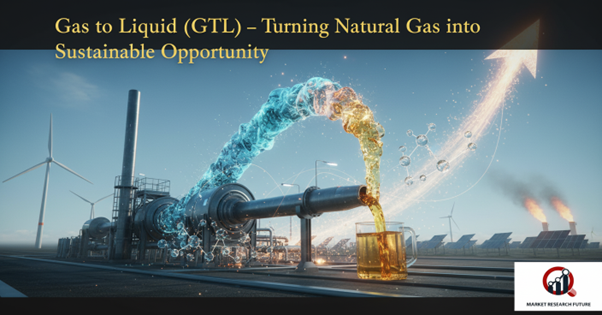
Gaseous hydrocarbons, primarily natural gas, can be converted into longer-chain liquid fuels and chemical feedstocks using gas-to-liquid (GTL) technology. Methane-rich gases are transformed into synthetic fuels like diesel, kerosene, naphtha, waxes, and specialty oils through procedures like syngas conversion and Fischer-Tropsch synthesis. This conversion pathway provides a viable way to produce cleaner, higher-quality liquids while utilizing plentiful gas reserves.
The feed gas is first purified in the GTL process to remove impurities such as mercaptans and sulfur compounds. After being cleaned, the gas is sent to a stage called syngas generation, where it undergoes partial oxidation or reformation to produce syngas, which is a mixture of carbon monoxide and hydrogen. This syngas undergoes additional purification before going into the Fischer-Tropsch reactor, where a catalyst coordinates the formation of longer hydrocarbon chains. Through the use of cracking, hydrocracking, fractionation, and finishing units, the resultant liquids are refined and customized into petrochemical intermediates and usable fuels.
As part of their energy transition roadmap, regions with abundant natural gas reserves are increasingly using GTL. GTL promises to provide a flexible and efficient link between the world's need for cleaner liquid fuels and specialty products and the abundance of gas.
Players in the Global Deployment and Market
Globally, GTL technology has become popular, particularly in areas keen to turn gas wealth into products with added value. Large-scale initiatives in the Middle East and Africa advance the GTL deployment frontier. Global energy companies are putting themselves at the center of this change, from specialized technology developers to legacy oil majors.
Wider adoption is made possible by technology licensing and strategic partnerships. For companies looking to combine their knowledge of traditional hydrocarbons with next-generation clean fuels, GTL systems have emerged as a competitive frontier. Innovation in modularity, catalyst systems, and energy efficiency is also a key component of the push, in addition to scale.
Top GTL Installations & Local Patterns
GTL installations are now essential industrial assets rather than experiments in areas with abundant natural gas. Integrated developments in the Middle East supply premium fuels and chemical inventories by combining downstream refining infrastructure, gas fields, and GTL plants. GTL plants in Africa and some parts of Asia are moving away from one-off installations and toward satellite or modular units that use smaller footprints to tap local gas fields.
Particularly when it comes to expanding and integrating product exports with international markets, Shell's GTL advancements remain industry standards. Medium-sized GTL units in Asia have demonstrated the model's adaptability. By transforming stranded gas into marketable liquid products and establishing local value chains, GTL projects in Africa integrate energy development with industrialization goals.
GTL Potential & Cleaner Energy Imperatives
Interest in cleaner fuel pathways is growing as a result of growing climate concerns and emission reduction targets. Although GTL is not entirely renewable, it provides a transitional route by turning cleaner hydrocarbons like methane into fuels with reduced sulfur, fewer impurities, and better combustion characteristics. When compared to traditional crude-derived fuels, GTL products usually have cleaner burning characteristics and better stability.
To further reduce carbon footprints, emerging GTL systems are being hybridized with bio-gas streams, renewable hydrogen, or carbon capture. Waste CO₂ is recycled into feedstock or sequestered in certain designs. The enhanced heat transfer, lower capital intensity, and scalability of novel reactor architectures—like modular plants and micro-channel reactors—are drawing interest in emerging markets.
Economic and Technical Difficulties
GTL is an advanced technological project. Complex tasks include integrating downstream units, optimizing syngas stoichiometry, controlling reactor heat, and maintaining catalyst stability. Entry barriers are increased by high capital costs, energy intensity, and the requirement for ongoing operational excellence.
Economically speaking, GTL has to contend with both traditional refining and alternative low-carbon fuel sources. Project economics are impacted by feed gas costs, carbon regulations, and oil price volatility. GTL installations must exhibit definite benefits in terms of flexibility, integration, and emissions performance as green hydrogen, electrification, and biofuel technologies gain popularity.
Prospects for the Future: GTL in the Energy Transition
GTL is establishing itself as a strategic bridging technology by 2025 and beyond. It is more likely to supplement renewables and biofuels than to replace them, particularly in areas with abundant gas resources that require stable liquid fuel supplies.
The Following are Important Trends Influencing GTL's Future:
- Modular & Small-Scale GTL: Advances in small reactor technology allow for gas-to-liquid conversion at a smaller scale, nearer to remote operations or scattered gas fields.
- Hybrid Feedstocks and Blends: incorporating captured CO₂, renewable hydrogen, or biogas into GTL pathways to strengthen low-carbon credentials.
- Emission Mitigation Integration: To reduce net CO2 emissions and meet regulatory requirements, GTL is combined with carbon capture, utilization, or storage (CCUS).
Plants that can transition between waxes, chemical precursors, or synthetic fuels based on market demand are known as flexible operations and product slats.
The anchor of the regional energy strategy is GTL, which transforms locally accessible gas into chemical feedstocks and transportation fuels, thereby serving as a tool for industrial development and energy security.