Gas Sensors: A Must-Have!
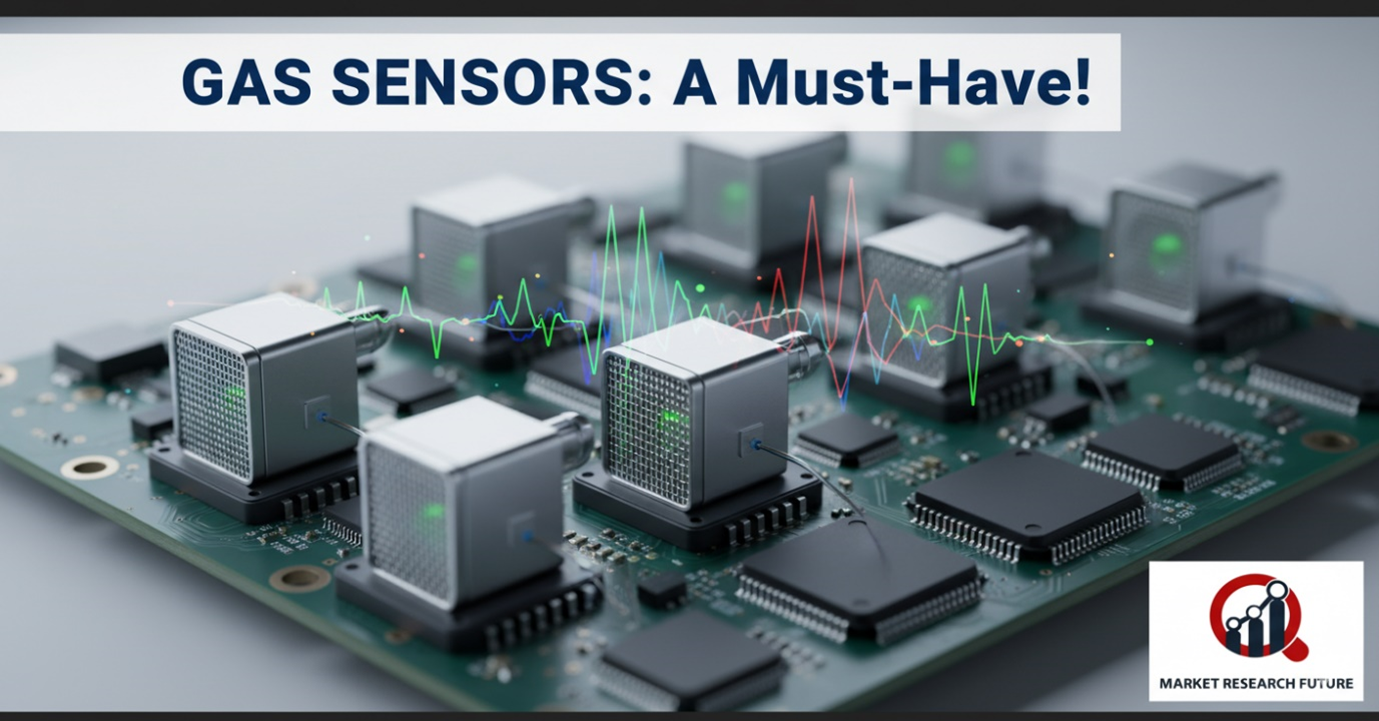
Safety has become very important in a world where industrialization and modern living are the norm. Gas leaks are a big problem in factories, refineries, and even your own kitchen. A tiny spark or a leak that goes unnoticed can have terrible effects. This is where gas sensors, also called gas detectors, come in as unsung heroes. These small, smart devices are made to find dangerous gases and warn users before something bad happens. This stops explosions, poisoning, and damage to the environment.
How Gas Sensors Work
Gas sensors are advanced electronic devices that can be either portable for use on the go or fixed for constant monitoring. They can tell when there are too many harmful gases or smoke in the air and sound or light alarms when that happens. Some high-tech detectors can even keep an eye on the temperature and humidity to give a full picture of the safety of the area.
The sensor sends out a warning signal as soon as the level of toxic gas goes above the set threshold. This early warning system gives people or businesses a lot of time to take safety measures, like shutting down, ventilating, or evacuating, which lowers the risk of damage.
Things to Think About Before Picking a Gas Sensor
It is very important to choose the right gas sensor because not all of them are made for the same gases or places. The type of gas, the level of sensitivity, and the place where it is installed are all important factors that affect performance. A factory that makes chemical compounds, for example, will need sensors that are more precise and resistant than an LPG detector for the home.
There are five main types of gas sensors: metal oxide sensors, infrared sensors,
photoionization detectors, semiconductor sensors, and laser detectors. Each one has a different job, like finding toxic fumes or combustible gases.
Gas sensors are important for keeping homes safe. Small leaks in hoses or loose regulators are to blame for many LPG explosions. Modern systems like Wireless Sensor Networks (WSN) and Arduino UNO-based detectors come with smart features to stop these kinds of accidents from happening. These sensors can not only set off alarms, but they can also turn off the gas valve and send alerts to the homeowner's phone, so they can respond right away, even when no one is home.
Uses for Gas Sensors
Gas sensors are now a necessary part of homes and businesses. They can be used in many different fields:
Industrial Units: Gas sensors are very important in chemical plants, paper mills, and pharmaceutical manufacturing because they can find leaks that could cause big problems. They keep people safe and keep expensive infrastructure safe.
Households: These sensors protect families from threats that can't be seen or smelled by detecting leaks of LPG or carbon monoxide.
Hotels and restaurants have these installed to stop smoking or detect gas leaks in the kitchen. This keeps guests safe and follows safety rules.
Oil and gas rigs are very important for keeping an eye on dangerous or flammable gases and making sure that people can work safely in high-risk areas.
Aviation Industry: Used in aircraft fuel systems to keep oxygen levels stable and stop explosions.
Do you need to use gas sensors?
Yes, gas sensors are not optional; they are necessary. Exposure to gas can cause serious health problems, some of which are permanent, such as breathing problems, brain damage, and even death. Also, leaks that aren't fixed can hurt the environment by polluting the air and harming ecosystems.
By using these smart devices together, people and businesses can help protect people and the planet. Installing gas sensors is no longer a luxury; it's a must because technology is getting smarter and cheaper.
What Gas Leaks Can Do to You
The effects of gas leaks go far beyond just physical damage. You can get back your money, but the mental and physical effects last a long time. There have been many tragic gas-related events in the past that show how important it is to use technology to stop them from happening again. From leaks in industrial plants that affected thousands of people to explosions in homes caused by problems that went unnoticed, each event is a clear reminder of how important it is to be careful.
Need for Gas Sensors
Gas sensors are being used more and more in all fields as safety rules get stricter and people become more aware of them. These devices are now a necessary part of modern infrastructure because more and more people are concerned about workplace safety, smart homes, and sustainable environments. Gas sensors are now small but powerful. They can monitor things in real time, connect to the Internet of Things (IoT), and control things automatically. This changes the way we keep ourselves safe.
Last Thoughts
Gas sensors are more than just tools; they keep people safe. They are necessary in today's world because they can find, warn, and stop life-threatening situations. Putting in a gas sensor is more than just a safety measure; it's also a way to feel safe. There is no reason to wait when technology can save lives. Prevention is always better than tragedy.