Global Frozen Fruits Market Outlook: Trends, Growth Drivers, and Opportunities
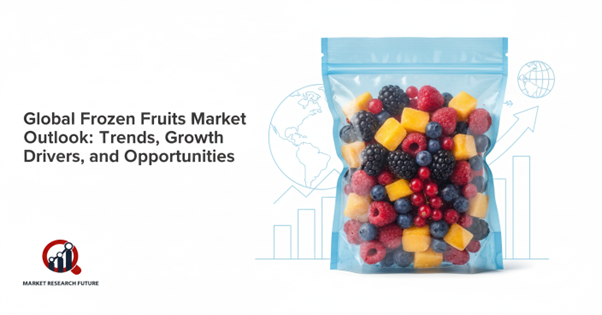
The global frozen fruits market has been experiencing steady growth over the past few years. Increasing health awareness, busy lifestyles, and the convenience of ready-to-use fruits are driving demand across households, restaurants, and the food processing industry.
Frozen fruits provide consumers with the benefits of fresh produce while offering longer shelf life and minimal wastage, making them a preferred choice worldwide.
Global Frozen Fruits Market Overview
Frozen fruits are harvested at peak ripeness and quickly frozen to preserve nutrients, taste, and texture. Common varieties include berries, mangoes, pineapples, and grapes, which are widely used in smoothies, desserts, bakery products, and ready-to-eat meals.
The market is segmented based on product type, application, and distribution channel. Retail and e-commerce are increasingly important distribution avenues, enabling easy access for end consumers and boosting overall sales.
Global Frozen Fruits Market Dominating Trends
Several trends are shaping the global frozen fruits market. Health and wellness trends are driving consumers toward nutrient-rich frozen fruits as part of balanced diets. Organic and exotic fruit varieties are gaining popularity, offering new taste experiences and perceived health benefits.
Brands are also focusing on premium and convenient packaging, such as resealable pouches and pre-portioned packs, which improve usability and reduce spoilage. Additionally, innovations in quick-freezing technology ensure better preservation of color, flavor, and nutritional value.
Global Frozen Fruits Market Growth Drivers
Several factors fuel the growth of the frozen fruits market.
- Rising Health Awareness: Consumers are increasingly seeking nutrient-rich, antioxidant-packed fruits to support immunity and overall well-being.
- Busy Lifestyles: Frozen fruits offer convenience for cooking, snacking, and preparing smoothies or desserts, appealing to working professionals and young families.
- Food Processing Industry Demand: Frozen fruits are widely used in juices, ice creams, jams, bakery products, and ready-to-eat meals, driving bulk purchases by manufacturers.
- Extended Shelf Life: Unlike fresh fruits, frozen variants reduce wastage, which is especially valuable for retailers and households.
- Emerging Markets: Rising disposable income and urbanization in regions like Asia-Pacific and Latin America are increasing frozen fruit consumption.
Opportunities in the Global Frozen Fruits Market
Several opportunities exist for market expansion and innovation.
- Organic and Exotic Varieties: Growing consumer preference for organic, non-GMO, and exotic fruits opens avenues for new product development.
- E-commerce Expansion: Online grocery shopping platforms provide a convenient channel to reach a wider customer base.
- Sustainable Packaging: Eco-friendly and recyclable packaging solutions are gaining attention from environmentally conscious consumers.
- Frozen Fruit Blends: Pre-mixed fruit packs for smoothies and desserts present new value-added offerings.
- Collaborations with Foodservice Providers: Partnerships with cafes, restaurants, and juice bars can increase bulk demand and brand visibility.
Global Frozen Fruits Market: The Future
The frozen fruits market is poised for sustained growth as consumers continue to prioritize health, convenience, and quality. Technological advancements in freezing, packaging, and logistics will further improve product accessibility and shelf-life. The market will benefit from rising awareness about organic produce, expansion into emerging markets, and increased integration with e-commerce platforms.
Overall, the global frozen fruits market is evolving rapidly, combining convenience, nutrition, and innovation. Companies that focus on product variety, quality, and consumer-friendly solutions are likely to capture significant market share in the coming years.