Food Preservatives in 2025: Keeping Taste and Safety
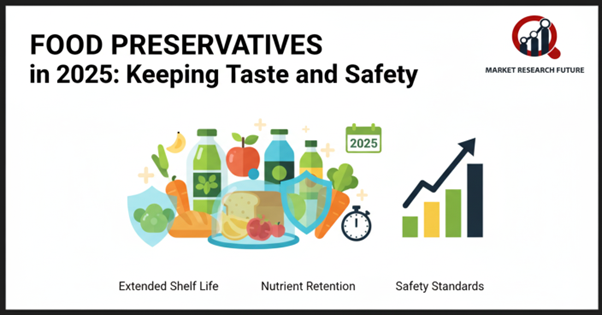
Modern Preservatives and Changing Consumer Tastes
Food is important for more than just staying alive; it's also important for health, enjoyment, and culture. As life gets busier and convenience foods become more common, the job of food preservatives has become more complicated. In 2025, people are more aware than ever of what they buy. They want things that last, but they also want things that feel honest, clean, and trustworthy. People want preservatives, which are chemicals that are added to food to keep it from going bad and make it last longer on the shelf. It's still important how well they keep food safe, but how they are made, labeled, and seen has changed a lot.
Packaged, frozen, and ready-to-eat foods still need preservatives to keep them safe, look good, and last longer. But people today think more than just "long shelf life." They want clear labels, few ingredients, natural sources, and safety that is backed by science. The new food preservative market is based on a balance: keeping food fresh without losing the trust of customers.
The Growing Gap between Natural and Synthetic
For a long time, synthetic preservatives have been the most popular choice because they work well, are cheap, and can be used in a lot of different ways. They work well when the temperature rises, keep foods with a lot of moisture safe, and food producers know how to use them. But synthetic options are now facing more and more pressure from rules, public health issues, and changing consumer tastes.
Natural preservatives, on the other hand, are becoming more popular. These include plant extracts, antimicrobials from herbs, antimicrobial peptides, and compounds that come from fermentation. Producers are finding ways to use antioxidants from rosemary, citrus, and oregano; acids that are naturally found in fruits or vinegars; or microbial compounds like natamycin. These other options promise to preserve things more gently, give them more natural flavors, and make the brand more appealing to health-conscious people. However, natural choices often come with trade-offs, such as higher cost, possible changes in taste or smell, less protection, or more use.
The current trend in the market shows that synthetic preserving power is still in demand, especially for foods that are high in volume and low in cost. But options that are natural and have clean labels are growing faster, especially where brands can charge more for the idea of health or purity.
What Is Driving the Move Toward “Clean”
There are a number of things that are causing change in the preservation field:
- Clean-Label Demand: Ingredients that people can say and understand where they come from. Labels should be clear about what is added and what is not added.
- Regulatory Pressure: Food authorities all over the world are changing the levels that are allowed and limiting the use of some synthetic preservatives in organic or specialty food areas. Some synthetic additives are being looked at again or are slowly being phased out.
- Food Safety and Shelf Stability Requirements: Natural preservatives must also meet high standards for safety, effectiveness, and microbial control. New ways to extract, stabilize, and mix (for example, mixing natural antimicrobials with packaging technologies) help things work better.
- Expectations for taste and smell: Natural preservatives can change the taste or smell of a product, which can be a problem, especially for delicate ones. Producers who know how to keep flavor while preserving it win over customers.
- Realities of cost and supply chains: It can be more expensive to get natural extracts, but synthetic preservatives often have more reliable supply chains. To make natural preservation work on a larger scale, the cost, stability, and source reliability need to improve.
Geographic Drivers and Market Hotspots
Different parts of the world are showing the same trends, but with their own twist:
In Europe, organic standards and clean-label certification are big reasons why people buy organic food. Rules often keep synthetic preservatives out of organic food and make some additives less common than in other areas.
There is both consumer push and regulatory pull in North America. Many producers are voluntarily changing their formulas as safety standards rise.
In the Asia-Pacific region, urban growth, rising disposable income, and a demand for processed and convenience foods are all driving up the use of preservatives. But natural preservatives are quickly becoming popular in high-end foods, health foods, baby food, and snacks.
Other new markets are catching up. The preservative market is growing because people want products that last longer in hot places, the cold chain infrastructure is getting better, and people are becoming more health-conscious.
New Ideas and Moves to Stay Ahead of the Competition
To do well, businesses are using a number of different strategies:
- Investing in research and development: Product developers are working on new natural antimicrobial agents, antioxidant systems, and hybrid formulations that combine the safety of synthetic materials with the natural perception of them.
- Packaging Integration: Researchers are looking into active packaging (which slowly releases preservatives from the packaging), coatings, or antimicrobial films to cut down on the amount of preservatives in the food itself.
- Label Simplification and Certification: Brands want seals that say "clean label," "organic," or "no artificial." People are paying attention to these claims because they are so powerful in marketing.
- Strategic Partnerships and M&A: Companies that work together, like food producers and ingredient innovators, help get new preservative systems on the market faster. Acquisitions can help make supply chains stronger or add to the range of natural preservatives.
Cost Optimization: Companies are making natural preservatives possible by improving extraction methods, optimizing concentrations, increasing yield, and finding new plant sources.