Redefining Enteral Nutrition Feeding Systems Market by Digital Monitoring and IoT
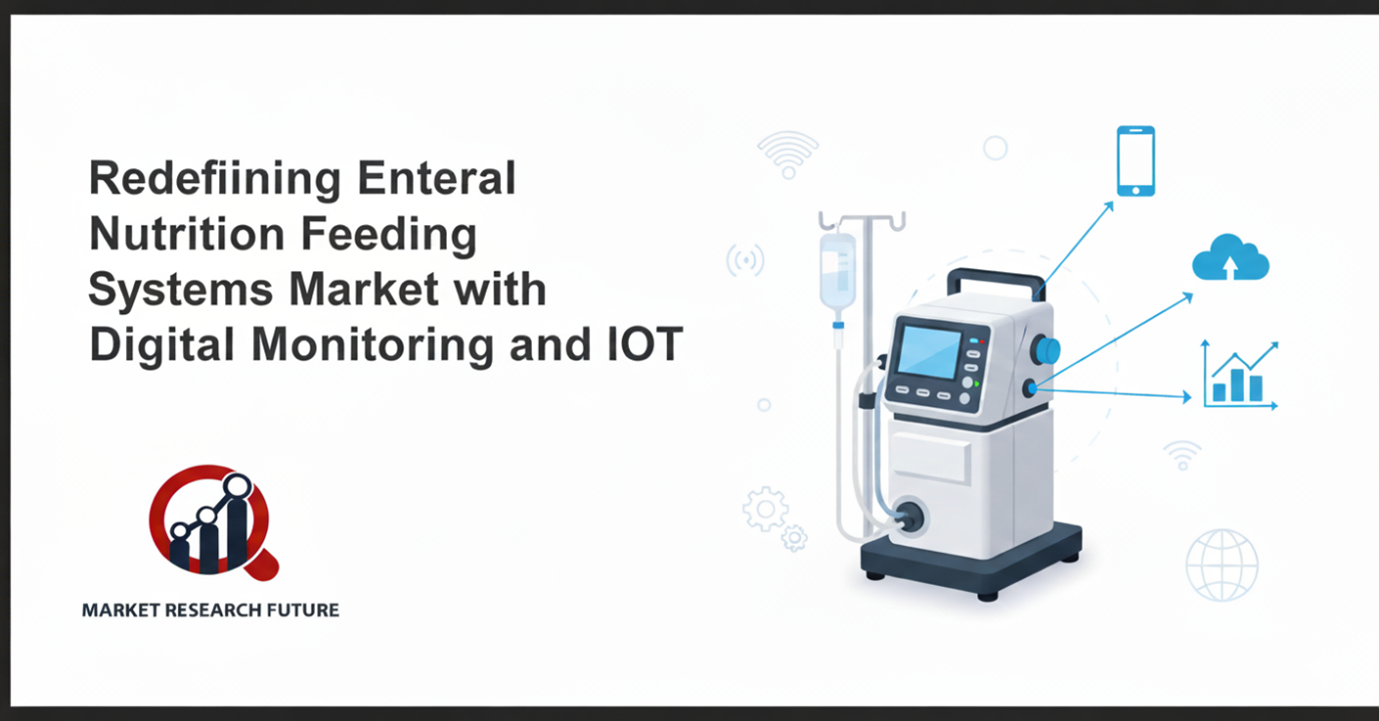
Digital monitoring and the Internet of Things (IoT) are changing how people can access enteral nutrition. These new technologies are making treatments more accurate, enhancing patient care, and giving healthcare providers real-time data that helps them make smart choices.
As more people seek healthcare at home and solutions that are patient-centric, enteral feeding systems that leverage the Internet of Things are becoming critically relevant in both clinical and residential settings.
What Does IoT Mean for the Enteral Nutrition Feeding Systems Market?
When it comes to enteral nutrition feeding, IoT means connecting feeding devices to digital platforms so that data can be collected and monitored in real time. Smart feeding pumps can keep track of things like how fast the food is flowing, how long the feeding lasts, and how much food is eaten.
Healthcare staff can keep an eye on patients from a distance by sending this information via secure digital networks. The Internet of Things (IoT) helps make sure that patients get the right food, which lowers the risk of issues and makes treatment more effective overall.
Advantages of Digital Monitoring for Enteral Nutrition Feeding Systems Market
There are many benefits to using digital monitoring with enteral feeding systems. It helps nurses and doctors keep an eye on how well patients are following their feeding regimens and make sure they are getting the proper food. This technology makes patients safer by making it less likely that people will make mistakes. This is especially true in contexts like critical care and home health care.
Reasons for Enteral Nutrition Feeding Systems Market Growth
A lot of people are starting to use enteral feeding devices that work with the Internet of Things (IoT) for a lot of different reasons. As chronic diseases such as cancer, gastrointestinal disorders, and neurological conditions become more prevalent, the demand for specialist nutrition therapy intensifies.
- Increasing Chronic Diseases: More people are getting neurological disorders, gastrointestinal problems, and cancer, which is increasing the need for specialist enteral nutrition feeding solutions.
- Adoption of Home Healthcare: More and more people want to seek care at home. This implies that there is a lot of demand for IoT-enabled feeding devices that let people watch their loved ones from a distance and cut down on hospital visits.
- Demand for Precision Nutrition: Healthcare providers want to find ways to give tailored nutritional therapy that helps patients get better and stick with it.
- New tech: Smart pumps, real-time monitoring, AI integration, and mobile app connectivity all help to make things safer, more accurate, and faster for patients.
- Combining telemedicine and digital health: IoT technologies can be connected to telehealth platforms so that care can continue and clinical decisions can be made more quickly.
The Future of Enteral Nutrition Feeding Systems Market
Due to the growth of IoT and digital healthcare solutions, the enteral nutrition feeding business will change a lot in the future.
As technology gets better, devices will be easier to use, smarter, and more connected. Using both telemedicine platforms and health gadgets that you can wear will offer you a full view of a patient's health.
As more people want individualized and home-based nutrition therapy, enteral feeding devices that work with the Internet of Things (IoT) will become more and more important in healthcare systems around the world.