Emerging Technologies in Dermabrasion and Microneedling Devices Market
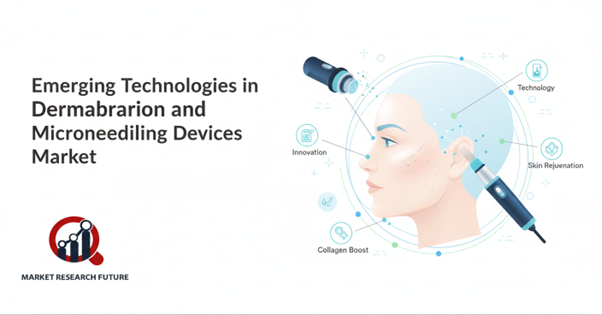
The market for dermabrasion and microneedling is changing quickly because of new technologies that hope to make the treatments more effective, safer, and better for patients. In cosmetic dermatology, these minimally invasive procedures have become very common because they can help with skin rejuvenation, acne scars, fine lines, and uneven skin tone.
New technologies are changing the market by making it more accurate, cutting down on downtime, and allowing more uses in medical and cosmetic skincare.
Dermabrasion and Microneedling Devices Market Drivers
The Dermabrasion and Microneedling Devices Market is growing because more people want cosmetic surgeries and skin rejuvenation treatments that don't hurt as much. New technologies like automatic microneedling pens, RF integration, and smart dermabrasion systems make procedures more accurate, safer, and more comfortable for patients.
The market is growing because more people are learning about cosmetic treatments, more digital imaging and AI-based scans are being used, and more portable and at-home devices are becoming available. This makes treatments more effective, personalized, and available all over the world.
Dermabrasion and Microneedling Devices Market Trends
Trends that stress improved technology, safety, and ease of use are driving the Dermabrasion and Microneedling Devices Market. Automated microneedling pens, RF integration, and laser-assisted dermabrasion improve precision and results. AI-driven tests allow for personalized treatment plans.
As the need for minimally invasive treatments grows, portable and at-home devices make them easier for patients to get and more convenient for them. Using disposable needle cartridges and new materials also makes sure that the procedure is clean and safe, which is what drives broad adoption around the world.
How Innovation is Leading in the Dermabrasion and Microneedling Devices Market
More advanced microneedling tools: Microneedling today uses automatic and motorized pens instead of rollers that need to be rolled by hand. These pens let you finetune the needle's depth, speed, and frequency.
For more comfort, some gadgets have vibration and pressure sensors. Radiofrequency (RF) devices that work with combination treatments help the body make more collagen, which makes lines, scars, and stretch marks less noticeable.
Smart Systems for Microdermabrasion: The speed and strength of intelligent dermabrasion systems change based on the type of skin being treated. This cuts down on mistakes and improves safety. Targeted resurfacing is possible with minimal rest with laser-assisted dermabrasion, which makes the procedure more efficient and less painful for the patient.
Integration of Imaging and Diagnostic Tools: High-resolution imaging and AI analysis help dermatologists correctly evaluate skin, make personalized treatment plans, and keep track of progress. This means that results are predictable, and side effects are kept to a minimum.
Portable and Home-Use Devices: Small, easy-to-use devices that can be used at home keep skin healthy between trips to the dermatologist and have safety features to keep users from getting hurt.
New Materials and Needle Designs: High-quality needles made of stainless steel, titanium, gold-coated steel, or diamond or crystal dermabrasion tips last longer, are more accurate, and are easier to clean. This makes the patient safer and more comfortable.
Final Thoughts
Dermabrasion and microneedling gadgets with new technologies are changing the skin care business. New technologies like intelligent dermabrasion systems, automatic microneedling pens, and RF integration are making treatments safer, more effective, and more satisfying for patients. Diagnostic tools, advanced materials, and portable solutions are making these procedures more accessible, opening up new possibilities for dermatologists, cosmetic clinics, and patients looking for effective skin treatments with little to no downtime.