The Construction Equipment Market Outlook: Driving Efficiency with Advanced Machinery
Introduction to the Construction Equipment Market
The infrastructural developments occurring across the world, due to the rising urbanization, is driving the growth of the global construction equipment market, helping the progress occur at a CAGR of 6.76% through 2035. The ecosystem is likely to reach USD 359.62 billion by 2035, rising from USD 175.09 billion in 2024.
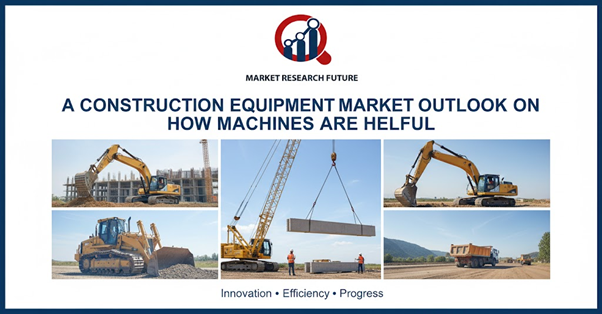
Construction equipment includes heavy-duty vehicles and machines designed to perform essential construction tasks such as excavation, earthmoving, grading, dozing, hauling, and compacting. These machines are indispensable for completing projects on time and ensuring efficiency across construction operations.
Types of Construction Equipment
1. Vehicles for Construction
- Trailer: A non-motorized vehicle pulled by another vehicle, used to transport goods and materials.
- Dumper: Used to unload bulk materials at construction sites regularly.
- Tipper (Dump Truck): Transports construction waste, sand, and gravel efficiently across sites.
2. Earthmoving Equipment
- Excavators: Feature a bucket, arm, rotating cab, and tracks for digging and lifting materials.
- Loaders: Move and load materials like debris, dirt, gravel, and rocks into trucks or conveyors.
- Bulldozers: Large vehicles with a front metal blade used for pushing sand, soil, and rubble.
3. Material Handling Equipment
- Cranes: Lift, lower, and move heavy materials like steel beams and concrete blocks.
- Forklifts: Compact trucks designed for lifting and transporting materials over short distances.
4. Other Essential Machinery
- Concrete Mixer: Blends cement, sand, aggregates, and water to form concrete.
- Road Roller: A compactor vehicle used for compressing soil, asphalt, and other materials during road construction.
Market Growth Drivers
The growing focus of construction companies on speeding up projects without compromising safety is fueling market expansion. Construction equipment enables faster, safer, and more precise execution of large-scale operations, boosting demand in both public infrastructure and private development projects.
According to recent construction equipment market analysis, the sector held nearly 15% of the global machinery market share in 2021. Rapid urbanization, infrastructure expansion, and increasing investments in transportation, energy, and utilities are key drivers of the market.
Impact of COVID-19
The COVID-19 pandemic severely disrupted the market in early 2020, as strict lockdowns led to suspended construction activities, closed manufacturing facilities, and halted supply chains.
Leading companies such as CNH Industrial N.V., Liebherr Group, and The Manitowoc Company temporarily stopped production to ensure worker safety. However, by 2022, the market began recovering rapidly, supported by government infrastructure initiatives and increased investments in public housing and smart city projects worldwide.
Advantages of Construction Equipment
- Enhances productivity and ensures projects are completed on schedule.
- Reduces total project cost, especially for large-scale construction.
- Handles tasks too heavy or precise for manual labor efficiently.
- Ensures consistent production rates in areas facing labor shortages.
- Meets modern design and quality standards with precision and safety.
Challenges and Limitations
- Machine operations require skilled professionals to ensure safety and accuracy.
- High initial investment costs may burden small contractors.
- Overreliance on machinery can make labor tasks monotonous and repetitive.
Future Outlook
The construction and mining sectors will continue to be the dominant end-users driving market demand. India’s construction equipment market alone is expected to grow by 20-25% over the next few years, supported by infrastructure programs, road development, and industrial projects.
Future innovations are expected to focus on eco-friendly, fuel-efficient, and automation-driven machinery that reduces emissions, maintenance costs, and operational downtime, marking a significant step toward sustainable construction practices.