Revolutionizing Blood Sampling: What’s Next for Capillary Blood Collection Devices
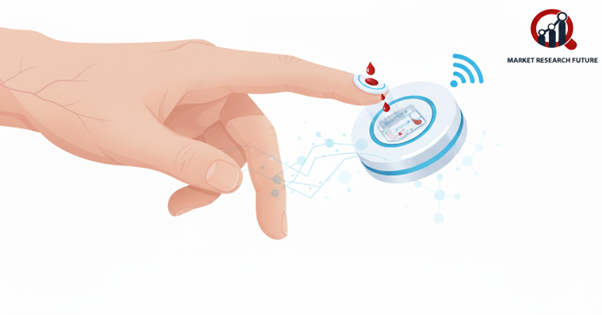
Devices that collect blood for testing and lancets, in particular, are becoming increasingly important for diagnostics, testing at the point of care, and home self-monitoring. They are less invasive, quicker, and more convenient for the patient than drawing blood from veins. The demand for such devices is increasing in diabetes and other chronic diseases, screening for infectious diseases, anemia, testing for neonates and children, and more. This market is growing and innovating rapidly.
Product Types & Applications: What is Gaining Ground
Several product types in the capillary blood collection devices market are gaining traction due to patient needs, regulatory requirements, and technological innovations. Safe lancets, especially single-use, retractable, and auto-retracting types, are widely accepted since they significantly minimize the chance of needlestick injury and infection, in accordance with global safety regulations. Also, ultra-thin gauge or low pain lancets (usually above 28G) are becoming more common, particularly among diabetic, pediatric, and geriatric patients, because they reduce the pain of frequent blood tests.
Another growing segment is contact- or pressure-activated lancets, which streamline the procedure and reduce user error, making them perfectly suited for untrained individuals in home care and point-of-care situations. The rising self-care trend and telehealth have made home-monitoring kits with lancets more easily accessible through pharmacies and online stores. In the neonatal units of hospitals, pediatric-specific lancets are essential since they safely supply the minimum blood volume required for the procedure to be performed. Finally, eco-friendly and biodegradable lancets are becoming more common in the market due to the industry's response to the growing concerns of medical waste and the overall sustainability of the environment.
These innovations showcase a significant movement toward devices that are safer for patients, centered around patients, and more sustainable, changing the global capillary blood collection market for the better.
Recent Trends & Market Drivers
1. Exploding Prevalence of Diabetes
- As stated in the International Diabetes Federation (IDF) 11th Diabetes Atlas (2025) publication, about 589 million adults (age 20-79) worldwide have diabetes.
- Of these, 252 million have diabetes and aren’t diagnosed, a factor that puts them at an increased risk of complications.
- International Diabetes Federation
2. Rising Awareness & Self-Monitoring
- Due to advances in telehealth and the growing availability of point-of-care testing (POCT) devices, an expansion of Mobile Health (mHealth) apps and telehealth services has made self-management of chronic diseases from home easier than ever.
- The growing regulatory focus on infection control, as well as needlestick and occupational safety, is further driving the adoption of safer devices.
3. Innovation in Pain Reduction & Safety Features
- The development of Safety lancets that have safety features such as retractable elements, ignition features (pressure- or contact-activated), automatic depth control, ergonomic design, color-coding, and pain-reducing features such as ultra-thin gauges (often "above 28G" i.e., 28 gauge) are being developed and adopted.
4. Regulatory & Environmental Pressure
- Regulatory guidelines in various countries are insisting on safe, single-use devices to eliminate the risk of cross-contamination.
- There is ongoing research to develop eco-friendly, possible recyclable and biodegradable lancet materials, or reducing plastic and metal waste by creating reusable (tips are replaceable) holders.
5. Regional Growth & Access in LMICs
- Low and middle-income countries (LMICs) are shouldering more and more of the diabetes burden. Over 80% of people with diabetes reside in LMICs.
Conclusion
In the coming decade, the capillary blood collection devices market looks promisingly upward, primarily driven by the increase in cases of diabetes, the demand for self-care, and advancements in comfort and safety. The safety lancets will lead the demand, specifically the ultra-thin, low pain, single-use, and easy access designs. Other segments, which include standard lancets, diagnostic kits, and pediatric lancets, will still experience growth, albeit at a more gradual rate.