Sustainability in Plastic Pipes-Eco-friendly Solutions in Asia-Pacific
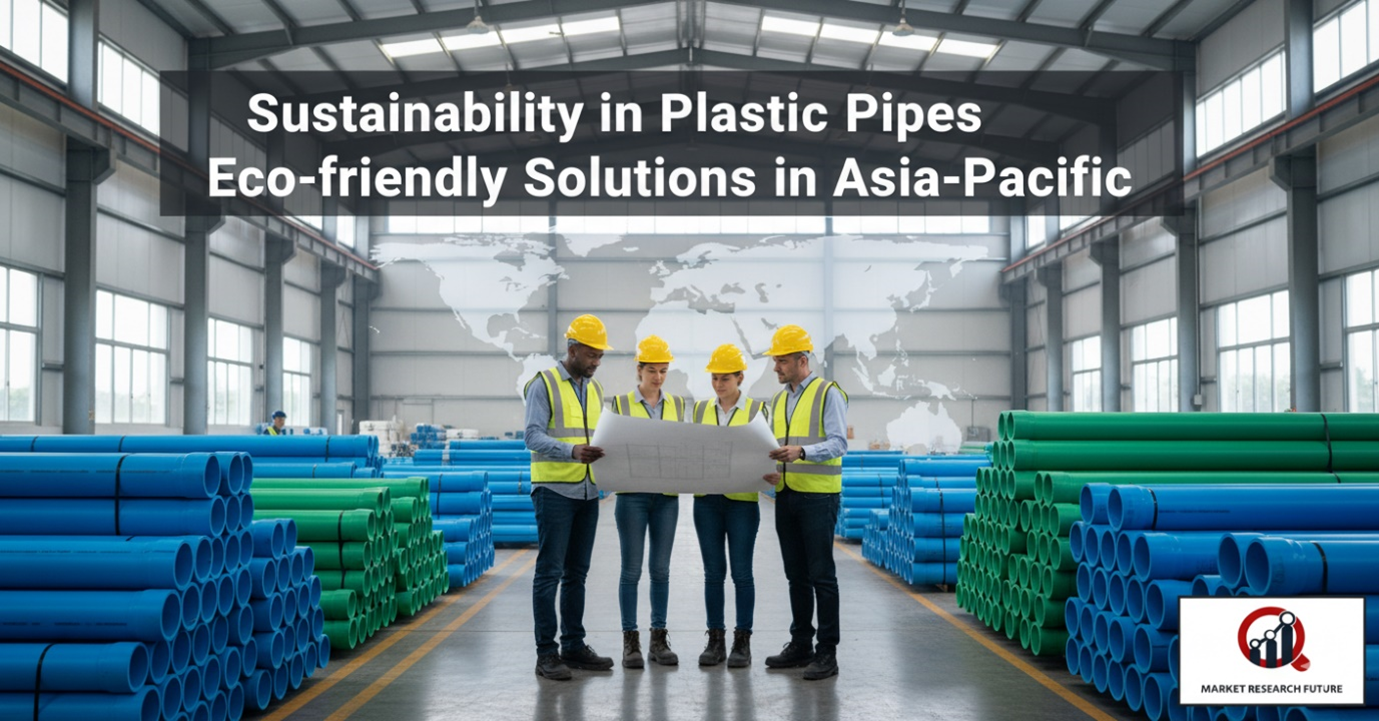
The Asia-Pacific region has witnessed significant industrial and infrastructural growth over the past decade. With expanding urbanization, the demand for plastic pipes in construction, water management, and industrial applications has surged. However, this rapid growth has raised concerns over environmental sustainability, as traditional plastic production and disposal contribute to pollution and resource depletion. To address these issues, the plastic pipe industry in the Asia-Pacific is increasingly adopting eco-friendly and sustainable solutions.
Rise of Eco-Friendly Materials
One of the key trends driving sustainability in the plastic pipe sector is the use of eco-friendly materials. Manufacturers are shifting from conventional PVC (polyvinyl chloride) and PE (polyethylene) pipes to materials that are recyclable, durable, and less harmful to the environment. For example, polypropylene (PP) pipes are gaining traction due to their chemical resistance, long lifespan, and recyclability. Additionally, bioplastics derived from renewable resources, such as plant-based polymers, are emerging as viable alternatives, particularly for non-pressurized applications like drainage and irrigation.
Recycling and Circular Economy Initiatives
Recycling plays a critical role in reducing plastic waste. In the Asia-Pacific, several companies are implementing take-back programs and reprocessing waste materials to manufacture new pipes. This circular economy approach not only reduces the consumption of virgin plastic but also minimizes landfill waste. Countries like Japan and South Korea have set stringent recycling standards, encouraging local manufacturers to adopt sustainable practices. Moreover, advancements in mechanical and chemical recycling technologies are enabling the production of high-quality recycled plastic pipes without compromising performance.
Energy-Efficient Manufacturing Processes
Another aspect of sustainability in the plastic pipe industry is energy efficiency. Traditional pipe manufacturing processes consume significant energy and emit greenhouse gases. To combat this, manufacturers are investing in modern extrusion techniques, energy-efficient machinery, and optimized production lines. For instance, adopting low-energy extrusion and automation reduces electricity consumption and enhances productivity, while advanced monitoring systems ensure minimal material wastage. These initiatives align with broader regional goals to reduce carbon footprints and promote green manufacturing.
Water Conservation and Efficient Applications
Plastic pipes themselves contribute to sustainability by enabling efficient water management systems. Leak-proof plastic pipes reduce water loss in urban distribution networks, a critical factor in regions facing water scarcity. In agricultural applications, precision irrigation systems utilizing durable plastic piping optimize water use and enhance crop yields. By ensuring longevity and minimizing maintenance requirements, plastic pipes offer an environmentally responsible solution compared to traditional materials like metal or concrete.
Regulatory Support and Industry Collaboration
Governments in the Asia-Pacific are increasingly supporting sustainable practices in the plastic pipe industry. Regulations promoting recycling, limiting harmful additives, and encouraging green building standards are pushing manufacturers toward eco-friendly solutions. Additionally, industry collaborations, such as partnerships between manufacturers, research institutions, and environmental organizations, are fostering innovation in sustainable materials and practices. These efforts ensure that the sector can grow responsibly while mitigating environmental impacts.
Challenges and Future Outlook
Despite progress, the path to full sustainability faces challenges. High initial costs of eco-friendly materials, lack of standardized recycling infrastructure, and limited awareness among end-users can hinder widespread adoption. However, ongoing research and investment in biodegradable plastics, advanced recycling technologies, and energy-efficient production methods are expected to address these barriers. The Asia-Pacific plastic pipe market is poised for growth that balances economic expansion with environmental responsibility.
Conclusion
Sustainability in the plastic pipe industry is no longer an option but a necessity. The Asia-Pacific region is at the forefront of adopting eco-friendly materials, recycling initiatives, and energy-efficient manufacturing to reduce the environmental footprint of plastic pipes. By integrating innovative solutions, promoting circular economy practices, and complying with green regulations, the industry is paving the way for a more sustainable future, ensuring that growth in infrastructure and industrial sectors does not come at the cost of the environment.