×
Request Free Sample ×

Kindly complete the form below to receive a free sample of this Report

* Please use a valid business email

Leading companies partner with us for data-driven Insights

clients tt-cursor
Hero Background
English
Chinese
French
Japanese
Korean
German
Spanish

Neuroblastoma Market Size

ID: MRFR/HC/5093-HCR
200 Pages
Rahul Gotadki
October 2025

Neuroblastoma Market Research Report By Treatment Type (Chemotherapy, Surgery, Radiation Therapy, Immunotherapy), By End-user (Hospitals, Specialized Cancer Treatment Centers, Research Institutions), By Disease Stage (Localized Neuroblastoma, Metastatic Neuroblastoma, Recurrent Neuroblastoma), By Age Group (Infants, Children, Adolescents), and By Regional (North America, Europe, South America, Asia Pacific, Middle East and Africa) - Growth & Industry Forecast 2025 To 2035

Share:
Download PDF ×

We do not share your information with anyone. However, we may send you emails based on your report interest from time to time. You may contact us at any time to opt-out.

Neuroblastoma Market Infographic
×
Neuroblastoma Market Infographic Full View
Purchase Options

Neuroblastoma Size

Neuroblastoma Market Growth Projections and Opportunities

The Neuroblastoma market is influenced by a range of factors that collectively shape its dynamics and growth trajectory. One of the primary drivers behind the expansion of this market is the prevalence of neuroblastoma, a childhood cancer arising from immature nerve cells. The increasing incidence of neuroblastoma globally has spurred research and development efforts to identify effective treatments, driving the growth of the neuroblastoma market. As awareness about the disease grows and diagnostic capabilities improve, there is an escalating demand for targeted therapies and innovative treatment options.

Technological advancements in medical research and diagnostics significantly impact the neuroblastoma market. Advances in genetic testing, imaging technologies, and molecular profiling have enhanced the understanding of neuroblastoma at a molecular level. This knowledge facilitates the development of precision medicine approaches, leading to more personalized and effective treatment strategies. The integration of cutting-edge technologies into diagnostic and therapeutic processes contributes to the overall progress of the neuroblastoma market.

Regulatory considerations are pivotal in shaping the neuroblastoma market. Stringent regulations govern the approval and commercialization of new drugs and treatments, ensuring their safety and efficacy. The regulatory landscape influences the development timelines of new therapies and shapes the competitive landscape. Changes in regulatory requirements, such as expedited pathways for orphan drug designation, can impact market dynamics by expediting the availability of novel treatments for neuroblastoma.

Economic factors play a crucial role in the neuroblastoma market dynamics. Affordability and accessibility of treatments are influenced by economic conditions, healthcare infrastructure, and insurance coverage. Economic downturns may affect healthcare budgets and patient access to expensive treatments, while economic growth and increased investments in healthcare can positively impact the availability and adoption of advanced neuroblastoma therapies.

Furthermore, the market is influenced by the evolving landscape of oncology research and treatment. Collaborative efforts between academic institutions, pharmaceutical companies, and healthcare organizations contribute to the development of novel therapies for neuroblastoma. The shift towards immunotherapy, targeted therapies, and combination approaches represents a paradigm shift in neuroblastoma treatment strategies, shaping the market's future trajectory.

Competition within the market is another critical factor. The presence of multiple pharmaceutical companies and research institutions fosters innovation and encourages the development of new treatment modalities. Competitive forces drive companies to invest in research, clinical trials, and the development of more effective and targeted neuroblastoma therapies. This competition benefits patients by expanding treatment options and improving overall outcomes.

Market factors are also influenced by awareness and advocacy efforts. As awareness about neuroblastoma increases among healthcare professionals, caregivers, and the general public, there is a growing push for research funding and the development of new therapies. Advocacy organizations play a crucial role in mobilizing support, influencing policy decisions, and fostering collaborations to accelerate progress in the neuroblastoma market.
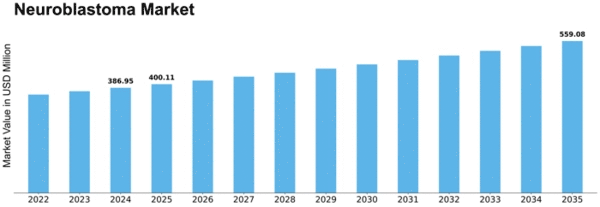
Neuroblastoma Market Size Graph
Author
Rahul Gotadki
Assistant Manager

He holds an experience of about 7+ years in Market Research and Business Consulting, working under the spectrum of Life Sciences and Healthcare domains. Rahul conceptualizes and implements a scalable business strategy and provides strategic leadership to the clients. His expertise lies in market estimation, competitive intelligence, pipeline analysis, customer assessment, etc. In addition to the above, his other responsibility includes strategic tracking of high growth markets & advising clients on the potential areas of focus they could direct their business initiatives

Leave a Comment

FAQs

What is the projected growth of the Neuroblastoma market?

The Neuroblastoma market is the expected increase in total market value of 0.56 USD billion over a defined forecast period 2025–2035. It is driven by factors such as demand trends, technological advances, regulatory changes, and geographic expansion.

What is the size of the Neuroblastoma market?

Neuroblastoma market size was valued at approximately 0.39 billion USD in 2024. This figure will reach 0.56 billion USD covering all regions (America, Europe, Asia, MEA and ROW), focusing its segments / services / distribution channels till 2035.

What is the CAGR of the Neuroblastoma market?

Neuroblastoma market is expected to grow at a CAGR of 3.4% between 2025 and 2035.

How much will the Neuroblastoma market be worth by 2035?

Neuroblastoma market is expected to be worth of 0.56 billion USD, reflecting growth driven by usage, technology and global demands by the end of 2035.

How will the Neuroblastoma market perform over the next 10 years?

Over the next 10 years the Neuroblastoma market is expected to shift from usd billion 0.39 to 0.56 billion USD, led by adoption of advanced tech, demographic trends, regulatory approvals, with potential headwinds from 2025 to 2035.

What was the market size of the Neuroblastoma Market in 2024?

The Neuroblastoma Market was valued at 2.4 USD Billion in 2024.

Which region held the largest market share in the Neuroblastoma Market in 2024?

In 2024, North America held the largest market share at 1.3 USD Billion.

What was the market size for Chemotherapy in the Neuroblastoma Market in 2024?

The market size for Chemotherapy in the Neuroblastoma Market was 1.2 USD Billion in 2024.

How much is the Immunotherapy segment expected to be valued in 2035?

The Immunotherapy segment of the Neuroblastoma Market is expected to be valued at 0.1 USD Billion in 2035.

What is the growth rate for the Asia Pacific region from 2024 to 2035?

The Asia Pacific region is expected to grow from 0.3 USD Billion in 2024 to 0.6 USD Billion by 2035.

Market Summary

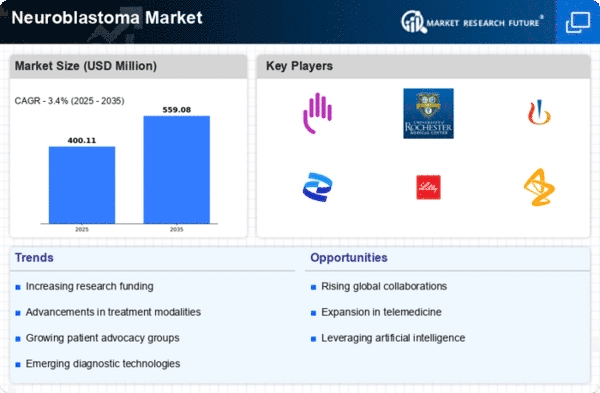
As per MRFR analysis, the Neuroblastoma Market Size was estimated at 386.95 USD Million in 2024. The Neuroblastoma industry is projected to grow from 400.11 in 2025 to 559.08 by 2035, exhibiting a compound annual growth rate (CAGR) of 3.4 during the forecast period 2025 - 2035.

Key Market Trends & Highlights

The Neuroblastoma Market is experiencing a transformative shift towards innovative therapeutic approaches and personalized treatment strategies.

  • The emergence of targeted therapies is reshaping treatment paradigms in the Neuroblastoma Market.
  • Advancements in immunotherapy are driving significant growth, particularly in the fastest-growing segment.
  • North America remains the largest market, while the Asia-Pacific region is recognized as the fastest-growing area for Neuroblastoma treatments.
  • The increasing incidence of Neuroblastoma and growing investment in pediatric oncology research are key drivers propelling market expansion.

Market Size & Forecast

2024 Market Size 386.95 (USD Million)
2035 Market Size 559.08 (USD Million)
CAGR (2025 - 2035) 3.4%
Largest Regional Market Share in 2024 North America

Major Players

<p>Bristol Myers Squibb (US), Roche (CH), Novartis (CH), Pfizer (US), Eli Lilly and Company (US), AstraZeneca (GB), Merck & Co. (US), Amgen (US), Bayer (DE)</p>

Market Trends

The Neuroblastoma Market is currently experiencing a dynamic evolution, driven by advancements in treatment modalities and a growing understanding of the disease's biology. Innovative therapies, including targeted treatments and immunotherapies, are emerging as potential game-changers in the management of this pediatric cancer. The increasing prevalence of neuroblastoma, coupled with heightened awareness among healthcare professionals and families, is likely to propel research and development efforts. Furthermore, collaborations between academic institutions and pharmaceutical companies appear to be fostering a conducive environment for breakthroughs in therapeutic options. In addition to therapeutic advancements, the Neuroblastoma Market is witnessing a shift towards personalized medicine. This approach, which tailors treatment based on individual genetic profiles, seems to enhance efficacy and minimize adverse effects. The integration of advanced diagnostic tools, such as genetic testing and imaging technologies, is also contributing to improved patient outcomes. As the market continues to evolve, it is essential to monitor regulatory developments and reimbursement policies, as these factors could significantly influence market dynamics and accessibility to novel therapies.

Emergence of Targeted Therapies

The Neuroblastoma Market is seeing a rise in targeted therapies that focus on specific molecular pathways involved in tumor growth. These treatments aim to minimize damage to healthy cells while maximizing therapeutic effects, potentially leading to better patient outcomes.

Advancements in Immunotherapy

Immunotherapy is gaining traction within the Neuroblastoma Market, as it harnesses the body's immune system to combat cancer. This approach may offer new hope for patients, particularly those with relapsed or refractory disease, by enhancing the immune response against neuroblastoma cells.

Shift Towards Personalized Medicine

The trend towards personalized medicine is becoming increasingly prominent in the Neuroblastoma Market. By utilizing genetic profiling and biomarker analysis, treatments can be tailored to individual patients, potentially improving efficacy and reducing side effects.

Neuroblastoma Market Market Drivers

Market Growth Projections

The Global Neuroblastoma Market Industry is projected to experience substantial growth over the next decade. By 2024, the market is anticipated to reach 2.4 USD Billion, with expectations to expand to 4.5 USD Billion by 2035. This growth trajectory suggests a compound annual growth rate of 5.88% from 2025 to 2035. Factors contributing to this growth include increasing incidence rates, advancements in treatment modalities, and rising awareness among healthcare professionals and the public. As the market evolves, it is likely to attract further investment and innovation, ultimately benefiting patients and healthcare providers alike.

Rising Awareness and Advocacy

Rising awareness and advocacy efforts surrounding neuroblastoma are pivotal in shaping the Global Neuroblastoma Market Industry. Non-profit organizations and advocacy groups are actively working to educate the public about neuroblastoma, its symptoms, and the importance of early detection. Campaigns aimed at increasing awareness have led to greater funding for research and improved access to treatment options. This heightened awareness is expected to result in an increased diagnosis rate, thereby expanding the market. As more families seek information and support, the demand for comprehensive care solutions is likely to grow, further driving market dynamics.

Enhanced Diagnostic Techniques

Enhanced diagnostic techniques are transforming the landscape of the Global Neuroblastoma Market Industry. Advances in imaging technologies, such as MRI and PET scans, along with genetic testing, are enabling earlier and more accurate diagnosis of neuroblastoma. These innovations facilitate timely intervention, which is crucial for improving patient outcomes. As healthcare providers adopt these advanced diagnostic tools, the market is poised for growth. The increasing emphasis on precision medicine and personalized treatment plans is likely to further propel the demand for diagnostic services, ensuring that patients receive the most effective care tailored to their specific needs.

Advancements in Treatment Modalities

The Global Neuroblastoma Market Industry is significantly influenced by advancements in treatment modalities. Innovative therapies, including targeted therapies and immunotherapy, are emerging as promising options for neuroblastoma patients. For instance, the development of monoclonal antibodies and CAR T-cell therapy has shown potential in improving survival rates. As these treatments gain regulatory approval and clinical adoption, they are likely to drive market growth. The market is expected to reach 4.5 USD Billion by 2035, indicating a robust demand for novel therapeutic approaches that enhance patient outcomes and quality of life.

Increasing Incidence of Neuroblastoma

The Global Neuroblastoma Market Industry is witnessing a rise in the incidence of neuroblastoma, particularly among children under the age of five. This increase is attributed to various factors, including genetic predispositions and environmental influences. The World Health Organization reports that neuroblastoma accounts for approximately 7-10% of all childhood cancers. As awareness grows and diagnostic techniques improve, more cases are being identified, contributing to the market's expansion. In 2024, the market is projected to reach 2.4 USD Billion, reflecting the urgent need for effective treatment options and supportive care for affected families.

Growing Investment in Research and Development

Investment in research and development is a crucial driver for the Global Neuroblastoma Market Industry. Governments and private organizations are increasingly funding research initiatives aimed at understanding the biology of neuroblastoma and developing new treatment strategies. For example, the National Cancer Institute allocates substantial resources to neuroblastoma research, fostering collaborations between academic institutions and pharmaceutical companies. This influx of funding is likely to accelerate the discovery of innovative therapies and diagnostic tools, contributing to a projected compound annual growth rate of 5.88% from 2025 to 2035, thereby enhancing the market's overall landscape.

Market Segment Insights

By Treatment Type: Chemotherapy (Largest) vs. Immunotherapy (Fastest-Growing)

<p>In the Neuroblastoma market, treatment types are characterized by distinct market shares and growth dynamics. Chemotherapy stands out as the largest segment, utilized extensively due to its established role in treating high-risk neuroblastoma in pediatric patients. Following are Radiation Therapy, Surgery, and Immunotherapy, each contributing unique treatment approaches for various disease stages. While Chemotherapy remains the cornerstone of neuroblastoma treatment, Immunotherapy is gaining traction and increasingly drawing attention in clinical settings. The growth in the Treatment Type segment is driven by advancements in targeted therapies and the growing emphasis on personalized medicine. Immunotherapy, in particular, is perceived as the emerging solution, showcasing swift adoption rates that indicate its potential to transform treatment paradigms. Additionally, ongoing clinical trials are expanding the efficacy and safety profiles of various treatments, enhancing their appeal in the marketplace and promising further growth in the years ahead.</p>

<p>Chemotherapy (Dominant) vs. Immunotherapy (Emerging)</p>

<p>Chemotherapy has consistently been the dominant treatment modality in the Neuroblastoma market, established and effective in managing aggressive forms of the disease in children. It encompasses a range of drug classes aimed at rapidly killing cancer cells and preventing recurrence. However, with its drawbacks, including systemic toxicity and resistance development, the focus is gradually shifting towards Immunotherapy, which is proving to be an emerging alternative. Immunotherapy harnesses the body's immune system to target neuroblastoma cells specifically, offering a more tailored approach with potentially fewer side effects. As research progresses and clinical validation supports its use, Immunotherapy is rapidly gaining credibility, solidifying its position as a pivotal treatment avenue for the future.</p>

By Disease Stage: Localized (Largest) vs. Metastatic (Fastest-Growing)

<p>The Neuroblastoma Market exhibits a diverse landscape in the Disease Stage segment, with localized cases commanding the largest market share. This stage represents a significant portion of diagnosed neuroblastoma cases, reflecting the advancements in early detection and treatment options. Regional cases, while less prevalent, also maintain a strong presence, highlighting the importance of targeted therapies for patients in transitional states. Metastatic cases, characterized by the spread of cancer to distant sites, are emerging as a critical area of focus for oncology research. The growth trends in this segment are primarily driven by increasing awareness among healthcare providers and advancements in diagnostic technologies. Localized neuroblastoma presents opportunities for intervention at earlier stages, significantly enhancing treatment outcomes. Meanwhile, metastatic neuroblastoma is expected to grow rapidly due to the development of novel therapies aiming to target advanced disease. As research focuses on personalized medicine, the treatment landscape for regional and metastatic cases is set to evolve, with increasing investments in clinical trials and drug development.</p>

<p>Localized (Dominant) vs. Metastatic (Emerging)</p>

<p>In the Neuroblastoma Market, localized cases represent the dominant segment, highlighting early-stage diagnosis and intervention as critical factors for successful treatment outcomes. Localized neuroblastoma is typically associated with higher survival rates due to prompt and effective therapies. On the other hand, metastatic neuroblastoma is considered an emerging segment, as it requires innovative treatment approaches and increased research focus. Metastatic cases present significant challenges due to their complexity and poor prognostic outcomes, driving the demand for novel agents and combination therapies. Both segments play vital roles in the overall landscape of neuroblastoma treatment, with localized cases indicating successful intervention capabilities and metastatic cases highlighting the need for ongoing advancements in oncology.</p>

By Patient Age Group: Infants (Largest) vs. Children (Fastest-Growing)

<p>The Neuroblastoma market demonstrates distinct market share distribution among patient age groups, with Infants representing the largest share. This segment's prominence is attributed to the early age at which neuroblastoma typically occurs, making infants the primary focus for diagnosis and treatment options. Conversely, while Children are not the largest group, they are experiencing the most rapid growth in terms of diagnosed cases and available targeted therapies. Their segment is increasingly drawing attention from pharmaceutical developers and healthcare providers. As awareness of neuroblastoma increases and more advanced treatment options become available, the growth trends in the Children segment are expected to continue. Factors such as improved diagnostic techniques and a rise in supportive care initiatives contribute to consistent growth in this group. Additionally, ongoing clinical trials targeting pediatric populations illustrate a commitment to creating effective treatments tailored to the unique biology of neuroblastoma in children, ensuring a stable upward trajectory in market engagement.</p>

<p>Infants (Dominant) vs. Adolescents (Emerging)</p>

<p>In the Neuroblastoma market, Infants are recognized as the dominant segment due to the high incidence of neuroblastoma diagnosed at a very young age. This group benefits from a focused approach to treatment, reflecting considerable advancements in research, tailored therapies, and specialized care that address the unique needs of infants diagnosed with this aggressive cancer. While Infants hold a stable position in the market, Adolescents present as an emerging segment. This group, although smaller, is gaining attention due to the need for targeted therapies that are not often available for this age demographic, drawing greater recognition from researchers and healthcare providers aiming to improve outcomes and support for adolescent patients.</p>

By Diagnosis Method: Imaging Techniques (Largest) vs. Biopsy (Fastest-Growing)

<p>In the Neuroblastoma Market, the Diagnosis Method segment is primarily dominated by Imaging Techniques, which significantly contribute to early detection and accurate diagnosis of neuroblastoma. Imaging modalities such as MRI, CT scans, and ultrasound are widely used due to their non-invasive nature and ability to provide comprehensive insights into tumor locations and sizes. On the other hand, biopsy procedures, although less commonly performed compared to imaging techniques, are emerging as a crucial method for definitive diagnosis, especially in ambiguous cases where imaging results are inconclusive. The growth trends within this segment show a robust increase in the utilization of newer imaging technologies, driven by advancements in diagnostic capabilities and increasing awareness of neuroblastoma. Additionally, the biopsy method is rapidly gaining prominence as healthcare providers seek more accurate diagnostic solutions, leading to a potential increase in its market share. The adaptation of hybrid imaging technologies and molecular diagnostics is further bolstering the growth of both imaging techniques and biopsy procedures, setting a positive forecast for this segment in the Neuroblastoma Market.</p>

<p>Imaging Techniques (Dominant) vs. Biopsy (Emerging)</p>

<p>Imaging Techniques remain the dominant approach within the Neuroblastoma Market, largely due to their ability to provide critical information for diagnosis and treatment planning with minimal risk to patients. This segment encompasses advanced imaging methods like MRI and PET scans, which are essential for detecting tumor characteristics and staging the disease. Despite the dominance of imaging, Biopsy is emerging as a significant player, especially for cases requiring confirmation of diagnosis. This invasive technique involves obtaining tumor tissue samples for histological analysis and is particularly valuable when imaging results are unclear or when a precise characterization of neuroblastoma is necessary. As healthcare advances, the reliability of biopsy as a diagnostic procedure is expected to increase, complementing the existing imaging technologies.</p>

By Therapeutic Area: Oncology (Largest) vs. Pediatric Care (Fastest-Growing)

<p>In the Neuroblastoma Market, the therapeutic area of Oncology currently holds the largest market share among the segment values, driven by its established treatment protocols and ongoing innovations in drug development. Pediatric Care, while smaller in market size, is rapidly gaining traction as healthcare providers increasingly focus on specialized therapies for pediatric patients, reflecting a shift towards tailored treatment options for children.</p>

<p>Oncology (Dominant) vs. Pediatric Care (Emerging)</p>

<p>The Oncology segment is dominant in the Neuroblastoma Market, characterized by comprehensive treatment options that include chemotherapy, targeted therapies, and immunotherapy approaches. This segment benefits from a rich pipeline of innovative therapies aimed at improving patient outcomes and survival rates. In contrast, the Pediatric Care segment is emerging as a critical focus area, emphasizing the need for treatments specifically designed for younger patients. This reflects an acknowledgment of the unique biological and developmental considerations in treating neuroblastoma in children, leading to increased research investments and the establishment of specialized care pathways.</p>

Get more detailed insights about Neuroblastoma Market Research Report – Forecast to 2035

Regional Insights

North America : Leading Market for Neuroblastoma

North America is poised to maintain its leadership in the Neuroblastoma market, holding a significant share of 210.0M in 2025. The region benefits from advanced healthcare infrastructure, robust research initiatives, and a high prevalence of neuroblastoma cases. Regulatory support from agencies like the FDA accelerates the approval of innovative therapies, driving market growth. Increased funding for pediatric cancer research further enhances treatment options and accessibility. The competitive landscape in North America is characterized by the presence of major pharmaceutical players such as Bristol Myers Squibb, Pfizer, and Merck & Co. These companies are actively involved in developing novel therapies and conducting clinical trials. The U.S. leads in market share, followed by Canada, which is also witnessing growth in neuroblastoma treatment options. The collaboration between public and private sectors is crucial for advancing research and improving patient outcomes.

Europe : Emerging Market for Treatments

Europe is emerging as a significant player in the Neuroblastoma market, with a market size of 100.0M in 2025. The region is witnessing increased demand for innovative therapies driven by rising awareness and improved diagnostic capabilities. Regulatory bodies like the EMA are facilitating faster approvals for new treatments, which is crucial for addressing the unmet needs in pediatric oncology. Collaborative research initiatives across countries are also enhancing treatment options. Leading countries in Europe include Germany, France, and the UK, where major pharmaceutical companies like Roche and Novartis are actively engaged in neuroblastoma research. The competitive landscape is evolving, with a focus on personalized medicine and targeted therapies. The presence of strong healthcare systems and funding for cancer research is expected to propel market growth, making Europe a key region for neuroblastoma treatment advancements.

Asia-Pacific : Growing Demand for Therapies

The Asia-Pacific region is witnessing a growing demand for neuroblastoma treatments, with a market size of 60.0M in 2025. Factors such as increasing healthcare expenditure, rising awareness about pediatric cancers, and improved access to healthcare services are driving market growth. Regulatory frameworks are gradually evolving to support the introduction of new therapies, which is essential for addressing the rising incidence of neuroblastoma in this region. Countries like Japan, China, and Australia are leading the market, with significant investments in research and development. Key players such as Amgen and Bayer are focusing on expanding their presence in the Asia-Pacific market. The competitive landscape is characterized by collaborations between pharmaceutical companies and healthcare providers to enhance treatment accessibility and improve patient outcomes. The region's potential for growth is substantial, driven by a combination of innovation and increasing healthcare demands.

Middle East and Africa : Emerging Market Potential

The Middle East and Africa region is gradually emerging in the Neuroblastoma market, with a market size of 16.95M in 2025. The growth is driven by increasing awareness of pediatric cancers and the need for improved healthcare infrastructure. Regulatory bodies are beginning to recognize the importance of addressing childhood cancers, which is crucial for market development. Collaborative efforts between governments and NGOs are also enhancing treatment accessibility. Leading countries in this region include South Africa and the UAE, where there is a growing focus on pediatric oncology. The competitive landscape is still developing, with local and international players exploring opportunities to introduce innovative therapies. The presence of key players is limited, but the potential for growth is significant as healthcare systems improve and awareness increases, paving the way for better treatment options for neuroblastoma patients.

Key Players and Competitive Insights

The Neuroblastoma Market is characterized by a dynamic competitive landscape, driven by innovation, strategic partnerships, and a focus on patient-centric therapies. Key players such as Bristol Myers Squibb (US), Roche (CH), and Novartis (CH) are at the forefront, each employing distinct strategies to enhance their market presence. Bristol Myers Squibb (US) emphasizes its commitment to research and development, particularly in immunotherapy, which appears to be a pivotal area for future growth. Roche (CH) focuses on precision medicine, leveraging its extensive data analytics capabilities to tailor treatments for individual patients, thereby enhancing therapeutic efficacy. Novartis (CH) is actively pursuing mergers and acquisitions to bolster its pipeline, indicating a strategy aimed at consolidating its position in the market and expanding its therapeutic offerings.

The business tactics employed by these companies reflect a concerted effort to optimize supply chains and localize manufacturing processes. The Neuroblastoma Market is moderately fragmented, with a mix of established players and emerging biotech firms. This fragmentation allows for diverse treatment options but also intensifies competition among key players, who are increasingly vying for market share through innovative solutions and strategic collaborations.

In November 2025, Roche (CH) announced a partnership with a leading biotech firm to develop a novel CAR-T cell therapy specifically targeting neuroblastoma. This collaboration is significant as it not only enhances Roche's portfolio but also positions the company as a leader in cutting-edge therapies that could potentially transform treatment paradigms for this challenging pediatric cancer. The strategic importance of this partnership lies in its potential to accelerate the development timeline and improve patient outcomes through innovative therapeutic approaches.

In October 2025, Novartis (CH) launched a new clinical trial for its investigational drug aimed at high-risk neuroblastoma patients. This initiative underscores Novartis's commitment to addressing unmet medical needs and reflects a broader trend towards personalized medicine. The trial's outcomes could significantly influence treatment protocols and establish Novartis as a key player in the neuroblastoma therapeutic landscape.

In December 2025, Bristol Myers Squibb (US) unveiled a new digital platform designed to enhance patient engagement and streamline clinical trial processes. This move indicates a shift towards digital transformation within the industry, aiming to improve patient recruitment and retention in clinical studies. The strategic importance of this platform lies in its potential to foster greater collaboration between patients and healthcare providers, ultimately leading to more effective treatment pathways.

As of December 2025, the competitive trends in the Neuroblastoma Market are increasingly defined by digitalization, sustainability, and the integration of artificial intelligence (AI) in drug development. Strategic alliances are becoming more prevalent, as companies recognize the value of collaboration in navigating complex regulatory environments and accelerating innovation. Looking ahead, competitive differentiation is likely to evolve from traditional price-based competition to a focus on technological advancements, innovative therapies, and reliable supply chains, thereby reshaping the market landscape.

Key Companies in the Neuroblastoma Market include

Industry Developments

The first patient is anticipated to enroll in mid-2025. On June 13, 2025, Myrio Therapeutics announced that the U.S. FDA had approved its Investigational New Drug application for PHOX2B PC-CAR T, a novel CAR-T cell therapy intended to target the PHOX2B peptide in multiple HLA-alleles across pediatric neuroblastoma patients.

Following promising results in two Phase 2 trials showing overall response rates of 34–45% and durable responses lasting six months or longer, the FDA granted accelerated approval to naxitamab (Danyelza) on November 25, 2020, for the treatment of relapsed or refractory high-risk neuroblastoma affecting bone or bone marrow in patients aged one year and older.

Based on data from SIOPEN trials that showed five-year event-free survival rates of 57% versus 42% with standard care, China's National Medical Products Administration granted conditional approval for dinutuximab beta (Qarziba) to treat high-risk neuroblastoma in pediatric patients aged 12 months and older on August 17, 2021.

The New Approaches to Neuroblastoma Market Therapy (NANT) trial's Phase 1 clinical data, released by Panbela Therapeutics on January 18, 2024, demonstrated that a combination of high-dose DFMO, celecoxib, cyclophosphamide, and topotecan offered tolerable safety and possible therapeutic activity in patients with relapsed neuroblastoma who had received extensive pretreatment.

Aptorum Group filed its Phase 1b/2a clinical trial protocol to the FDA on June 22, 2023, for patients with refractory high-risk neuroblastoma or first-relapse. SACT-1 is an oral small chemical that targets MYCN amplification.

Future Outlook

Neuroblastoma Market Future Outlook

<p>The Neuroblastoma Market is projected to grow at a 3.4% CAGR from 2024 to 2035, driven by advancements in treatment modalities, increased awareness, and enhanced diagnostic technologies.</p>

New opportunities lie in:

  • <p>Development of targeted therapies for high-risk neuroblastoma patients.</p>
  • <p>Expansion of telehealth services for remote patient monitoring.</p>
  • <p>Investment in biomarker research for early detection and personalized treatment.</p>

<p>By 2035, the Neuroblastoma Market is expected to achieve substantial growth, reflecting evolving treatment landscapes.</p>

Market Segmentation

Neuroblastoma Market Disease Stage Outlook

  • Localized
  • Regional
  • Metastatic

Neuroblastoma Market Treatment Type Outlook

  • Chemotherapy
  • Radiation Therapy
  • Surgery
  • Immunotherapy

Neuroblastoma Market Diagnosis Method Outlook

  • Imaging Techniques
  • Biopsy
  • Blood Tests

Neuroblastoma Market Therapeutic Area Outlook

  • Oncology
  • Pediatric Care
  • Supportive Care

Neuroblastoma Market Patient Age Group Outlook

  • Infants
  • Toddlers
  • Children
  • Adolescents

Report Scope

MARKET SIZE 2024386.95(USD Million)
MARKET SIZE 2025400.11(USD Million)
MARKET SIZE 2035559.08(USD Million)
COMPOUND ANNUAL GROWTH RATE (CAGR)3.4% (2024 - 2035)
REPORT COVERAGERevenue Forecast, Competitive Landscape, Growth Factors, and Trends
BASE YEAR2024
Market Forecast Period2025 - 2035
Historical Data2019 - 2024
Market Forecast UnitsUSD Million
Key Companies ProfiledBristol Myers Squibb (US), Roche (CH), Novartis (CH), Pfizer (US), Eli Lilly and Company (US), AstraZeneca (GB), Merck & Co. (US), Amgen (US), Bayer (DE)
Segments CoveredTreatment Type, Disease Stage, Patient Age Group, Diagnosis Method, Therapeutic Area
Key Market OpportunitiesAdvancements in targeted therapies and immunotherapy create growth potential in the Neuroblastoma Market.
Key Market DynamicsRising investment in Research and Development for innovative therapies drives competition in the Neuroblastoma Market.
Countries CoveredNorth America, Europe, APAC, South America, MEA

FAQs

What is the projected growth of the Neuroblastoma market?

The Neuroblastoma market is the expected increase in total market value of 0.56 USD billion over a defined forecast period 2025–2035. It is driven by factors such as demand trends, technological advances, regulatory changes, and geographic expansion.

What is the size of the Neuroblastoma market?

Neuroblastoma market size was valued at approximately 0.39 billion USD in 2024. This figure will reach 0.56 billion USD covering all regions (America, Europe, Asia, MEA and ROW), focusing its segments / services / distribution channels till 2035.

What is the CAGR of the Neuroblastoma market?

Neuroblastoma market is expected to grow at a CAGR of 3.4% between 2025 and 2035.

How much will the Neuroblastoma market be worth by 2035?

Neuroblastoma market is expected to be worth of 0.56 billion USD, reflecting growth driven by usage, technology and global demands by the end of 2035.

How will the Neuroblastoma market perform over the next 10 years?

Over the next 10 years the Neuroblastoma market is expected to shift from usd billion 0.39 to 0.56 billion USD, led by adoption of advanced tech, demographic trends, regulatory approvals, with potential headwinds from 2025 to 2035.

What was the market size of the Neuroblastoma Market in 2024?

The Neuroblastoma Market was valued at 2.4 USD Billion in 2024.

Which region held the largest market share in the Neuroblastoma Market in 2024?

In 2024, North America held the largest market share at 1.3 USD Billion.

What was the market size for Chemotherapy in the Neuroblastoma Market in 2024?

The market size for Chemotherapy in the Neuroblastoma Market was 1.2 USD Billion in 2024.

How much is the Immunotherapy segment expected to be valued in 2035?

The Immunotherapy segment of the Neuroblastoma Market is expected to be valued at 0.1 USD Billion in 2035.

What is the growth rate for the Asia Pacific region from 2024 to 2035?

The Asia Pacific region is expected to grow from 0.3 USD Billion in 2024 to 0.6 USD Billion by 2035.

  1. SECTION I: EXECUTIVE SUMMARY AND KEY HIGHLIGHTS
    1. | 1.1 EXECUTIVE SUMMARY
  2. SECTION II: SCOPING, METHODOLOGY AND MARKET STRUCTURE
    1. | 2.1 MARKET INTRODUCTION
    2. | 2.2 RESEARCH METHODOLOGY
  3. SECTION III: QUALITATIVE ANALYSIS
    1. | 3.1 MARKET DYNAMICS
    2. | 3.2 MARKET FACTOR ANALYSIS
  4. SECTION IV: QUANTITATIVE ANALYSIS
    1. | 4.1 Healthcare, BY Treatment Type (USD Million)
    2. | 4.2 Healthcare, BY Disease Stage (USD Million)
    3. | 4.3 Healthcare, BY Patient Age Group (USD Million)
    4. | 4.4 Healthcare, BY Diagnosis Method (USD Million)
    5. | 4.5 Healthcare, BY Therapeutic Area (USD Million)
    6. | 4.6 Healthcare, BY Region (USD Million)
  5. SECTION V: COMPETITIVE ANALYSIS
    1. | 5.1 Competitive Landscape
    2. | 5.2 Company Profiles
    3. | 5.3 Appendix

Neuroblastoma Market Segmentation

Market Segmentation Overview

  • Detailed segmentation data will be available in the full report
  • Comprehensive analysis by multiple parameters
  • Regional and country-level breakdowns
  • Market size forecasts by segment
Infographic

Free Sample Request

Kindly complete the form below to receive a free sample of this Report

Get Free Sample

Customer Strories

Compare Licence

×
Features License Type
Single User Multiuser License Enterprise User
Price $4,950 $5,950 $7,250
Maximum User Access Limit 1 User Upto 10 Users Unrestricted Access Throughout the Organization
Free Customization
Direct Access to Analyst
Deliverable Format
Platform Access
Discount on Next Purchase 10% 15% 15%
Printable Versions