×
Hero Background
English
Chinese
French
Japanese
Korean
German
Spanish

Mitral Valve Stenosis Market Analysis

ID: MRFR/MED/5098-HCR
100 Pages
Kinjoll Dey
October 2025

Mitral Valve Stenosis Market Research Report Information By Diagnostic Test (Electrocardiogram, Transthoracic Echocardiogram, Cardiac Catheterization), by Treatment (Medication, Procedure), by End User (Hospital, Diagnostic Centers) - Forecast till 2035

Share:
Download PDF ×

We do not share your information with anyone. However, we may send you emails based on your report interest from time to time. You may contact us at any time to opt-out.

Mitral Valve Stenosis Market Infographic
Purchase Options

Market Analysis

In-depth Analysis of Mitral Valve Stenosis Market Industry Landscape

Mitral valve stenosis (MVS), a disease state in which the mitral valve in the heart becomes narrow, is one of the conditions that is still commonly seen in clinical practice with the growing demand for treatment getting better. The market dynamics for point-of-care solutions in mitral valve stenosis are driven by diverse influences consisting of the technological improvements, healthcare infrastructure as well as the continually rising awareness of both healthcare providers and patients.

Technological advancement and changing medical devices are crucial factors influencing the dynamics. Progress in diagnosis tools and treatment methodology has facilitated the application of more precise and effective point-of-care techniques for mitral valve stenosis. Technologies such as portable echocardiography devices and point-of-care ultrasound machines now exist which facilitate quicker and more accessible diagnosis which get to the bottom of a patient’s problem quickly and improve patient outcomes. Therefore, these technical innovations not only increase the efficiency of medical delivery mechanisms but also support the general development of mitral valve stenosis market.

The health care infrastructure is a key component in addressing the availability of mitral valve points of care for people with stenosis of the valve. Those regions which already have a developed healthcare environment will probably be able to use these solutions and incorporate them into the routine clinical practice much more successfully. The penetration into the market of developed countries increases due to their quality of infrastructure which is advanced, while emerging economies have resource availability and skill problems in the healthcare professionals’ sector. Therefore, the market dynamics are essentially dependent upon the health disparities of facilities between different regions.

The significant part of the market dynamics has been the growth of knowledge among health care providers and patients regarding mitral valve stenosis. To keep up with expanding medical knowledge and momentum in health awareness campaigns, there is a gradual shift to detecting cardiovascular conditions including mitral valve stenosis at early stages. It does not only cause the demand for point-of-care solutions but also pushes research and ploughing into technological innovations such as improvement of current tech and development of new more efficient diagonistic and therapeutic technologies.

Besides that, much of the pattern of market growth is shaped by the surrounding regulatory environment for the point-of-care solutions aimed at stenosis of mitral valve. Following strict regulatory procedures and approval protocols that guarantee the effectiveness and security for these medical devices, the confidence of both doctors and patients is restored. Regulation is one of the essential factors which determine the entry and competition of manufacturers, and thus regulates the entire mitral valve stenosis market stability and reliability.

Author
Kinjoll Dey
Research Analyst Level I

He is an extremely curious individual currently working in Healthcare and Medical Devices Domain. Kinjoll is comfortably versed in data centric research backed by healthcare educational background. He leverages extensive data mining and analytics tools such as Primary and Secondary Research, Statistical Analysis, Machine Learning, Data Modelling. His key role also involves Technical Sales Support, Client Interaction and Project management within the Healthcare team. Lastly, he showcases extensive affinity towards learning new skills and remain fascinated in implementing them.

Leave a Comment

FAQs

What would drive the mitral valve stenosis market?

Rheumatic diseases are the main reason behind mitral valve stenosis market.

What would prevent the mitral valve stenosis market growth?

Government regulations regarding product approval and high-cost procedures can prevent mitral valve stenosis market growth.

Which region would dominate the global mitral valve stenosis market?

North America would dominate mitral valve stenosis market.

Which region would be the fastest-growing mitral valve stenosis market?

Asia Pacific would be the fastest-growing region in mitral valve stenosis market.

Which treatment segment would dominate the mitral valve stenosis market?

The procedure segment would lead the mitral valve stenosis market.

Market Summary

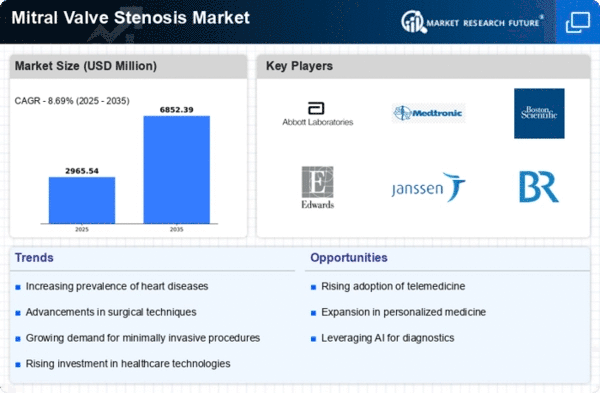
As per MRFR analysis, the Mitral Valve Stenosis Market Size was estimated at 2728.44 USD Million in 2024. The Mitral Valve Stenosis industry is projected to grow from 2996.81 in 2025 to 6852.39 by 2035, exhibiting a compound annual growth rate (CAGR) of 8.69 during the forecast period 2025 - 2035.

Key Market Trends & Highlights

The Mitral Valve Stenosis Market is poised for growth driven by technological advancements and rising awareness.

  • Technological advancements in treatment are reshaping the Mitral Valve Stenosis Market, particularly in North America.
  • Increased awareness and education initiatives are contributing to a growing patient population in the Asia-Pacific region.
  • Rheumatic Mitral Valve Stenosis remains the largest segment, while Congenital Mitral Valve Stenosis is emerging as the fastest-growing segment.
  • Rising prevalence of Mitral Valve Stenosis and advancements in surgical techniques are key drivers propelling market expansion.

Market Size & Forecast

2024 Market Size 2728.44 (USD Million)
2035 Market Size 6852.39 (USD Million)
CAGR (2025 - 2035) 8.69%
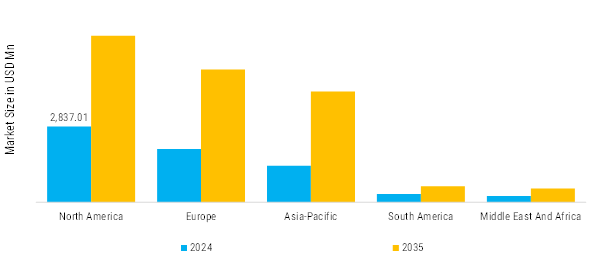
Largest Regional Market Share in 2024 North America

Major Players

<p>Abbott (US), Medtronic (US), Boston Scientific (US), Edwards Lifesciences (US), Janssen Pharmaceuticals (US), Baxter International (US), Sorin Group (IT), LivaNova (GB), Terumo Corporation (JP)</p>

Market Trends

The Mitral Valve Stenosis Market is currently experiencing notable developments driven by advancements in medical technology and an increasing understanding of cardiovascular diseases. The growing prevalence of mitral valve stenosis, often linked to rheumatic fever and age-related degeneration, has led to heightened awareness among healthcare professionals and patients alike. This awareness is fostering a demand for innovative treatment options, including minimally invasive surgical techniques and advanced imaging technologies. Furthermore, the integration of telemedicine and digital health solutions is transforming patient management, allowing for more personalized care and improved outcomes. In addition, the Mitral Valve Stenosis Market is influenced by ongoing research and clinical trials aimed at enhancing therapeutic strategies. Pharmaceutical companies are exploring novel drug therapies that target the underlying causes of mitral valve stenosis, potentially offering new avenues for treatment. The collaboration between healthcare providers and technology firms is also paving the way for the development of sophisticated diagnostic tools, which may facilitate earlier detection and intervention. As the market evolves, stakeholders are likely to focus on patient-centric approaches, ensuring that treatment modalities align with individual needs and preferences, thereby enhancing overall quality of life for those affected by this condition.

Technological Advancements in Treatment

The Mitral Valve Stenosis Market is witnessing a surge in technological innovations, particularly in the realm of minimally invasive procedures. These advancements are enabling healthcare professionals to perform complex interventions with reduced recovery times and improved patient outcomes. As techniques evolve, the focus on patient safety and comfort is becoming paramount, potentially reshaping treatment paradigms.

Increased Awareness and Education

There is a growing emphasis on awareness and education regarding mitral valve stenosis among both healthcare providers and patients. This trend is likely to enhance early diagnosis and timely intervention, which could lead to better management of the condition. Educational initiatives are fostering a deeper understanding of symptoms and treatment options, thereby empowering patients.

Integration of Digital Health Solutions

The integration of digital health solutions into the Mitral Valve Stenosis Market is transforming patient care. Telemedicine platforms and mobile health applications are facilitating remote monitoring and consultations, which may improve access to care. This trend suggests a shift towards more personalized and efficient management of mitral valve stenosis, aligning with contemporary healthcare demands.

Mitral Valve Stenosis Market Market Drivers

Market Growth Projections

The Global Mitral Valve Stenosis Market Industry is projected to experience substantial growth over the coming years. With a market value of 0.73 USD Billion anticipated in 2024, the industry is on track to reach an estimated 5.37 USD Billion by 2035. This growth trajectory indicates a compound annual growth rate of 19.92% from 2025 to 2035. Such projections highlight the increasing demand for effective treatment options and the ongoing advancements in medical technology. As the market evolves, stakeholders are likely to explore new opportunities for innovation and collaboration, further driving the industry's expansion.

Advancements in Medical Technology

Technological advancements play a crucial role in shaping the Global Mitral Valve Stenosis Market Industry. Innovations in minimally invasive surgical techniques and catheter-based interventions have transformed treatment approaches, leading to improved patient outcomes. For instance, transcatheter mitral valve repair and replacement procedures are gaining traction, offering alternatives to traditional open-heart surgery. These advancements not only enhance the safety and efficacy of treatments but also contribute to the market's growth. As the industry adapts to these technological changes, the market is poised for significant expansion, with a projected compound annual growth rate of 19.92% from 2025 to 2035.

Increasing Awareness and Screening

The Global Mitral Valve Stenosis Market Industry benefits from heightened awareness and screening initiatives aimed at early detection of heart conditions. Public health campaigns and educational programs are instrumental in informing both healthcare providers and patients about the symptoms and risks associated with mitral valve stenosis. This increased awareness leads to earlier diagnosis and timely intervention, which is critical for improving patient outcomes. As more individuals undergo screening, the demand for treatment options is likely to rise, further propelling market growth. The proactive approach to managing heart health is expected to have a lasting impact on the industry.

Rising Prevalence of Mitral Valve Stenosis

The Global Mitral Valve Stenosis Market Industry is experiencing growth due to the increasing prevalence of mitral valve stenosis, particularly among the aging population. As individuals age, the risk of developing heart conditions, including mitral valve stenosis, escalates. Current estimates suggest that by 2024, the market value will reach approximately 0.73 USD Billion, reflecting the urgent need for effective treatment options. This trend is expected to continue, with projections indicating a market value of 5.37 USD Billion by 2035. The growing number of patients requiring intervention drives innovation and investment in medical technologies, thereby enhancing the overall market landscape.

Regulatory Support for Innovative Therapies

Regulatory bodies are increasingly supportive of innovative therapies within the Global Mitral Valve Stenosis Market Industry. Streamlined approval processes for new devices and treatments encourage manufacturers to invest in research and development. This regulatory environment fosters innovation, enabling the introduction of cutting-edge solutions that address unmet medical needs. As a result, the market is expected to expand significantly, with a projected value of 5.37 USD Billion by 2035. The collaboration between regulatory agencies and industry stakeholders is crucial for ensuring that patients benefit from the latest advancements in mitral valve stenosis treatment.

Growing Investment in Healthcare Infrastructure

Investment in healthcare infrastructure is a driving force behind the Global Mitral Valve Stenosis Market Industry. Governments and private entities are increasingly allocating resources to enhance healthcare facilities and improve access to advanced cardiac care. This trend is particularly evident in developing regions, where the establishment of specialized cardiac centers is on the rise. Enhanced infrastructure facilitates better diagnosis, treatment, and follow-up care for patients with mitral valve stenosis. As healthcare systems evolve, the market is likely to witness substantial growth, supported by improved patient access to innovative therapies and interventions.

Market Segment Insights

By Type of Mitral Valve Stenosis: Rheumatic Mitral Valve Stenosis (Largest) vs. Congenital Mitral Valve Stenosis (Fastest-Growing)

<p>The Mitral Valve Stenosis market is primarily dominated by Rheumatic Mitral Valve Stenosis, which constitutes a significant portion of the market share. This condition, often resulting from rheumatic fever, remains prevalent in developing countries where access to healthcare is limited. In contrast, Congenital Mitral Valve Stenosis is gaining attention, particularly in regions with advanced diagnostic facilities, leading to a gradual increase in its market share.</p>

<p>Rheumatic Mitral Valve Stenosis (Dominant) vs. Congenital Mitral Valve Stenosis (Emerging)</p>

<p>Rheumatic Mitral Valve Stenosis is the dominant segment, mainly due to its higher prevalence associated with rheumatic heart disease. This condition often necessitates surgical interventions, creating a robust demand for medical treatments related to it. On the other hand, Congenital Mitral Valve Stenosis, while currently a smaller segment, is considered emerging due to advancements in prenatal diagnostics and increased awareness among healthcare providers. As more cases are diagnosed early, the treatment and management strategies for this segment are expected to evolve, paving the way for new therapies and innovations, thus driving market growth.</p>

By Diagnosis Method: Echocardiography (Largest) vs. Cardiac Catheterization (Fastest-Growing)

<p>The Diagnosis Method segment of the Mitral Valve Stenosis Market is primarily characterized by varied methodologies such as Echocardiography, Cardiac Catheterization, Electrocardiogram, and Chest X-ray. Among these, Echocardiography holds the largest share, owing to its non-invasive nature and ability to provide real-time imaging of heart structures. Cardiac Catheterization, although smaller in share, is the fastest-growing method as it offers detailed anatomical insights and interventional capabilities. Electrocardiogram and Chest X-ray remain essential but are less dominant in comprehensive diagnostics.</p>

<p>Echocardiography (Dominant) vs. Cardiac Catheterization (Emerging)</p>

<p>Echocardiography is the dominant tool in the Mitral Valve Stenosis diagnosis landscape, serving as a primary non-invasive imaging technique that allows cardiologists to visualize heart function in real-time. Its widespread availability and capability to assess the severity of stenosis make it indispensable. Conversely, Cardiac Catheterization, while traditionally considered more invasive, is emerging rapidly due to advancements in technology that enhance safety and efficacy. This method allows for precise measurements and interventions, appealing to both specialists and patients. Despite its invasive nature, the rising demand for detailed procedural insights underscores its growth potential, making it a significant contender in the market.</p>

By Treatment Approach: Surgical Intervention (Largest) vs. Transcatheter Mitral Valve Replacement (Fastest-Growing)

<p>The Mitral Valve Stenosis Market exhibits a varied distribution of treatment approaches, with Surgical Intervention holding the largest market share. This method typically involves conventional surgical techniques to repair or replace the mitral valve, catering to patients with severe stenosis. On the other hand, Percutaneous Mitral Balloon Valvotomy and Medications occupy important, yet smaller, portions of the market. Transcatheter Mitral Valve Replacement, a newer technique, shows immense promise as it is gaining traction among healthcare providers and patients alike.</p>

<p>Surgical Intervention (Dominant) vs. Transcatheter Mitral Valve Replacement (Emerging)</p>

<p>Surgical Intervention for mitral valve stenosis remains the dominant approach due to its long-established success and effectiveness in treating severe cases. Surgeons often recommend it to patients facing significant symptoms and structural heart abnormalities. Conversely, Transcatheter Mitral Valve Replacement is emerging as a compelling choice for less invasive treatment, making it attractive for patients who are high-risk or prefer minimally invasive procedures. The rapid advancement of catheter-based techniques and improved technology enables an effective alternative, positioning this method as a key player in future treatment paradigms.</p>

By Patient Demographics: Age Group (Largest) vs. Comorbidities (Fastest-Growing)

<p>In the Mitral Valve Stenosis Market, the distribution of patient demographics reveals significant insights. The largest segment is the older age group, particularly individuals aged 65 and above, who account for a substantial portion of the affected population. This demographic's higher prevalence of Mitral Valve Stenosis is largely due to age-related degeneration and increased comorbidities linked to chronic health conditions. Meanwhile, comorbidities, including hypertension and diabetes, are emerging as a rapidly growing segment, highlighting their rising impact on treatment approaches and healthcare strategies for Mitral Valve Stenosis patients.</p>

<p>Age Group: 65+ (Dominant) vs. Lifestyle Factors (Emerging)</p>

<p>The dominant age group in the Mitral Valve Stenosis Market is the elderly population, particularly those aged 65 and above. This demographic is characterized by a higher prevalence of the condition, often presenting comorbidities that complicate treatment options. These patients are typically under the care of cardiologists and face unique challenges, including the need for tailored therapeutic interventions. In contrast, lifestyle factors are emerging as a significant segment, as changes in diet, exercise, and smoking habits are increasingly recognized for their influence on heart health. The emphasis on lifestyle modifications presents new opportunities for patient education and community health initiatives aimed at reducing the burden of Mitral Valve Stenosis.</p>

Get more detailed insights about Mitral Valve Stenosis Market Research Report – Forecast to 2035

Regional Insights

North America : Market Leader in Innovation

North America is poised to maintain its leadership in the Mitral Valve Stenosis market, holding a significant share of $1360.0M in 2024. The region benefits from advanced healthcare infrastructure, high prevalence of cardiovascular diseases, and increasing awareness about treatment options. Regulatory support from agencies like the FDA further catalyzes market growth, ensuring rapid approval of innovative therapies and devices. The competitive landscape is robust, with key players such as Abbott, Medtronic, and Boston Scientific leading the charge. The U.S. is the primary market, driven by a high demand for minimally invasive procedures and advanced surgical techniques. The presence of established companies fosters innovation and enhances patient access to cutting-edge treatments, solidifying North America's position as a global leader in this sector.

Europe : Emerging Market with Growth Potential

Europe's Mitral Valve Stenosis market is valued at $800.0M, reflecting a growing demand for innovative treatment options. Factors such as an aging population, increasing incidence of heart diseases, and supportive healthcare policies are driving market expansion. Regulatory bodies are actively promoting advancements in medical technology, which is expected to enhance patient outcomes and accessibility to treatments across the region. Leading countries like Germany, France, and the UK are at the forefront of this market, with a competitive landscape featuring key players such as Edwards Lifesciences and Sorin Group. The presence of well-established healthcare systems and ongoing clinical research initiatives further bolster the market. As Europe embraces new technologies, the Mitral Valve Stenosis market is set for significant growth in the coming years.

Asia-Pacific : Rapidly Growing Healthcare Sector

The Asia-Pacific Mitral Valve Stenosis market, valued at $450.0M, is experiencing rapid growth driven by increasing healthcare investments and rising awareness of cardiovascular diseases. Countries like Japan, China, and India are witnessing a surge in demand for advanced medical devices and treatments. Government initiatives aimed at improving healthcare infrastructure and access to quality care are further propelling market growth in this region. The competitive landscape is evolving, with key players like Terumo Corporation and LivaNova making significant inroads. The region's diverse population and varying healthcare needs present unique opportunities for innovation and tailored solutions. As the market matures, the focus on minimally invasive procedures and patient-centric care is expected to shape the future of Mitral Valve Stenosis treatments in Asia-Pacific.

Middle East and Africa : Untapped Market Potential

The Middle East and Africa (MEA) Mitral Valve Stenosis market, valued at $118.44M, is characterized by untapped potential and increasing healthcare investments. The region is witnessing a rise in cardiovascular diseases, prompting governments to prioritize healthcare reforms and improve access to advanced medical technologies. Regulatory frameworks are gradually evolving to support the introduction of innovative treatments, which is expected to drive market growth. Countries like South Africa and the UAE are leading the way in adopting new healthcare technologies, with a growing presence of key players such as Baxter International. The competitive landscape is still developing, but increasing collaborations between local and international firms are enhancing market dynamics. As awareness and access improve, the MEA region is set to become a significant player in the Mitral Valve Stenosis market.

Key Players and Competitive Insights

The Mitral Valve Stenosis Market is characterized by a dynamic competitive landscape, driven by advancements in medical technology, increasing prevalence of cardiovascular diseases, and a growing aging population. Key players such as Abbott (US), Medtronic (US), and Edwards Lifesciences (US) are at the forefront, each adopting distinct strategies to enhance their market presence. Abbott (US) focuses on innovation through the development of minimally invasive solutions, while Medtronic (US) emphasizes strategic partnerships to expand its product offerings. Edwards Lifesciences (US) is heavily invested in research and development, aiming to lead in transcatheter heart valve technologies. Collectively, these strategies foster a competitive environment that is increasingly centered on technological advancement and patient-centric solutions.

In terms of business tactics, companies are localizing manufacturing to reduce costs and enhance supply chain efficiency. The Mitral Valve Stenosis Market appears moderately fragmented, with several players vying for market share. The collective influence of these key players shapes the market structure, as they engage in collaborations and mergers to strengthen their positions. This fragmentation allows for a diverse range of products and innovations, catering to varying patient needs and preferences.

In November 2025, Abbott (US) announced the launch of its latest transcatheter mitral valve replacement system, which is designed to improve patient outcomes through enhanced delivery mechanisms. This strategic move underscores Abbott's commitment to innovation and positions the company to capture a larger share of the market by addressing unmet clinical needs. The introduction of this system is likely to bolster Abbott's competitive edge, particularly in regions with high demand for minimally invasive procedures.

In October 2025, Medtronic (US) entered into a partnership with a leading telehealth provider to integrate remote monitoring capabilities into its mitral valve solutions. This collaboration aims to enhance patient management and follow-up care, reflecting a growing trend towards digital health solutions. By leveraging telehealth, Medtronic (US) not only improves patient engagement but also positions itself as a forward-thinking leader in the market, potentially increasing its customer base and loyalty.

In September 2025, Edwards Lifesciences (US) expanded its research initiatives by investing €50 million in a new innovation center focused on heart valve technologies. This investment highlights the company's dedication to advancing its product pipeline and maintaining its leadership position in the market. The establishment of this center is expected to accelerate the development of next-generation solutions, further differentiating Edwards Lifesciences (US) from its competitors.

As of December 2025, current competitive trends in the Mitral Valve Stenosis Market include a pronounced shift towards digitalization, sustainability, and the integration of artificial intelligence in product development. Strategic alliances are increasingly shaping the landscape, enabling companies to pool resources and expertise. Looking ahead, competitive differentiation is likely to evolve from traditional price-based competition to a focus on innovation, technological advancements, and supply chain reliability. This shift may redefine market dynamics, as companies that prioritize these elements are poised to thrive in an increasingly complex environment.

Key Companies in the Mitral Valve Stenosis Market market include

Industry Developments

Medtronic, a medical device company based in both the United States and Ireland, recently recruited the first patient in its Expand TAVR II pivotal trial. Expand TAVR II will test the self-expanding, supra-annular Evolut transcatheter aortic valve replacement (TAVR) platform in patients with mild, symptomatic aortic stenosis (AS), a population not currently included in TAVR guidelines or criteria. It will enroll up to 650 patients at up to 100 global sites, with an objective to evaluate the safety and efficacy of Evolut TAVR over a ten-year period.

Medtronic and GE Healthcare have established a partnership to address the specific needs and demand for care in ambulatory surgery centers (ASCs) and office-based laboratories (OBLs). Customers will have access to a diverse product selection, financial solutions, and great service as a result of this new partnership. The partnership intends to improve efficiency, workflow, and clinical results for GE Healthcare's ASCs and OBLs.

Intended Audience

    • Pharmaceutical Companies
    • Medical Device Manufacturers
    • Research and Development (R&D) Companies
    • Diagnostic Laboratories
    • Government Research Institute
    • Academic Institutes and Universities

Future Outlook

Mitral Valve Stenosis Market Future Outlook

<p>The Mitral Valve Stenosis Market is projected to grow at an 8.69% CAGR from 2024 to 2035, driven by increasing prevalence, technological advancements, and enhanced treatment options.</p>

New opportunities lie in:

  • <p>Development of minimally invasive surgical techniques for mitral valve repair.</p>
  • <p>Expansion of telemedicine platforms for remote patient monitoring and consultations.</p>
  • <p>Investment in AI-driven diagnostic tools for early detection and personalized treatment.</p>

<p>By 2035, the Mitral Valve Stenosis Market is expected to achieve substantial growth and innovation.</p>

Market Segmentation

Mitral Valve Stenosis Market Diagnosis Method Outlook

  • Echocardiography
  • Cardiac Catheterization
  • Electrocardiogram
  • Chest X-ray

Mitral Valve Stenosis Market Treatment Approach Outlook

  • Surgical Intervention
  • Percutaneous Mitral Balloon Valvotomy
  • Medications
  • Transcatheter Mitral Valve Replacement

Mitral Valve Stenosis Market Patient Demographics Outlook

  • Age Group
  • Gender
  • Comorbidities
  • Lifestyle Factors

Mitral Valve Stenosis Market Type of Mitral Valve Stenosis Outlook

  • Rheumatic Mitral Valve Stenosis
  • Congenital Mitral Valve Stenosis
  • Degenerative Mitral Valve Stenosis
  • Functional Mitral Valve Stenosis

Report Scope

MARKET SIZE 20242728.44(USD Million)
MARKET SIZE 20252996.81(USD Million)
MARKET SIZE 20356852.39(USD Million)
COMPOUND ANNUAL GROWTH RATE (CAGR)8.69% (2024 - 2035)
REPORT COVERAGERevenue Forecast, Competitive Landscape, Growth Factors, and Trends
BASE YEAR2024
Market Forecast Period2025 - 2035
Historical Data2019 - 2024
Market Forecast UnitsUSD Million
Key Companies ProfiledAbbott (US), Medtronic (US), Boston Scientific (US), Edwards Lifesciences (US), Janssen Pharmaceuticals (US), Baxter International (US), Sorin Group (IT), LivaNova (GB), Terumo Corporation (JP)
Segments CoveredType of Mitral Valve Stenosis, Diagnosis Method, Treatment Approach, Patient Demographics
Key Market OpportunitiesAdvancements in minimally invasive procedures enhance treatment options in the Mitral Valve Stenosis Market.
Key Market DynamicsRising demand for minimally invasive procedures drives innovation in Mitral Valve Stenosis treatment technologies and solutions.
Countries CoveredNorth America, Europe, APAC, South America, MEA

FAQs

What would drive the mitral valve stenosis market?

Rheumatic diseases are the main reason behind mitral valve stenosis market.

What would prevent the mitral valve stenosis market growth?

Government regulations regarding product approval and high-cost procedures can prevent mitral valve stenosis market growth.

Which region would dominate the global mitral valve stenosis market?

North America would dominate mitral valve stenosis market.

Which region would be the fastest-growing mitral valve stenosis market?

Asia Pacific would be the fastest-growing region in mitral valve stenosis market.

Which treatment segment would dominate the mitral valve stenosis market?

The procedure segment would lead the mitral valve stenosis market.

  1. Definition
    1. Scope of the Study
      1. Research Objective
      2. Assumptions
      3. Limitations
    2. Introduction
    3. Primary Research
    4. Secondary Research
    5. Market Size Estimation
    6. Drivers
    7. Restraints
    8. Opportunities
    9. Challenges
    10. Macroeconomic Indicators
    11. Technology Trends & Assessment
    12. Porter’s Five Forces Analysis
      1. Bargaining Power of Suppliers
      2. Bargaining Power of Buyers
      3. Threat of New Entrants
      4. Threat of Substitutes
      5. Intensity of Rivalry
    13. Value Chain Analysis
    14. Investment Feasibility Analysis
    15. Pricing Analysis
  2. Chapter 6. Global Mitral Valve Stenosis Market, by Diagnostic Test
    1. Introduction
    2. Electrocardiogram (ECG)
  3. Market Estimates & Forecast, by Region, 2023-2032
  4. Market Estimates & Forecast, by Country, 2023-2032
    1. Transthoracic Echocardiogram
  5. Market Estimates & Forecast, by Region, 2023-2032
  6. Market Estimates & Forecast, by Country, 2023-2032
    1. Transesophageal Echocardiogram
  7. Market Estimates & Forecast, by Region, 2023-2032
  8. Market Estimates & Forecast, by Country, 2023-2032
    1. Cardiac Catheterization
  9. Market Estimates & Forecast, by Region, 2023-2032
  10. Market Estimates & Forecast, by Country, 2023-2032
    1. Others
  11. Chapter 7. Global Mitral Valve Stenosis Market, by Treatment
    1. Introduction
    2. Medications
      1. Diuretics
  12. Market Estimates & Forecast, by Region, 2023-2032
  13. Market Estimates & Forecast, by Country, 2023-2032
  14. Blood Thinners
  15. Market Estimates & Forecast, by Region, 2023-2032
  16. Market Estimates & Forecast, by Country, 2023-2032
  17. Beta Blockers
  18. Market Estimates & Forecast, by Region, 2023-2032
  19. Market Estimates & Forecast, by Country, 2023-2032
  20. Anti-Arrhythmic Drugs
  21. Market Estimates & Forecast, by Region, 2023-2032
  22. Market Estimates & Forecast, by Country, 2023-2032
  23. Antibiotics
  24. Market Estimates & Forecast, by Region, 2023-2032
  25. Market Estimates & Forecast, by Country, 2023-2032
    1. Procedures
      1. Mitral Valvuloplasty
  26. Market Estimates & Forecast, by Region, 2023-2032
  27. Market Estimates & Forecast, by Country, 2023-2032
  28. Mitral Valve Surgery
  29. Mitral Valve Repair
  30. Market Estimates & Forecast, by Region, 2023-2032
  31. Market Estimates & Forecast, by Country, 2023-2032
  32. Mitral Valve Replacement
  33. Market Estimates & Forecast, by Region, 2023-2032
  34. Market Estimates & Forecast, by Country, 2023-2032
  35. Chapter 8. Global Mitral Valve Stenosis Market, by End User
    1. Introduction
    2. Hospitals & Clinics
  36. Market Estimates & Forecast, by Region, 2023-2032
  37. Market Estimates & Forecast, by Country, 2023-2032
    1. Diagnostic Centers
  38. Market Estimates & Forecast, by Region, 2023-2032
  39. Market Estimates & Forecast, by Country, 2023-2032
    1. Others
  40. Chapter 9. Global Mitral Valve Stenosis Market, by Region
    1. Introduction
    2. Americas
      1. North America
      2. South America
    3. Europe
      1. Western Europe
      2. Eastern Europe
    4. Asia-Pacific
      1. Japan
      2. China
      3. India
      4. Australia
      5. South Korea
      6. Rest of Asia-Pacific
    5. Middle East & Africa
      1. Middle East
      2. Africa
    6. Chapter 10. Company Landscape
    7. Introduction
    8. Market Share Analysis
    9. Key Development & Strategies
    10. Chapter 11. Company Profiles
    11. Edward Lifesciences
      1. Company Overview
      2. Product Overview
      3. Financials Overview
      4. Key Developments
      5. SWOT Analysis
    12. Boston Scientific Corporation
      1. Company Overview
      2. Product Overview
      3. Financial Overview
      4. Key Developments
      5. SWOT Analysis
    13. Abbott Laboratories
      1. Company Overview
      2. Product Overview
      3. Financial Overview
      4. Key Development
      5. SWOT Analysis
    14. HighLife Medical
      1. Company Overview
      2. Product Overview
      3. Financial Overview
      4. Key Development
      5. SWOT Analysis
    15. Medtronic Plc
      1. Company Overview
      2. Product Overview
      3. Financial overview
      4. Key Developments
      5. SWOT Analysis
    16. Neovasc, Inc.
      1. Company Overview
      2. Product Overview
      3. Financial Overview
      4. Key Developments
      5. SWOT Analysis
    17. CryoLife, Inc.
      1. Overview
      2. Product Overview
      3. Financial Overview
      4. Key Developments
      5. SWOT Analysis
    18. On-X Life Technologies, Inc.
      1. Overview
      2. Product Overview
      3. Financials
      4. Key Developments
      5. SWOT Analysis
    19. Micro Interventional Devices, Inc.
      1. Overview
      2. Product Overview
      3. Financials
      4. Key Developments
      5. SWOT Analysis
    20. Braun Melsungen AG
      1. Overview
      2. Product Overview
      3. Financials
      4. Key Developments
      5. SWOT Analysis
    21. JenaValve Technology
      1. Overview
      2. Product Overview
      3. Financials
      4. Key Developments
      5. SWOT Analysis
    22. Siemens Healthcare
      1. Overview
      2. Product Overview
      3. Financials
      4. Key Developments
      5. SWOT Analysis
    23. Others
    24. Chapter 12 MRFR Conclusion
    25. Key Findings
      1. From CEO’s Viewpoint
      2. Unmet Needs of the Market
    26. Key Companies to Watch
    27. Predictions for the Mitral Valve Stenosis Industry
    28. Chapter 13. Appendix
  41. LIST OF TABLES
  42. Global Mitral Valve Stenosis Market Synopsis, 2023-2032
  43. Global Mitral Valve Stenosis Market Estimates and Forecast, 2023-2032
    1. (USD Million)
  44. Global Mitral Valve Stenosis Market, by Region, 2023-2032 (USD Million)
  45. Global Mitral Valve Stenosis Market, by Diagnostic Test, 2023-2032 (USD Million)
  46. Global Mitral Valve Stenosis Market, by Material, 2023-2032 (USD Million)
  47. North America: Mitral Valve Stenosis Market, by Diagnostic Test, 2023-2032 (USD
    1. Million)
  48. North America: Mitral Valve Stenosis Market, by Treatment, 2023-2032 (USD
    1. Million)
  49. North America: Mitral Valve Stenosis Market, by End User, 2023-2032 (USD
    1. Million)
  50. US: Mitral Valve Stenosis Market, by Diagnostic Test, 2023-2032 (USD Million)
  51. US: Mitral Valve Stenosis Market, by Treatment, 2023-2032 (USD Million)
  52. US: Mitral Valve Stenosis Market, by End User, 2023-2032 (USD Million)
  53. Canada: Mitral Valve Stenosis Market, by Diagnostic Test, 2023-2032 (USD Million)
  54. Canada: Mitral Valve Stenosis Market, by Treatment, 2023-2032 (USD Million)
  55. Canada: Mitral Valve Stenosis Market, by End User, 2023-2032 (USD
    1. Million)
  56. South America: Mitral Valve Stenosis Market, by Diagnostic Test, 2023-2032 (USD
    1. Million)
  57. South America: Mitral Valve Stenosis Market, by Treatment, 2023-2032 (USD
    1. Million)
  58. South America: Mitral Valve Stenosis Market, by End User, 2023-2032 (USD
    1. Million)
  59. Europe: Mitral Valve Stenosis Market, by Diagnostic Test, 2023-2032 (USD Million)
  60. Europe: Mitral Valve Stenosis Market, by Treatment, 2023-2032 (USD Million)
  61. Europe: Mitral Valve Stenosis Market, by End User, 2023-2032 (USD Million)
  62. Western Europe: Mitral Valve Stenosis Market, by Diagnostic Test, 2023-2032
    1. (USD Million)
  63. Western Europe: Mitral Valve Stenosis Market, by Treatment, 2023-2032
    1. (USD Million)
  64. Western Europe: Mitral Valve Stenosis Market, by End User, 2023-2032
    1. (USD Million)
  65. Eastern Europe: Mitral Valve Stenosis Market, by Diagnostic Test, 2023-2032
    1. (USD Million)
  66. Eastern Europe: Mitral Valve Stenosis Market, by Treatment, 2023-2032
    1. (USD Million)
  67. Eastern Europe: Mitral Valve Stenosis Market, by End User, 2023-2032
    1. (USD Million)
  68. Asia-Pacific: Mitral Valve Stenosis Market, by Diagnostic Test, 2023-2032 (USD
    1. Million)
  69. Asia-Pacific: Mitral Valve Stenosis Market, by Treatment, 2023-2032 (USD
    1. Million)
  70. Asia-Pacific: Mitral Valve Stenosis Market, by End User, 2023-2032 (USD
    1. Million)
  71. Middle East & Africa: Mitral Valve Stenosis Market, by Diagnostic Test, 2023-2032
    1. (USD Million)
  72. Middle East & Africa: Mitral Valve Stenosis Market, by Treatment, 2023-2032
    1. (USD Million)
  73. Middle East & Africa: Mitral Valve Stenosis Market, by End User, 2023-2032
    1. (USD Million)
  74. LIST OF FIGURES
  75. Research Process
  76. Segmentation for Global Mitral Valve Stenosis Market
  77. Segmentation Market Dynamics for Global Mitral Valve Stenosis Market
  78. Global Mitral Valve Stenosis Market Share, by Diagnostic Test, 2023
  79. Global Mitral Valve Stenosis Market Share, by Treatment, 2023
  80. Global Mitral Valve Stenosis Market Share, by End User, 2023
  81. Global Mitral Valve Stenosis Market Share, by Region, 2023
  82. North America: Mitral Valve Stenosis Market Share, by Country, 2023
  83. Europe: Mitral Valve Stenosis Market Share, by Country, 2023
  84. Asia-Pacific: Mitral Valve Stenosis Market Share, by Country, 2023
  85. Middle East & Africa: Mitral Valve Stenosis Market Share, by Country, 2023
  86. Global Mitral Valve Stenosis Market: Company Share Analysis, 2023 (%)
  87. Edward Lifesciences: Key Financials
  88. Edward Lifesciences: Segmental Revenue
  89. Edward Lifesciences: Geographical Revenue
  90. Boston Scientific Corporation: Key Financials
  91. Boston Scientific Corporation: Segmental Revenue
  92. Boston Scientific Corporation: Geographical Revenue
  93. Abbott Laboratories: Key Financials
  94. Abbott Laboratories: Segmental Revenue
  95. Abbott Laboratories: Geographical Revenue
  96. HighLife Medical: Key Financials
  97. HighLife Medical: Segmental Revenue
  98. HighLife Medical: Geographical Revenue
  99. Medtronic Plc: Key Financials
  100. Medtronic Plc: Segmental Revenue
  101. Medtronic Plc. Geographical Revenue
  102. Neovasc, Inc.: Key Financials
  103. Neovasc, Inc.: Segmental Revenue
  104. Neovasc, Inc.: Geographical Revenue
  105. CryoLife, Inc.: Key Financials
  106. CryoLife, Inc.: Segmental Revenue
  107. CryoLife, Inc.: Geographical Revenue
  108. On-X Life Technologies, Inc.: Key Financials
  109. On-X Life Technologies, Inc.: Segmental Revenue
  110. On-X Life Technologies, Inc.: Geographical Revenue
  111. Micro Interventional Devices, Inc.: Key Financials
  112. Micro Interventional Devices, Inc.: Segmental Revenue
  113. Micro Interventional Devices, Inc.: Geographical Revenue
  114. Braun Melsungen AG: Key Financials
  115. Braun Melsungen AG: Segmental Revenue
  116. Braun Melsungen AG: Geographical Revenue
  117. JenaValve Technology: Key Financials
  118. JenaValve Technology: Segmental Revenue
  119. JenaValve Technology: Geographical Revenue
  120. Siemens Healthcare: Key Financials
  121. Siemens Healthcare: Segmental Revenue
  122. Siemens Healthcare: Geographical Revenue

Mitral Valve Stenosis Market Segmentation

Market Segmentation Overview

  • Detailed segmentation data will be available in the full report
  • Comprehensive analysis by multiple parameters
  • Regional and country-level breakdowns
  • Market size forecasts by segment
Infographic

Free Sample Request

Kindly complete the form below to receive a free sample of this Report

Get Free Sample

Customer Strories

Compare Licence

×
Features License Type
Single User Multiuser License Enterprise User
Price $4,950 $5,950 $7,250
Maximum User Access Limit 1 User Upto 10 Users Unrestricted Access Throughout the Organization
Free Customization
Direct Access to Analyst
Deliverable Format
Platform Access
Discount on Next Purchase 10% 15% 15%
Printable Versions