Request Free Sample ×

Kindly complete the form below to receive a free sample of this Report

* Please use a valid business email

Leading companies partner with us for data-driven Insights

clients tt-cursor
Hero Background
English
Chinese
French
Japanese
Korean
German
Spanish

Medical Tourism Market Share

ID: MRFR/MED/1443-CR
90 Pages
Satyendra Maurya
August 2018

Medical Tourism Market Research Report by Treatment type (Orthopaedic, Ophthalmology, Oncology, Cosmetic Surgery, Cardiovascular, Dentistry, Neurology, Fertility, Others), by Service Provider (Public, Private), By Region - Forecast to 2035

Share:
Download PDF ×

We do not share your information with anyone. However, we may send you emails based on your report interest from time to time. You may contact us at any time to opt-out.

Medical Tourism Market Infographic
Purchase Options

Market Share

Medical Tourism Market Share Analysis

In the aggressive landscape of the biosensor market, groups rent diverse techniques to secure a massive market percentage. Understanding the dynamic nature of the market is important for powerful positioning. Staying at the leading edge of technological improvements is a key strategy. Continuous innovation in biosensor generation permits groups to offer current merchandise, enhancing their competitive aspect and attracting a bigger purchaser base. Collaboration with different agencies, research establishments, or healthcare vendors is a commonplace method. Partnerships can facilitate the right of entry to new markets, distribution channels, and complementary technology, strengthening the biosensor business enterprise's marketplace role. Ensuring compliance with regulatory standards is crucial for biosensor companies. Meeting and exceeding regulatory necessities no longer only builds consideration with clients but also positions the enterprise as a dependable and responsible participant in the marketplace. Achieving value leadership via green manufacturing techniques, economies of scale, and deliver chain optimization is a strategic technique. Effective advertising, marketing, and branding play a pivotal role in marketplace proportion positioning. Biosensor companies invest in building strong emblem identities, speaking the cost proposition of their products, and differentiating themselves from the competition. Educating customers about the benefits of the biosensor era and imparting amazing customer service contribute to marketplace achievement. Offering education packages, person-pleasant interfaces, and responsive customer service fosters customer loyalty and delight. Diversifying the product portfolio allows biosensor businesses to address a much broader variety of packages and customer needs. This strategy facilitates capturing a bigger percentage of the market by presenting a comprehensive suite of answers. Anticipating and adapting to emerging trends, including the integration of biosensors with wearable gadgets or the growing demand for factor-of-care diagnostics, is vital. Companies that align their techniques with evolving market tendencies are better placed for long-term fulfillment. Increasingly, purchasers and stakeholders are putting significance on sustainability and ethical business practices. Biosensor organizations that undertake environmentally friendly techniques and reveal social duty can decorate their popularity and market positioning.

Author
Author Profile
Satyendra Maurya
Research Analyst

An accomplished research analyst with high proficiency in market forecasting, data visualization, competitive benchmarking, and others. He holds a pronounced track record in research and consulting projects for sectors such as life sciences, medical devices, and healthcare IT. His capabilities in qualitative and quantitative analysis have resulted in positive client outcomes. Working on niche market trends, opportunities, sales, and forecasted value is part of his skill set.

Leave a Comment

FAQs

What is the current valuation of the medical tourism market in 2025?

<p>The medical tourism market is valued at 45.0 USD Billion in 2024, and it is expected to grow significantly in the coming years.</p>

What is the projected market size for medical tourism by 2035?

<p>The market is projected to reach 100.0 USD Billion by 2035, indicating robust growth potential.</p>

What is the expected CAGR for the medical tourism market during the forecast period?

<p>The expected CAGR for the medical tourism market from 2025 to 2035 is 7.53%, suggesting a steady increase in demand.</p>

Which segments are driving the medical tourism market?

<p>Key segments include Medical Treatment, Wellness and Preventive Care, and Cosmetic Surgery, with valuations ranging from 8.0 to 35.0 USD Billion.</p>

Who are the key players in the medical tourism market?

<p>Prominent players include Bumrungrad International Hospital, Apollo Hospitals, and Cleveland Clinic, among others.</p>

What payment methods are commonly used in medical tourism?

<p>Payment methods include Out-of-Pocket expenses, Insurance Coverage, and Medical Financing, with valuations from 5.0 to 35.0 USD Billion.</p>

How does patient demographics influence the medical tourism market?

<p>Patient demographics, such as Age Group and Health Condition, are crucial, with market valuations between 7.0 and 25.0 USD Billion.</p>

What types of treatments are most sought after in medical tourism?

<p>Surgical Procedures and Non-Surgical Procedures dominate the market, with valuations from 10.0 to 35.0 USD Billion.</p>

What role do service providers play in the medical tourism market?

<p>Service providers, including Hospitals and Clinics, are vital, with market valuations ranging from 4.0 to 40.0 USD Billion.</p>

How does the medical tourism market compare across different regions?

<p>While specific regional data is not provided, the overall growth trajectory suggests varying demand across different geographical areas.</p>

Market Summary

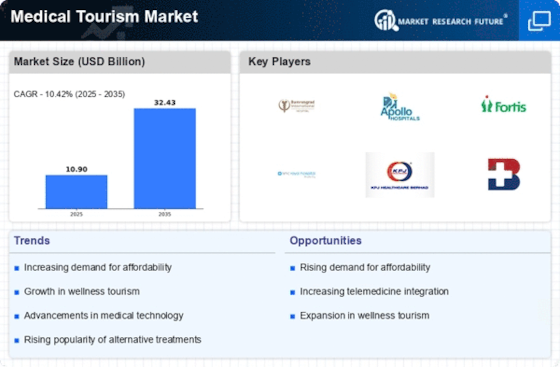
According to Market Research Future analysis, the Medical Tourism Market Size was valued at USD 49,279.57 Million in 2024 and the market is projected to grow from USD 55,883.04 Million in 2025 to USD 292,866.10 Million by 2035, registering a CAGR of 18.02% during the forecast period (2025–2035). Asia-Pacific led the market with over 42.10% share, generating around USD 20,744.93 million in revenue.
 
Cost advantages combined with access to high-quality healthcare services are major growth drivers for the medical tourism market. Patients increasingly travel internationally to receive affordable treatments, shorter waiting times, and advanced procedures, significantly boosting cross-border healthcare demand and global patient mobility.
 
WHO highlights rising global healthcare costs and access disparities, while IHME reports increasing burden of chronic diseases requiring specialized treatments. CDC notes growing elective procedure demand, supporting outbound patient flow. These factors collectively strengthen medical tourism growth by encouraging affordable, timely, and quality international care access.

Key Market Trends & Highlights

The Medical Tourism Market is experiencing robust growth driven by evolving consumer preferences and technological advancements.

  • Europe shows strong growth-15.88% CAGR, while North America holds 18.02% share. Medical services lead with 72% share, while surgical procedures dominate treatments at 46%. Domestic patients account for 58%, indicating strong local demand. Health insurance leads funding with a 65% share.

Market Size & Forecast

2024 Market Size 44,844.8 (USD Million)
2035 Market Size 2,92,866.10 (USD Million)
CAGR (2025 - 2035) 18.02%

Major Players

Companies such as <a href="https://www.apolloinformationcentre.com/medical-tourism-traveling-internationally-for-medical-care/" target="_blank" rel="noopener">Apollo hospitals</a>, Bumrungrad International Hospital, and Bangkok hospital are some of the major participants in the global market.

Market Trends

The Medical Tourism Market is currently experiencing a dynamic evolution, driven by various factors that influence patient choices and healthcare accessibility. As individuals seek high-quality medical care at competitive prices, the trend of traveling abroad for treatment continues to gain traction. This market encompasses a wide range of services, including elective surgeries, dental procedures, and wellness therapies, appealing to diverse demographics. The interplay of globalization, advancements in technology, and the increasing availability of information has made it easier for patients to explore options beyond their home countries.

Furthermore, the rise of telemedicine and digital health platforms has facilitated consultations and follow-ups, enhancing the overall experience for medical tourists. In addition to cost savings, the Medical Tourism Market is characterized by a growing emphasis on patient safety and quality of care. Countries that have established themselves as health tourism destinations are investing in accreditation and certifications to ensure that healthcare facilities meet international standards.

This focus on quality not only attracts patients but also fosters trust in the healthcare systems of these nations. As the market continues to expand, it appears poised to adapt to changing consumer preferences, regulatory environments, and technological advancements, potentially reshaping the landscape of global healthcare delivery.

Rising Demand for Cosmetic Procedures

The Medical Tourism Market is witnessing an increasing interest in cosmetic surgeries, as individuals seek aesthetic enhancements at more affordable prices abroad. This trend is particularly pronounced in regions known for their advanced surgical techniques and experienced practitioners, attracting patients from various countries.

According to the International Society of Aesthetic Plastic Surgery, more than 14.9 million surgical cosmetic procedures were performed globally in recent years, highlighting the rising demand for aesthetic treatments.

Integration of Wellness and Medical Services

There is a notable convergence of wellness and medical services within the Medical Tourism Market. Patients are increasingly seeking holistic approaches that combine traditional medical treatments with wellness therapies, such as spa services and alternative medicine, enhancing their overall health experience.

According to the Global Wellness Institute, the global wellness tourism sector has grown rapidly and is valued at over USD 800 billion, reflecting strong demand for integrated health and wellness experiences. The institute also reports that travelers increasingly seek destinations that offer combined medical treatments, rehabilitation services, and wellness therapies, demonstrating the growing overlap between healthcare and wellness tourism services.

Technological Advancements in Healthcare

The Medical Tourism Market is being transformed by technological innovations, including telemedicine and digital health solutions. These advancements facilitate remote consultations and follow-ups, making it easier for patients to access care and stay connected with healthcare providers, regardless of geographical barriers.

According to the World Health Organization, telemedicine adoption has increased significantly in recent years as healthcare systems expand digital health services to improve accessibility and continuity of care.

Medical Tourism Market Market Drivers

Rising Incidence of Cancer

The rising awareness about medical tourism among patients has become one of the most influential forces shaping the global healthcare landscape and significantly supporting Medical Tourism Market growth. Over the past decade, access to information has improved dramatically through the internet, social media platforms, digital healthcare directories, and specialized medical tourism agencies.
 
As a result, patients are now far more informed about available treatment options, healthcare costs, and expected outcomes, enabling them to make cross-border healthcare decisions with greater confidence.Unlike in the past, when medical tourism was considered a niche option, it has increasingly gained mainstream acceptance across a wide range of patient demographics.
 
This growing awareness and accessibility of information continue to encourage patients to explore international healthcare services, particularly among those seeking more affordable treatments, shorter waiting times, and high-quality medical care abroad, thereby further contributing to Medical Tourism Market growth.

Low cost of medical treatment in developing countries

The low cost of medical treatment in developing countries has emerged as one of the most powerful drivers of medical tourism, encouraging patients from developed nations to seek care abroad where healthcare services are available at a fraction of the cost while maintaining comparable quality.
 
In countries such as India, Thailand, Malaysia, Mexico, Turkey, and the Philippines, advanced medical procedures including cardiac surgery, orthopedic interventions, cosmetic enhancements, fertility treatments, and dental care—can cost 50–80% less than in the United States, Canada, or Western Europe, even after accounting for travel, accommodation, and additional expenses.
 
This cost advantage is largely driven by lower labor costs, favorable currency exchange rates, and reduced administrative and insurance overheads in developing economies, allowing hospitals to deliver affordable yet high-quality care supported by internationally trained doctors and modern infrastructure. Patients facing exorbitant costs or lack of insurance coverage in their home countries often find medical tourism a practical and attractive alternative, especially for elective or non-emergency procedures that can be planned in advance. 
 
In September 2025, Fortis Healthcare launched a 200-bed multispecialty hospital in Greater Noida, strategically located near the upcoming Jewar International Airport. This proximity is expected to significantly boost cross-border patient inflow, making advanced healthcare more accessible to international travelers. By combining modern infrastructure with improved connectivity, the facility is poised to strengthen India’s position as a leading medical tourism destination.

Market Segment Insights

By Purpose of Travel: Medical Treatment (Largest) vs. Wellness and Preventive Care (Fastest-Growing)

In the medical tourism market, the 'Purpose of Travel' segment is notably diverse, with 'Medical Treatment' holding the largest market share. This segment primarily includes surgeries, procedures, and interventions that require specialized medical care abroad. Following closely, 'Wellness and Preventive Care' has emerged as a vibrant segment, gaining traction among travelers seeking holistic health services such as spa treatments, wellness retreats, and preventive health check-ups. The growth in this sector underscores a significant shift towards proactivity in health management. The expansion of these segments is largely driven by increased accessibility and affordability of healthcare services in popular travel destinations. Patients are increasingly attracted to countries that provide high-quality medical services at competitive prices, along with shorter waiting times. Additionally, the growing awareness of wellness benefits is prompting travelers to seek preventive care options abroad, further accelerating this market segment's growth and appeal among a broader demographic, including tourists looking for health-oriented travel experiences.

Medical Treatment: Dominant vs. Wellness and Preventive Care: Emerging

The medical treatment segment in the medical tourism market is characterized by its comprehensive offerings, including complex surgeries and specialized medical procedures. This segment dominates the market due to the increasing prevalence of chronic diseases and the rising cost of healthcare in developed nations, prompting individuals to seek alternatives abroad. In contrast, the wellness and preventive care segment is rapidly emerging, emphasizing holistic health and preventive measures. It appeals to a demographic that prioritizes health and well-being, often encompassing services like spa therapies, yoga retreats, and preventive screenings, catering to health-conscious travelers. This emerging segment is fueled by a growing trend of health and wellness tourism, reflecting a shift in consumer priorities towards proactive health management.

By Type of Treatment: Surgical Procedures (Largest) vs. Non-Surgical Procedures (Fastest-Growing)

The 'Type of Treatment' segment in the medical tourism market is diverse, consisting mainly of Surgical Procedures, Non-Surgical Procedures, Rehabilitation Services, Diagnostic Services, and Alternative Medicine. Among these, Surgical Procedures currently hold the largest market share, largely due to their high demand for complex interventions that often require international travel for enhanced quality of care and advanced medical technologies. Non-Surgical Procedures, while smaller in share, have gained traction due to their rising popularity and accessibility, particularly in the realm of cosmetic enhancements and outpatient treatments.

Surgical Procedures (Dominant) vs. Non-Surgical Procedures (Emerging)

Surgical Procedures represent the dominant segment in the medical tourism landscape, encompassing a broad array of treatments ranging from orthopedic surgeries to cardiovascular interventions. Their appeal lies in the availability of advanced facilities and experienced surgeons in several destination countries, which attract patients seeking quality care at lower costs than in their home countries. In contrast, Non-Surgical Procedures are emerging rapidly, driven by increasing consumer interest in cosmetic treatments, fertility services, and holistic health options. These procedures often require less recovery time and offer greater convenience, making them increasingly attractive to patients looking for immediate results without the long-term commitment of surgical options. As a result, both segments are crucial in shaping the future landscape of medical tourism.

By Patient Demographics: Age Group (Largest) vs. Income Level (Fastest-Growing)

In the medical tourism market, the distribution of patient demographics reveals significant trends across various age groups. The largest segment consists of individuals aged 30-50, reflecting a demographic that is often seeking cosmetic surgery, fertility treatments, and elective procedures abroad. Meanwhile, the older age groups, particularly those over 50, are increasingly participating in medical tourism for joint replacements and advanced healthcare services, indicating a shift in attitudes towards accessing healthcare outside their home countries. On the growth front, the income level segment is witnessing the fastest expansion, driven by affluent individuals seeking high-quality care and advanced medical technology unavailable in their home countries. Furthermore, younger demographics are becoming more open to medical tourism, influenced by social media and rising healthcare costs. These trends underscore the evolving landscape of patient demographics in medical tourism, revealing both a strong demand for elective procedures and a growing market among higher-income groups looking for better healthcare solutions.

Age Group: 30-50 (Dominant) vs. Income Level: Affluent (Emerging)

The age group of 30-50 years remains the dominant demographic within the medical tourism market, primarily driven by individuals seeking procedures like cosmetic surgery, dental work, and various elective surgeries. This group values experience, quality, and affordability, often influenced by recommendations and research through digital platforms. On the other hand, the affluent income level is emerging as a significant segment, consisting of individuals with high disposable incomes ready to invest in premium healthcare services abroad. This subgroup tends to prioritize comprehensive wellness solutions and cutting-edge medical approaches, often seeking the latest technological innovations in healthcare. As the market evolves, both segments are likely to shape the future of medical tourism significantly.

By Payment Method: Out-of-Pocket (Largest) vs. Insurance Coverage (Fastest-Growing)

In the medical tourism market, the payment method preferences are varied, with a notable inclination towards Out-of-Pocket payments, which represent the largest share. This trend is characterized by individuals choosing to pay for medical services directly rather than navigating complex insurance processes. Following closely, Insurance Coverage has emerged as the fastest-growing payment method, reflecting a growing recognition and acceptance of international healthcare services covered by certain plans. The growth of medical tourism is significantly influenced by various factors, with insurance coverage becoming more accessible. Increased awareness among consumers about available healthcare options abroad, coupled with the rise of specialized insurance products catering to medical tourism, indicates a shift in the landscape. Meanwhile, Out-of-Pocket payments are prevalent due to the requirement for immediate service access and the avoidance of bureaucratic delays in insurance claims.

Out-of-Pocket (Dominant) vs. Medical Financing (Emerging)

Out-of-Pocket payments are currently the dominant payment method in the medical tourism sector due to their simplicity and the control they offer consumers over their healthcare choices. Travelers often prefer this method as it allows immediate access to treatments without the constraints of waiting periods or documentation required by insurance companies. On the other hand, Medical Financing is emerging as a noteworthy option. This financing method caters to patients who may desire treatment abroad but who hesitate due to the upfront costs. With increasing financial products designed specifically for medical expenses, patients can access necessary healthcare services while managing their costs through installments, thereby broadening the market for medical tourism.

By Service Providers: Hospitals (Largest) vs. Clinics (Fastest-Growing)

The Medical Tourism Market sees a diverse distribution among service providers, with hospitals leading significantly, holding a 65% share. They offer a comprehensive range of advanced medical services, appealing to international patients seeking specialized care. Clinics, on the other hand, are rapidly gaining traction due to their tailored treatment plans and personalized care. As patients increasingly seek less invasive procedures, clinics have carved out a substantial share, making them a formidable competitor in the market. Growth in the medical tourism sector is driven largely by the increasing global demand for affordable yet high-quality healthcare. Factors such as improved healthcare standards in developing countries and the rising prevalence of chronic diseases are propelling hospitals to the forefront. Clinics are experiencing the fastest growth as they provide quicker access to services and minimal waiting times. The trend towards holistic wellness is also fueling the expansion of wellness centers, while travel agencies play a pivotal role in facilitating patient journeys, enhancing overall market dynamics.

Hospitals (Dominant) vs. Clinics (Emerging)

Hospitals serve as the dominant force in the medical tourism market, known for their extensive range of services and state-of-the-art technology. They offer complex surgical procedures and specialized treatments that attract patients globally, ensuring high volumes due to their reputation and accreditation. In contrast, clinics are emerging as flexible alternatives, focusing on minimally invasive procedures like cosmetic surgery and dental care. These clinics often provide personalized experiences that cater specifically to international patients. Their ability to offer quicker turnaround times, paired with cost-effective solutions, positions them strongly within the market. As more patients prioritize accessibility and efficiency in healthcare, the significance of clinics will continue to grow, complementing the established hospital services in the overall medical tourism landscape.

Get more detailed insights about Medical Tourism Market Research Report - Forecast till 2035

Regional Insights

North America: 

North America Medical Tourism Market size was valued at USD 8,879.36 million in 2024, making it the second-largest regional market with a 18.02% share. The North America medical tourism sector has shifted rapidly in responses to continuously high domestic healthcare costs, insurance gaps, and challenges to timely access.  

Mexico has emerged as a popular destination for Americans seeking lower-cost dental and cosmetic services, both to geographic proximity and government efforts to promote health travel. In contrast, the United States, despite being an appealing location for medical tourists, attracts inbound patients seeking highly specialized care in oncology, cardiology, and advanced surgeries, offered by world-class facilities.

Anecdotal evidence suggests that a retired US couple flew to Thailand, Vietnam, Mexico, and the Caribbean for cancer treatment for a cost of USD 18,807, saving almost USD 100,000 compared to US prices and bypassing Medicare constraints. A US patient chose a USD 4,000 hysterectomy in Colombia over a USD 15,000 to USD 40,000 treatment in the US.

They cited economical, high-quality care, full English assistance, and debt-free recovery. Despite these benefits, safety remains an important concern. Prior to the COVID-19 outbreak, some 400,000 Americans sought medical operations in Mexico each year. 
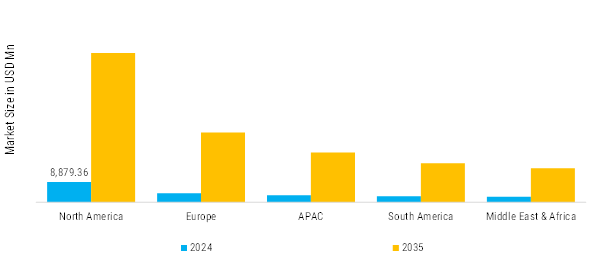
 Medical Tourism Market Regional Insights

Europe:

The Europe medical tourism market accounted for USD 7,733.00 million in 2024 and is projected to grow at a CAGR of 15.88% during the forecast period. Europe is further segmented into the Germany, France, UK, Russia, Italy, Spain, and Rest of the Europe.

Medical tourism has grown in prominence throughout Europe as patients seek more timely and cost-effective treatments in the midst of burdened home healthcare systems and long waiting lists. In the UK, post-COVID, the outflow began to accelerate. By 2022, around 350,000 UK residents traveled abroad for procedures (hip, knee replacements, cataracts, cardiology), up from around 248,000 in 2019, pushed mostly by overburdened NHS waiting times. Clinics in Lithuania, Poland, Croatia, and France are increasingly catering to these patients, providing faster access at reduced costs. A Highland patient's hip replacement in Poland, for instance, cost about half as much as private care in the UK.

The UK has seen an concerning surge in post-operative complications: NHS hospitals report that returning patients frequently have back superbug infections, leading to sepsis, chronic wounds, and, in some cases, death—complicating the NHS's ability to meet home care demand.  Furthermore, aggressive social media advertising, like as Instagram ads for Brazilian butt lifts in Turkey, has generated ethical concerns, particularly after claims that at least 25 UK citizens have died following such procedures since 2019.

Asia-Pacific:

Asia-Pacific is further segmented into China, India, Japan, South Korea, Australia, and Rest of Asia-Pacific. Asia-Pacific leads in the Medical Tourism Market Size, accounting for over 42.10% of the global revenue in 2024. The market has been strongly influenced by rising healthcare expenses in Western countries, the development of technologically advanced medical infrastructure throughout Asia, and increased consumer awareness of cross-border treatment choices.

Since 2019, Thailand, India, Malaysia, and South Korea have attracted millions of patients each year seeking high-quality, low-cost medical operations ranging from cardiac surgery and orthopedics to cosmetic enhancements and fertility treatments. Thailand's combination of refined wellness with therapeutic services has made it a top destination, particularly for cosmetic and gender-affirming procedures.

Malaysia, which had over 1.22 million medical tourists in 2019, has emerged as a destination for cardiology, fertility, cancer, and dental treatments, with specialized patient centers and regional offices.  Thailand, a long-standing leader in the region, continues to draw international patients for cosmetic, wellness, and regenerative therapies, supported by world-class facilities and tourism integration. 

India continues to draw a huge number of overseas patients from Africa, the Middle East, and South Asia due to its low cost, English-speaking doctors, and a reputation for expertise in cardiac treatment, oncology, and organ transplants. Despite disruptions during the pandemic, medical travel from nations including as Bangladesh, Iraq, Nigeria, and Kenya has steadily increased, according to India's Tourism Ministry.

Moreover, according to the Ministry of Tourism, India registered 1,31,856 foreign visitor arrivals (FTAs) for medical purposes between January and April 2025, accounting for around 4.1% of overall FTAs during that time. The data was provided by the Union Minister of Tourism and Culture. To make things easier for international patients, the Government of India has extended e-medical visa and e-medical attendant visa capabilities to people of 171 countries.

Furthermore, during the last five years, Bangladesh has emerged as the leading source country for medical tourists, with 4,82,336 arrivals expected in 2024, followed by Iraq (32,008), Somalia (11,717), Oman (10,431), and Uzbekistan (8,921). According to the Bureau of Immigration, the overall number of free trade agreements for medical purposes in 2024 was 6,44,387, up significantly from 1,82,945 in 2020.

Rest of the World: 

The rest of the world medical tourism market accounted for USD 11,922.29 million in 2024 and is projected to grow at a CAGR of 18.21% during the forecast period. Rest of the World is further segmented into Middle East, Africa and South America. Africa is  further segmented into Tunisia, Morocco, Kenya, Egypt, South Africa, and Rest of Africa.

The Rest of the World market has seen significant transformation, owing to a combination of strategic infrastructure investments, government initiatives, and growing patient flows. In the Middle East, the United Arab Emirates, particularly Dubai and Abu Dhabi, have established themselves as a leading worldwide healthcare destination.

In 2023, Dubai alone attracted roughly 691,000 medical tourists, who spent approximately AED 1 billion (nearly USD 280 million) on medical treatments. Its popularity arises from a seamless blend of high-end medical facilities, short treatment wait times, opulent recuperation alternatives, and integrated tourist, with platforms such as DXH offering one-stop access to consultations, accommodation, visas, and tourism packages. 

The country is also pushing beyond the boundaries of technological integration: hospitals are investigating metaverse-assisted facility tours, and telehealth services are becoming more firmly integrated in the patient experience. Meanwhile, Turkey continues to lead the low-cost cosmetic and dental surgery market. In 2019, Turkey treated approximately 264,000 medical tourists in the first half of the year, with forecasts aiming for a million by the end of the year.  By 2023, the number increased to 1.8 million visitors, creating around USD 3.1 billion in revenue. Turkey's medical tourism sector aims to reach USD 20 billion by 2028. 

However, these gains are surpassed by safety concerns. Since 2019, at least 28 British patients have died following elective treatments in Turkey, sparking increased scrutiny and calls for more international oversight.

In Africa, countries such as Tunisia and South Africa are carving out a niche by combining economical, high-quality care with cultural and recreational activities. Tunisia receives approximately 500,000 foreign hospital patients each year, as well as two million same-day medical visitors, and offers services in fertility, cosmetic surgery, and unique treatments such as thalassotherapy employing Mediterranean minerals. South Africa, long a leader in the region, continues to draw patients for complicated treatments such as open-heart surgery and cosmetic improvements, often at a fraction of Western pricing, usually centered around centers like Cape Town. 

Key Players and Competitive Insights

The Medical Tourism Market is distinguished by the presence of numerous regional and local players catering to the market. Furthermore, the rising awareness about medical tourism among patients and low cost of medical treatment in developing countries, are driving the market.
 
The Medical Tourism Market is extremely competitive, with players competing and investing heavily in the development of innovative products to gain a significant market share. The market is highly fragmented with high competition in the market, increasing collaborative partnerships, and other strategic decisions to achieve operational efficiency.
 
The growth of prominent industry players is dependent on various factors, such as market conditions, service differentiation and innovation, and pricing strategies. It is also projected that the expansion of telemedicine and virtual consultations, and cross-border collaborations and hospital partnerships will boost the market's growth in the upcoming future. 

Key Companies in the Medical Tourism Market include

Industry Developments

Bumrungrad International Hospital achieved its second GHA accreditation, earning a perfect score (100%) and being recognized in the category of “Excellence.” It was the first hospital outside the United States to receive this recognition, highlighting its global leadership in medical tourism. The accreditation process evaluated the full patient journey—from pre-treatment to post-treatment—covering patient rights, communication, quality of care, and international safety standards. This milestone reinforces Bumrungrad’s reputation for delivering safe, efficacious, and internationally benchmarked care for medical tourists worldwide.

Future Outlook

Medical Tourism Market Future Outlook

The Medical Tourism Market size is projected to reach USD 292,866.10 Billion by 2035, growing at a CAGR of 18.02%, driven by rising healthcare costs and advancements in medical technology.

New opportunities lie in:

  • <p>Development of telemedicine platforms for pre- and post-operative care. Partnerships with local healthcare providers to enhance service offerings. Investment in wellness tourism packages to attract diverse patient demographics.</p>

By 2035, the Medical Tourism Market is expected to be robust, reflecting substantial growth and diversification.

Market Segmentation

Medical Tourism Market by Region

  • North America
  • Europe
  • Asia Pacific
  • Rest of the World

Medical Tourism Market by Treatment type

  • Orthopaedic
  • Ophthalmology
  • Oncology
  • Cosmetic Surgery
  • Cardiovascular
  • Dentistry
  • Neurology
  • Fertility
  • Others

Medical Tourism Market by Service Provider

  • Public
  • Private

Report Scope

Market Size 2024 49,279.57 (USD Million)
Market Size 2025 55,883.04 (USD Million)
Market Size 2035   2,92,866.10 (USD Million)
Compound Annual Growth Rate (CAGR) 18.02 % (2025 - 2035)
Report Coverage Revenue Forecast, Competitive Landscape, Growth Factors, and Trends
Base Year 2024
Market Forecast Period 2025 - 2035
Historical Data 2019 - 2023
Market Forecast Units USD Million
Key Companies Profiled Apollo Hospitals Enterprise Ltd, Bumrungrad International Hospital, Bangkok Hospital, Raffles Medical Group, Asklepios Kliniken GmbH & Co. KGaA, Mount Elizabeth Hospitals, Medanta – The Medicity, Manipal Health Enterprises Pvt. Ltd., Fortis Healthcare Ltd, Samitivej Hospital And Others
Segments Covered by Treatment type, by Service Provider, by Region 
Key Market Opportunities Expansion of Telemedicine and Virtual Consultations  Cross-Border Collaborations and Hospital Partnerships   
Key Market Dynamics Rising awareness about medical tourism among patients     Low cost of medical treatment in developing countries
Countries Covered U.S., Canada, Germany, France, UK, Italy, Spain, Rest of Europe, China, India, Japan, Rest of Asia-Pacific, GCC Countries, South Africa, Rest of Middle East and Africa.

FAQs

What is the current valuation of the medical tourism market in 2025?

<p>The medical tourism market is valued at 45.0 USD Billion in 2024, and it is expected to grow significantly in the coming years.</p>

What is the projected market size for medical tourism by 2035?

<p>The market is projected to reach 100.0 USD Billion by 2035, indicating robust growth potential.</p>

What is the expected CAGR for the medical tourism market during the forecast period?

<p>The expected CAGR for the medical tourism market from 2025 to 2035 is 7.53%, suggesting a steady increase in demand.</p>

Which segments are driving the medical tourism market?

<p>Key segments include Medical Treatment, Wellness and Preventive Care, and Cosmetic Surgery, with valuations ranging from 8.0 to 35.0 USD Billion.</p>

Who are the key players in the medical tourism market?

<p>Prominent players include Bumrungrad International Hospital, Apollo Hospitals, and Cleveland Clinic, among others.</p>

What payment methods are commonly used in medical tourism?

<p>Payment methods include Out-of-Pocket expenses, Insurance Coverage, and Medical Financing, with valuations from 5.0 to 35.0 USD Billion.</p>

How does patient demographics influence the medical tourism market?

<p>Patient demographics, such as Age Group and Health Condition, are crucial, with market valuations between 7.0 and 25.0 USD Billion.</p>

What types of treatments are most sought after in medical tourism?

<p>Surgical Procedures and Non-Surgical Procedures dominate the market, with valuations from 10.0 to 35.0 USD Billion.</p>

What role do service providers play in the medical tourism market?

<p>Service providers, including Hospitals and Clinics, are vital, with market valuations ranging from 4.0 to 40.0 USD Billion.</p>

How does the medical tourism market compare across different regions?

<p>While specific regional data is not provided, the overall growth trajectory suggests varying demand across different geographical areas.</p>

  1. SECTION I: EXECUTIVE SUMMARY AND KEY HIGHLIGHTS |
    1. EXECUTIVE SUMMARY | |
      1. Market Overview | |
      2. Key Findings | |
      3. Market Segmentation | |
      4. Competitive Landscape | |
      5. Challenges and Opportunities | |
      6. Future Outlook 2
  2. SECTION II: SCOPING, METHODOLOGY AND MARKET STRUCTURE |
    1. MARKET INTRODUCTION | |
      1. Definition | |
      2. Scope of the study | | |
    2. RESEARCH METHODOLOGY | |
      1. Overview | |
      2. Data Mining | |
      3. Secondary Research | |
      4. Primary Research | | |
      5. Forecasting Model | |
      6. Market Size Estimation | | |
      7. Data Triangulation | |
      8. Validation 3
  3. SECTION III: QUALITATIVE ANALYSIS |
    1. MARKET DYNAMICS | |
      1. Overview | |
      2. Drivers | |
      3. Restraints | |
      4. Opportunities |
    2. MARKET FACTOR ANALYSIS | |
      1. Value chain Analysis | |
      2. Porter's Five Forces Analysis | | |
      3. COVID-19 Impact Analysis | | |
  4. SECTION IV: QUANTITATIVE ANALYSIS |
    1. Healthcare, BY Purpose of Travel (USD Billion) | |
      1. Medical Treatment | |
      2. Wellness and Preventive Care | |
      3. Cosmetic Surgery | |
      4. Dental Care | |
      5. Reproductive Health |
    2. Healthcare, BY Type of Treatment (USD Billion) | |
      1. Surgical Procedures | |
      2. Non-Surgical Procedures | |
      3. Rehabilitation Services | |
      4. Diagnostic Services | |
      5. Alternative Medicine |
    3. Healthcare, BY Patient Demographics (USD Billion) | |
      1. Age Group | |
      2. Income Level | |
      3. Gender | |
      4. Health Condition | |
      5. Travel Frequency |
    4. Healthcare, BY Payment Method (USD Billion) | |
      1. Out-of-Pocket | |
      2. Insurance Coverage | |
      3. Medical Financing | |
      4. Government Assistance | |
      5. Employer-Sponsored Programs |
    5. Healthcare, BY Service Providers (USD Billion) | |
      1. Hospitals | |
      2. Clinics | |
      3. Wellness Centers | |
      4. Rehabilitation Facilities | |
      5. Travel Agencies |
    6. Healthcare, BY Region (USD Billion) | |
      1. North America | | |
      2. Europe | | |
      3. APAC | | |
      4. South America | | |
      5. MEA | | |
  5. SECTION V: COMPETITIVE ANALYSIS |
    1. Competitive Landscape | |
      1. Overview | |
      2. Competitive Analysis | |
      3. Market share Analysis | |
      4. Major Growth Strategy in the Healthcare | |
      5. Competitive Benchmarking | |
      6. Leading Players in Terms of Number of Developments in the Healthcare | |
      7. Key developments and growth strategies | | |
      8. Major Players Financial Matrix | | |
    2. Company Profiles | |
      1. Bumrungrad International Hospital (TH) | | |
      2. Apollo Hospitals (IN) | | |
      3. Fortis Healthcare (IN) | | |
      4. KPJ Healthcare Berhad (MY) | | |
      5. NMC Health (AE) | | |
      6. Bangkok Hospital (TH) | | |
      7. Cleveland Clinic (US) | | |
      8. MediGence (IN) | | |
      9. Healthbase (US) | | |
    3. Appendix | |
      1. References | |
      2. Related Reports 6 LIST OF FIGURES |
    4. MARKET SYNOPSIS |
    5. NORTH AMERICA MARKET ANALYSIS |
    6. US MARKET ANALYSIS BY PURPOSE OF TRAVEL |
    7. US MARKET ANALYSIS BY TYPE OF TREATMENT |
    8. US MARKET ANALYSIS BY PATIENT DEMOGRAPHICS |
    9. US MARKET ANALYSIS BY PAYMENT METHOD |
    10. US MARKET ANALYSIS BY SERVICE PROVIDERS |
    11. CANADA MARKET ANALYSIS BY PURPOSE OF TRAVEL |
    12. CANADA MARKET ANALYSIS BY TYPE OF TREATMENT |
    13. CANADA MARKET ANALYSIS BY PATIENT DEMOGRAPHICS |
    14. CANADA MARKET ANALYSIS BY PAYMENT METHOD |
    15. CANADA MARKET ANALYSIS BY SERVICE PROVIDERS |
    16. EUROPE MARKET ANALYSIS |
    17. GERMANY MARKET ANALYSIS BY PURPOSE OF TRAVEL |
    18. GERMANY MARKET ANALYSIS BY TYPE OF TREATMENT |
    19. GERMANY MARKET ANALYSIS BY PATIENT DEMOGRAPHICS |
    20. GERMANY MARKET ANALYSIS BY PAYMENT METHOD |
    21. GERMANY MARKET ANALYSIS BY SERVICE PROVIDERS |
    22. UK MARKET ANALYSIS BY PURPOSE OF TRAVEL |
    23. UK MARKET ANALYSIS BY TYPE OF TREATMENT |
    24. UK MARKET ANALYSIS BY PATIENT DEMOGRAPHICS |
    25. UK MARKET ANALYSIS BY PAYMENT METHOD |
    26. UK MARKET ANALYSIS BY SERVICE PROVIDERS |
    27. FRANCE MARKET ANALYSIS BY PURPOSE OF TRAVEL |
    28. FRANCE MARKET ANALYSIS BY TYPE OF TREATMENT |
    29. FRANCE MARKET ANALYSIS BY PATIENT DEMOGRAPHICS |
    30. FRANCE MARKET ANALYSIS BY PAYMENT METHOD |
    31. FRANCE MARKET ANALYSIS BY SERVICE PROVIDERS |
    32. RUSSIA MARKET ANALYSIS BY PURPOSE OF TRAVEL |
    33. RUSSIA MARKET ANALYSIS BY TYPE OF TREATMENT |
    34. RUSSIA MARKET ANALYSIS BY PATIENT DEMOGRAPHICS |
    35. RUSSIA MARKET ANALYSIS BY PAYMENT METHOD |
    36. RUSSIA MARKET ANALYSIS BY SERVICE PROVIDERS |
    37. ITALY MARKET ANALYSIS BY PURPOSE OF TRAVEL |
    38. ITALY MARKET ANALYSIS BY TYPE OF TREATMENT |
    39. ITALY MARKET ANALYSIS BY PATIENT DEMOGRAPHICS |
    40. ITALY MARKET ANALYSIS BY PAYMENT METHOD |
    41. ITALY MARKET ANALYSIS BY SERVICE PROVIDERS |
    42. SPAIN MARKET ANALYSIS BY PURPOSE OF TRAVEL |
    43. SPAIN MARKET ANALYSIS BY TYPE OF TREATMENT |
    44. SPAIN MARKET ANALYSIS BY PATIENT DEMOGRAPHICS |
    45. SPAIN MARKET ANALYSIS BY PAYMENT METHOD |
    46. SPAIN MARKET ANALYSIS BY SERVICE PROVIDERS |
    47. REST OF EUROPE MARKET ANALYSIS BY PURPOSE OF TRAVEL |
    48. REST OF EUROPE MARKET ANALYSIS BY TYPE OF TREATMENT |
    49. REST OF EUROPE MARKET ANALYSIS BY PATIENT DEMOGRAPHICS |
    50. REST OF EUROPE MARKET ANALYSIS BY PAYMENT METHOD |
    51. REST OF EUROPE MARKET ANALYSIS BY SERVICE PROVIDERS |
    52. APAC MARKET ANALYSIS |
    53. CHINA MARKET ANALYSIS BY PURPOSE OF TRAVEL |
    54. CHINA MARKET ANALYSIS BY TYPE OF TREATMENT |
    55. CHINA MARKET ANALYSIS BY PATIENT DEMOGRAPHICS |
    56. CHINA MARKET ANALYSIS BY PAYMENT METHOD |
    57. CHINA MARKET ANALYSIS BY SERVICE PROVIDERS |
    58. INDIA MARKET ANALYSIS BY PURPOSE OF TRAVEL |
    59. INDIA MARKET ANALYSIS BY TYPE OF TREATMENT |
    60. INDIA MARKET ANALYSIS BY PATIENT DEMOGRAPHICS |
    61. INDIA MARKET ANALYSIS BY PAYMENT METHOD |
    62. INDIA MARKET ANALYSIS BY SERVICE PROVIDERS |
    63. JAPAN MARKET ANALYSIS BY PURPOSE OF TRAVEL |
    64. JAPAN MARKET ANALYSIS BY TYPE OF TREATMENT |
    65. JAPAN MARKET ANALYSIS BY PATIENT DEMOGRAPHICS |
    66. JAPAN MARKET ANALYSIS BY PAYMENT METHOD |
    67. JAPAN MARKET ANALYSIS BY SERVICE PROVIDERS |
    68. SOUTH KOREA MARKET ANALYSIS BY PURPOSE OF TRAVEL |
    69. SOUTH KOREA MARKET ANALYSIS BY TYPE OF TREATMENT |
    70. SOUTH KOREA MARKET ANALYSIS BY PATIENT DEMOGRAPHICS |
    71. SOUTH KOREA MARKET ANALYSIS BY PAYMENT METHOD |
    72. SOUTH KOREA MARKET ANALYSIS BY SERVICE PROVIDERS |
    73. MALAYSIA MARKET ANALYSIS BY PURPOSE OF TRAVEL |
    74. MALAYSIA MARKET ANALYSIS BY TYPE OF TREATMENT |
    75. MALAYSIA MARKET ANALYSIS BY PATIENT DEMOGRAPHICS |
    76. MALAYSIA MARKET ANALYSIS BY PAYMENT METHOD |
    77. MALAYSIA MARKET ANALYSIS BY SERVICE PROVIDERS |
    78. THAILAND MARKET ANALYSIS BY PURPOSE OF TRAVEL |
    79. THAILAND MARKET ANALYSIS BY TYPE OF TREATMENT |
    80. THAILAND MARKET ANALYSIS BY PATIENT DEMOGRAPHICS |
    81. THAILAND MARKET ANALYSIS BY PAYMENT METHOD |
    82. THAILAND MARKET ANALYSIS BY SERVICE PROVIDERS |
    83. INDONESIA MARKET ANALYSIS BY PURPOSE OF TRAVEL |
    84. INDONESIA MARKET ANALYSIS BY TYPE OF TREATMENT |
    85. INDONESIA MARKET ANALYSIS BY PATIENT DEMOGRAPHICS |
    86. INDONESIA MARKET ANALYSIS BY PAYMENT METHOD |
    87. INDONESIA MARKET ANALYSIS BY SERVICE PROVIDERS |
    88. REST OF APAC MARKET ANALYSIS BY PURPOSE OF TRAVEL |
    89. REST OF APAC MARKET ANALYSIS BY TYPE OF TREATMENT |
    90. REST OF APAC MARKET ANALYSIS BY PATIENT DEMOGRAPHICS |
    91. REST OF APAC MARKET ANALYSIS BY PAYMENT METHOD |
    92. REST OF APAC MARKET ANALYSIS BY SERVICE PROVIDERS |
    93. SOUTH AMERICA MARKET ANALYSIS |
    94. BRAZIL MARKET ANALYSIS BY PURPOSE OF TRAVEL |
    95. BRAZIL MARKET ANALYSIS BY TYPE OF TREATMENT |
    96. BRAZIL MARKET ANALYSIS BY PATIENT DEMOGRAPHICS |
    97. BRAZIL MARKET ANALYSIS BY PAYMENT METHOD |
    98. BRAZIL MARKET ANALYSIS BY SERVICE PROVIDERS |
    99. MEXICO MARKET ANALYSIS BY PURPOSE OF TRAVEL |
    100. MEXICO MARKET ANALYSIS BY TYPE OF TREATMENT |
    101. MEXICO MARKET ANALYSIS BY PATIENT DEMOGRAPHICS |
    102. MEXICO MARKET ANALYSIS BY PAYMENT METHOD |
    103. MEXICO MARKET ANALYSIS BY SERVICE PROVIDERS |
    104. ARGENTINA MARKET ANALYSIS BY PURPOSE OF TRAVEL |
    105. ARGENTINA MARKET ANALYSIS BY TYPE OF TREATMENT |
    106. ARGENTINA MARKET ANALYSIS BY PATIENT DEMOGRAPHICS |
    107. ARGENTINA MARKET ANALYSIS BY PAYMENT METHOD |
    108. ARGENTINA MARKET ANALYSIS BY SERVICE PROVIDERS |
    109. REST OF SOUTH AMERICA MARKET ANALYSIS BY PURPOSE OF TRAVEL |
    110. REST OF SOUTH AMERICA MARKET ANALYSIS BY TYPE OF TREATMENT |
    111. REST OF SOUTH AMERICA MARKET ANALYSIS BY PATIENT DEMOGRAPHICS |
    112. REST OF SOUTH AMERICA MARKET ANALYSIS BY PAYMENT METHOD |
    113. REST OF SOUTH AMERICA MARKET ANALYSIS BY SERVICE PROVIDERS |
    114. MEA MARKET ANALYSIS |
    115. GCC COUNTRIES MARKET ANALYSIS BY PURPOSE OF TRAVEL |
    116. GCC COUNTRIES MARKET ANALYSIS BY TYPE OF TREATMENT |
    117. GCC COUNTRIES MARKET ANALYSIS BY PATIENT DEMOGRAPHICS |
    118. GCC COUNTRIES MARKET ANALYSIS BY PAYMENT METHOD |
    119. GCC COUNTRIES MARKET ANALYSIS BY SERVICE PROVIDERS |
    120. SOUTH AFRICA MARKET ANALYSIS BY PURPOSE OF TRAVEL |
    121. SOUTH AFRICA MARKET ANALYSIS BY TYPE OF TREATMENT |
    122. SOUTH AFRICA MARKET ANALYSIS BY PATIENT DEMOGRAPHICS |
    123. SOUTH AFRICA MARKET ANALYSIS BY PAYMENT METHOD |
    124. SOUTH AFRICA MARKET ANALYSIS BY SERVICE PROVIDERS |
    125. REST OF MEA MARKET ANALYSIS BY PURPOSE OF TRAVEL |
    126. REST OF MEA MARKET ANALYSIS BY TYPE OF TREATMENT |
    127. REST OF MEA MARKET ANALYSIS BY PATIENT DEMOGRAPHICS |
    128. REST OF MEA MARKET ANALYSIS BY PAYMENT METHOD |
    129. REST OF MEA MARKET ANALYSIS BY SERVICE PROVIDERS |
    130. KEY BUYING CRITERIA OF HEALTHCARE |
    131. RESEARCH PROCESS OF MRFR |
    132. DRO ANALYSIS OF HEALTHCARE |
    133. DRIVERS IMPACT ANALYSIS: HEALTHCARE |
    134. RESTRAINTS IMPACT ANALYSIS: HEALTHCARE |
    135. SUPPLY / VALUE CHAIN: HEALTHCARE |
    136. HEALTHCARE, BY PURPOSE OF TRAVEL, 2024 (% SHARE) |
    137. HEALTHCARE, BY PURPOSE OF TRAVEL, 2024 TO 2035 (USD Billion) |
    138. HEALTHCARE, BY TYPE OF TREATMENT, 2024 (% SHARE) |
    139. HEALTHCARE, BY TYPE OF TREATMENT, 2024 TO 2035 (USD Billion) |
    140. HEALTHCARE, BY PATIENT DEMOGRAPHICS, 2024 (% SHARE) |
    141. HEALTHCARE, BY PATIENT DEMOGRAPHICS, 2024 TO 2035 (USD Billion) |
    142. HEALTHCARE, BY PAYMENT METHOD, 2024 (% SHARE) |
    143. HEALTHCARE, BY PAYMENT METHOD, 2024 TO 2035 (USD Billion) |
    144. HEALTHCARE, BY SERVICE PROVIDERS, 2024 (% SHARE) |
    145. HEALTHCARE, BY SERVICE PROVIDERS, 2024 TO 2035 (USD Billion) |
    146. BENCHMARKING OF MAJOR COMPETITORS 7 LIST OF TABLES |
    147. LIST OF ASSUMPTIONS | |
      1. |
    148. North America MARKET SIZE ESTIMATES; FORECAST | |
      1. BY PURPOSE OF TRAVEL, 2025-2035 (USD Billion) | |
      2. BY TYPE OF TREATMENT, 2025-2035 (USD Billion) | |
      3. BY PATIENT DEMOGRAPHICS, 2025-2035 (USD Billion) | |
      4. BY PAYMENT METHOD, 2025-2035 (USD Billion) | |
      5. BY SERVICE PROVIDERS, 2025-2035 (USD Billion) |
    149. US MARKET SIZE ESTIMATES; FORECAST | |
      1. BY PURPOSE OF TRAVEL, 2025-2035 (USD Billion) | |
      2. BY TYPE OF TREATMENT, 2025-2035 (USD Billion) | |
      3. BY PATIENT DEMOGRAPHICS, 2025-2035 (USD Billion) | |
      4. BY PAYMENT METHOD, 2025-2035 (USD Billion) | |
      5. BY SERVICE PROVIDERS, 2025-2035 (USD Billion) |
    150. Canada MARKET SIZE ESTIMATES; FORECAST | |
      1. BY PURPOSE OF TRAVEL, 2025-2035 (USD Billion) | |
      2. BY TYPE OF TREATMENT, 2025-2035 (USD Billion) | |
      3. BY PATIENT DEMOGRAPHICS, 2025-2035 (USD Billion) | |
      4. BY PAYMENT METHOD, 2025-2035 (USD Billion) | |
      5. BY SERVICE PROVIDERS, 2025-2035 (USD Billion) |
    151. Europe MARKET SIZE ESTIMATES; FORECAST | |
      1. BY PURPOSE OF TRAVEL, 2025-2035 (USD Billion) | |
      2. BY TYPE OF TREATMENT, 2025-2035 (USD Billion) | |
      3. BY PATIENT DEMOGRAPHICS, 2025-2035 (USD Billion) | |
      4. BY PAYMENT METHOD, 2025-2035 (USD Billion) | |
      5. BY SERVICE PROVIDERS, 2025-2035 (USD Billion) |
    152. Germany MARKET SIZE ESTIMATES; FORECAST | |
      1. BY PURPOSE OF TRAVEL, 2025-2035 (USD Billion) | |
      2. BY TYPE OF TREATMENT, 2025-2035 (USD Billion) | |
      3. BY PATIENT DEMOGRAPHICS, 2025-2035 (USD Billion) | |
      4. BY PAYMENT METHOD, 2025-2035 (USD Billion) | |
      5. BY SERVICE PROVIDERS, 2025-2035 (USD Billion) |
    153. UK MARKET SIZE ESTIMATES; FORECAST | |
      1. BY PURPOSE OF TRAVEL, 2025-2035 (USD Billion) | |
      2. BY TYPE OF TREATMENT, 2025-2035 (USD Billion) | |
      3. BY PATIENT DEMOGRAPHICS, 2025-2035 (USD Billion) | |
      4. BY PAYMENT METHOD, 2025-2035 (USD Billion) | |
      5. BY SERVICE PROVIDERS, 2025-2035 (USD Billion) |
    154. France MARKET SIZE ESTIMATES; FORECAST | |
      1. BY PURPOSE OF TRAVEL, 2025-2035 (USD Billion) | |
      2. BY TYPE OF TREATMENT, 2025-2035 (USD Billion) | |
      3. BY PATIENT DEMOGRAPHICS, 2025-2035 (USD Billion) | |
      4. BY PAYMENT METHOD, 2025-2035 (USD Billion) | |
      5. BY SERVICE PROVIDERS, 2025-2035 (USD Billion) |
    155. Russia MARKET SIZE ESTIMATES; FORECAST | |
      1. BY PURPOSE OF TRAVEL, 2025-2035 (USD Billion) | |
      2. BY TYPE OF TREATMENT, 2025-2035 (USD Billion) | |
      3. BY PATIENT DEMOGRAPHICS, 2025-2035 (USD Billion) | |
      4. BY PAYMENT METHOD, 2025-2035 (USD Billion) | |
      5. BY SERVICE PROVIDERS, 2025-2035 (USD Billion) |
    156. Italy MARKET SIZE ESTIMATES; FORECAST | |
      1. BY PURPOSE OF TRAVEL, 2025-2035 (USD Billion) | |
      2. BY TYPE OF TREATMENT, 2025-2035 (USD Billion) | |
      3. BY PATIENT DEMOGRAPHICS, 2025-2035 (USD Billion) | |
      4. BY PAYMENT METHOD, 2025-2035 (USD Billion) | |
      5. BY SERVICE PROVIDERS, 2025-2035 (USD Billion) |
    157. Spain MARKET SIZE ESTIMATES; FORECAST | |
      1. BY PURPOSE OF TRAVEL, 2025-2035 (USD Billion) | |
      2. BY TYPE OF TREATMENT, 2025-2035 (USD Billion) | |
      3. BY PATIENT DEMOGRAPHICS, 2025-2035 (USD Billion) | |
      4. BY PAYMENT METHOD, 2025-2035 (USD Billion) | |
      5. BY SERVICE PROVIDERS, 2025-2035 (USD Billion) |
    158. Rest of Europe MARKET SIZE ESTIMATES; FORECAST | |
      1. BY PURPOSE OF TRAVEL, 2025-2035 (USD Billion) | |
      2. BY TYPE OF TREATMENT, 2025-2035 (USD Billion) | |
      3. BY PATIENT DEMOGRAPHICS, 2025-2035 (USD Billion) | |
      4. BY PAYMENT METHOD, 2025-2035 (USD Billion) | |
      5. BY SERVICE PROVIDERS, 2025-2035 (USD Billion) |
    159. APAC MARKET SIZE ESTIMATES; FORECAST | |
      1. BY PURPOSE OF TRAVEL, 2025-2035 (USD Billion) | |
      2. BY TYPE OF TREATMENT, 2025-2035 (USD Billion) | |
      3. BY PATIENT DEMOGRAPHICS, 2025-2035 (USD Billion) | |
      4. BY PAYMENT METHOD, 2025-2035 (USD Billion) | |
      5. BY SERVICE PROVIDERS, 2025-2035 (USD Billion) |
    160. China MARKET SIZE ESTIMATES; FORECAST | |
      1. BY PURPOSE OF TRAVEL, 2025-2035 (USD Billion) | |
      2. BY TYPE OF TREATMENT, 2025-2035 (USD Billion) | |
      3. BY PATIENT DEMOGRAPHICS, 2025-2035 (USD Billion) | |
      4. BY PAYMENT METHOD, 2025-2035 (USD Billion) | |
      5. BY SERVICE PROVIDERS, 2025-2035 (USD Billion) |
    161. India MARKET SIZE ESTIMATES; FORECAST | |
      1. BY PURPOSE OF TRAVEL, 2025-2035 (USD Billion) | |
      2. BY TYPE OF TREATMENT, 2025-2035 (USD Billion) | |
      3. BY PATIENT DEMOGRAPHICS, 2025-2035 (USD Billion) | |
      4. BY PAYMENT METHOD, 2025-2035 (USD Billion) | |
      5. BY SERVICE PROVIDERS, 2025-2035 (USD Billion) |
    162. Japan MARKET SIZE ESTIMATES; FORECAST | |
      1. BY PURPOSE OF TRAVEL, 2025-2035 (USD Billion) | |
      2. BY TYPE OF TREATMENT, 2025-2035 (USD Billion) | |
      3. BY PATIENT DEMOGRAPHICS, 2025-2035 (USD Billion) | |
      4. BY PAYMENT METHOD, 2025-2035 (USD Billion) | |
      5. BY SERVICE PROVIDERS, 2025-2035 (USD Billion) |
    163. South Korea MARKET SIZE ESTIMATES; FORECAST | |
      1. BY PURPOSE OF TRAVEL, 2025-2035 (USD Billion) | |
      2. BY TYPE OF TREATMENT, 2025-2035 (USD Billion) | |
      3. BY PATIENT DEMOGRAPHICS, 2025-2035 (USD Billion) | |
      4. BY PAYMENT METHOD, 2025-2035 (USD Billion) | |
      5. BY SERVICE PROVIDERS, 2025-2035 (USD Billion) |
    164. Malaysia MARKET SIZE ESTIMATES; FORECAST | |
      1. BY PURPOSE OF TRAVEL, 2025-2035 (USD Billion) | |
      2. BY TYPE OF TREATMENT, 2025-2035 (USD Billion) | |
      3. BY PATIENT DEMOGRAPHICS, 2025-2035 (USD Billion) | |
      4. BY PAYMENT METHOD, 2025-2035 (USD Billion) | |
      5. BY SERVICE PROVIDERS, 2025-2035 (USD Billion) |
    165. Thailand MARKET SIZE ESTIMATES; FORECAST | |
      1. BY PURPOSE OF TRAVEL, 2025-2035 (USD Billion) | |
      2. BY TYPE OF TREATMENT, 2025-2035 (USD Billion) | |
      3. BY PATIENT DEMOGRAPHICS, 2025-2035 (USD Billion) | |
      4. BY PAYMENT METHOD, 2025-2035 (USD Billion) | |
      5. BY SERVICE PROVIDERS, 2025-2035 (USD Billion) |
    166. Indonesia MARKET SIZE ESTIMATES; FORECAST | |
      1. BY PURPOSE OF TRAVEL, 2025-2035 (USD Billion) | |
      2. BY TYPE OF TREATMENT, 2025-2035 (USD Billion) | |
      3. BY PATIENT DEMOGRAPHICS, 2025-2035 (USD Billion) | |
      4. BY PAYMENT METHOD, 2025-2035 (USD Billion) | |
      5. BY SERVICE PROVIDERS, 2025-2035 (USD Billion) |
    167. Rest of APAC MARKET SIZE ESTIMATES; FORECAST | |
      1. BY PURPOSE OF TRAVEL, 2025-2035 (USD Billion) | |
      2. BY TYPE OF TREATMENT, 2025-2035 (USD Billion) | |
      3. BY PATIENT DEMOGRAPHICS, 2025-2035 (USD Billion) | |
      4. BY PAYMENT METHOD, 2025-2035 (USD Billion) | |
      5. BY SERVICE PROVIDERS, 2025-2035 (USD Billion) |
    168. South America MARKET SIZE ESTIMATES; FORECAST | |
      1. BY PURPOSE OF TRAVEL, 2025-2035 (USD Billion) | |
      2. BY TYPE OF TREATMENT, 2025-2035 (USD Billion) | |
      3. BY PATIENT DEMOGRAPHICS, 2025-2035 (USD Billion) | |
      4. BY PAYMENT METHOD, 2025-2035 (USD Billion) | |
      5. BY SERVICE PROVIDERS, 2025-2035 (USD Billion) |
    169. Brazil MARKET SIZE ESTIMATES; FORECAST | |
      1. BY PURPOSE OF TRAVEL, 2025-2035 (USD Billion) | |
      2. BY TYPE OF TREATMENT, 2025-2035 (USD Billion) | |
      3. BY PATIENT DEMOGRAPHICS, 2025-2035 (USD Billion) | |
      4. BY PAYMENT METHOD, 2025-2035 (USD Billion) | |
      5. BY SERVICE PROVIDERS, 2025-2035 (USD Billion) |
    170. Mexico MARKET SIZE ESTIMATES; FORECAST | |
      1. BY PURPOSE OF TRAVEL, 2025-2035 (USD Billion) | |
      2. BY TYPE OF TREATMENT, 2025-2035 (USD Billion) | |
      3. BY PATIENT DEMOGRAPHICS, 2025-2035 (USD Billion) | |
      4. BY PAYMENT METHOD, 2025-2035 (USD Billion) | |
      5. BY SERVICE PROVIDERS, 2025-2035 (USD Billion) |
    171. Argentina MARKET SIZE ESTIMATES; FORECAST | |
      1. BY PURPOSE OF TRAVEL, 2025-2035 (USD Billion) | |
      2. BY TYPE OF TREATMENT, 2025-2035 (USD Billion) | |
      3. BY PATIENT DEMOGRAPHICS, 2025-2035 (USD Billion) | |
      4. BY PAYMENT METHOD, 2025-2035 (USD Billion) | |
      5. BY SERVICE PROVIDERS, 2025-2035 (USD Billion) |
    172. Rest of South America MARKET SIZE ESTIMATES; FORECAST | |
      1. BY PURPOSE OF TRAVEL, 2025-2035 (USD Billion) | |
      2. BY TYPE OF TREATMENT, 2025-2035 (USD Billion) | |
      3. BY PATIENT DEMOGRAPHICS, 2025-2035 (USD Billion) | |
      4. BY PAYMENT METHOD, 2025-2035 (USD Billion) | |
      5. BY SERVICE PROVIDERS, 2025-2035 (USD Billion) |
    173. MEA MARKET SIZE ESTIMATES; FORECAST | |
      1. BY PURPOSE OF TRAVEL, 2025-2035 (USD Billion) | |
      2. BY TYPE OF TREATMENT, 2025-2035 (USD Billion) | |
      3. BY PATIENT DEMOGRAPHICS, 2025-2035 (USD Billion) | |
      4. BY PAYMENT METHOD, 2025-2035 (USD Billion) | |
      5. BY SERVICE PROVIDERS, 2025-2035 (USD Billion) |
    174. GCC Countries MARKET SIZE ESTIMATES; FORECAST | |
      1. BY PURPOSE OF TRAVEL, 2025-2035 (USD Billion) | |
      2. BY TYPE OF TREATMENT, 2025-2035 (USD Billion) | |
      3. BY PATIENT DEMOGRAPHICS, 2025-2035 (USD Billion) | |
      4. BY PAYMENT METHOD, 2025-2035 (USD Billion) | |
      5. BY SERVICE PROVIDERS, 2025-2035 (USD Billion) |
    175. South Africa MARKET SIZE ESTIMATES; FORECAST | |
      1. BY PURPOSE OF TRAVEL, 2025-2035 (USD Billion) | |
      2. BY TYPE OF TREATMENT, 2025-2035 (USD Billion) | |
      3. BY PATIENT DEMOGRAPHICS, 2025-2035 (USD Billion) | |
      4. BY PAYMENT METHOD, 2025-2035 (USD Billion) | |
      5. BY SERVICE PROVIDERS, 2025-2035 (USD Billion) |
    176. Rest of MEA MARKET SIZE ESTIMATES; FORECAST | |
      1. BY PURPOSE OF TRAVEL, 2025-2035 (USD Billion) | |
      2. BY TYPE OF TREATMENT, 2025-2035 (USD Billion) | |
      3. BY PATIENT DEMOGRAPHICS, 2025-2035 (USD Billion) | |
      4. BY PAYMENT METHOD, 2025-2035 (USD Billion) | |
      5. BY SERVICE PROVIDERS, 2025-2035 (USD Billion) |
    177. PRODUCT LAUNCH/PRODUCT DEVELOPMENT/APPROVAL | |
      1. |
    178. ACQUISITION/PARTNERSHIP | |

Healthcare Market Segmentation

Healthcare By Purpose of Travel (USD Billion, 2025-2035)

  • Medical Treatment
  • Wellness and Preventive Care
  • Cosmetic Surgery
  • Dental Care
  • Reproductive Health

Healthcare By Type of Treatment (USD Billion, 2025-2035)

  • Surgical Procedures
  • Non-Surgical Procedures
  • Rehabilitation Services
  • Diagnostic Services
  • Alternative Medicine

Healthcare By Patient Demographics (USD Billion, 2025-2035)

  • Age Group
  • Income Level
  • Gender
  • Health Condition
  • Travel Frequency

Healthcare By Payment Method (USD Billion, 2025-2035)

  • Out-of-Pocket
  • Insurance Coverage
  • Medical Financing
  • Government Assistance
  • Employer-Sponsored Programs

Healthcare By Service Providers (USD Billion, 2025-2035)

  • Hospitals
  • Clinics
  • Wellness Centers
  • Rehabilitation Facilities
  • Travel Agencies
Infographic

Free Sample Request

Kindly complete the form below to receive a free sample of this Report

Get Free Sample

Customer Strories

Compare Licence

×
Features License Type
Single User Multiuser License Enterprise User
Price $4,950 $5,950 $7,250
Maximum User Access Limit 1 User Upto 10 Users Unrestricted Access Throughout the Organization
Free Customization
Direct Access to Analyst
Deliverable Format
Platform Access
Discount on Next Purchase 10% 15% 15%
Printable Versions