Rising Incidence of Glioma
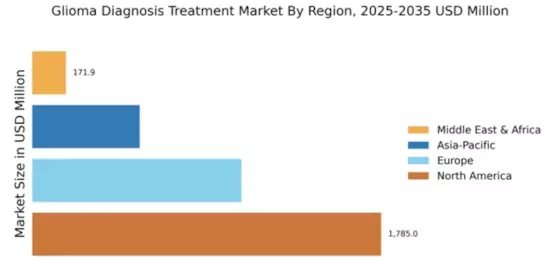
The increasing prevalence of glioma cases globally appears to be a primary driver for the Global Glioma Diagnosis and Treatment Market Industry. As reported, the incidence rate of gliomas has been on the rise, with estimates suggesting that approximately 3.19 per 100,000 individuals are diagnosed annually. This trend is likely to escalate the demand for advanced diagnostic tools and treatment options, contributing to the market's growth. By 2024, the market is projected to reach 3.58 USD Billion, reflecting the urgent need for effective interventions and comprehensive care strategies for glioma patients.
Advancements in Diagnostic Technologies
Technological innovations in diagnostic methodologies are significantly influencing the Global Glioma Diagnosis and Treatment Market Industry. Enhanced imaging techniques, such as MRI and PET scans, have improved the accuracy of glioma detection, allowing for earlier intervention. Furthermore, the integration of artificial intelligence in imaging analysis is expected to refine diagnostic precision. These advancements not only facilitate timely treatment but also enhance patient outcomes. As the market evolves, the demand for these sophisticated diagnostic tools is likely to contribute to the projected growth, with the market anticipated to reach 6.25 USD Billion by 2035.
Emerging Markets and Global Accessibility
The expansion of healthcare infrastructure in emerging markets is a significant driver for the Global Glioma Diagnosis and Treatment Market Industry. Countries with developing healthcare systems are increasingly investing in oncology services, improving access to glioma diagnosis and treatment. This trend is likely to enhance patient outcomes and increase the number of diagnosed cases, further stimulating market growth. As these regions continue to develop, the market is expected to benefit from the rising demand for glioma-related healthcare services, contributing to the overall market value projected to be 3.58 USD Billion by 2024.
Growing Awareness and Education Initiatives
Raising awareness about glioma and its treatment options is becoming increasingly vital in the Global Glioma Diagnosis and Treatment Market Industry. Educational campaigns aimed at healthcare professionals and the general public are essential for early detection and intervention. These initiatives help demystify glioma, encouraging individuals to seek medical advice promptly. As awareness grows, the demand for diagnostic services and treatment options is likely to increase, contributing to the overall market expansion. This trend aligns with the projected growth trajectory, as the market is expected to reach 6.25 USD Billion by 2035.
Increased Research and Development Investments
The surge in research and development investments in glioma therapies is a crucial factor propelling the Global Glioma Diagnosis and Treatment Market Industry. Governments and private organizations are allocating substantial funds to explore novel treatment modalities, including immunotherapy and targeted therapies. This increased focus on R&D is expected to yield innovative solutions that could improve survival rates and quality of life for glioma patients. As a result, the market is projected to experience a compound annual growth rate of 5.19% from 2025 to 2035, reflecting the potential for groundbreaking advancements in glioma treatment.