×
Request Free Sample ×

Kindly complete the form below to receive a free sample of this Report

* Please use a valid business email

Leading companies partner with us for data-driven Insights

clients tt-cursor
Hero Background
English
Chinese
French
Japanese
Korean
German
Spanish

Flexible Foam Market Analysis

ID: MRFR/CnM/3359-CR
199 Pages
Chitranshi Jaiswal
January 2026

Flexible Foam Market Research Report By Type (Polyurethane, Polyethylene, Polypropylene, Others), By End Use Industry (Automotive, Packaging, Furniture & Upholstery, Construction, Consumer Goods, Others), By Region - Forecast to 2035

Share:
Download PDF ×

We do not share your information with anyone. However, we may send you emails based on your report interest from time to time. You may contact us at any time to opt-out.

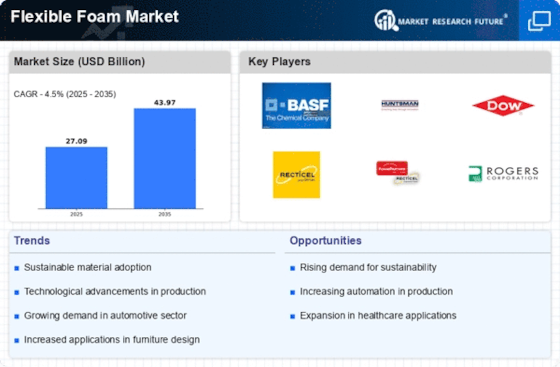
Flexible Foam Market Infographic
×
Flexible Foam Market Infographic Full View
Purchase Options

Market Analysis

In-depth Analysis of Flexible Foam Market Industry Landscape

The dynamics surrounding supply-demand interplay powerfully influence growth structures within the flex-foam sector, which cannot be singled out among various factors influencing the supply-demand mechanism at large. Economic features play a significant role in shaping the flexible foam market. Its performance tends to vary with overall economic conditions prevailing within different regions or countries where it is traded. When economies expand, there is generally more consumer spending on things like furniture and cars, leading to an increase in demand for these goods made out of flex forms in these instances. On the reverse side, a subdued economic state may negatively affect the demand for such goods on the grounds of reduced consumer spending. So, fluctuations in the global economic landscape, such as inflation rates, GDP growth, or interest rates, have a profound impact on the flexifoam market. Further to that, technological developments shape flexible foam's industry dynamics. New materials are introduced into the market, and manufacturing processes are changed by research and development. Consumer preferences and lifestyle trends are crucial determinants of the flexible foam market. This has driven up demand for mattresses and furniture that are comfortable and supportive due to increasing awareness about health among consumers. Subsequently, high-quality ergonomic foams have been produced as a result of this tendency. Furthermore, there is a recent shift towards sustainable products among customers, leading to the development of bio-based foams and recycling initiatives, making this industry more sustainable nowadays. Also, globalization and the dynamics of trade affect the flexible foam market. This trade is located in a worldwide supply chain wherein international trade policies, tariffs, and geopolitical events could influence the cost of inputs as well as the availability of raw materials. The dynamic of the flexible foam market is also shaped by competition among producers. Multiple producers and suppliers are involved in this business, leading to competition that drives these firms toward product differentiation based on quality, innovation, and pricing strategies. Regulatory factors, including Safety and Environmental Regulations, play a critical role in shaping the flexible foam market. These may vary from fire safety requirements to chemical restrictions, which can affect the formulation and manufacturing processes of flexible foams.

Author
Chitranshi Jaiswal
Research Analyst Level I

In her 3 years of experience in the market research field, she has handled critical cross-domain projects. She has an in-depth knowledge of market estimation & analysis, problem-solving, primary as well as secondary research, and team management.She holds an engineering degree and is an MBA professional from a well-known university, capable of evaluating the market and competitive conditions. An exceptional strategist with excellent communication skills and a passion for delivering cutting-edge & practical insights for the market. Proficient in multi-tasking, and can successfully deal with competing demands, while maintaining complete confidentiality. Generated business through active client and project development, networking, and high-quality responses. Her knowledge and skills have helped in making solid business decisions, securing funding from investors, and avoiding business failures.

Leave a Comment

FAQs

What is the current valuation of the Flexible Foam Market?

The Flexible Foam Market was valued at 17,807.4 USD Million in 2024.

What is the projected market size for the Flexible Foam Market by 2035?

The market is projected to reach 32,633.7 USD Million by 2035.

What is the expected CAGR for the Flexible Foam Market during the forecast period?

The expected CAGR for the Flexible Foam Market from 2025 to 2035 is 5.7%.

Which type of flexible foam segment is expected to grow the most?

The Polyurethane segment, valued at 10.0 USD Billion in 2024, is projected to grow to 16.0 USD Billion by 2035.

How does the Flexible Foam Market perform in the automotive sector?

The automotive segment was valued at 5.0 USD Billion in 2024 and is expected to grow to 8.0 USD Billion by 2035.

Market Summary

As per Market Research Future analysis, the Flexible Foam Market Size was estimated at 17,807.4 USD Million in 2024. The Flexible Foam industry is projected to grow from 18,747.3 USD Million in 2025 to 32,633.7 USD Million by 2035, exhibiting a compound annual growth rate (CAGR) of 5.7% during the forecast period 2025 - 2035.

Key Market Trends & Highlights

The Flexible Foam Market is experiencing steady growth, primarily driven by rising demand for lightweight, durable, and comfort-driven materials across automotive, furniture, bedding, packaging, consumer goods, and industrial applications.

  • The market is witnessing strong demand for seating foams, comfort cushioning, acoustic insulation, protective packaging, and impact-absorbing materials, supported by global vehicle production growth, increasing consumer preference for premium mattresses and upholstered furniture, expanding logistics and e-commerce, and a scaling aftermarket ecosystem. Low-VOC, CertiPUR-certified, recyclable foam grades, and bio-based flexible foam formulations are gaining strong traction as regulators in North America and Europe tighten sustainability, indoor air quality, and chemical safety standards, accelerating the transition away from conventional high-emission and non-recyclable foam materials. The increasing penetration of electric vehicles (EVs) is creating new opportunities for flexible foams optimized for lightweighting, improved cabin acoustics, vibration damping, thermal comfort, and compatibility with composite, plastic, and non-metallic interior structures. Automated foam molding, robotic glue application, precision foam cutting, computerized contour trimming, and digital process control systems are improving manufacturing accuracy, reducing scrap rates, minimizing material waste, and increasing throughput for OEM suppliers and body-shop operations. Ongoing advancements in high-resilience (HR) foam, memory foam, next-generation acoustic and NVH foams, nano-enhanced elasticity control, and closed-loop recyclable foam technologies are expected to redefine performance benchmarks and support long-term market expansion.

Market Size & Forecast

2024 Market Size 17,807.4 (USD Million)
2035 Market Size 32,633.7 (USD Million)
CAGR (2025 - 2035) 5.7%

Major Players

<p>BASF, Huntsman International LLC, Greiner AG, Woodbridge, Armacell, Zotefoams plc, L'ISOLANTE K-FLEX S.p.A, UBE Corporation, Rogers Foam Corporation and Interplasp S.L.</p>

Market Trends

The Flexible Foam Market is currently undergoing a notable transformation, driven by rising vehicle ownership, increasing demand for comfort-oriented seating and interiors, and the growing adoption of high-performance cushioning in residential, commercial, and industrial applications. As vehicles remain on the road for longer periods, the need for durable foam replacement, ergonomic seating support, and improved noise–vibration–harshness (NVH) control has intensified. At the same time, stricter environmental regulations and sustainability goals are reshaping product development, pushing manufacturers toward low-emission, recyclable, and bio-based flexible foam systems. This shift is particularly evident in mature markets such as North America and Europe, where indoor air quality compliance, material safety, and sustainability performance are critical.

Moreover, the growing adoption of eco-friendly and advanced foam technologies is significantly influencing the Flexible Foam Market. This trend is enhancing operational efficiency while aligning with global sustainability mandates, indicating strong long-term growth potential for the market.

Rising Demand for Foam Replacement and Comfort Restoration

The increasing number of vehicles on the road and rising demand for interior comfort upgrades are driving demand for flexible foam. Automotive service centers, furniture repair units, mattress replacement providers, and industrial cushioning suppliers rely on high-quality foams to restore comfort, absorb impact, reduce noise, and maintain structural ergonomics, making flexible foam replacement a critical part of both automotive and home aftermarket ecosystems.

Advancements in Foam Processing and Application Technologies

The integration of digital contour-cutting, automated foam molding, CNC trimming systems, robotic adhesive application, and precision chemical metering is improving foam shaping accuracy and operational efficiency. These innovations help reduce scrap generation, shorten production and replacement cycles, improve fit-and-finish consistency, and enhance uniformity in foam cushioning outcomes across OEM and aftermarket operations.

Impact of Electric Vehicle and Lightweight Architecture Adoption

The rise of electric vehicles is influencing flexible foam development, as EV platforms prioritize lightweighting, superior acoustics, and vibration damping. EV seating structures increasingly use composites, engineered plastics, and non-metallic support frames, leading foam manufacturers to innovate material-compatible solutions that ensure resilience, adhesion, acoustic performance, and sustainability without compromising comfort or long-term durability.

Flexible Foam Market Market Drivers

Growing Accident, Wear-and-Tear, and Replacement Demand

The Flexible Foam Market is witnessing strong demand growth driven by the rising frequency of road accidents, vehicle seat damage, prolonged usage wear-and-tear, and increasing interior component replacement cycles worldwide. As global vehicle ownership increases, incidents requiring seat repair, cushioning restoration, and NVH foam replacement have surged, directly boosting the need for flexible foam to reinstate comfort, structural support, and safety-grade impact absorption.

In addition, millions of vehicles entering collision repair centers annually require foam replacement in deformable zones such as seating, headrests, door pads, roof liners, and acoustic insulation layers. The economic impact of road accidents — estimated at nearly 3% of GDP in many countries — ensures a sustained inflow of vehicles requiring interior restoration, positioning accident- and replacement-driven foam demand as a key and steady growth driver for the Flexible Foam Market across automotive OEM and aftermarket repair ecosystems.

Shift Towards Eco-friendly and Low-Emission Foam Solutions

Flexible Foam Market is increasingly moving toward eco-friendly solutions, driven by rising environmental awareness, stringent material safety regulations, and consumer demand for sustainable comfort products. The focus on improving indoor air quality and reducing chemical emissions has accelerated the adoption of low-VOC certified foams, recyclable foam grades, and bio-based polyol formulations, which minimize environmental impact while maintaining high resilience, durability, and cushioning performance. Leading companies such as Covestro, BASF, Dow, and Huntsman are advancing next-generation flexible foam chemistries aligned with circular economy and carbon-neutral material goals.

Additionally, eco-conscious consumers in automotive seating, furniture, and mattress aftermarket segments are increasingly opting for greener foam replacement and comfort restoration solutions, further supporting market growth. This shift toward sustainable and emission-compliant foams is transforming the industry by combining environmental responsibility with comfort engineering and long-term performance, positioning the market for continued expansion in line with global sustainability and material safety initiatives.

Market Segment Insights

Flexible Foam Market By End Use Industry

<p>The Flexible Foam Market segmentation, based on End Use Industry, has been classified into Automotive, Packaging, Furniture &amp; Upholstery, Construction, Consumer Goods, and Others. In 2024, the Furniture &amp; Upholstery segment captured a significant share of the Flexible Foam Market, emerging as the primary driver of industry demand. The comfort, flexibility, high resilience, and extended durability offered by flexible foam make it a critical material for furniture and upholstery applications. Among foam types, polyurethane-based flexible foam leads adoption in this segment, supporting a wide range of products including sofas, recliners, chairs, mattresses, cushions, and pillows. Its ability to adapt to body contours, deliver strong ergonomic support, and regain its original shape after repeated compression makes it highly suitable for enhancing comfort, optimizing performance, and improving the lifespan of finished products.</p>

Flexible Foam Market By Type

<p>The Flexible Foam Market segmentation, based on Type, has been classified into Polyurethane, Polyethylene, Polypropylene, and Others. In 2024, the Polyethylene segment held a significant share of the Flexible Foam Market, emerging as a key contributor to overall demand. Polyethylene (PE) foam is recognized for its lightweight, closed-cell structure, which provides excellent resistance to moisture and chemicals. Its broad usage spans packaging, insulation, automotive components, and sports and leisure products, where it is highly valued for effective shock absorption and vibration damping. The rapid expansion of e-commerce has further strengthened its adoption, particularly within the packaging sector, as PE foam continues to play a critical role in protective packaging, cushioning, and durable transit-oriented solutions.</p>

Get more detailed insights about Flexible Foam Market Research Report- Forecast Till 2035

Regional Insights

North America: Mature Comfort and Replacement Market

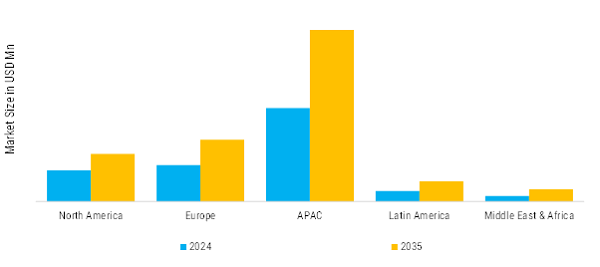
North America represents a mature yet high-demand market for flexible foam, accounting for a significant share of global consumption. The region’s growth is driven by a large vehicle fleet requiring seat foam replacement, strong demand for premium mattresses and upholstered furniture, and a well-established home and automotive aftermarket ecosystem. Stringent indoor air quality, chemical safety, and sustainability regulations have accelerated the adoption of low-VOC, CertiPUR-certified, recyclable, and bio-based foam grades, prompting suppliers to innovate while ensuring compliance. The U.S. leads the market, followed by Canada, with major manufacturers investing in high-resilience, acoustic-optimized, flame-retardant, and durable foam solutions. Technological adoption, including CNC cutting, automated foam molding, and robotic adhesive application, enhances precision across OEM and aftermarket operations. Overall, North America is characterized by steady demand, regulatory influence, and innovation-driven product development.

Flexible Foam Market Regional Insights

Europe: Regulatory and Technology-Driven Market

Europe holds a significant and steadily growing share of the flexible foam market. Strong automotive manufacturing heritage, a large furniture and bedding consumer base, and well-developed aftermarket replacement networks drive demand across countries such as Germany, France, Italy, and the UK. Strict regulations on chemical emissions, recyclability, flame retardancy, and indoor air quality are accelerating the shift to sustainable and certified low-emission foams. Suppliers are focusing on next-generation high-resilience comfort foams, memory foams, recyclable polyol chemistries, and acoustic (NVH) foam layers to improve durability and performance. Rising automotive seat refurbishment, expanding logistics packaging foam use, and consumer preference for premium, safe, and eco-friendly cushioning support consistent market expansion, making Europe a regulatory and technology-led flexible foam market.

Asia-Pacific: Largest and Fastest-Growing Market

Asia-Pacific is the largest and fastest-scaling flexible foam market globally, driven by rapid urbanization, increasing vehicle production, rising middle-class purchases of mattresses and upholstered furniture, and a robust automotive and home aftermarket replacement ecosystem. China and India dominate demand due to expansive vehicle fleets, high seating foam consumption, and strong growth in bedding and e-commerce packaging applications. Environmental awareness and emerging regulations are encouraging adoption of low-emission and recyclable foams, while cost sensitivity and inconsistent standard enforcement pose challenges. Investments in automated foam molding, digital cutting, and localized polyol and foam production capacity are strengthening supply resilience. The region’s combination of fleet expansion, manufacturing scale-up, and aftermarket development positions Asia-Pacific as a dynamic and rapidly expanding flexible foam market.

Latin America: Emerging Replacement and Comfort Market

Latin America represents a developing flexible foam market, characterized by increasing vehicle ownership, rising automotive seat repair and refurbishment activity, and growing consumer focus on comfort-driven home products including mattresses, pillows, and upholstered furniture. Brazil, Mexico, and Argentina are key markets, with Brazil leading in volume and long-term growth potential. Adoption of recyclable and bio-based foam grades is increasing gradually, supported by sustainability trends and investments by global suppliers, though economic volatility and infrastructure inconsistencies remain challenges. Expanding insurance-linked seat repair activity, growing C&M furniture demand, and increased usage of flexible packaging foams in e-commerce logistics support continued market growth, positioning Latin America as a steadily scaling region with strong future potential.

Middle East and Africa: Emerging Market Frontier

The Middle East and Africa (MEA) flexible foam sector is an emerging but promising market, supported by rising vehicle parc, increasing seat foam replacement demand, expanding logistics and protective packaging foam usage, and growing residential and commercial furniture and bedding consumption. Key markets include Saudi Arabia, UAE, and South Africa, where demand for climate-tolerant, high-resilience, and acoustic-optimized comfort foams is increasing. Adoption of sustainable, certified, and recyclable foam chemistries is progressing, though unevenly across countries. As the region transitions from informal seat repair and foam usage practices toward standardized, certified, performance-driven, and safer comfort solutions, MEA is positioned for steady expansion and long-term emerging market growth potential in flexible foam applications.

Key Players and Competitive Insights

The Flexible Foam Market is strategically consolidated and competitively dynamic, dominated by multinational chemical and polymer corporations that command significant market share through large-scale foam production capacity, integrated raw material supply (including polyols, olefins, and additives), diversified foam portfolios, and wide global distribution coverage. Competition is driven by established material leaders leveraging formulation chemistry, continuous R&D investment, strong relationships with automotive OEM seating suppliers, mattress brands, furniture manufacturers, and protective packaging converters, and the ability to deliver performance-engineered grades at scale. Key market drivers include the transition to low-emission, CertiPUR-certified, and recyclable foam chemistries due to stricter indoor air quality and sustainability regulations, rising demand for lightweight comfort materials in automotive platforms, increasing e-commerce penetration requiring durable cushioning and protective packaging foams, growing premiumization trends in bedding and upholstered furniture, and the need to balance high resilience and durability with regional cost sensitivity.


Moreover, the market reflects a clear strategic divide between global producers offering fully integrated foam solutions (from raw material to finished foam blocks or molded parts) and regional or application-focused specialists targeting specific end-use clusters such as automotive NVH layers, mattress comfort foams, furniture upholstery grades, or logistics packaging inserts. Scale, emission compliance, acoustic and vibration performance, resilience tuning, recyclability, and aftermarket replacement support remain the primary competitive differentiators. 


Additionally, leading companies continue to invest in next-generation foam technologies, including bio-based polyols, halogen-free flame-retardant systems, high-resilience (HR) and memory foam enhancements, acoustic-optimized NVH foams, closed-loop recyclable foam systems, and automated molding, trimming, and precision cutting ecosystems, while expanding capacity and partnerships in high-growth emerging markets across Asia-Pacific, Latin America, the Middle East, and Africa.

Key Companies in the Flexible Foam Market include

Industry Developments

In 2025, Huntsman International LLC launched a next-generation flexible foam catalyst and surfactant system designed to improve foam uniformity, processing efficiency, and indoor air quality compliance for furniture and mattress OEMs in Europe and Asia.

In 2025, Armacell introduced a new range of flexible acoustic and insulation foams engineered for enhanced thermal performance and vibration damping in automotive and HVAC applications, targeting sustainability and energy-efficiency mandates across Europe and North America.

In 2025, Zotefoams plc expanded its specialty closed-cell polyolefin foam production capacity in Asia-Pacific to support growing demand for protective packaging foams and lightweight automotive interior components.

Future Outlook

Flexible Foam Market Future Outlook

<p>Flexible Foam Market is projected to grow at a 5.7% CAGR from 2025 to 2035, driven by by rising global vehicle ownership, increasing demand for comfort-focused seating and interiors, expanding bedding and furniture consumption, and growing replacement activity across automotive, home, and industrial aftermarket channels.</p>

New opportunities lie in:

  • <p>Increasing adoption of low-emission, low-VOC certified, and eco-friendly foam formulations.</p>
  • <p>Growing EV and hybrid vehicle platforms prioritizing lightweight, acoustic, and vibration-optimized seating foams.</p>
  • <p>Advancements in fast-mold, high-resilience, and precision-cut workflow-efficient foam systems.</p>
  • <p>Scaling automotive production, bedding premiumization, and packaging demand growth across Asia-Pacific.</p>

<p>By 2035, the Flexible Foam Market is expected to achieve robust growth, driven by innovation and diversification.</p>

Market Segmentation

Flexible Foam Market Type Outlook

  • Polyurethane
  • Polyethylene
  • Polypropylene
  • Others

Flexible Foam Market End Use Industry Outlook

  • Automotive
  • Packaging
  • Furniture & Upholstery
  • Construction
  • Consumer Goods
  • Others

Report Scope

Market Size 2024 17,807.4 (USD Million)
Market Size 2025 18,747.3 (USD Million)
Market Size 2035 32,633.7 (USD Million)
Compound Annual Growth Rate (CAGR) 5.7% (2025 - 2035)
Report Coverage Revenue Forecast, Competitive Landscape, Growth Factors, and Trends
Base Year 2024
Market Forecast Period 2025 - 2035
Historical Data 2019 - 2024
Market Forecast Units USD Million & Kilotons
Key Companies Profiled BASF, Huntsman International LLC, Greiner AG, Woodbridge, Armacell, Zotefoams plc, L'ISOLANTE K-FLEX S.p.A, UBE Corporation, Rogers Foam Corporation and Interplasp S.L.
Segments Covered By Type, By End Use Industry
Key Market Opportunities Increasing adoption of low-emission, low-VOC certified, and eco-friendly foam formulations; Growing EV and hybrid vehicle platforms prioritizing lightweight, acoustic, and vibration-optimized seating foams; Scaling automotive production, bedding premiumization, and packaging demand growth across Asia-Pacific.
Key Market Dynamics Growing Accident, Wear-and-Tear, and Replacement Demand; Shift Towards Eco-friendly and Low-Emission Foam Solutions.
Countries Covered North America, Europe, APAC, Latin America, MEA

FAQs

What is the current valuation of the Flexible Foam Market?

The Flexible Foam Market was valued at 17,807.4 USD Million in 2024.

What is the projected market size for the Flexible Foam Market by 2035?

The market is projected to reach 32,633.7 USD Million by 2035.

What is the expected CAGR for the Flexible Foam Market during the forecast period?

The expected CAGR for the Flexible Foam Market from 2025 to 2035 is 5.7%.

Which type of flexible foam segment is expected to grow the most?

The Polyurethane segment, valued at 10.0 USD Billion in 2024, is projected to grow to 16.0 USD Billion by 2035.

How does the Flexible Foam Market perform in the automotive sector?

The automotive segment was valued at 5.0 USD Billion in 2024 and is expected to grow to 8.0 USD Billion by 2035.

  1. EXECUTIVE SUMMARY
  2. MARKET INTRODUCTION
    1. DEFINITION
    2. SCOPE OF THE STUDY
    3. RESEARCH OBJECTIVE
    4. MARKET STRUCTURE
  3. RESEARCH METHODOLOGY
    1. OVERVIEW
    2. DATA FLOW
      1. DATA MINING PROCESS
    3. PURCHASED DATABASE:
    4. SECONDARY SOURCES:
      1. SECONDARY RESEARCH DATA FLOW:
    5. PRIMARY RESEARCH:
      1. PRIMARY RESEARCH DATA FLOW:
      2. PRIMARY RESEARCH: NUMBER OF INTERVIEWS CONDUCTED
    6. APPROACHES FOR MARKET SIZE ESTIMATION:
      1. CONSUMPTION & NET TRADE APPROACH
    7. DATA FORECASTING
      1. DATA FORECASTING TECHNIQUE
    8. DATA MODELING
      1. MICROECONOMIC FACTOR ANALYSIS:
      2. DATA MODELING:
    9. TEAMS AND ANALYST CONTRIBUTION
  4. MARKET DYNAMICS
    1. INTRODUCTION
    2. DRIVERS
      1. GROWING AUTOMOTIVE INDUSTRY
      2. RAPID ADOPTION OF SLABSTOCK FOAM IN THE FURNITURE AND BEDDING INDUSTRY
      3. INCREASING USE IN THE CONSTRUCTION INDUSTRY
    3. RESTRAINTS
      1. RISING RAW MATERIAL PRICES
      2. DISPOSAL & RECYCLING LIMITATIONS
    4. OPPORTUNITY
      1. EMERGING USE OF BIO-BASED POLYOLS IN FLEXIBLE FOAM
      2. ADVANCING DEMAND FROM CONSUMER GOODS
  5. MARKET FACTOR ANALYSIS
    1. SUPPLY CHAIN ANALYSIS
      1. RAW MATERIALS SUPPLIERS
      2. FLEXIBLE FOAM MANUFACTURERS
      3. DISTRIBUTION CHANNEL
      4. END-USE INDUSTRY
    2. PORTER’S FIVE FORCES MODEL
      1. BARGAINING POWER OF SUPPLIERS
      2. BARGAINING POWER OF BUYERS
      3. THREAT OF NEW ENTRANTS
      4. THREAT OF SUBSTITUTES
      5. INTENSITY OF RIVALRY
    3. TECHNOLOGICAL ADVANCEMENTS
    4. REGULATORY FRAMEWORK
    5. BROAD LEVEL GAP ANALYSIS
      1. BASED ON TYPE
      2. BASED ON APPLICATION
  6. GLOBAL FLEXIBLE FOAM MARKET, BY TYPE
    1. INTRODUCTION
    2. POLYURETHANE
    3. POLYETHYLENE
    4. POLYPROPYLENE
    5. OTHERS
  7. GLOBAL FLEXIBLE FOAM MARKET, BY END USE INDUSTRY
    1. INTRODUCTION
    2. AUTOMOTIVE
    3. PACKAGING
    4. FURNITURE & UPHOLSTERY
    5. CONSTRUCTION
    6. CONSUMER GOODS
    7. OTHERS
  8. GLOBAL FLEXIBLE FOAM MARKET, BY REGION
    1. INTRODUCTION
    2. NORTH AMERICA
    3. EUROPE
    4. ASIA PACIFIC
    5. SOUTH AMERICA
    6. MEA
  9. COMPETITIVE LANDSCAPE
    1. INTRODUCTION
    2. COMPETITION DASHBOARD
    3. COMPANY MARKET SHARE ANALYSIS, 2024 (%)
    4. COMPETITIVE BENCHMARKING
    5. LEADING PLAYERS IN TERMS OF THE NUMBER OF DEVELOPMENTS IN THE MARKET
    6. COMPARATIVE ANALYSIS: KEY PLAYERS FINANCIAL, 2024
    7. KEY DEVELOPMENTS & GROWTH STRATEGIES
      1. NEW PRODUCT LAUNCH/SERVICE DEPLOYMENT
      2. MERGERS & ACQUISITION
      3. JOINT VENTURES
  10. COMPANY PROFILES
    1. BASF
      1. COMPANY OVERVIEW
      2. FINANCIAL OVERVIEW
      3. SWOT ANALYSIS
      4. KEY STRATEGY
    2. GREINER AG
      1. COMPANY OVERVIEW
      2. FINANCIAL OVERVIEW
      3. SWOT ANALYSIS
      4. KEY STRATEGY
    3. HUNTSMAN INTERNATIONAL LLC
      1. COMPANY OVERVIEW
      2. FINANCIAL OVERVIEW
      3. SWOT ANALYSIS
      4. KEY STRATEGY
    4. ARMACELL
      1. COMPANY OVERVIEW
      2. FINANCIAL OVERVIEW
      3. SWOT ANALYSIS
      4. KEY STRATEGY
    5. L'ISOLANTE K-FLEX S.P.A
      1. COMPANY OVERVIEW
      2. FINANCIAL OVERVIEW
      3. SWOT ANALYSIS
      4. KEY STRATEGY
    6. WOODBRIDGE
      1. COMPANY OVERVIEW
      2. FINANCIAL OVERVIEW
      3. SWOT ANALYSIS
      4. KEY STRATEGY
    7. UBE CORPORATION
      1. COMPANY OVERVIEW
      2. FINANCIAL OVERVIEW
      3. SWOT ANALYSIS
      4. KEY STRATEGY
    8. INTERPLASP S.L
      1. COMPANY OVERVIEW
      2. FINANCIAL OVERVIEW
      3. SWOT ANALYSIS
      4. KEY STRATEGY
    9. ROGERS FOAM CORPORATION
      1. COMPANY OVERVIEW
      2. FINANCIAL OVERVIEW
      3. SWOT ANALYSIS
      4. KEY STRATEGY
    10. ZOTEFOAMS PLC
      1. COMPANY OVERVIEW
      2. FINANCIAL OVERVIEW
      3. SWOT ANALYSIS
      4. KEY STRATEGY
    11. DATA CITATIONS
  11. LIST OF FIGURES
  12. GLOBAL SALES OF NEW VEHICLES, 2020-2024 (IN UNITS)
  13. GLOBAL DEMAND OF EVS BY REGION IN 2024 (IN MILLION UNITS)
  14. GLOBAL FLEXIBLE FOAM MARKET SNAPSHOT, 2024
  15. GLOBAL FLEXIBLE FOAM MARKET: STRUCTURE
  16. GLOBAL FLEXIBLE FOAM MARKET: MARKET GROWTH FACTOR ANALYSIS (2025-2035)
  17. GLOBAL SALES OF NEW VEHICLES, 2020-2024 (IN UNITS)
  18. GLOBAL DEMAND OF EVS BY REGION IN 2024 (IN MILLION UNITS)
  19. INDIA FURNITURE MARKET, 2023 & 2026 (IN USD BILLION)
  20. YEAR ON YEAR % CHANGE IN GLOBAL CONSTRUCTION OUTPUT, 2023 - 2026 (IN %)
  21. DRIVER IMPACT ANALYSIS (2025-2035)
  22. GLOBAL CRUDE OIL PRICES, 2019 - 2024 (IN USD PER CUBIC METER)
  23. RESTRAINT IMPACT ANALYSIS (2025-2035)
  24. SUPPLY CHAIN ANALYSIS: GLOBAL FLEXIBLE FOAM MARKET
  25. PORTER’S FIVE FORCES MODEL: GLOBAL FLEXIBLE FOAM MARKET
  26. GLOBAL FLEXIBLE FOAM MARKET REVENUE SHARE, BY TYPE, 2024 (% SHARE)
  27. GLOBAL FLEXIBLE FOAM MARKET SHARE ANALYSIS, 2024 (%)
  28. BENCHMARKING OF MAJOR COMPETITORS
  29. COMPARATIVE ANALYSIS: KEY PLAYERS FINANCIAL, 2024
  30. BASF: SWOT ANALYSIS
  31. GREINER AG: SWOT ANALYSIS
  32. HUNTSMAN INTERNATIONAL LLC: SWOT ANALYSIS
  33. ARMACELL: SWOT ANALYSIS
  34. L'ISOLANTE K-FLEX S.P.A: SWOT ANALYSIS
  35. WOODBRIDGE: SWOT ANALYSIS
  36. UBE CORPORATION: SWOT ANALYSIS
  37. INTERPLASP S.L: SWOT ANALYSIS
  38. ROGERS FOAM CORPORATION: SWOT ANALYSIS
  39. ZOTEFOAMS PLC: SWOT ANALYSIS


Flexible Foam Market Segmentation 
Flexible Foam Type Outlook (USD Million, 2019-2035)
•    Polyurethane
•    Polyethylene
•    Polypropylene
•    Others 
Flexible Foam End Use Industry Outlook (USD Million, 2019-2035)
•    Automotive
•    Packaging
•    Furniture & Upholstery
•    Construction
•    Consumer Goods
•    Others
Flexible Foam Region Outlook (USD Million, 2019-2035)
•    North America
•    US Outlook (USD Million, 2019-2035)
o    US Flexible Foam Type Outlook (USD Million, 2019-2035)
•    Polyurethane
•    Polyethylene
•    Polypropylene
•    Others 
o    US Flexible Foam End Use Industry Outlook (USD Million, 2019-2035)
•    Automotive
•    Packaging
•    Furniture & Upholstery
•    Construction
•    Consumer Goods
•    Others
•    Canada Outlook (USD Million, 2019-2035)
o    Canada Flexible Foam Type Outlook (USD Million, 2019-2035)
•    Polyurethane
•    Polyethylene
•    Polypropylene
•    Others 
o    Canada Flexible Foam End Use Industry Outlook (USD Million, 2019-2035)
•    Automotive
•    Packaging
•    Furniture & Upholstery
•    Construction
•    Consumer Goods
•    Others
•    Europe
•    Germany Outlook (USD Million, 2019-2035)
o    Germany Flexible Foam Type Outlook (USD Million, 2019-2035)
•    Polyurethane
•    Polyethylene
•    Polypropylene
•    Others 
o    Germany Flexible Foam End Use Industry Outlook (USD Million, 2019-2035)
•    Automotive
•    Packaging
•    Furniture & Upholstery
•    Construction
•    Consumer Goods
•    Others
•    UK Outlook (USD Million, 2019-2035)
o    UK Flexible Foam Type Outlook (USD Million, 2019-2035)
•    Polyurethane
•    Polyethylene
•    Polypropylene
•    Others 
o    UK Flexible Foam End Use Industry Outlook (USD Million, 2019-2035)
•    Automotive
•    Packaging
•    Furniture & Upholstery
•    Construction
•    Consumer Goods
•    Others
•    Russia Outlook (USD Million, 2019-2035)
o    Russia Flexible Foam Type Outlook (USD Million, 2019-2035)
•    Polyurethane
•    Polyethylene
•    Polypropylene
•    Others 
o    Russia Flexible Foam End Use Industry Outlook (USD Million, 2019-2035)
•    Automotive
•    Packaging
•    Furniture & Upholstery
•    Construction
•    Consumer Goods
•    Others
•    France Outlook (USD Million, 2019-2035)
o    France Flexible Foam Type Outlook (USD Million, 2019-2035)
•    Polyurethane
•    Polyethylene
•    Polypropylene
•    Others 
o    France Flexible Foam End Use Industry Outlook (USD Million, 2019-2035)
•    Automotive
•    Packaging
•    Furniture & Upholstery
•    Construction
•    Consumer Goods
•    Others
•    Spain Outlook (USD Million, 2019-2035)
o    Spain Flexible Foam Type Outlook (USD Million, 2019-2035)
•    Polyurethane
•    Polyethylene
•    Polypropylene
•    Others 
o    Spain Flexible Foam End Use Industry Outlook (USD Million, 2019-2035)
•    Automotive
•    Packaging
•    Furniture & Upholstery
•    Construction
•    Consumer Goods
•    Others
•    Italy Outlook (USD Million, 2019-2035)
o    Italy Flexible Foam Type Outlook (USD Million, 2019-2035)
•    Polyurethane
•    Polyethylene
•    Polypropylene
•    Others 
o    Italy Flexible Foam End Use Industry Outlook (USD Million, 2019-2035)
•    Automotive
•    Packaging
•    Furniture & Upholstery
•    Construction
•    Consumer Goods
•    Others
•    Poland Outlook (USD Million, 2019-2035)
o    Poland Flexible Foam Type Outlook (USD Million, 2019-2035)
•    Polyurethane
•    Polyethylene
•    Polypropylene
•    Others 
o    Poland Flexible Foam End Use Industry Outlook (USD Million, 2019-2035)
•    Automotive
•    Packaging
•    Furniture & Upholstery
•    Construction
•    Consumer Goods
•    Others
•    Rest of EU Outlook (USD Million, 2019-2035)
o    Rest of EU Flexible Foam Type Outlook (USD Million, 2019-2035)
•    Polyurethane
•    Polyethylene
•    Polypropylene
•    Others 
o    Rest of EU Flexible Foam End Use Industry Outlook (USD Million, 2019-2035)
•    Automotive
•    Packaging
•    Furniture & Upholstery
•    Construction
•    Consumer Goods
•    Others
•    Asia Pacific
•    China Outlook (USD Million, 2019-2035)
o    China Flexible Foam Type Outlook (USD Million, 2019-2035)
•    Polyurethane
•    Polyethylene
•    Polypropylene
•    Others 
o    China Flexible Foam End Use Industry Outlook (USD Million, 2019-2035)
•    Automotive
•    Packaging
•    Furniture & Upholstery
•    Construction
•    Consumer Goods
•    Others
•    Japan Outlook (USD Million, 2019-2035)
o    Japan Flexible Foam Type Outlook (USD Million, 2019-2035)
•    Polyurethane
•    Polyethylene
•    Polypropylene
•    Others 
o    Japan Flexible Foam End Use Industry Outlook (USD Million, 2019-2035)
•    Automotive
•    Packaging
•    Furniture & Upholstery
•    Construction
•    Consumer Goods
•    Others
•    India Outlook (USD Million, 2019-2035)
o    India Flexible Foam Type Outlook (USD Million, 2019-2035)
•    Polyurethane
•    Polyethylene
•    Polypropylene
•    Others 
o    India Flexible Foam End Use Industry Outlook (USD Million, 2019-2035)
•    Automotive
•    Packaging
•    Furniture & Upholstery
•    Construction
•    Consumer Goods
•    Others
•    Australia Outlook (USD Million, 2019-2035)
o    Australia Flexible Foam Type Outlook (USD Million, 2019-2035)
•    Polyurethane
•    Polyethylene
•    Polypropylene
•    Others 
o    Australia Flexible Foam End Use Industry Outlook (USD Million, 2019-2035)
•    Automotive
•    Packaging
•    Furniture & Upholstery
•    Construction
•    Consumer Goods
•    Others
•    Indonesia Outlook (USD Million, 2019-2035)
o    Indonesia Flexible Foam Type Outlook (USD Million, 2019-2035)
•    Polyurethane
•    Polyethylene
•    Polypropylene
•    Others 
o    Indonesia Flexible Foam End Use Industry Outlook (USD Million, 2019-2035)
•    Automotive
•    Packaging
•    Furniture & Upholstery
•    Construction
•    Consumer Goods
•    Others
•    South Korea Outlook (USD Million, 2019-2035)
o    South Korea Flexible Foam Type Outlook (USD Million, 2019-2035)
•    Polyurethane
•    Polyethylene
•    Polypropylene
•    Others 
o    South Korea Flexible Foam End Use Industry Outlook (USD Million, 2019-2035)
•    Automotive
•    Packaging
•    Furniture & Upholstery
•    Construction
•    Consumer Goods
•    Others
•    Rest of APAC Outlook (USD Million, 2019-2035)
o    Rest of APAC Flexible Foam Type Outlook (USD Million, 2019-2035)
•    Polyurethane
•    Polyethylene
•    Polypropylene
•    Others 
o    Rest of APAC Flexible Foam End Use Industry Outlook (USD Million, 2019-2035)
•    Automotive
•    Packaging
•    Furniture & Upholstery
•    Construction
•    Consumer Goods
•    Others
•    South America
•    Brazil Outlook (USD Million, 2019-2035)
o    Brazil Flexible Foam Type Outlook (USD Million, 2019-2035)
•    Polyurethane
•    Polyethylene
•    Polypropylene
•    Others 
o    Brazil Flexible Foam End Use Industry Outlook (USD Million, 2019-2035)
•    Automotive
•    Packaging
•    Furniture & Upholstery
•    Construction
•    Consumer Goods
•    Others
•    Argentina Outlook (USD Million, 2019-2035)
o    Argentina Flexible Foam Type Outlook (USD Million, 2019-2035)
•    Polyurethane
•    Polyethylene
•    Polypropylene
•    Others 
o    Argentina Flexible Foam End Use Industry Outlook (USD Million, 2019-2035)
•    Automotive
•    Packaging
•    Furniture & Upholstery
•    Construction
•    Consumer Goods
•    Others
•    Mexico Outlook (USD Million, 2019-2035)
o    Mexico Flexible Foam Type Outlook (USD Million, 2019-2035)
•    Polyurethane
•    Polyethylene
•    Polypropylene
•    Others 
o    Mexico Flexible Foam End Use Industry Outlook (USD Million, 2019-2035)
•    Automotive
•    Packaging
•    Furniture & Upholstery
•    Construction
•    Consumer Goods
•    Others
•    Rest of South America Outlook (USD Million, 2019-2035)
o    Rest of South America Flexible Foam Type Outlook (USD Million, 2019-2035)
•    Polyurethane
•    Polyethylene
•    Polypropylene
•    Others 
o    Rest of South America Flexible Foam End Use Industry Outlook (USD Million, 2019-2035)
•    Automotive
•    Packaging
•    Furniture & Upholstery
•    Construction
•    Consumer Goods
•    Others
•    Middle East & Africa
•    Turkey Outlook (USD Million, 2019-2035)
o    Turkey Flexible Foam Type Outlook (USD Million, 2019-2035)
•    Polyurethane
•    Polyethylene
•    Polypropylene
•    Others 
o    Turkey Flexible Foam End Use Industry Outlook (USD Million, 2019-2035)
•    Automotive
•    Packaging
•    Furniture & Upholstery
•    Construction
•    Consumer Goods
•    Others
•    UAE Outlook (USD Million, 2019-2035)
o    UAE Flexible Foam Type Outlook (USD Million, 2019-2035)
•    Polyurethane
•    Polyethylene
•    Polypropylene
•    Others 
o    UAE Flexible Foam End Use Industry Outlook (USD Million, 2019-2035)
•    Automotive
•    Packaging
•    Furniture & Upholstery
•    Construction
•    Consumer Goods
•    Others
•    Saudi Arabia Outlook (USD Million, 2019-2035)
o    Saudi Arabia Flexible Foam Type Outlook (USD Million, 2019-2035)
•    Polyurethane
•    Polyethylene
•    Polypropylene
•    Others 
o    Saudi Arabia Flexible Foam End Use Industry Outlook (USD Million, 2019-2035)
•    Automotive
•    Packaging
•    Furniture & Upholstery
•    Construction
•    Consumer Goods
•    Others
•    Rest of MEA Outlook (USD Million, 2019-2035)
o    Rest of MEA Flexible Foam Type Outlook (USD Million, 2019-2035)
•    Polyurethane
•    Polyethylene
•    Polypropylene
•    Others 
o    Rest of MEA Flexible Foam End Use Industry Outlook (USD Million, 2019-2035)
•    Automotive
•    Packaging
•    Furniture & Upholstery
•    Construction
•    Consumer Goods
•    Others

Infographic

Free Sample Request

Kindly complete the form below to receive a free sample of this Report

Get Free Sample

Customer Strories

Compare Licence

×
Features License Type
Single User Multiuser License Enterprise User
Price $4,950 $5,950 $7,250
Maximum User Access Limit 1 User Upto 10 Users Unrestricted Access Throughout the Organization
Free Customization
Direct Access to Analyst
Deliverable Format
Platform Access
Discount on Next Purchase 10% 15% 15%
Printable Versions