Technological Innovations
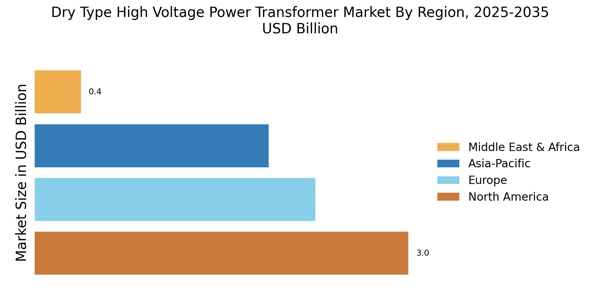
Technological advancements play a crucial role in shaping the Dry Type High Voltage Power Transformer Market. Innovations in materials and design have led to the development of more efficient and compact transformers. For instance, the introduction of advanced insulation materials has improved the performance and reliability of dry type transformers, making them suitable for high voltage applications. Furthermore, the integration of smart technologies, such as IoT and predictive maintenance, enhances operational efficiency and reduces downtime. Market data indicates that the adoption of these technologies is expected to increase, with a projected market size reaching USD 3 billion by 2028. This growth underscores the importance of continuous innovation in maintaining competitiveness within the dry type transformer sector.
Sustainability Initiatives
The increasing emphasis on sustainability is a pivotal driver for the Dry Type High Voltage Power Transformer Market. As industries and governments strive to reduce carbon footprints, the demand for environmentally friendly solutions rises. Dry type transformers, which utilize air as a cooling medium, eliminate the risk of oil leaks and are more recyclable than their oil-filled counterparts. This aligns with global sustainability goals, prompting utilities and manufacturers to invest in dry type technology. According to recent data, the market for dry type transformers is projected to grow at a compound annual growth rate of approximately 6% over the next five years, reflecting the industry's shift towards greener alternatives. This trend not only enhances the appeal of dry type transformers but also positions them as a preferred choice in various applications, including renewable energy integration.
Regulatory Compliance and Standards
Regulatory compliance and evolving standards are significant drivers for the Dry Type High Voltage Power Transformer Market. Governments and regulatory bodies are implementing stringent guidelines to ensure safety and environmental protection in electrical installations. Dry type transformers, which inherently pose lower environmental risks, are increasingly being mandated in various applications. Compliance with these regulations not only enhances safety but also promotes the adoption of dry type technology across different sectors. Recent data indicates that regions with strict regulatory frameworks are witnessing a higher penetration of dry type transformers, with market growth rates exceeding 7% in these areas. This trend suggests that adherence to regulations is likely to continue influencing market dynamics favorably.
Integration with Renewable Energy Sources
The transition towards renewable energy sources is a significant driver for the Dry Type High Voltage Power Transformer Market. As countries invest in solar, wind, and other renewable technologies, the need for reliable power distribution systems becomes paramount. Dry type transformers are particularly well-suited for renewable energy applications due to their ability to operate in various environmental conditions without the risk of oil contamination. This adaptability is crucial for installations in remote or harsh environments. Recent statistics suggest that the renewable energy sector is expected to account for over 50% of new power generation capacity by 2030, further propelling the demand for dry type transformers. This trend indicates a robust market potential for dry type technology in supporting the global energy transition.
Urbanization and Infrastructure Development
Urbanization and infrastructure development are driving forces behind the Dry Type High Voltage Power Transformer Market. Rapid urban growth necessitates the expansion of electrical infrastructure to meet increasing energy demands. Dry type transformers, known for their compact design and safety features, are increasingly favored in urban settings where space is limited. Additionally, their installation in commercial and residential buildings aligns with modern construction practices that prioritize safety and environmental considerations. Market analysis reveals that urban areas are projected to experience a 30% increase in electricity demand by 2030, which will likely boost the adoption of dry type transformers. This trend highlights the critical role of dry type technology in supporting urban energy needs.